Acting
A group of outcasts, including a vagabond and a prostitute, gather at the outskirts of the industrial area of a large Czech city, one of the things that helps some of them survive is alcohol.
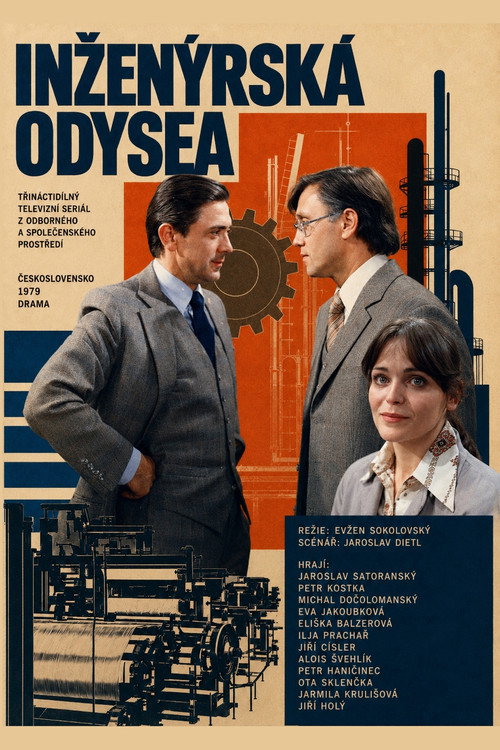
Inženýrská odysea is a Czechoslovak/Czech TV series about three young students and their lives.
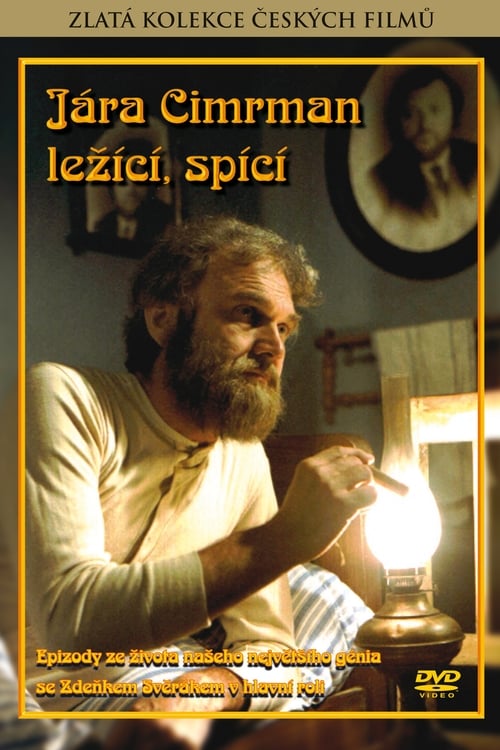
Czechoslovak comedy film directed by Ladislav Smoljak, about the fictional national hero Jára Cimrman (universal genius, inventor, sportsman, criminalist, poet, writer and philosopher).
This downbeat, grim drama about three brothers who are reunited at their mother's funeral is actually visually as dark as its story, making it difficult at times to clearly distinguish a scene. These brothers are not particularly exceptional as people go, but at least they have branched out into separate vocations in their lives. One brother is a doctor, another is a criminal, and the third is a bus driver. Like others in Europe, they suffered through World War II, yet no matter what their backgrounds and experiences, their interpersonal relationships are not exactly gripping drama.
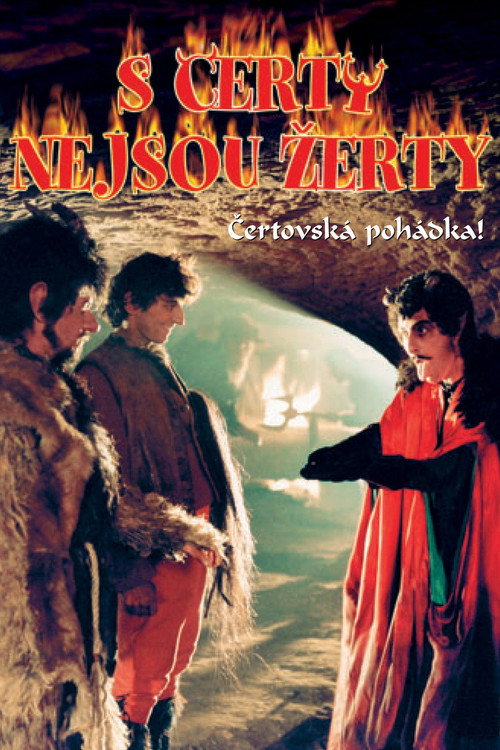
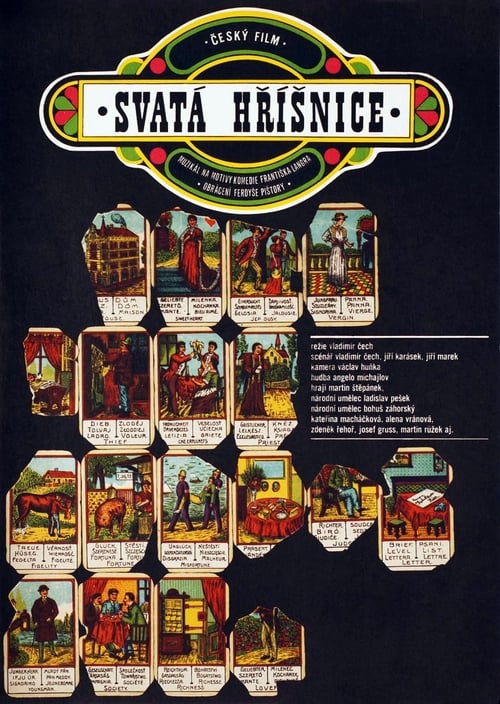
Dorota, a bad woman married the miller, out of sheer greed drives him to death. She then took the mill away from his son Peter and threw him out of the hime. Lucifer, who is known to rule in hell, sends out the devil Janek. He is supposed to fetch Dorota because the measure of her earthly sins is overflowing. But the devil himself can not handle this evil woman and flees to the military. There he meets Peter. By joining forces, they finally succeed in transporting the wicked Dorota to hell. Since then hell is hell. But for Peter, who is suddenly in possession of a magic mantle, begins a nice time, because strangely, the prince shows great interest in him.
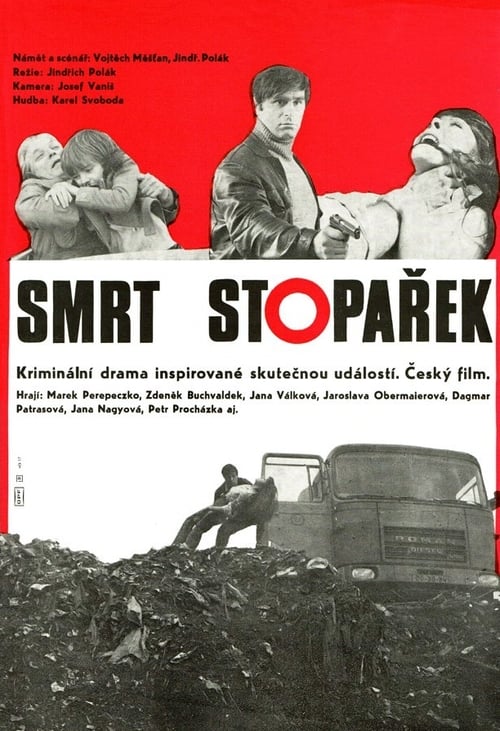
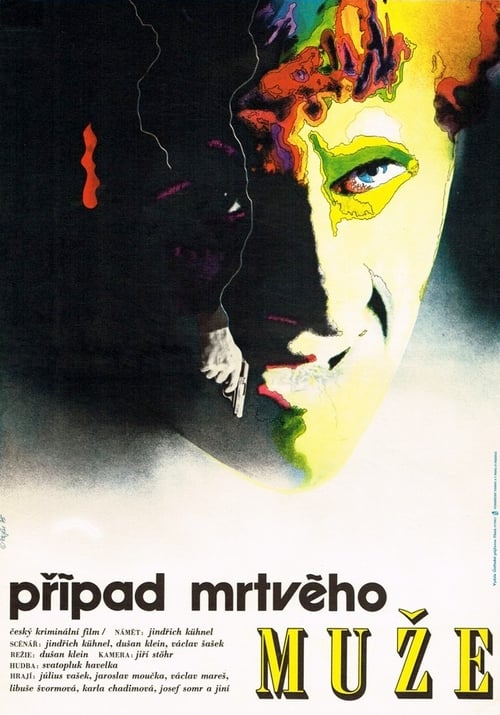
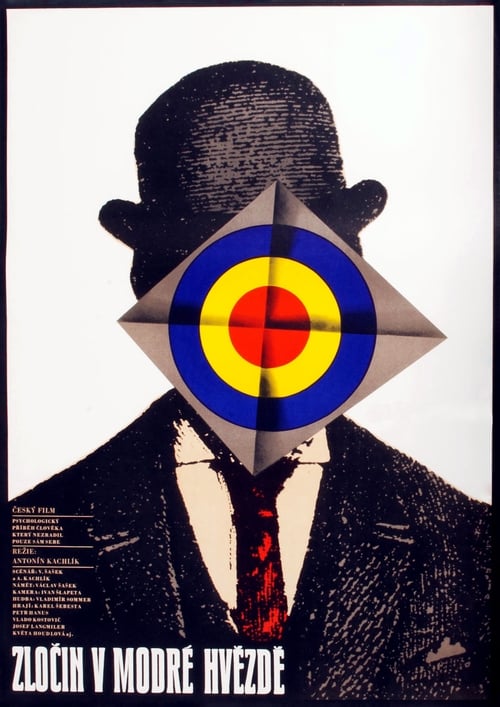
Maniac, a driver, sits on the track women, which then rape and kill. For loved ones, he is an ordinary person who has a wife and child. When exposed, he does not stop before killing his wife and takes his son hostage, under the guise of which he is trying to escape abroad.
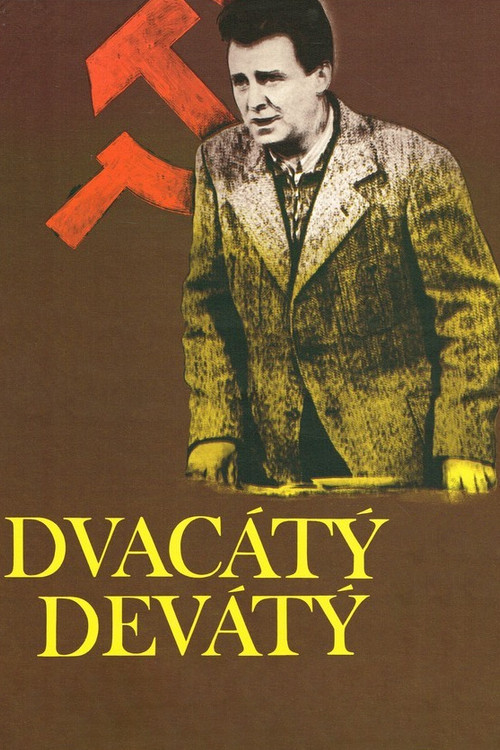
In the era of normalisation, a number of (pseudo)historical films were made, even described as reconstructions, which glorified the world-building mission of the Communist Party and attributed to it exclusively humanitarian intentions ("Days of Betrayal", "Sokolovo", "Liberation of Prague", "The Victorious People"). In 1929, when its fifth congress met, Klement Gottwald, who had taken the line of the Russian Bolsheviks, took over the leadership of the Communists...
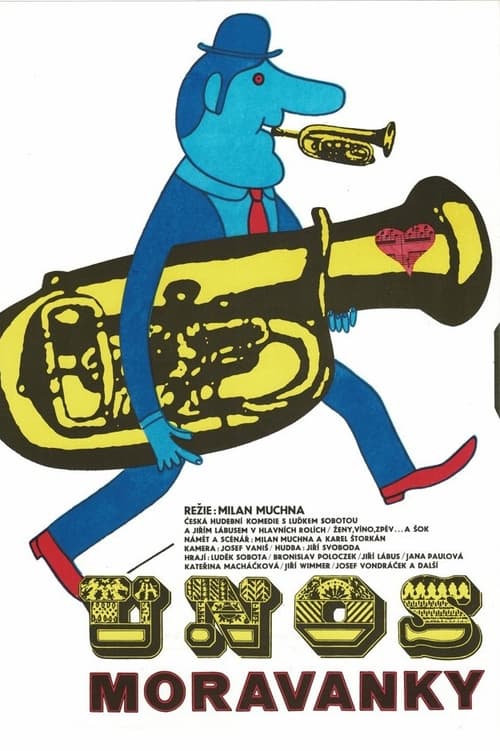
The popular Moravanka brass band performs at the fair. Vasek Pivoňka, the bandleader of the local brass band Kulatěnky, which broke up, decides to put the band back together. The village musicians are sceptical at first, but later they start rehearsing with vigour. Standa, a Prague resident who is working in a pig farm to cure his nerves, helps them to organise the concert. He really likes Evica Kocourková, but her father keeps an eye on her. Young Šišák tries to charm the teacher Olina. Before the performance can begin, the band must succeed before the cultural committee. However, they fail to do so. The disappointed musicians play for themselves at the station and suddenly they are successful. Standa comes up with an idea how to push Kulatěnka through without the permission of the commission. A concert of Moravanka is being prepared in nearby Nechvalin.
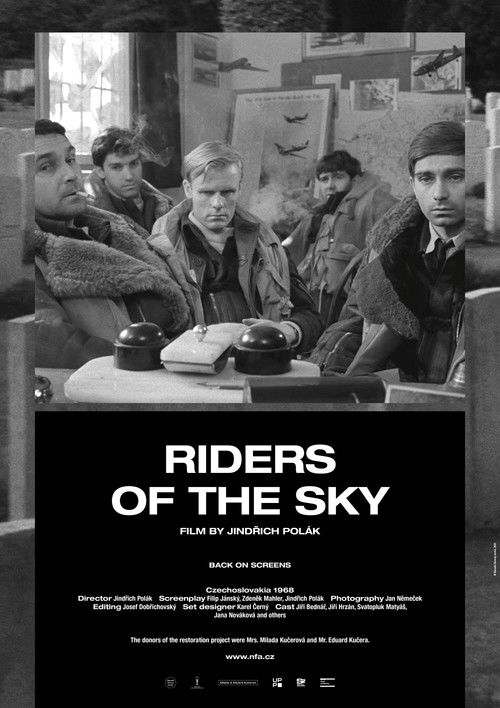
The story of Czech pilots in RAF service during the Battle of Britain, and the ongoing aerial battle in Northern Europe. It tells the story of the crews of the RAF’s No. 311 Squadron, which was mainly crewed by escaped Czech airmen, and their bombing raids during the Second World War.
In 1955, a detained agent feigns loss of memory, speech and hearing. According to his written statements, his name is Karel Neumann and he was born in Radhost...
Four short stories depicting the private life of Czechoslovak soldiers. In the short story "The Pheasant", the hardened corporal Kony takes revenge on the bullying of the new recruit Lubos. On the way to get a tank repaired, however, a manly friendship is born between the two men. The story Potato depicts a brigade during which, despite the prohibitions of a strict professor, soldiers and students become close at an evening disco. The buns bring to life the problems of military love: Štěpánka prefers Peter to Honza, but pays heavily for her mistake. The film closes with the short story "The Solution", in which a lieutenant from Slovakia has problems with the arrangement of his family life.
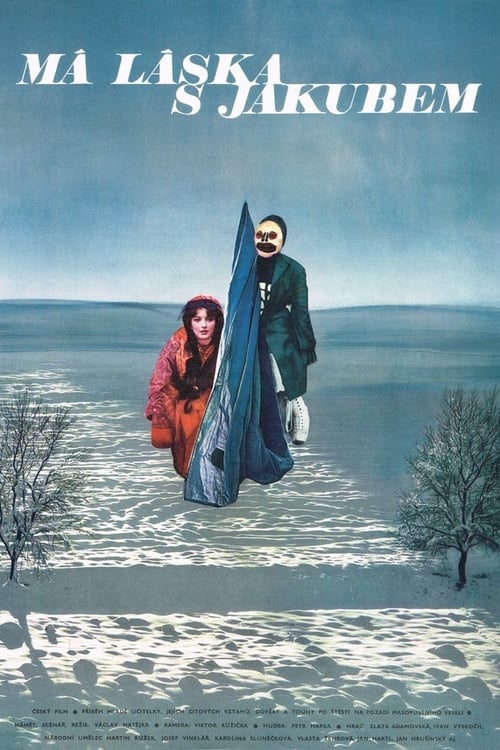
A budding teacher comes from Prague to the South Bohemian district town where her fiancé Jakub, a young promising engineer at the local paper mill, lives. Petra is getting to know her new colleagues at school and the children in her new class, and is practicing hard with the Komenium music group, whose members she has known since her studies. She also gets to know Jakub's colleagues and the director of the paper mill, to whose position Jakub would like to be appointed after his retirement. It is this desire for a high position that leads Jakub to behave and act in a way that Petra cannot approve of.
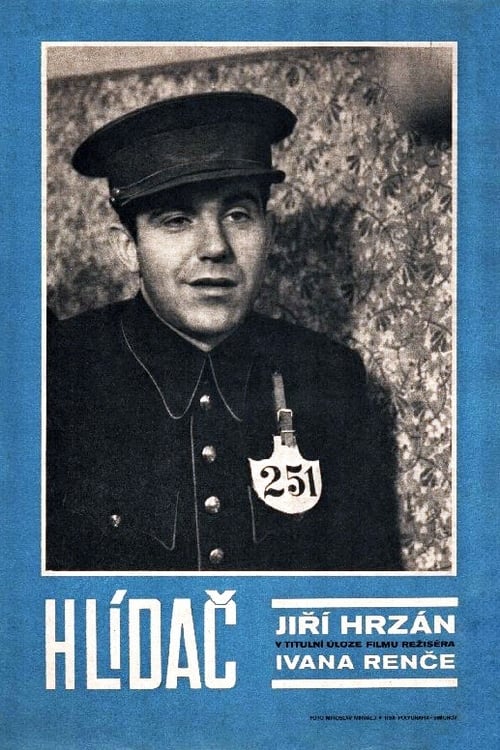
Even in 1970, films were made, prepared in previous years and expressing the poetics of that time. Ivan Renč created an almost protocol parable, deliberately set outside time and space, playing out a supremely model situation. In a somewhat rambling and not always convincing story, it tells the story of a young prison guard who dreams of living on a lonely lighthouse. He is ridiculous in his own way, with a distorted character, he hardly finds any satisfaction in his job, he cannot command the slightest respect from the prisoners - and the hero then takes out his excess pressure by abusing a defenseless dog. And one day there will be a short circuit meeting.
No description available.
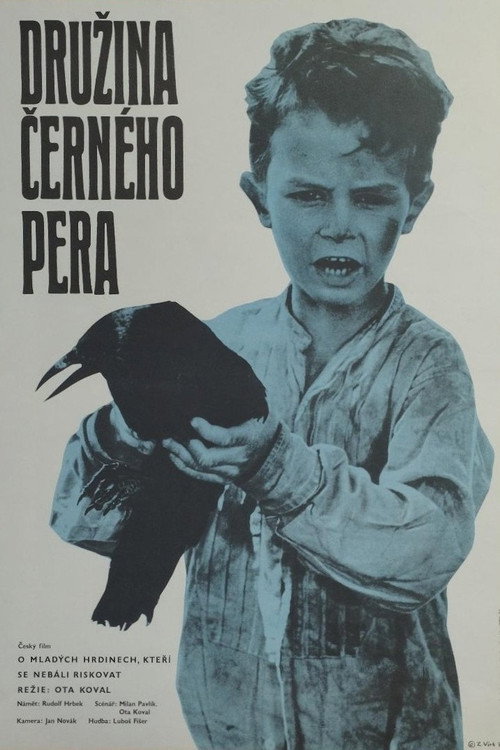
A group of children from a working-class neighbourhood in Pilsen search for a way to effectively protest against the rampage of the First World War and the oppressive state power...
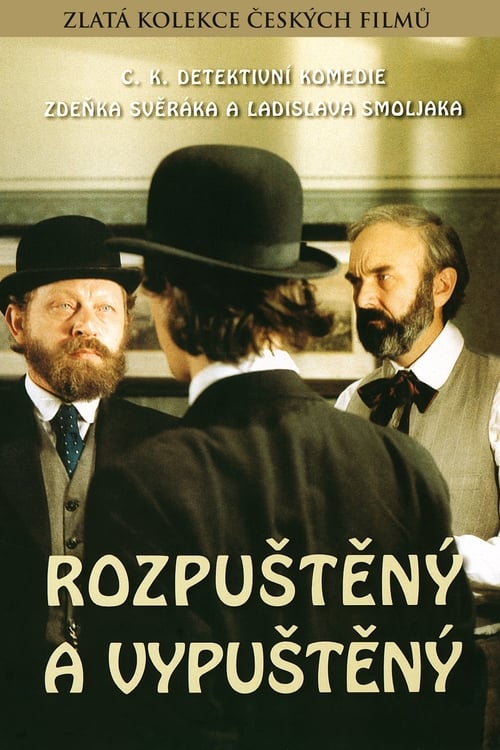
A police inspector and inexperienced trainee search for a mysteriously disappeared manufacturer of ointments for hair growth.
It is 1920, political unrest is growing in Prague and the Social Democrats are about to betray their historic mission by prioritising their own selfish interests instead of those of the working class. An extortionist scandal falls on the Social Democratic deputy Jandák, forcing him to renounce his convictions. Under these circumstances, the seriously ill Hungarian revolutionary Kerekes, who had to flee his homeland, is hiding in Prague...
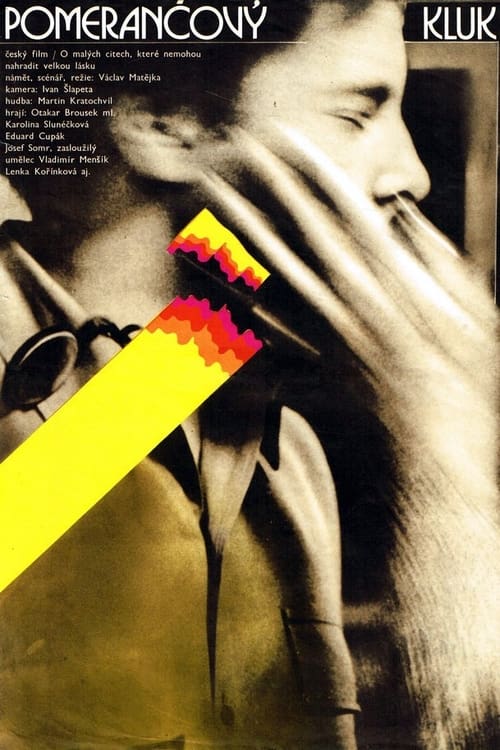
A quarrel between divorced waitress Mája and her fifteen-year-old son Petr ends with the boy physically attacking his mother, and he is sent to an institution for juvenile delinquents.
In the Prague Old Town and the adjoining streets there is always plenty of life. Housewives shop, beggars arouse sympathy, the Salvation Army tries to put the godless on the road to salvation by hymns and sermons, and Ferdys Pistora hunts in the pockets of his fellow men and isn't even put off by the presence of an officer of the law. Ferdys sets off to burgle villa of the banker Rosenstok, but a fire breaks out in the house and Ferdys ends up saving the banker's two small children. For this he is celebrated as a hero and gets a place as an errand boy with the Rosenstoks. At home he is visited by representatives of the Salvation Army, Captain Kosterka and Terezka, with whom Ferdys instantly falls in love.