Acting
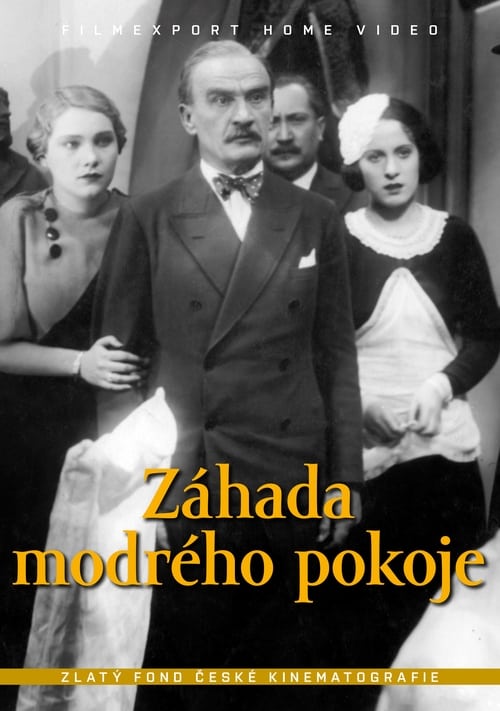
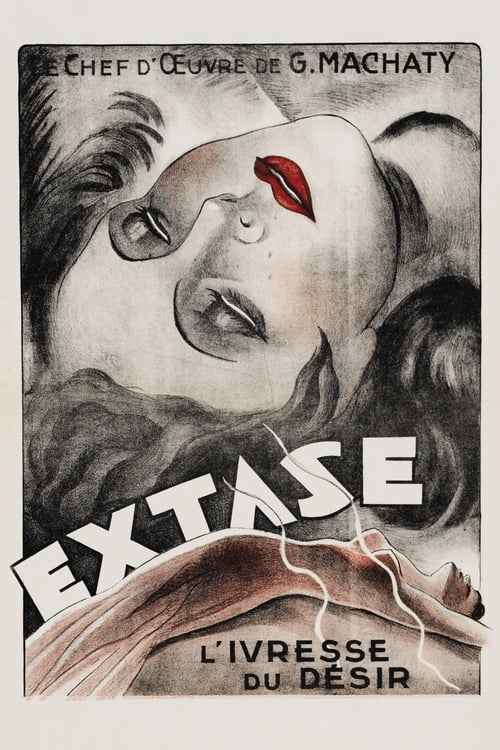
Eva has just gotten married to an older gentleman, but discovers that he is obsessed with order in his life and doesn't have much room for passion. She becomes despondent and leaves him, returning to her father's house. One day while bathing in the lake, she meets a young man and they fall in love. The husband has become grief stricken at the loss of his young bride, and fate brings him together with the young lover that has taken Eva from him.
No description available.
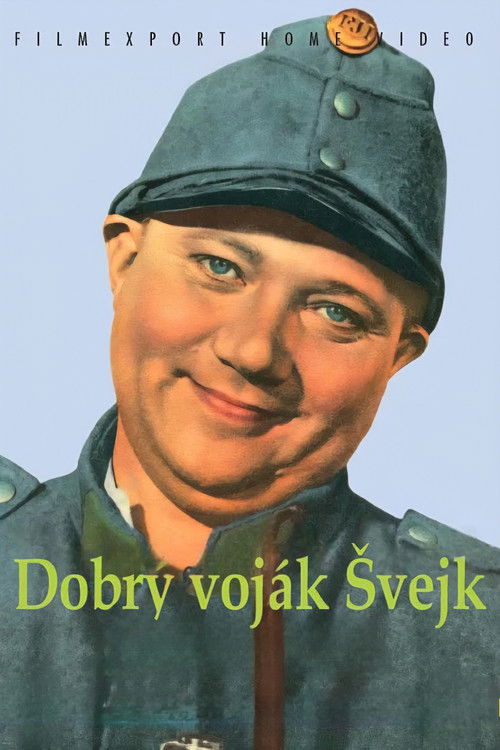
Good-natured and garrulous, Schweik becomes the Austrian army's most loyal Czech soldier when he is called up on the outbreak of World War I -- although his bumbling attempts to get to the front serve only to prevent him from reaching it. Playing cards and getting drunk, he uses all his cunning and genial subterfuge to deal with the police, clergy, and officers who chivy him toward battle.
A young farmer, Jan Aleš, is drafted from his native Pošumaví to join the army. Since he likes his new environment, he stays with the army as a long-term serviceman. He even successfully passes the exams for the military academy. There he becomes friends with his Slovak colleague Milan Jurčík. He studies diligently, but thanks to Milan he sometimes finds time to go out into the city. That is how he meets the factory owner's daughter, Zdenka, with whom he falls in love. However, her father is not very happy about the promising relationship.
A comedy based on the novel of Jaroslav Hašek's The Good Soldier Svejk happens during the World War I. I Dutifully Report: In the introduction to the second part of the film adaptation of Hašek's novel The Good Soldier Švějk presents his main character Josef Švejk. With the distinctive traditional Czech cartoon character of a soldier Svejk, this time you meet on the way to the front and eventually right in the firing line. You can look at his famous train events, and also probably the most famous episode of the novel, Švejk's Budějovice anabasis. Don't miss the scene with the secretly bought cognac, the episode with Svejk as a fake Russian prisoner of war, including the court scene, and the scene in which lieutenant Dub is caught in a brothel. Despite the criticism, Steklý's adaptation is undoubtedly the most famous and memorable at present.
The story of a poor, disintegrating family of a mother Fišerová and her three children. It is set in the 1890s - a time when the poor working classes did not yet have the right to vote or a permanent eight-hour working day.
Second half of the 19th century. In a small town in South Bohemia, fifth-former Jan Ratkin is living through the confusions of first love together with his classmates.
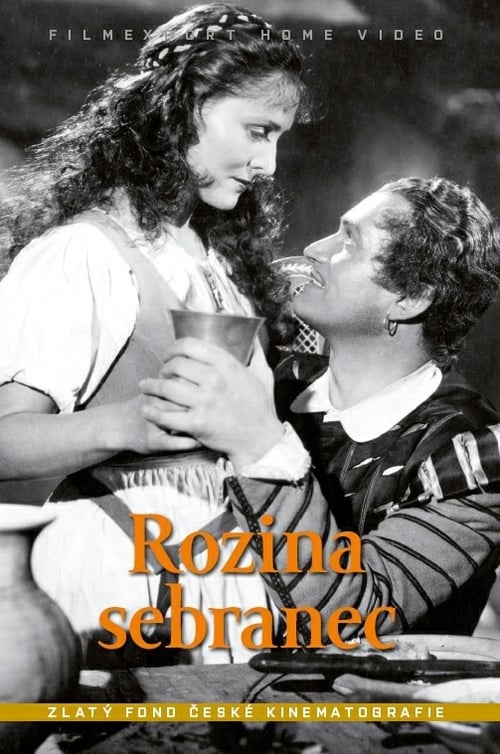
Prague, the beginning of the 17th century. Rozina falls in love with Italian glass worker Nikolo, but after returning home, she gets a message that will never come to Prague. She falls for the promise of an older man to marry her, but when Nikolo does return, the tragic fate of Rozina is sealed.
Based on a novel by Maria Majerova, this well-photographed but routine romantic drama is directed and co-scripted by Vaclav Krska. Set in a more old-fashioned time, the story centers around Lenka (Suzana Fisarskova), a young woman with a domineering, psychologically abusive father. When Lenka falls in love she suffers the ultimate injustice when her father and her family forbid her to marry the man. They see no advantage in such a union and want her to marry a wealthy local landowner instead, for obvious reasons. But Lenka is not as submissive as they think and she runs away to the city to look for the man she loves -- only to find a serious problem, though a surmountable one, is waiting for her.
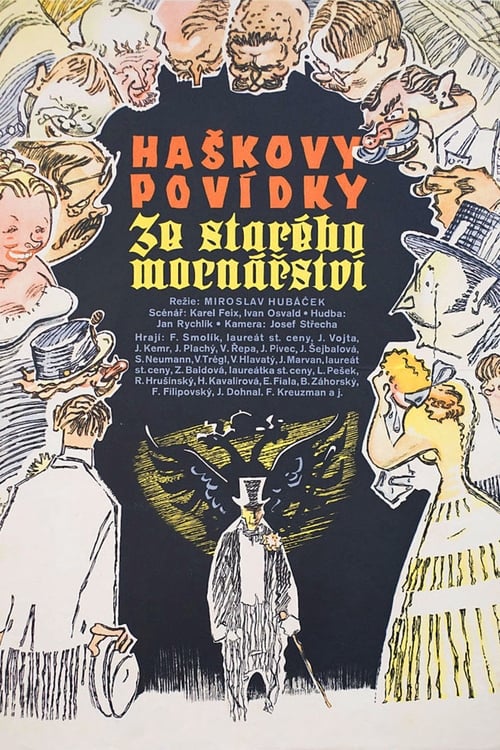
Four short stories by the greatest Czech satirist Jaroslav Hašek. "Soup for Poor Children" tells the story of how Prince Robert himself cooked soup for poor children, "Meeting of the Municipal Council in Mejdlovary" is the history of filling the position of municipal policeman, "Trampotes of Mr. Tenkrát" shows how strange events lead to marriage and promotion, "Revolt of the Convict Šejba" depicts the victorious fight of the convict Šejba for a dumpling for ministering at mass.
The story of a Czech national revivalist, writer and author of a famous cookbook... The story takes us to Litomyšl in 1836. The local bourgeois society, which does not fail to interject a German word into their conversation as proof of good upbringing and better origin, slanders Mrs. Rettigová. "Rettička" not only fights for standard Czech, is a patriot, but also attracts young girls and students to her and lends them Czech books. She simply disrupts the good old order. Another sensation in the town is caused by the announcement of a planned wedding. Maiden Lenka will marry old doctor Plavec. When Mrs. Rettigová finds out about it, she invites both fiancés to her, each separately. The hunter Valenta, Lenka's former admirer, who had been abroad with his master for a long time, asked her to help him get Lenka back...
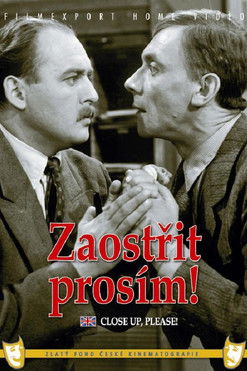
Cashier Ferdyš Pištora goes to rob the villa of banker Rosenštok. At that moment, a fire breaks out and Ferdyš saves the banker's two young children. He is hailed as a hero by everyone and Rosenštok makes him a messenger in the bank. This changes Ferdyš's entire life. He becomes a moralist and bullies the whole neighborhood with his sermons. He falls in love with Terezka, a member of the Salvation Army. Ferdyš's former lover Irma is jealous of Terezka. The two women argue and Terezka, in anger, claims that she killed her child and buried it in the cellar. Ferdyš believes this fabrication. In order to save her, he wants to give her the money that he was supposed to hand over to the bank. Out of jealousy, Irma tells the police that Ferdyš wanted to rob the banker's villa, and Ferdyš is arrested. However, Rosenštok intercedes for him and Ferdyš is acquitted. Terezka confesses that she made up the child's murder and celebrates her wedding with Ferdyš.
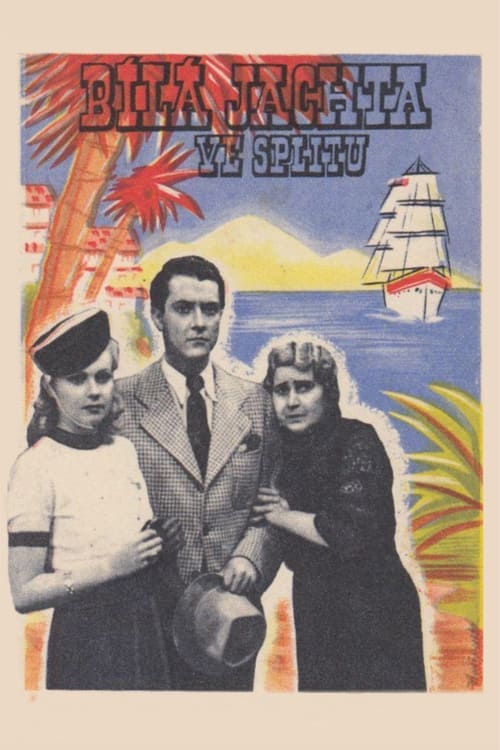
When the yacht of her former lover Mario Tudor arrives in Split, widowed Countess de Milesi, plagued by financial troubles, is hell-bent on selling him a fake copy of an expensive painting.
A biographical film about a Czech doctor, Dr. Jánský. The athletically inclined medic Jánský successfully completes his studies. He wants to become a surgeon, but finds himself in Professor Kuffner's psychiatric clinic, where, together with his colleague Kozdera, he tries to uncover the connection between blood clotting and mental illness. They make the surprising discovery that human blood can be divided into four groups and thus prevent it from clotting during transfusions. However, Jánský's discovery is met with misunderstanding by the Czech medical community...