Dominique LaPierre
Writing
Biography
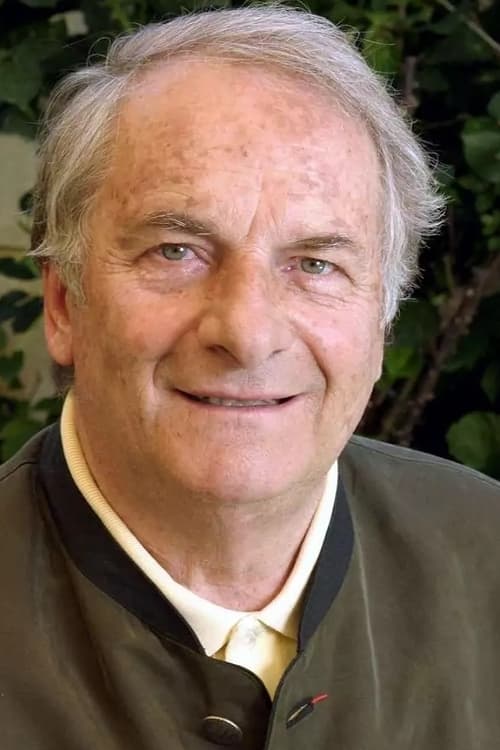
Dominique Lapierre (30 July 1931 – 2 December 2022) was a French author. Dominique Lapierre was born in Châtelaillon-Plage, Charente-Maritime, France. At the age of thirteen, he travelled to the U.S. with his father who was a diplomat (Consul General of France). He attended the Jesuit school in New Orleans and became a paper boy for the New Orleans Item. He developed interests in travelling, writing, and cars. Lapierre renovated a 1927 Nash that his mother gave him and decided to travel across the United States during his summer holidays. To earn his way he painted mail boxes. Later, he received a scholarship to study the Aztec civilization in Mexico. He hitch-hiked throughout the U.S. living an adventurous existence, wrote articles, washed windows in churches, gave lectures, and even found a job as a siren cleaner on a boat returning to Europe. One day a truck driver who picked him up on the road to Chicago stole his suitcase. He found the driver before the police did. The Chicago Tribune paid him $100 for his exclusive story. His twenty thousand miles of adventure beginning with just thirty dollars in his pocket led to his first book A Dollar for a Thousand kilometers. It became one of the best sellers of postwar France and other European countries. When Lapierre was eighteen, he received a Fulbright Scholarship to study economics at Lafayette College in Easton, Pennsylvania, where he was graduated in 1952. That year he bought a 1937 Chrysler convertible for $30 and fell in love with a fashion editor. They were married in New York City Hall on his 21st birthday and drove to Mexico in the old Chrysler for their honeymoon. With only $300 in their pockets, they had just enough to buy gas, sandwiches, and cheap rooms in truckers’ motels. In Los Angeles, they won another $300 in a radio game show for Campbell Soup. The prize included a case of soup, which was their only food for three weeks. Lapierre sold the Chrysler for $400 in San Francisco and bought two tickets on the SS President Cleveland for Japan. The honeymoon lasted for a year. They worked their way across Japan, Hong Kong, Thailand, India, Pakistan, Iran, Turkey and Lebanon. When they returned to France, Lapierre wrote his second book, Honeymoon around the Earth. ... Source: Article "Dominique Lapierre" from Wikipedia in English, licensed under CC-BY-SA 3.0.