Sound
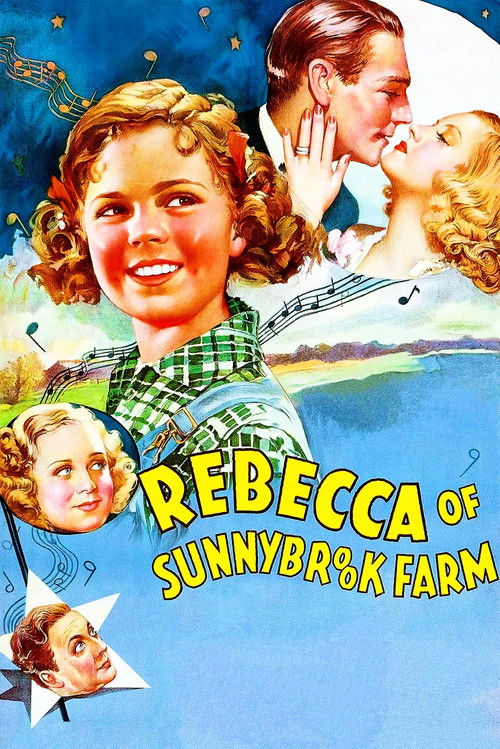
Rebecca's Uncle Harry leaves her with Aunt Miranda who forbids her to associate with show people. But neighbor Anthony Kent is a talent scout who secretly set it up for her to broadcast.
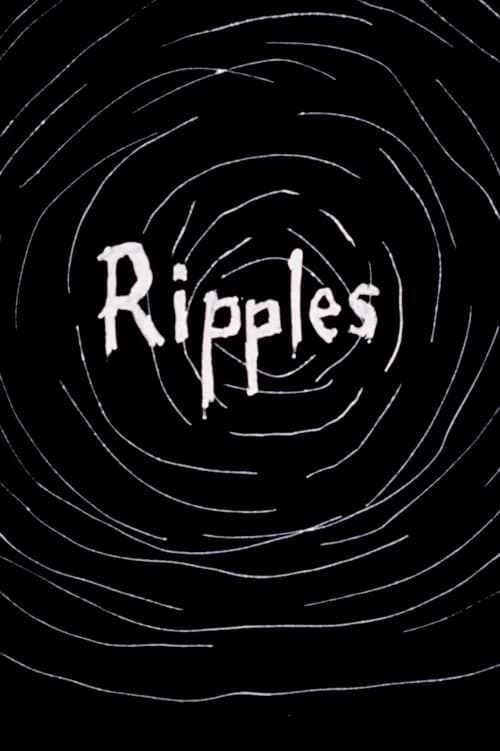
Ripples uses images cut together to visualize the mind's eye of an architect as he considers his next project.
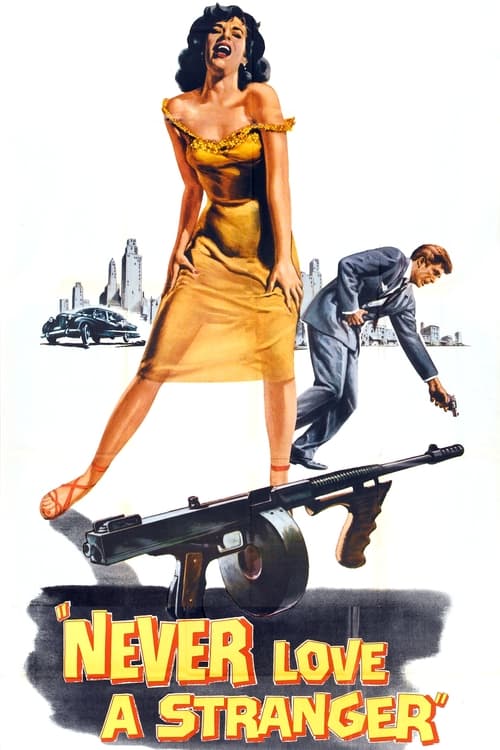
Orphan turns bad, finds redemption with some help from boyhood pal. This movie is of interest because of the presence of a young Steve McQueen, the leading man being John Drew Barrymore, father of the more famous Drew, and for being based on a novel by Harold Robbins, famous for steamy writing in his day.
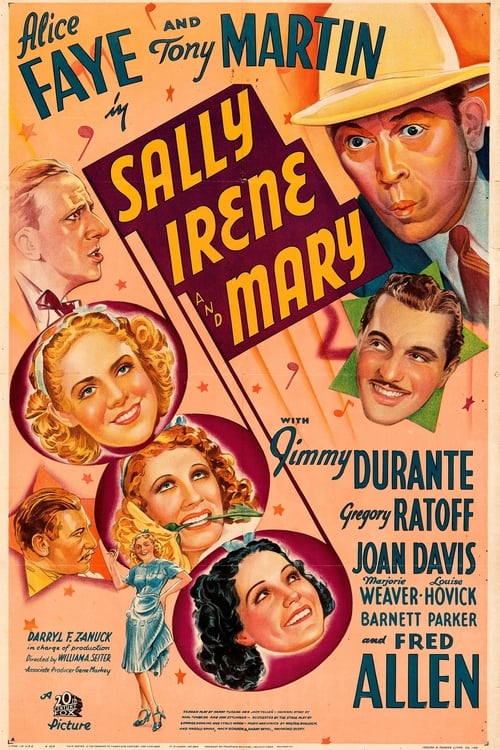
Manicurists Sally, Irene and Mary hope to be Broadway entertainers. When Mary inherits an old ferry boat, they turn it into a successful supper club.
Your Hit Parade is an American radio and television music program that was broadcast from 1935 to 1955 on radio, and seen from 1950 to 1959 on television. It was sponsored by American Tobacco's Lucky Strike cigarettes. During this 24-year run, the show had 19 orchestra leaders and 52 singers or groups. Many listeners and viewers casually referred to the show with the incorrect title The Hit Parade. When the show debuted, there was no agreement as to what it should be called. The press referred to it in a variety of ways, with the most common being "Hit Parade," "The Hit Parade," and even "The Lucky Strike Hit Parade". The program's title was not officially changed to "Your Hit Parade" until November 9, 1935 Each Saturday evening, the program offered the most popular and bestselling songs of the week. The earliest format involved a presentation of the top 15 songs. Later, a countdown with fanfares led to the top three finalists, with the number one song for the finale. Occasional performances of standards and other favorite songs from the past were known as "Lucky Strike Extras."
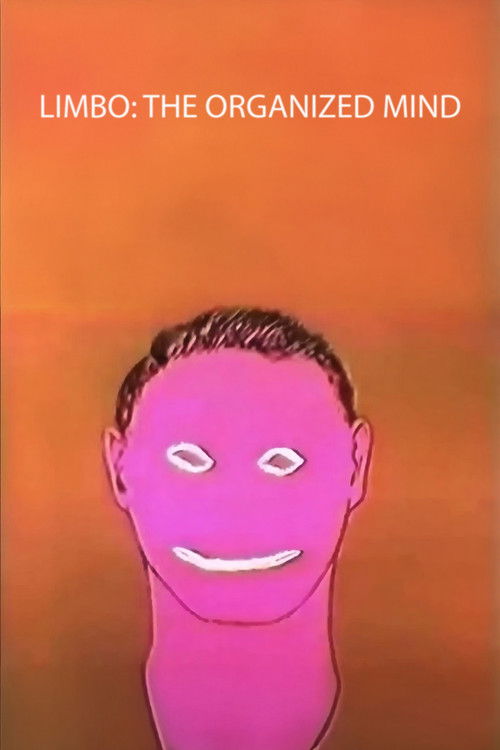
Short film by Jim Henson featuring Limbo, combining live puppetry with pre-recorded film.
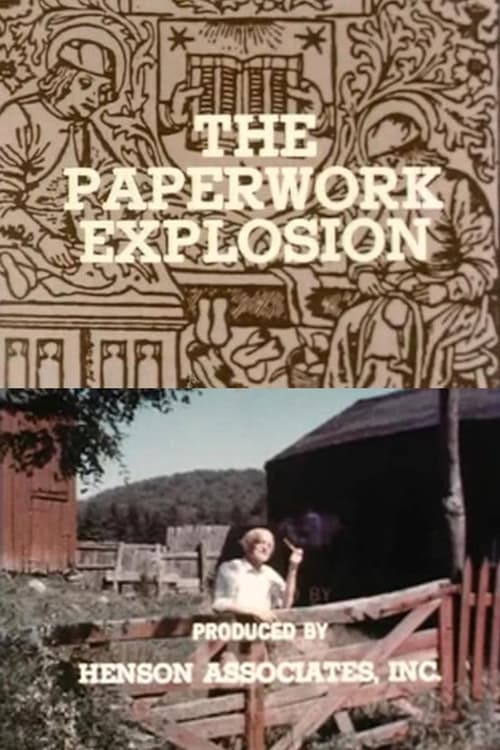
Mankind has devoted too much time, too much money and plenty of space on paperwork and more paperwork. In the 1960's, to remove all those obstacles and all that paper, and in order to make life easier, IBM has created a groundbreaking device - a machine that could improve office relations and operations. IBM, through Jim Henson's picture, presents the 'Magnetic Tape Selectric Typewriter', a machine that does the work while we do the thinking.
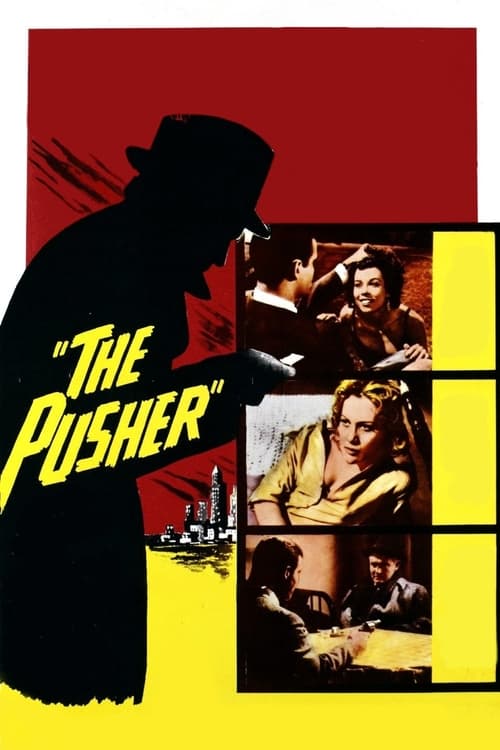
A detective investigating the murder of a heroin addict discovers that there is a connection between the junkie and his fiance, who is his boss' daughter.
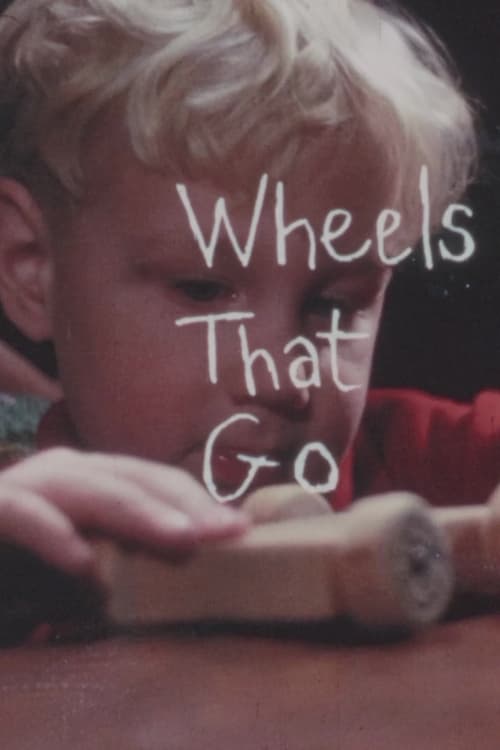
A young boy ponders the marvel of wheels.
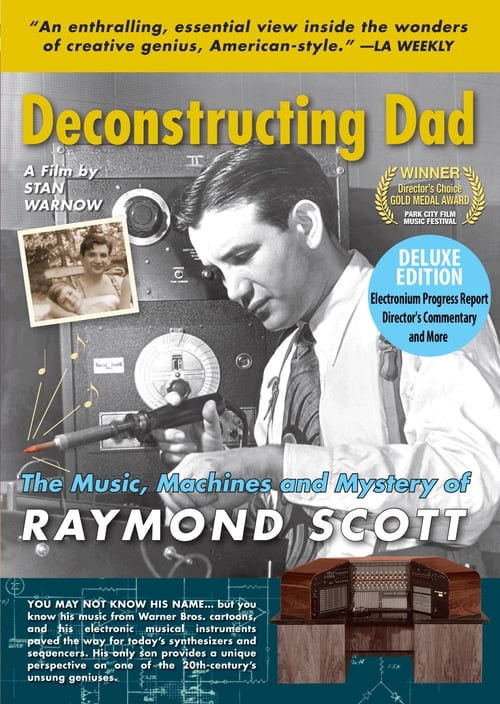
His filmmaker son probes the professional and private lives of his remote but fascinating father: bandleader, composer, inventor, and electronic music pioneer Raymond Scott.
Memories is a one-minute film created by Jim Henson as a commercial for Bufferin in 1967.