Acting
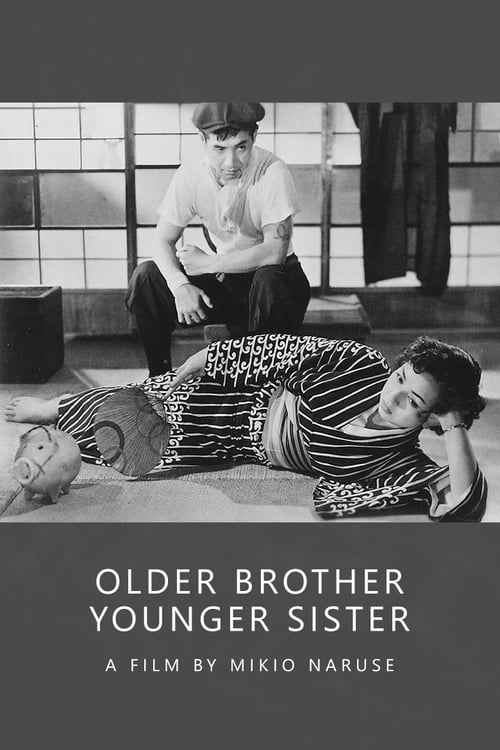
The eldest daughter of a rural family Mon returns home from Tokyo pregnant after an affair with a college student Kobata, which causes a scandal that will threaten the marriage prospects of the younger sister San, in her cash-strapped family. The ill-tempered eldest brother Inokichi decides to take on the role of disciplinarian, with harrowing results.
In postwar Tokyo, a blunt, alcohol-soaked doctor diagnoses a swaggering young yakuza with tuberculosis, forging an uneasy bond that’s tested when the gangster’s ruthless former boss returns and drags him back toward the swampy underworld he can’t escape.
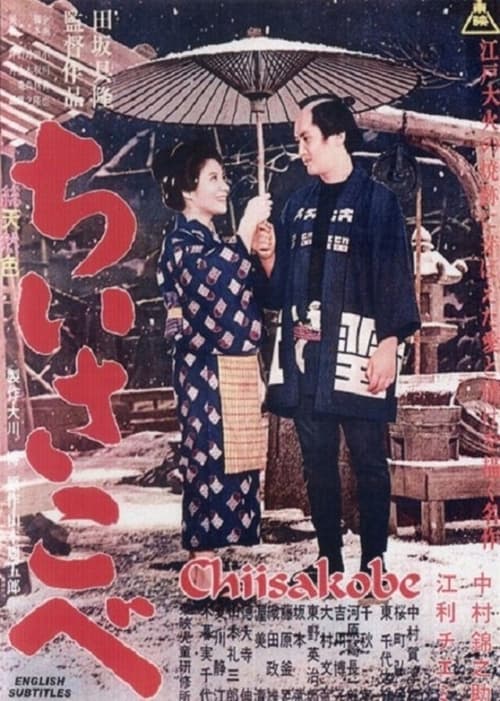
A carpenter, Shigetsugu, learns a lesson of love and humanity from five orphaned children and an affectionate woman named Oritsu. It's a winning combination of drama and humor. The warm friendship that grows between the carpenter, the woman and the children making this into a true masterpiece.
A recently released gangster has to cope with the recent shifts of power between gangs, while taking care of a thrill-seeking young woman, who got in bad company while gambling.
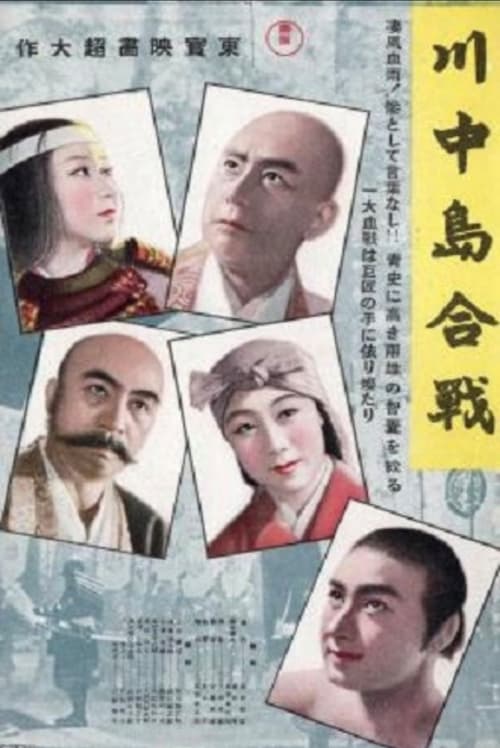
This epic depicts the battle between Uesugi Kenshin and Takeda Shingen. The focus of the story is the struggle by the unit leader in charge of the main supply wagons and the supply troops to transport materiel to the Uesugi army. To this are added episodes involving an itinerant woman.
1951 Japanese movie
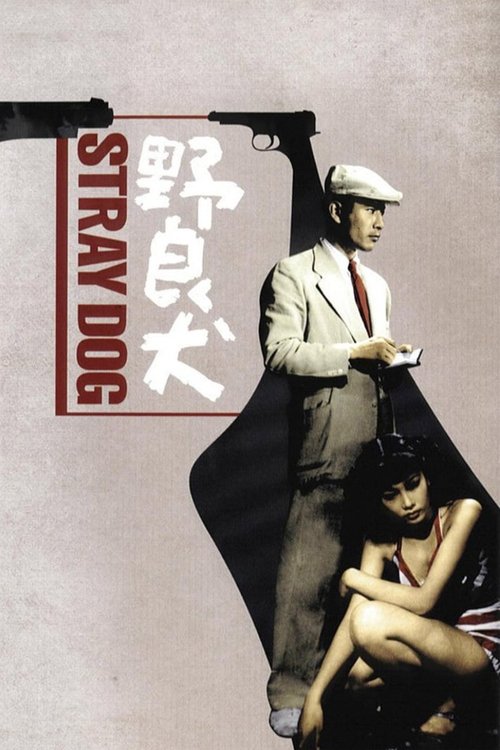
A bad day gets worse for young detective Murakami when a pickpocket steals his gun on a hot, crowded bus. Desperate to right the wrong, he goes undercover, scavenging Tokyo’s sweltering streets for the stray dog whose desperation has led him to a life of crime. With each step, cop and criminal’s lives become more intertwined and the investigation becomes an examination of Murakami’s own dark side.
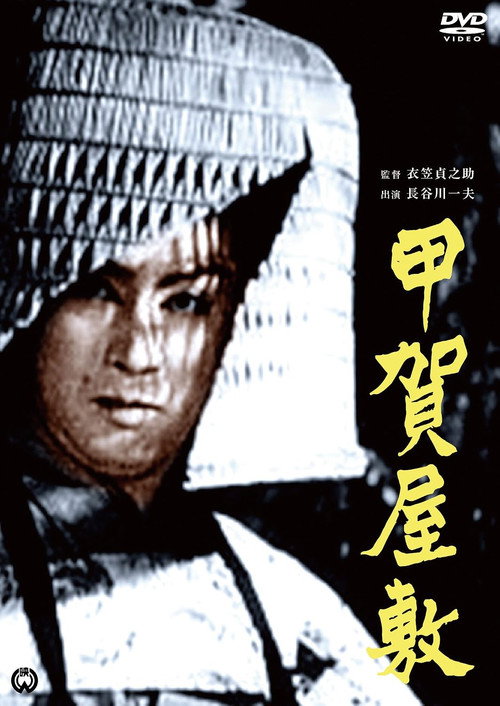
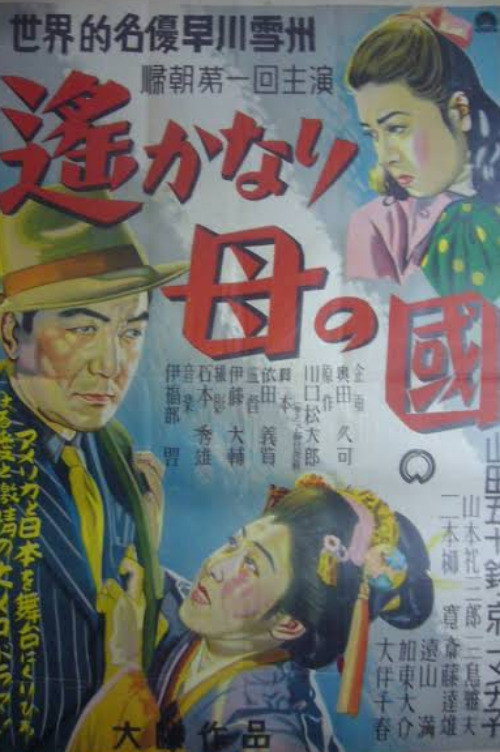
Kazuo Hasegawa's debut at Daiei.
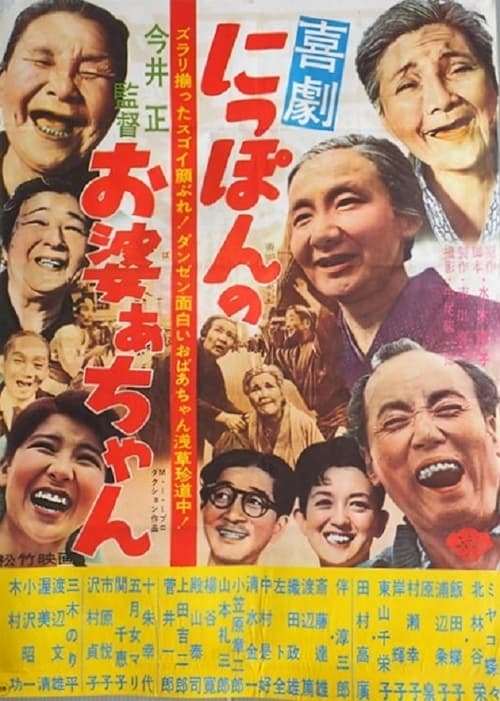
Two obaachans become fast friends listening to music in front of a record store. They both boast about their loving sons but in reality, one had just escaped a retirement home and the other was looking for an escape from her son and daughter-in-law. With nowhere to go, the two wander around, befriending a cosmetics salesman and a kind waitress who give them beer. This biting social satire starring two memorable grandmothers, scripted by Yôko Mizuki, picked up on Japan’s aging population problem far ahead of its time.
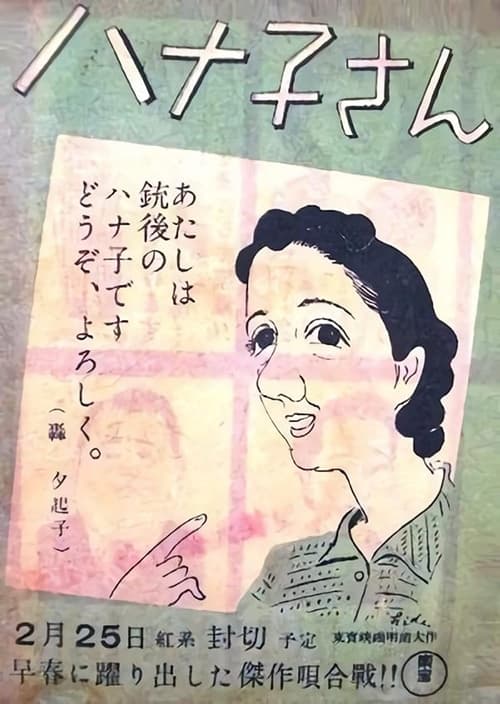
Hanakosan (1943, TOHO, MAKINO Masahiro), a thoroughly light and joyful musical comedy, influenced by Busby Berkeley films, against the national policy under the wartime, was made into a film from comic serials by SUGIURA Yukio published in a magazine.
No description available.
In old Edo, Kakunojo (Chiezo), a dandy about town, falls in love with Oichi (Isuzu Yamada), whose merchant family is much beyond Kakunojo's status. He nevertheless pursues her until her initial disgust breaks down into fondness, then romantic feelings, inducing her to abandon her fiance on their wedding day.
A small-time thug fresh out of prison is lured back onto the path of crime and joins a gang of safe-crackers.
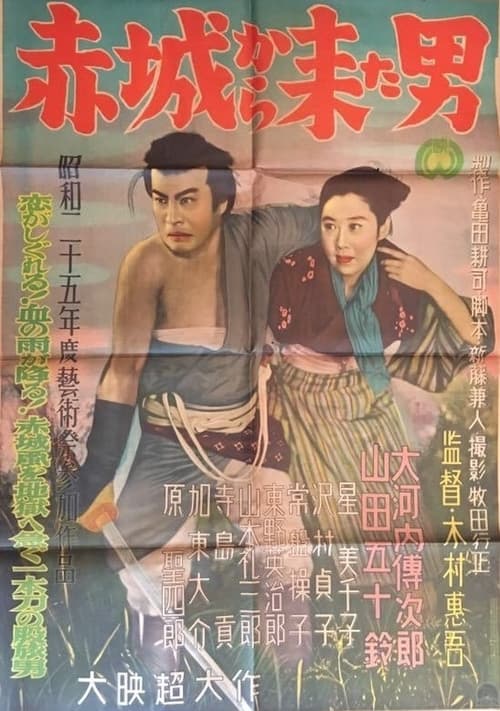
Adaptation of the novel by Osaragi Jirō. Again scripted by the legendary Yamanaka Sadao
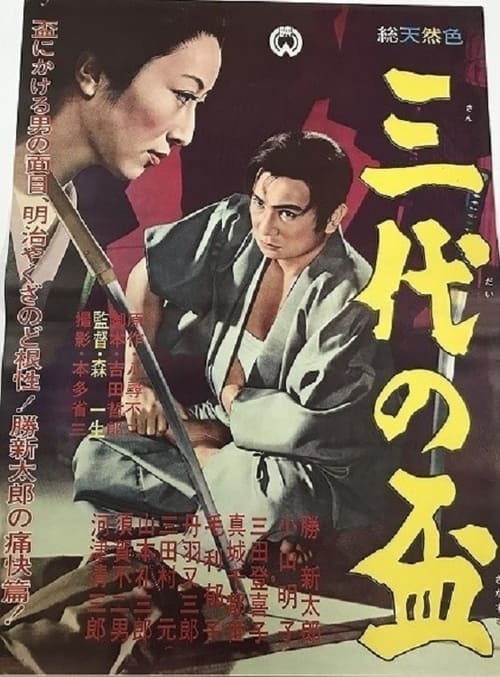
1962 Japanese movie. Remake of Mori's 1942 original movie
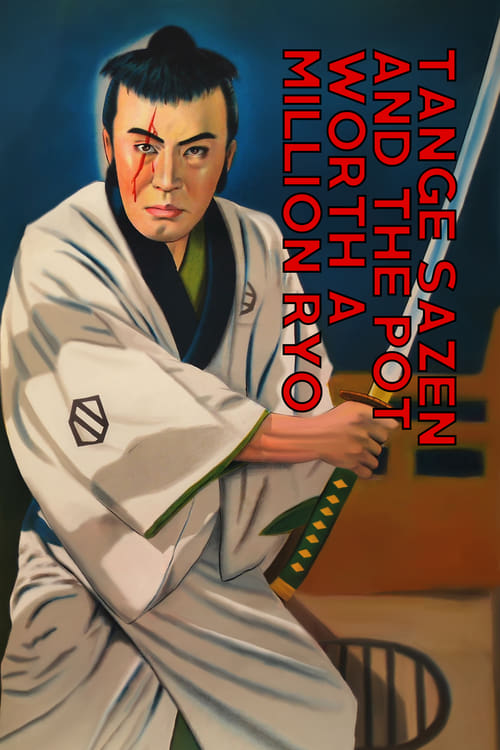
A man gets rid of a cheap pot without knowing it contains a map to a treasure. As word spreads, many join in hunting it.
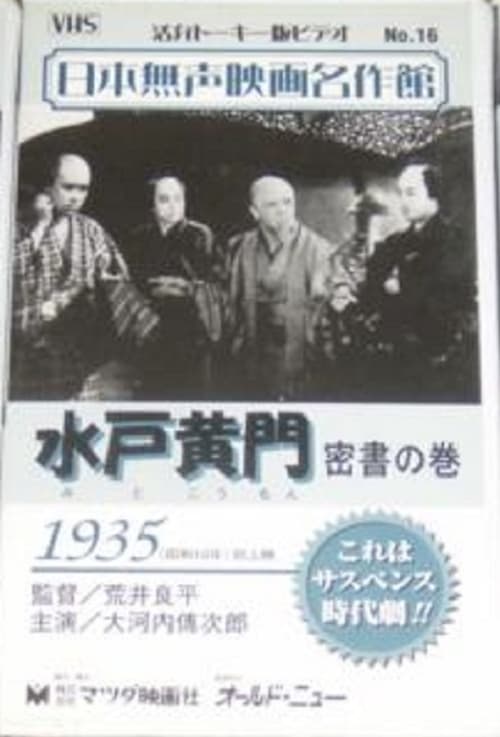
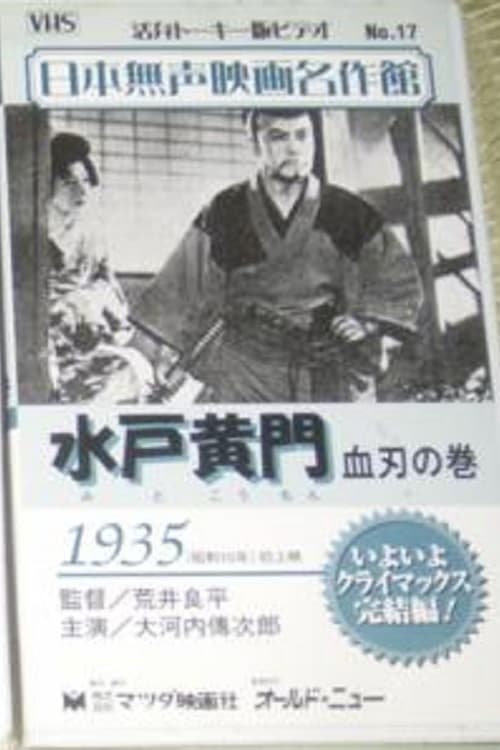
Final installment of the Okochi / Arai / Yamanaka Mito Komon series and just as good as the others (a good deal longer, as well). Again, this film like the other two is similar in tone and spirit to the Yamanaka Tange Sazen film and would appeal to fans of that film.