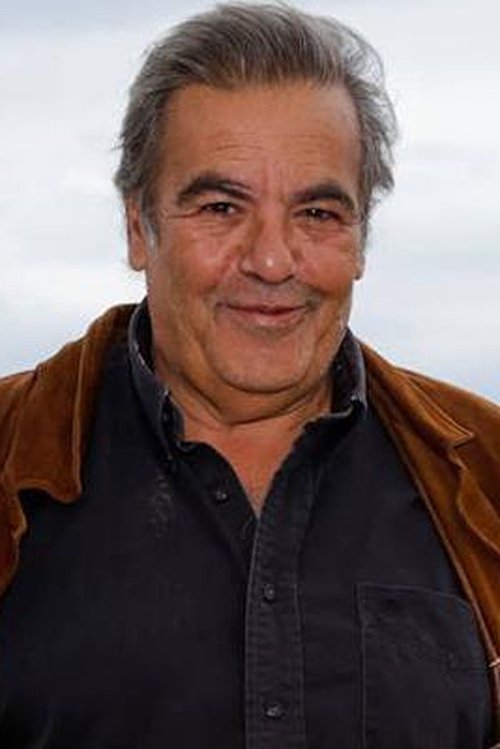
Benito Rabal
Directing
Known For
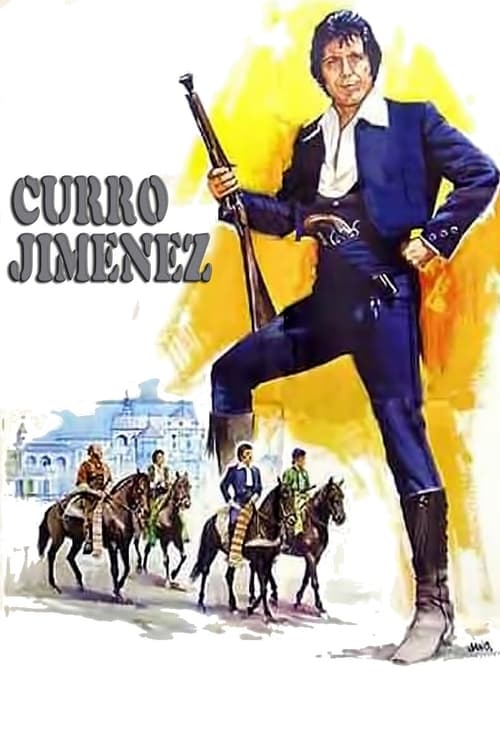
Curro Jiménez was a successful Spanish TV series that aired on TVE1 from 22 December 1976 to 1979. Its main theme was Andalusian "bandolerismo" in the 19th century, located in the Ronda mountains. The main characters were four bandits, Curro Jiménez
Curro Jiménez
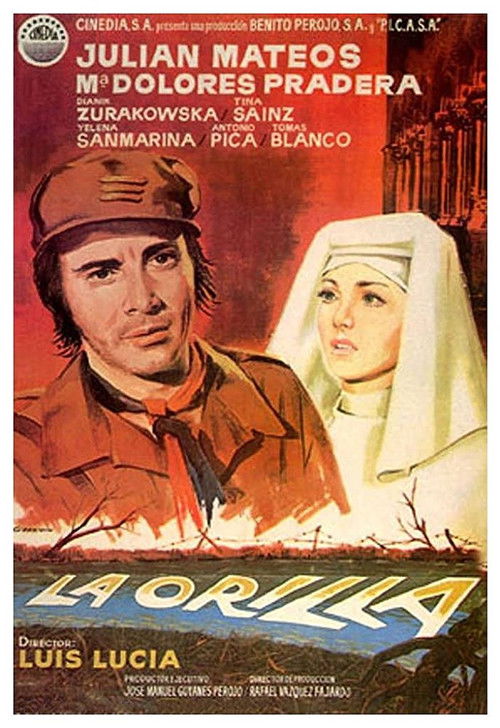
No description available.
La orilla
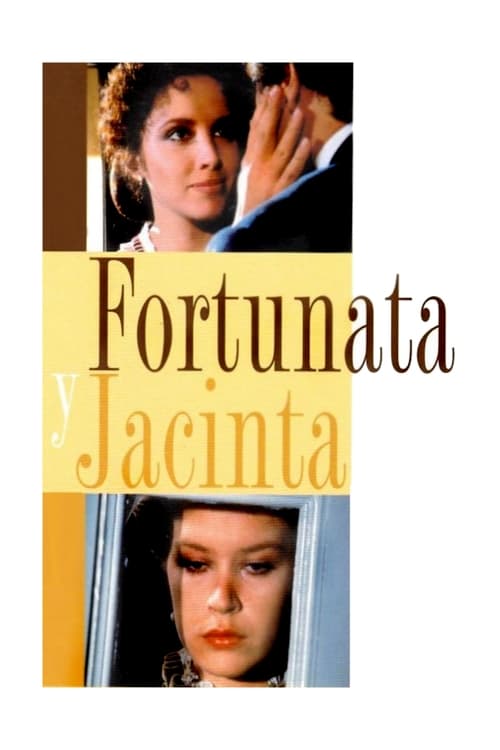
The aristocrat Juan de Santa Cruz meets Fortunata, a girl of humble origins, and a passionate love arises between them; but his mother decides to marry him to her niece Jacinta.
Fortunata and Jacinta
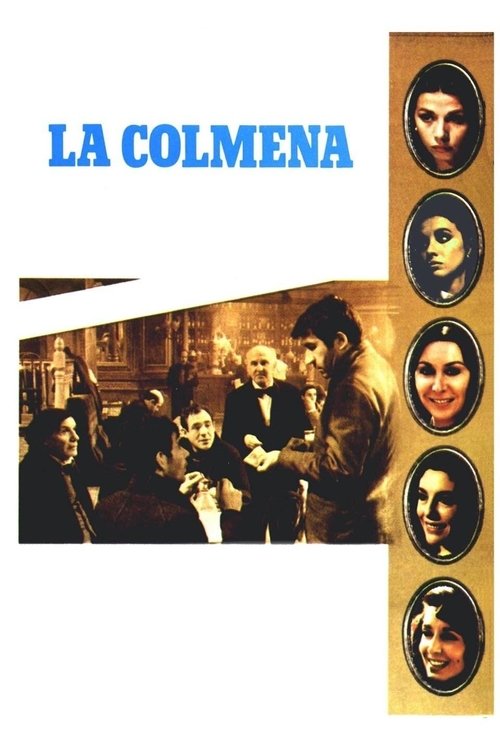
As in the novel of the same title from Camilo Jose Cela, "La Colmena" is a sad composition with the stories of many people in the Madrid of 1942, just the postwar of the spanish civil war. The main theme of the film is the contrast between the poets, surviving close to misery under the Franco's regime, and the winners of the war, the emerging class of the people that makes easy money with illegal business.
The Beehive
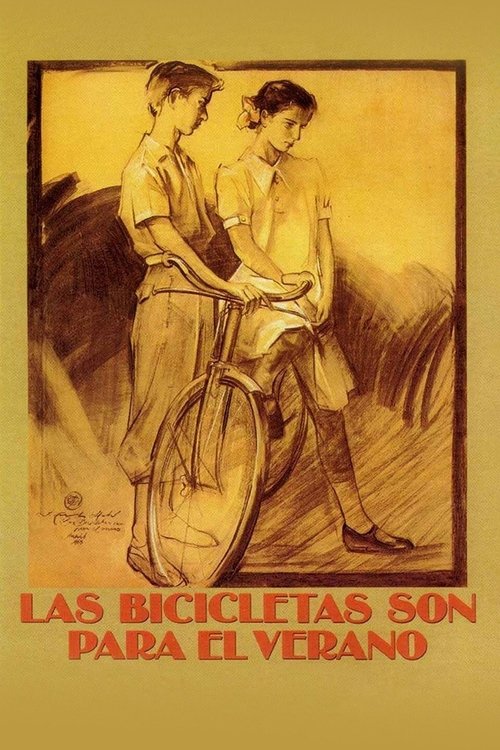
In Madrid, the family of Don Luis, his wife Dolores and their children, Manolita and Luisito, share the daily life of the Civil War with their maid and neighbours. Despite having failed his exams, Luisito wants his father to buy him a bicycle. However, the situation forces them to delay the purchase and the delay, like the war itself, is to last much longer than expected.
Bicycles Are for the Summer
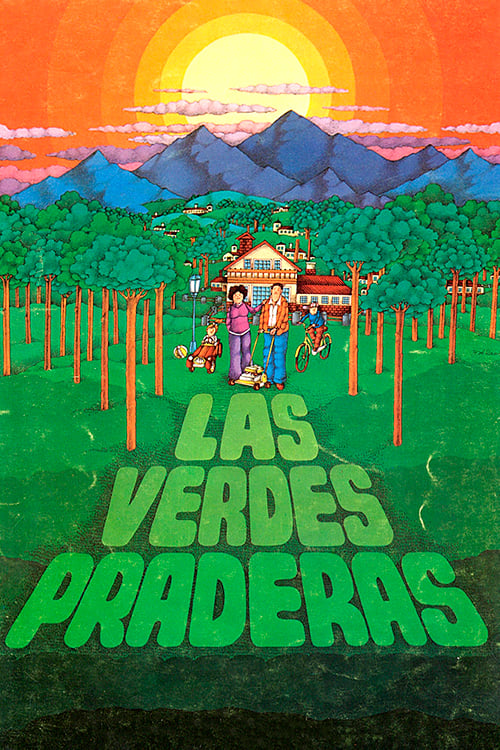
José is a happily married executive, with children, a flat in Madrid and a house in the suburbs. It's Friday and the weekend seems to follow the usual pattern: football match with mates, travel to the mountains and family visit. Nevertheless, José feels no motivated by his routine, he no longer distinguishes leisure from their obligations, all of which result in an unexpected final decision by his attentive wife.
Las verdes praderas
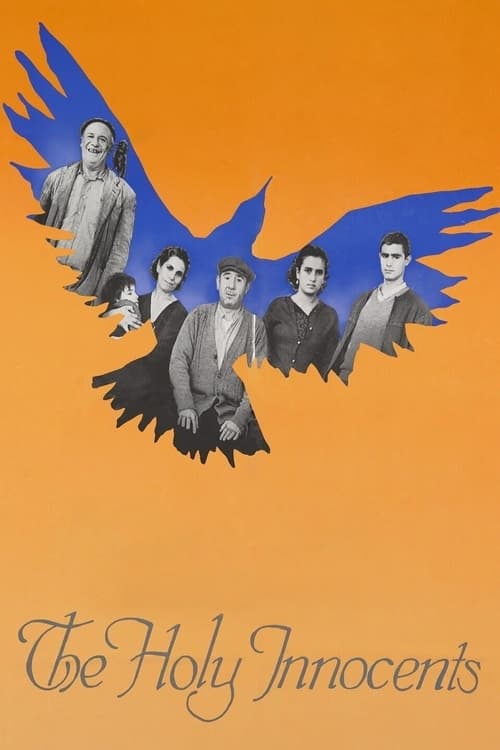
In 60s Extremadura, Paco el Bajo and his relatives work during day in a farmhouse, and silently suffer submission to their masters, who exploit them and treat them almost like animals. Meanwhile, Paco dreams that one day his children will be able to study.
The Holy Innocents
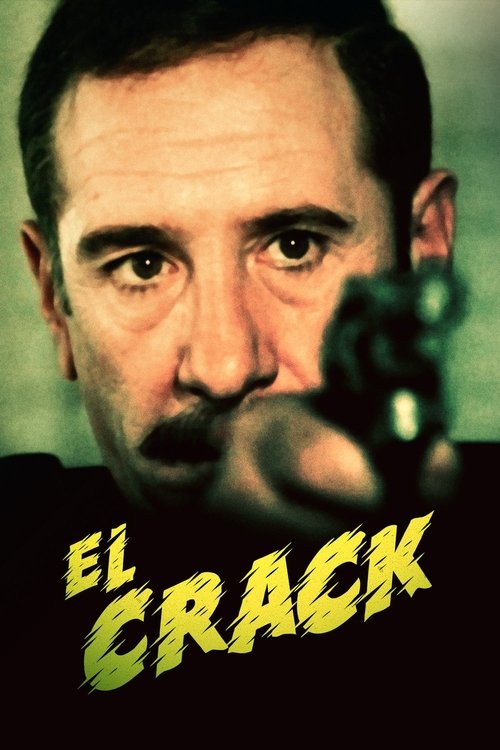
Private detective Germán Areta el Piojo gets a terminally ill client who wishes to see his long lost, runaway daughter before he dies.
El crack
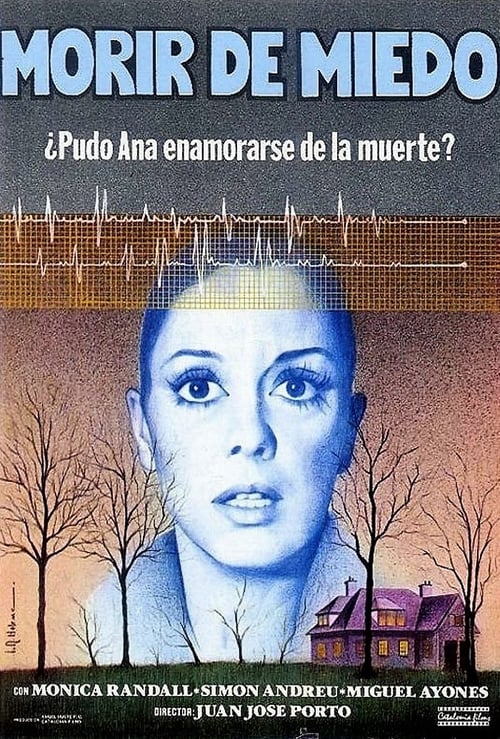
No description available.
Morir de miedo
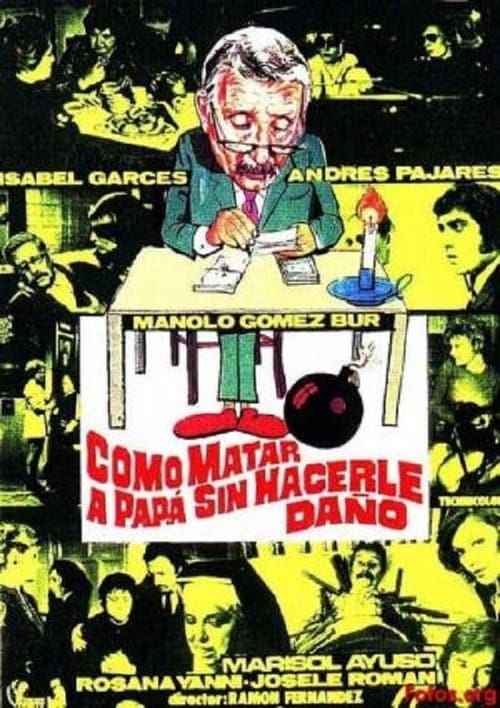
No description available.
Como matar a papá... sin hacerle daño
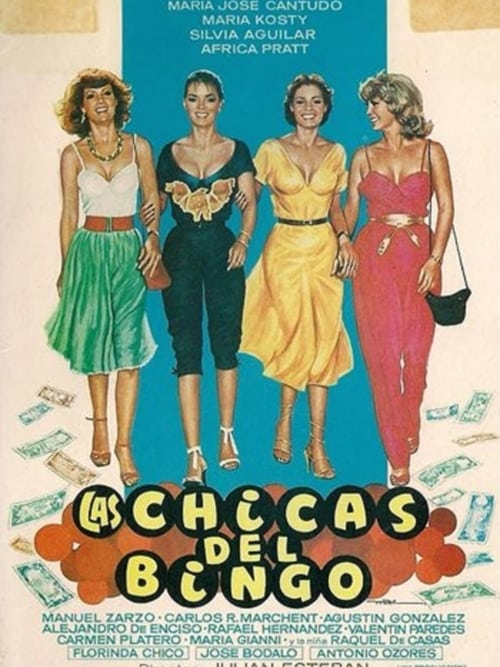
The movie tells the story of four beautifull and young girls: María, Pilar, Patricia and Virginia. They all work at the bingo and while they sell bingo cars they fill the room with smiles, happyness and excitement. But not all in their lifes is a game. They have all type of problems and dificult situations at work: the harassment of men, the quirks of the players ... but by the end love will win, as well as the joy of life and optimism.
Las chicas del bingo

A Nobel prize winner returns to his natal city looking for his home.
Begin the Beguine
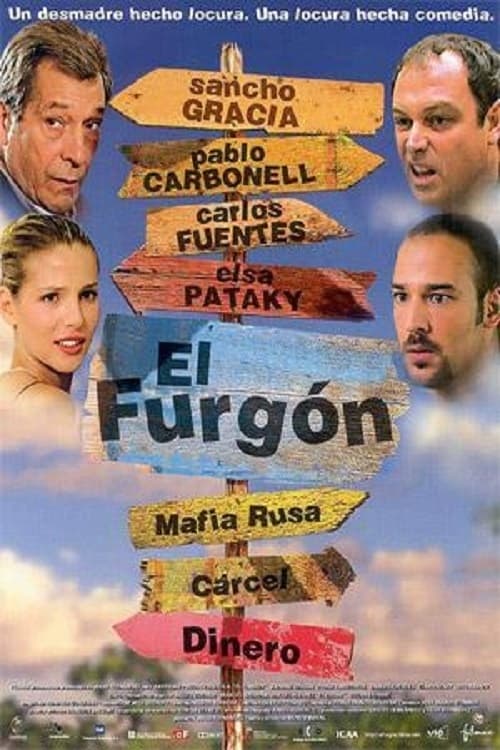
Three second-rate delinquints - a retired, crippled pickpocket, a man born and raised in a prision who's never seen a day of freedom, and a young loser - escape from the police van that is taking them back to prison when it crashes. They jump a freight train and make their way to the Mediterranean coast, and hide out in an isolated mansion by the sea. In spite of the fact that it's the off-season for tourism, the house seems to be well maintained and strangely well stocked. Almost as strange as the sudden appearance of Nina, a young foreigner, whom the three fugitives have no choice but to hold against her will. However, when Nina is followed by some shady Russian mafia figures, our 'heroes' become accidentally involved in a plutonium-trafficking scheme. In this fast moving feature nobody is what they seem and three escaped criminals turn out to be the only ones amidst lies, plots and seduction who act in the name of honesty.
Escape
No description available.
El alcalde y la política
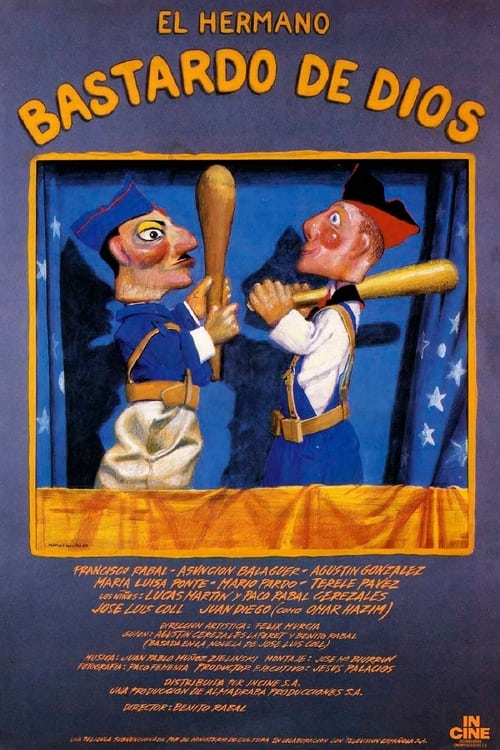
This drama concerns a seven-year-old boy, Pepe Luis (Lucas Martin, as the younger Pepe and Paco Rabal Cerezales as Pepe at ten) who lives through the rise of Franco and the ensuing years under the fascist dictator. Presented from the perspective of the young Pepe, the Civil War and Franco are irrelevant to his own concerns: daydreaming about a pretty girl he likes, fighting with other boys, helping the priest at a funeral service, and similar activities. Pepe lives with his uncle and grandparents, and whether he is aware of it or not, the war impinges on their lives in several ways. The title of the film derives from little Pepe's contention that God is not responsible for the war, just some "bastard brother" of the Creator.
El hermano bastardo de Dios
No description available.
Paco, mi padre
No description available.