Acting
No description available.
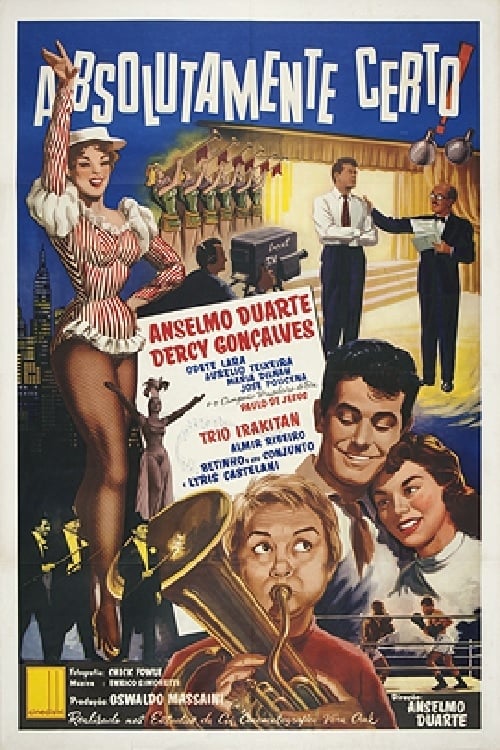
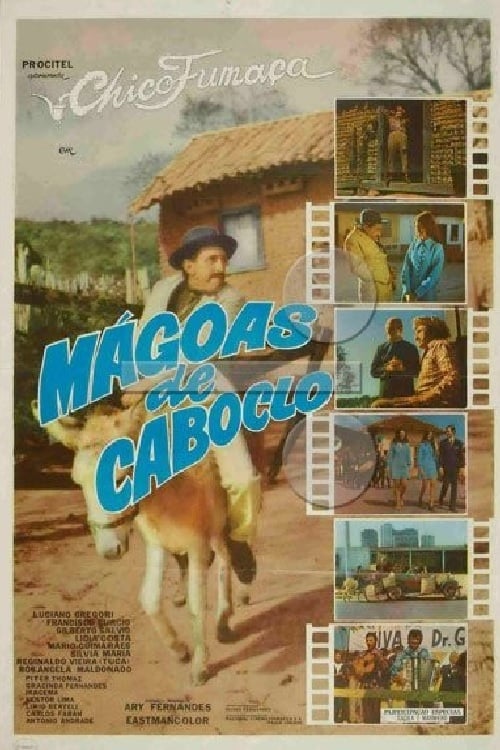
A man who's memorized his town's telephone directory tries his luck on a TV Show. But a small group of people who control the bettings in town try to get advantage of his simple-mindedness.
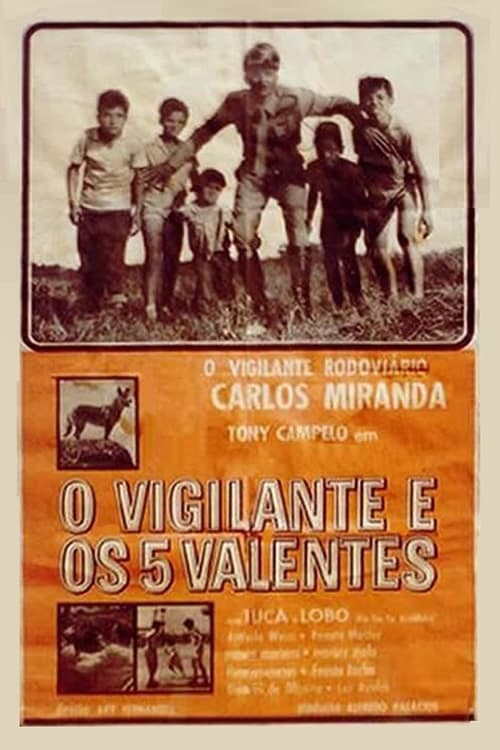
Adventures of a highway patrolman and his German shepherd dog Lobo, fighting against crime.
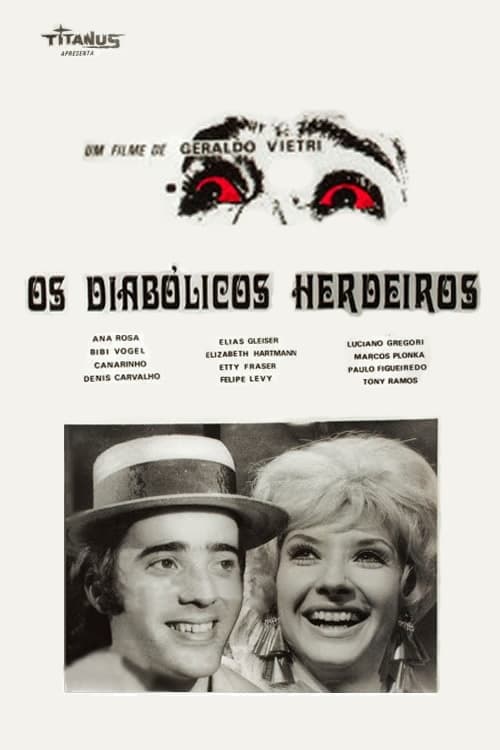
Thirteen people from different parts of the world are chosen by an English nobleman to share his fortune. After his passing, they gather in his castle. However, the heirs begin to be murdered, one by one.
Ricardo is a well-educated painter who marries Ana, a poor market vendor, out of love. But Ricardo finds no inspiration for painting in marriage. Ana's demands for a more comfortable life and harassment from criminals lead him to become involved in a criminal scheme. Luckily, he escapes unharmed when the gang is apprehended. Discouraged and remorseful, he returns to spending time with old friends, but his anguish intensifies. One day, the police knock on his door.
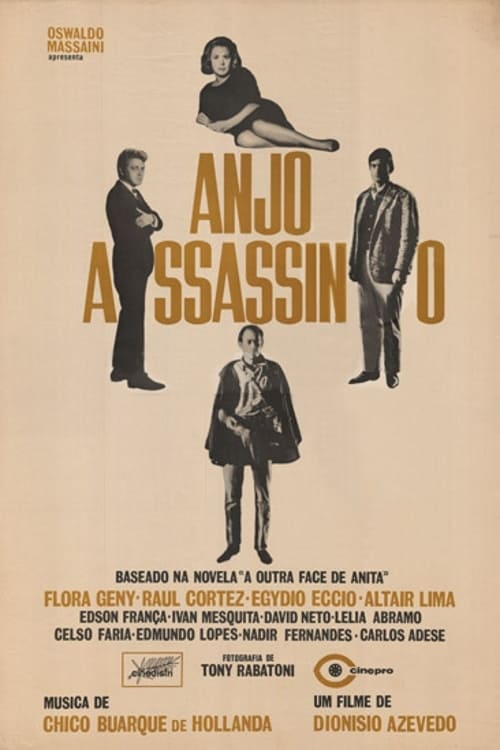
Intrigues and mystery involve the murder of Vitor, a member of an important family, just when he was trying to save his economic empire from bankruptcy. In court, a beautiful woman becomes the center of the entire plot.
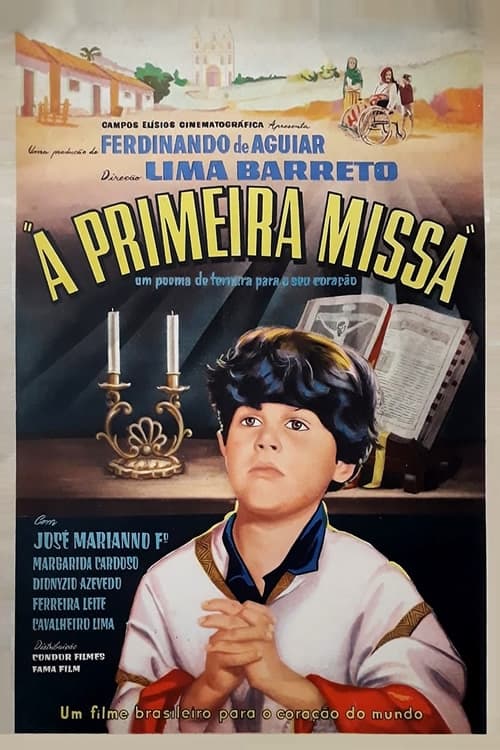
Meant principally for a sympathetic audience, whether Catholic or not, this routine story about a priest's receiving the call to the cloth may be a bit slow and theatrical for some viewers. Directed by Lima Barreto, the tale is told in a series of flashbacks as the priest remembers how he was transformed as a child into a person willing to give his life in service of the church and his God. Barreto also scripted the story, which in the end, may be too filled with religious platitudes and preachy overtones to effectively convey its message.
Aquiles Taveira is a civil servant harassed by his own family's financial demands. Tired of it, he decides to fake an embezzlement at his work and runs away to the seaside resort of Guarujá, where he manages to live peacefully, for too short a time.
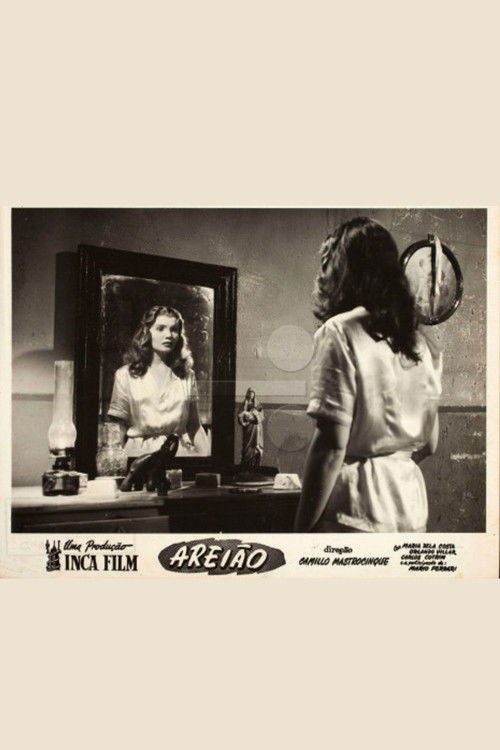
Camillo Mastrocinque was one of many foreigners who came to Brazil in the 1950s to make films. The director of melodramas during the Italian fascist era directed this film, AreiĂŁo (Inca Film, 1952), which could have spared Maria Della Costa. The film was renamed La priggione di sabbia to compete at the Venice Film Festival, but was rejected.
Country girl arriving in a big town falls in love with her boss, without knowing who he was.