Acting
No description available.
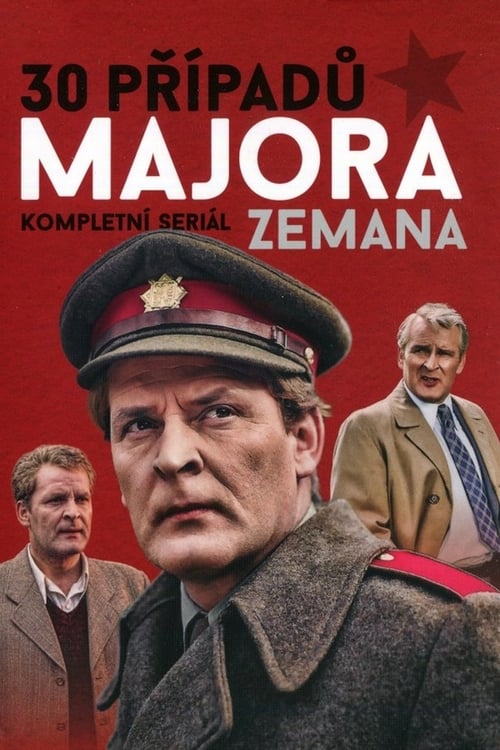
Thirty Cases of Major Zeman is a Czechoslovak action-drama television show intended as a political propaganda to support the official attitude of the communist party. The series were filmed in the 1970s. Each episode encompasses one year, and investigations are stylized to that year. Most are inspired by real cases. The series follows the life of police investigator Jan Zeman during his career from 1945 to 1975.
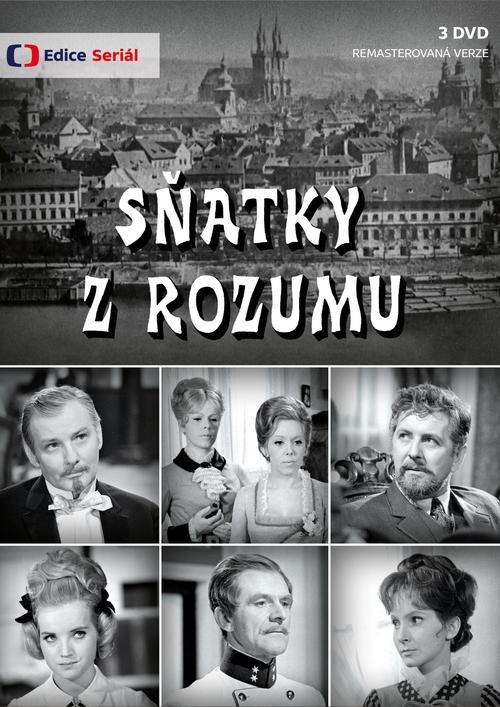
Sňatky z rozumu was a Czechoslovak television programme which was first broadcast in 1968. The programme was directed by František Filip.
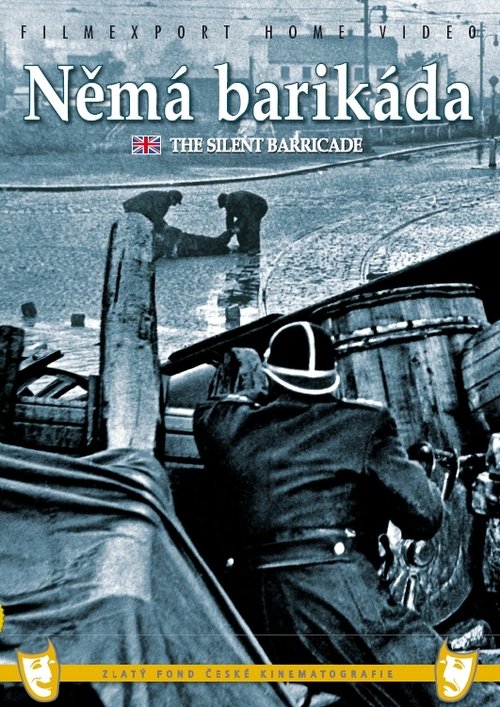
A fiction piece centered around the Czech resistance to the Nazis.
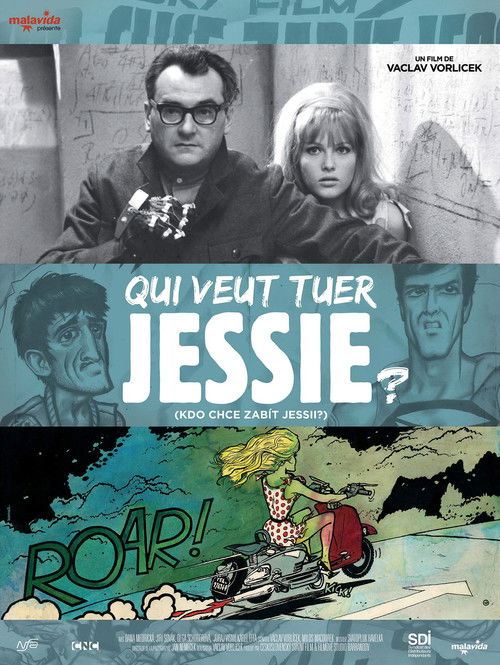
In this zany Czechoslovakian comedy, a scientist invents a machine that projects a sleeping person's dream on a screen; disaster soon follows when the machine malfunctions and the cartoon-like dream characters become very real!
Documentary by Jan Kadar
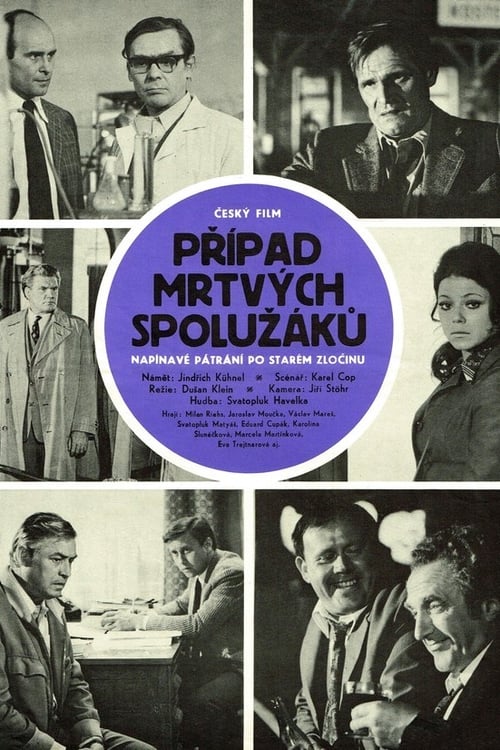
Three detective stories from industrial Ostrava. Police search in vain for a missing 16-year-old girl, but succeed in finding a mentally disturbed infant kidnapper. In a case of robbery, at the cost of injuring one of the investigators, they manage to apprehend a lover fleeing with stolen money across the border to Poland...
At the centre of the story is Miss Lenka Stříbrná. An attractive, but a little strange young woman. The gym teacher Vasek is shy and very clumsy with women. So he asks his friend, the editor Karel, for help. The experienced seducer willingly seizes the opportunity and tries to win Lenka for himself, but all his efforts fail due to her stubbornness. Gradually, this comedy-tinged love etude gives way to drama. It culminates at an editorial party at the Slap Dam, where all the characters in the story meet unexpectedly and editor Leden finally understands what Miss Silver's flirtation was all about.
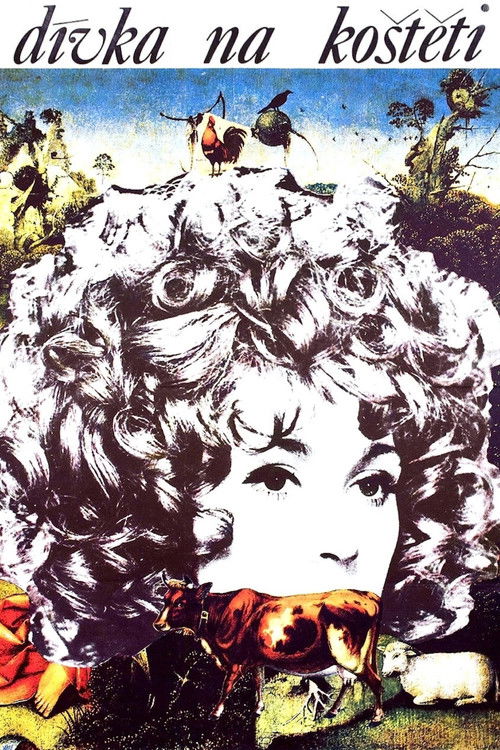
A teenage witch, frozen in time as a punishment for 300 years, finds herself in a modern world.
Innovator Ludvík Zach is in love with his technical data and improvement proposals and does not believe that women could be able to understand these problems. However, on his way back from a conference, he meets Jarmila, an electromechanic, and arranges a meeting with her. He would prefer to talk to her about technology, but he discovers that Jarmila is more interested in poetry and music...
It is 5 May 1945 and the uprising against the hated German occupiers has broken out in Prague. The Czech guards open the gate of the Pankrác prison to allow the prisoners to escape en masse. Many of them are shot dead by the German guards but young Ruda (Jaromír Hanzlík) manages to run away. He is taken care of by one of the Prague fighters, concierge Kytka. Kytka hides him in the flat of the house's owner where only the young maid Karla (Jana Brejchová) is left, ordering her to take care of Ruda.
The leader of the emerging organized labor movement in the 1880s, Ladislav Zápotocký-Budečský, is exiled to his native village, where he works as a tailor and continues to raise social awareness among members of the working class.
To cure skinny five-year-old Pepánek, the doctor advises prescribing proper eating habits instead of pills. If his mother organizes the household better, she will have enough time for her son, for reading, and for her husband. The Ministry of Health’s mentoring guidance shows, with friendly indulgence, how to avoid parenting mistakes, and to enrich society with the next generation of pioneers.