Acting
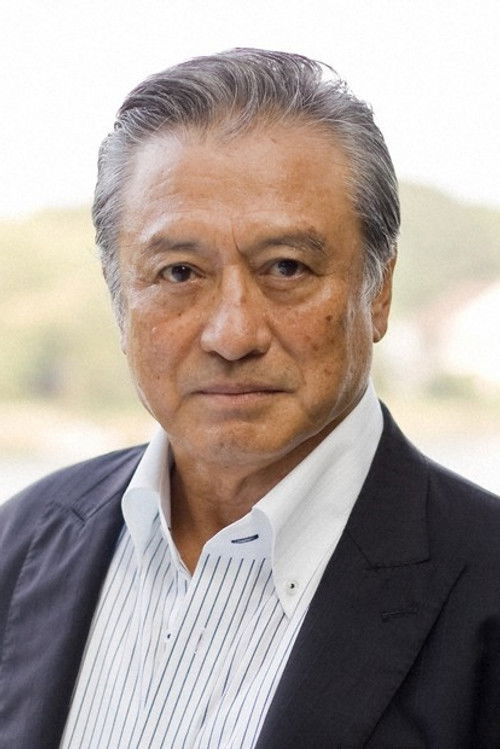
Seiichiro Kameishi was a Japanese actor, lyricist, scriptwriter and author.
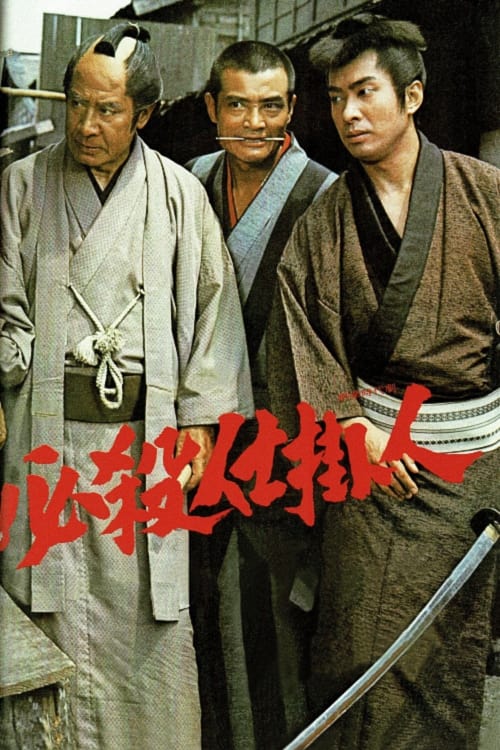
A shikakenin was an under-the-cover trade that undertook killing in Edo. Hanemon of Otowa, an agency that introduced laborers and maids, was also one of these. Katsugoro Iseya was a timber dealer who had come in as a client. His target was the constructions magistrate Hanno, and the Tatsumiya who sipped on the benefits. Hanemon who had a stong code towards killing, where he would only kill those who do no good to be in the world, accepts this request. Baian Fujieda, a needle doctor would carry out the killing. However, the professional killer Baian fails to bring down Tatsumiya. Hanemon then looks to another shikakenin, the ronin Sanai Nishimura for the role. Although Sanai's ability with the sword is good, he lives poorly in a tenement, and accepts this commission on the condition that it is kept a secret from his wife and child. Here, they close in on Hanno and Tatsumiya again...
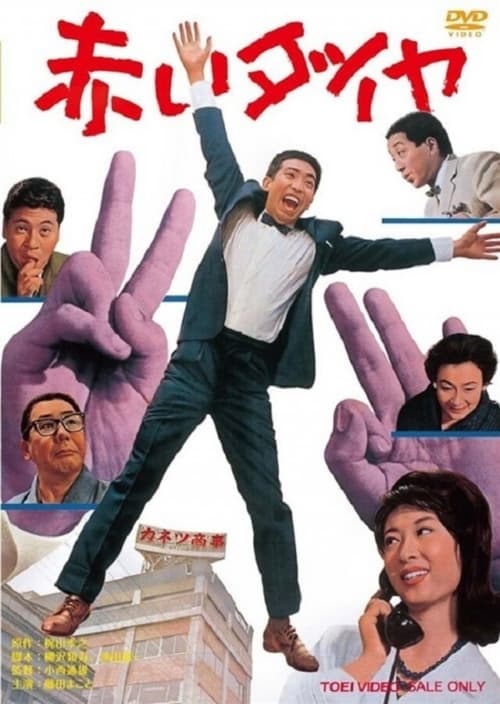
After losing all his money, Kizuka Keita, a seller on the black market, is trying to commit suicide. But he is saved by Morigen, a broker on the azuki beans market. A young man tries to regain his wealth in the bean market.
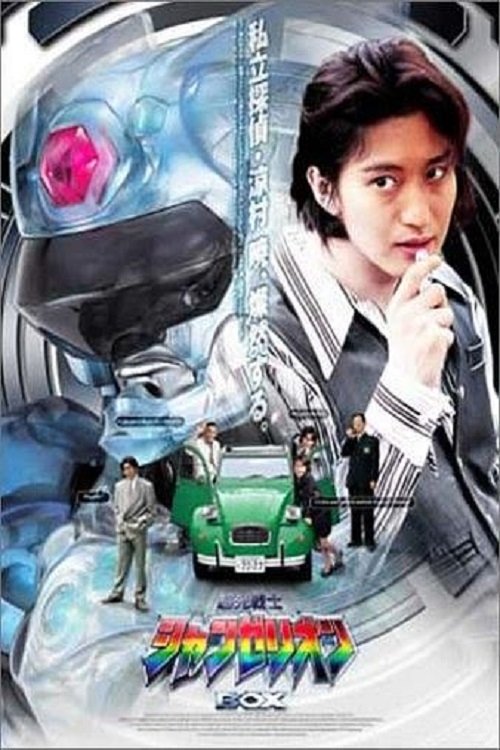
The DarkZide stealthily appeared on Earth from their dying world in Dark Dimension to acquire the Larmu, human life-energy, to continue their existence. To counter the threat, Takeshi Munakata of the Cabinet Secret Service established the group S.A.I.D.O.C to intercept the DarkZide. S.A.I.D.O.C developed the Crystal Power needed to completed the Changérion project. However, the power was accidentally transferred into the body of detective Akira Suzumura.
No description available.
1963 Toei film
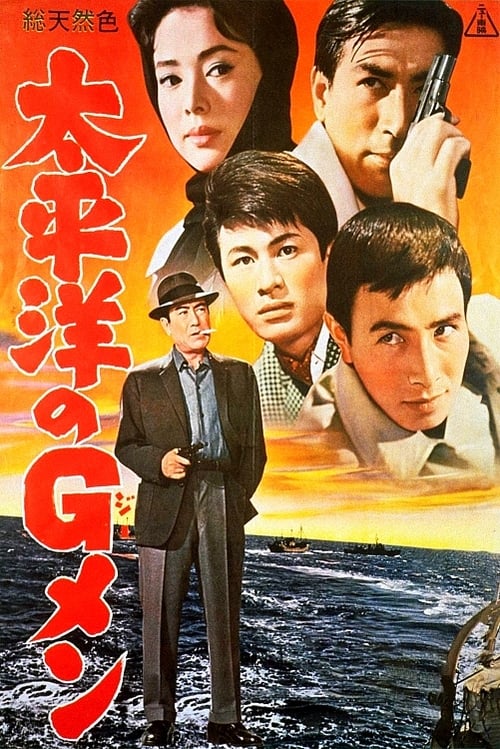
G-men challenge a jewelry smuggling ring. The chase starts in Kyushu and continues to Kobe to Yokohama.
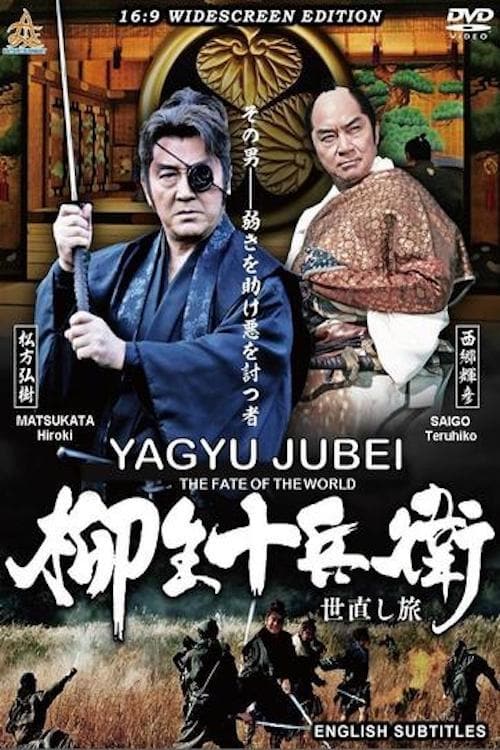
The fate of Tokugawa’s world hangs in the balance as Yagyu Jubei is sent on a mission to discover what happened to 10 of the shogun’s spies that never returned. Matsukata Hiroki, one of the last surviving members of the Golden Age of Japanese Cinema proves that he has not lost a step as he portrays an older and wiser Yagyu Jubei in a movie that brings the best of samurai filmmaking into the 21st century. Summoned from semi-retirement by Shogun Iemitsu, Jubei is asked to take to the road and investigate a clan rumored to be preparing explosives for a rebellion. With help from a beautiful female ninja they head into the Shirakawa domain where the fighting skills of both are tested time and again as they strive to destroy a conspiracy that could bring a new Warring States Era. In the 1960's Yagyu Jubei was the signature role of the great Konoe Jushiro, father of Matsukata Hiroki. This brings the character full circle.
After World War II, their town was a pile of rubble. Gennosuke, the second generation boss of the Kamizu Group was upholding yakuza chivalry by keeping black-market and illegal items out of their open-air market. Taking advantage of the mess, Iwasa and his gang take hold of goods from the US military, black-market and controlled items in order to become the most powerful group in Enko area.
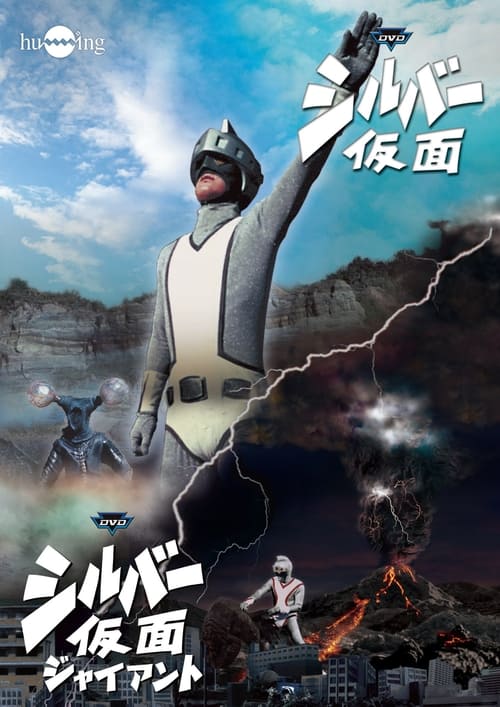
After Professor Kasuga is killed by fiendish aliens for plans to a super-rocketship, his children trek across Japan, protected by the second-oldest brother, Koji, who transforms into the super-cyborg, Silver Mask.
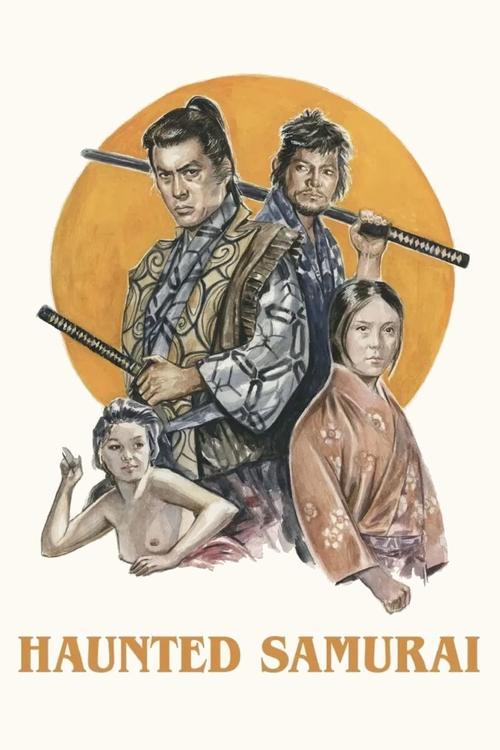
When his sister commits suicide as a result of his actions, Rokuheita, an enforcer for the Yagyu ninja clan, considers his choices and eventually deserts the organization. Hunted by an army of bizarre shadow warriors, the target turns on his pursuers when he finds something worth fighting for.
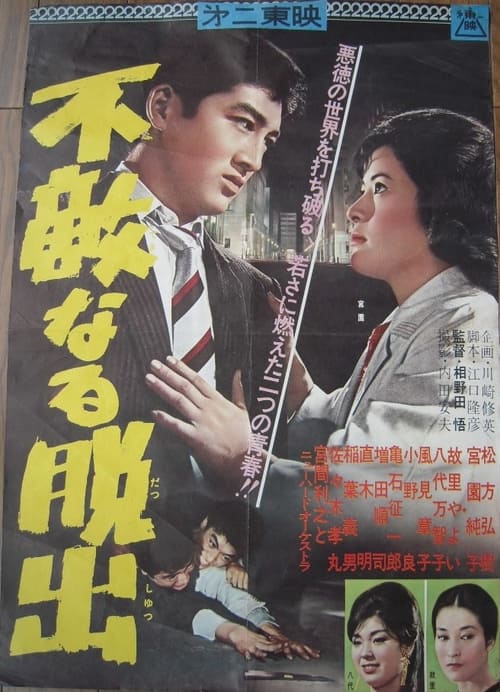
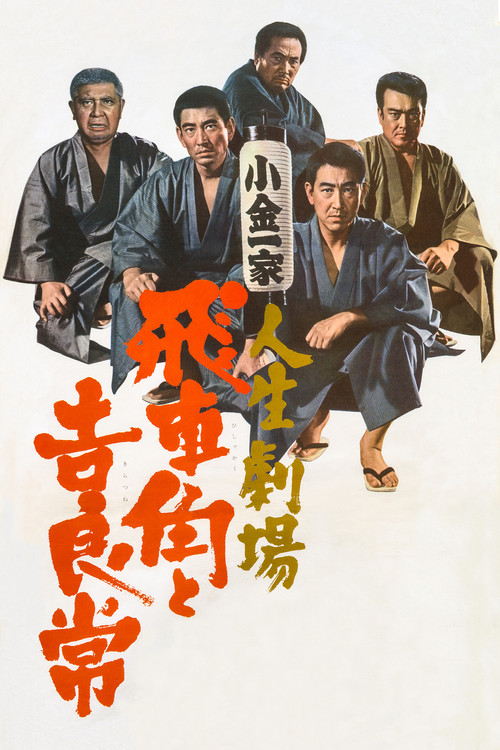
With his penultimate film, Uchida revisited one of his popular prewar titles, 1936’s Theatre of Life, an adaptation of Shiro Ozaki’s eponymous novel. Three-time Seijun Suzuki collaborator Goro Tanada wrote a gangsterized adaptation of Ozaki’s story for Uchida at a time when the yakuza had eclipsed the samurai genre as Toei's main cash crop. Protagonist Hishakaku murders a man in a quarrel over a barmaid and goes to jail. In his temporary absence, his girlfriend Otoyo, a former geisha, falls for Hishakaku’s brother, inciting a dangerous love triangle that, in typical yakuza fashion, ends tragically.
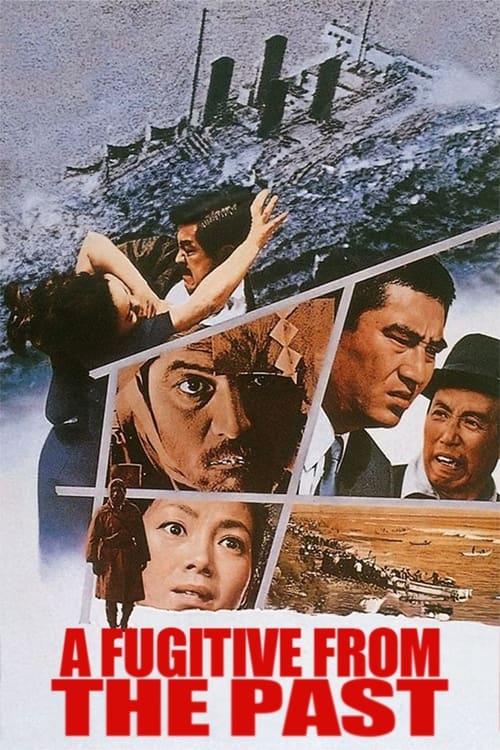
Three robbers escape with loot from a heist before one of them kills the others. Their corpses wash up near the aftermath of a maritime calamity, provoking a policeman's interest.
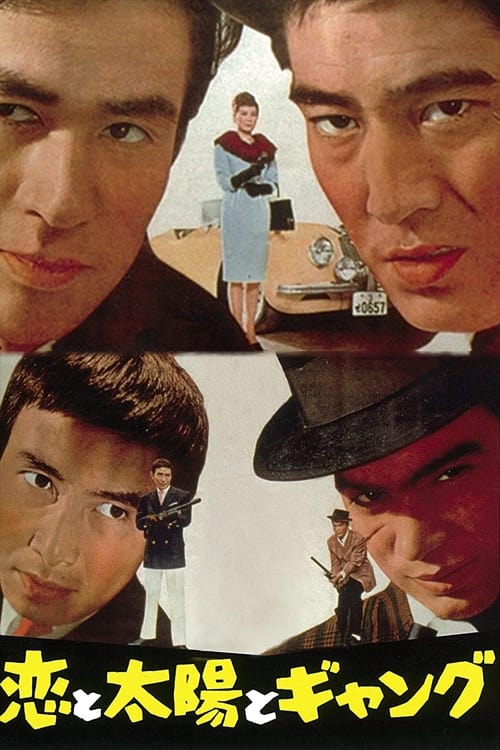
Ishihama is planning a casino robbery with his wife and mother-in-law. They meet a man named Tsuneda who is planning the same robbery and agree to work together.
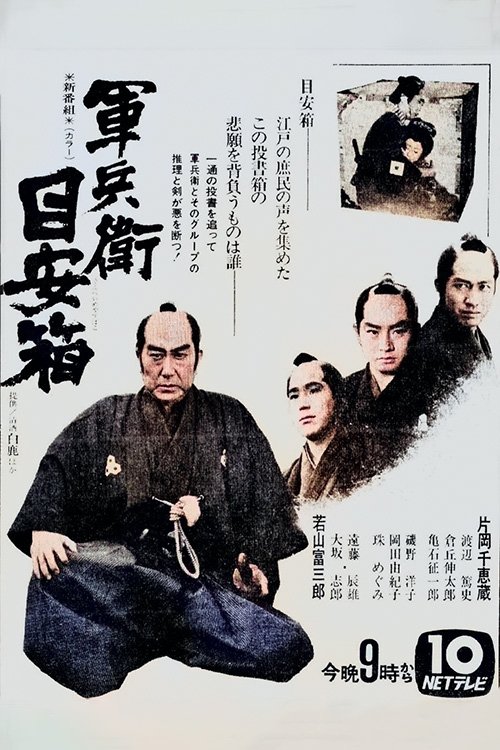
The 8th Tokugawa shogun, Yoshimune, sets up a suggestion box to hear the complaints of the common people. However, not all the complaints were addressed. Kuroda Gunbei, a vassal of the senior councilor Okubo Kaga-no-kami, took it upon himself to pick up unresolved cases. Along with his subordinates, he worked to rectify wrongdoings and bring about resolutions.
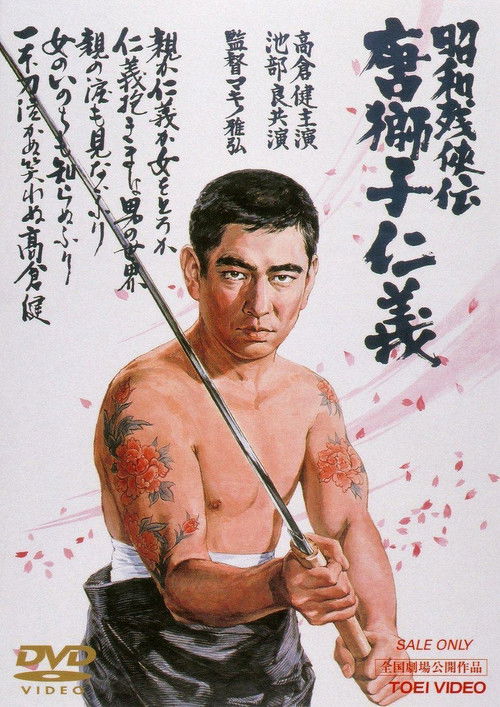
Hidejirō is sent to prison after killing the boss of a rival family. After being released, he discovers that his family has scattered and he is taken in by a company of quarry workers, whose boss has a strict code of non-violence. When the rival family tries to take over the company and kills their boss, Hidejirō must choose between his promise of non-violence and his yakuza code of revenge...
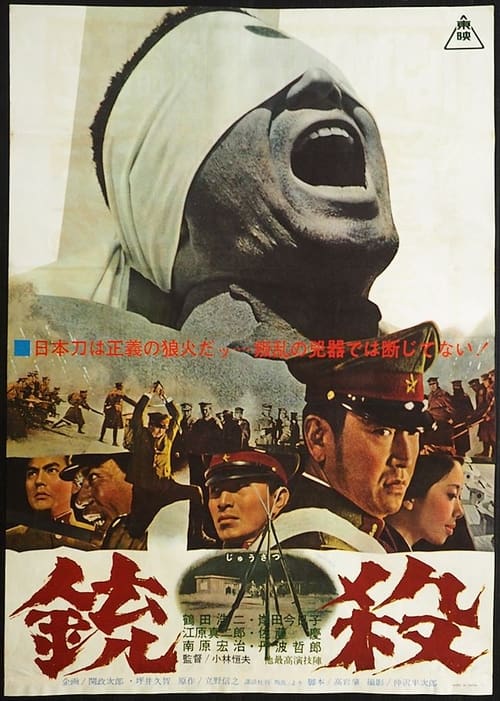
This film tells about the murder of Lieutenant Colonel Aikawa, the head of the Bureau of Military Affairs, about the beginning of the incident 2.26 and the execution of young officers.