Loleh Bellon
Acting
Biographie
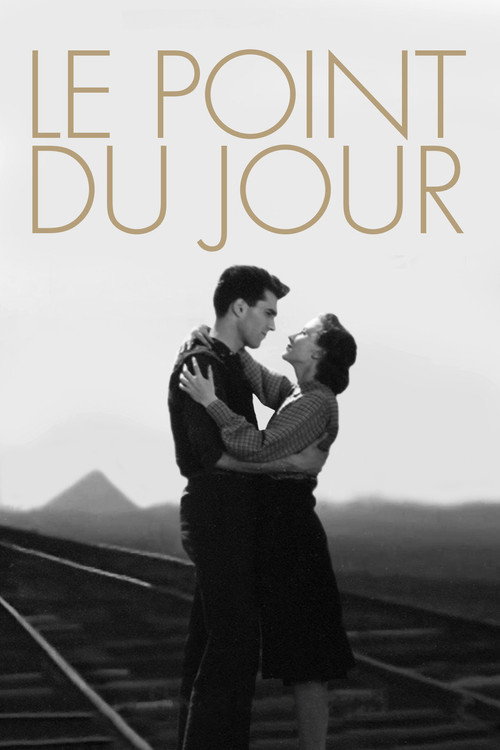
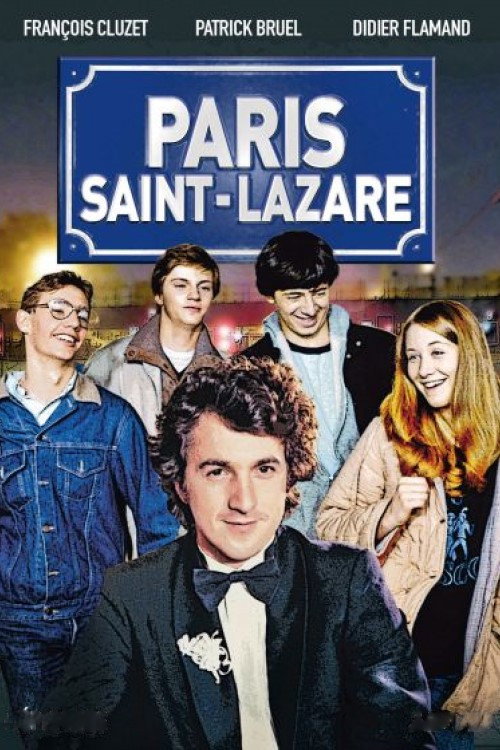
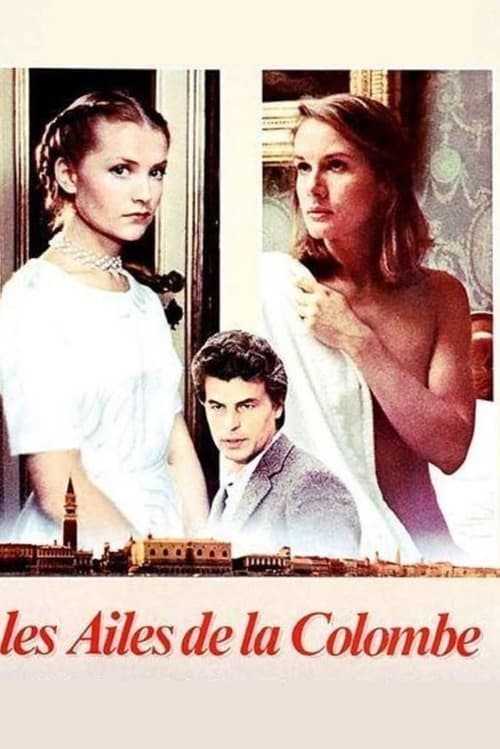
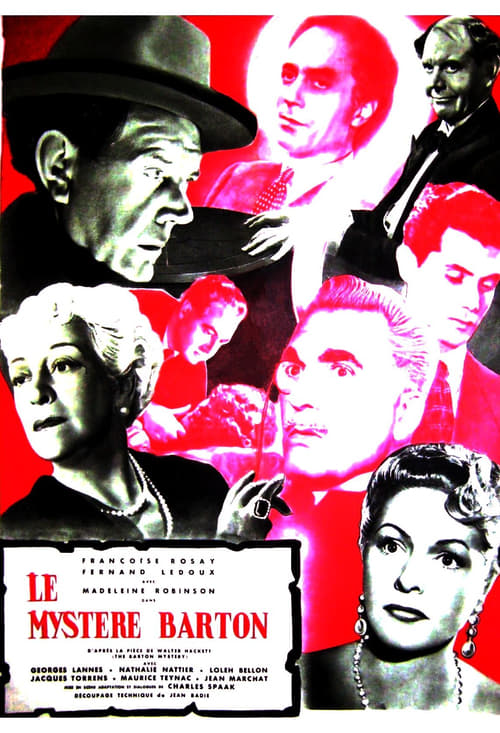
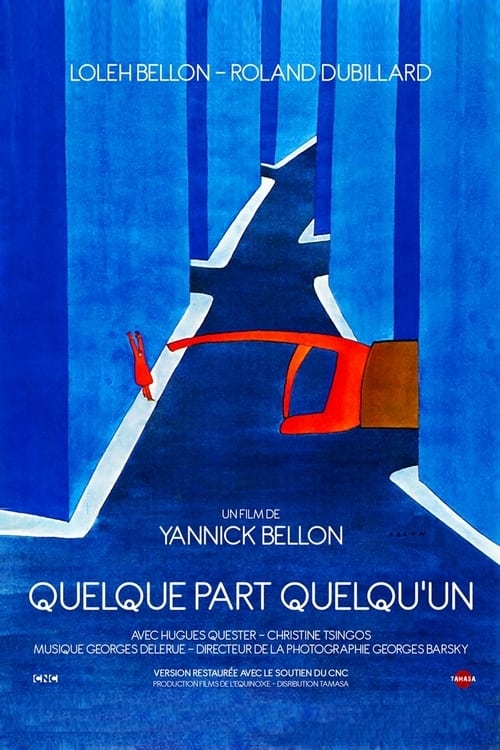
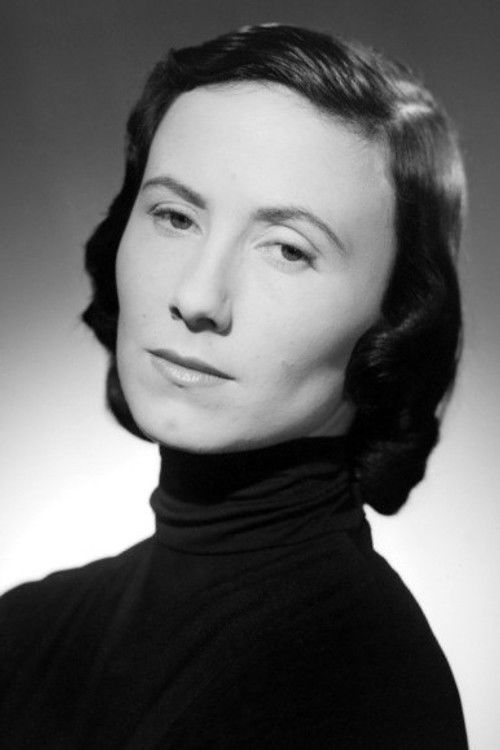
Loleh Bellon, née Marie Laure Viole Bellon le 14 mai 1925 à Bayonne (Pyrénées-Atlantiques), et morte le 22 mai 1999 au Kremlin-Bicêtre (Val-de-Marne), est une actrice et dramaturge française. Fille de la photographe Denise Bellon (1902-1999) et du magistrat Jacques Bellon, Loleh Bellon est la sœur cadette de la réalisatrice Yannick Bellon (1924-2019). Dans son enfance, elle grandit dans le monde du cinéma, de la littérature et de la photographie et devient modèle pour sa mère, pour un certain nombre de publications. Elle est l'intime d'Anne et Gérard Philipe. Loleh Bellon a été l'épouse de Jorge Semprún, avec lequel elle a un fils en 1947 (l'écrivain et éditeur Jaime Semprún), puis, à partir de 1958, de l'écrivain Claude Roy (1915-1997), qu'elle aime «d'un amour de diamant» et auquel elle ne survit que deux ans. Loleh Bellon est l'élève de Julien Bertheau, de Charles Dullin et de Tania Balachova. Elle débute au Théâtre de l'Atelier d'André Barsacq, en doublure de Suzanne Flon, qui, plusieurs décennies plus tard, sera la comédienne privilégiée de ses pièces. En 1949, Loleh Bellon reçoit le Prix des Jeunes comédiens pour Place de l'Étoile, une pièce de Robert Desnos. Pendant sa longue carrière, elle joue notamment, en 1961, pour Jean-Louis Barrault, dans le rôle-titre de Judith, de Jean Giraudoux. André Malraux, présent le soir de la générale, dit à l'issue de la représentation à Madeleine Renaud: «Elle est transcendante, cette petite Bellon». Le nom du personnage principal du livre de Marguerite Duras, Le ravissement de Lol V. Stein, vient de Loleh Bellon. Elle joue, entre autres, pour Peter Brook, dans Le Balcon de Jean Genet, avec Roger Planchon dans Le Cid de Corneille, pour Jean Renoir qui met en scène Jules César de Shakespeare, avec Patrice Chéreau. Loleh Bellon, qui joue surtout au théâtre, tient aussi quelques rôles au cinéma (notamment dans Quelque part quelqu'un de sa sœur Yannick Bellon en 1972) et à la télévision. En 1976, sa première pièce, Les Dames du jeudi, est créée au Studio des Champs-Élysées. Elle réunit un «trio de femmes qui se sont connues enfants à l'école et se retrouvent, la soixantaine venue, dans le logement de l'une d'elles, à l'heure du goûter. Elles parlent de la vie présente et passée avec une délicatesse qui impose aussitôt un «style Bellon» réaliste et intimiste». Pour Suzanne Flon qui joue dans cette pièce, comme dans quatre des pièces suivantes de l'auteur: «Loleh Bellon n'était pas taillée pour le théâtre à thème. C'était une brodeuse qui savait suivre le fil de l'instant, à l'image de ce long instant de belle texture dont sa propre vie fut faite.» ... Source: Article "Loleh Bellon" de Wikipédia en français, soumis à la licence CC-BY-SA 3.0.