Klári Tolnay
Acting
Biography
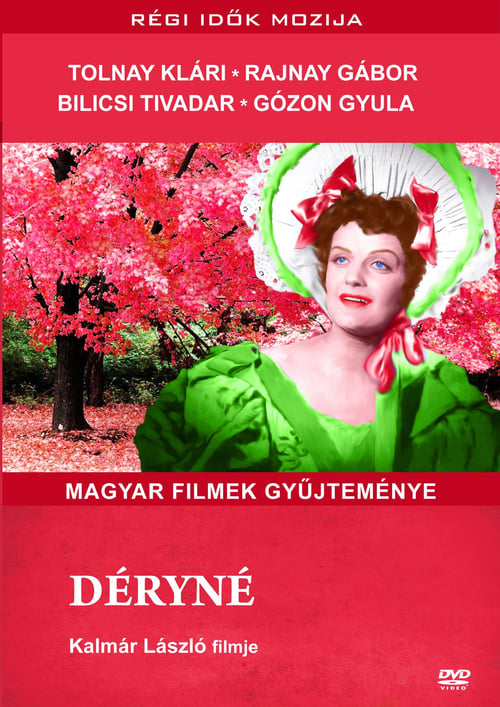
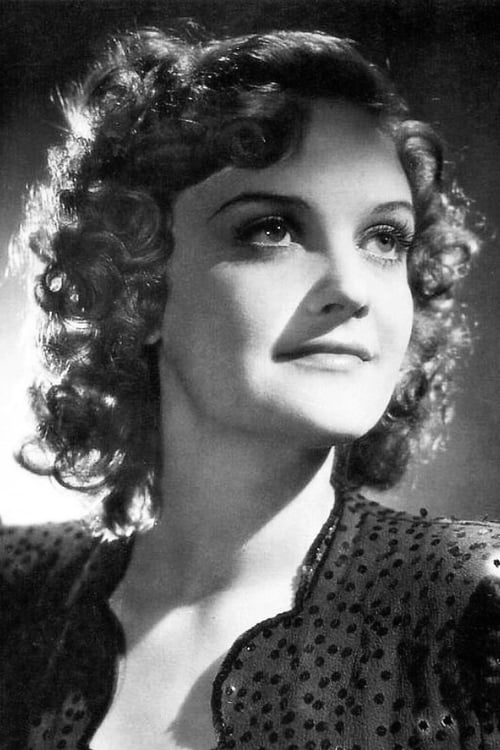
Klári Tolnay (17 July 1914 – 27 October 1998) was a Hungarian actress. Klári Tolnay (born Rózsi Tolnay) was born on 17 July 1914 in Budapest, as the daughter of István Tolnay and Eleonóra Siess. She spent her childhood in the small village of Mohora, Nógrád county, on the estate of her father. Finishing elementary school there, she continued secondary school studies in Balassagyarmat, two years at the school operated by Institutum Beatae Mariae Virginis in Nyíregyháza, finishing high school in Debrecen's School of Business. Singing and playing music since childhood, she followed the advice of newspaper editor János Bókay, and auditioned herself to prominent actors of the time, Gábor Rajnai, Jenő Heltai, and Sándor Hevesi. After these early attempts were not followed by desired results, she was mentored by Béla Gaál, thus starting her career as a film actress at the Hunnia Film Studio. Her first notable role was in Meseautó, after which she was hired by the Vígszínház theatre in 1934, to perform smaller roles. In 1936 she married Ákos Ráthonyi, a director, giving birth to daughter Zsuzsanna 4 years later. After World War II ended in 1945, Ákos Ráthonyi left Hungary, with their daughter following after the 1956 revolution. Leaving the Vígszínház for the Művész Theatre in 1946-7, she met Iván Darvas, whom she later married (but divorced in 1958). In 1947, together with Gyula Benkő and István Somló, she was appointed as the co-manager of the Vígszínház theatre, where she was a major participant in restoring the institution to its pre-war glory. After the theatre was disbanded by the government in 1950, she joined the Madách Theatre, where she worked until her death on 27 October 1998. Description above from the Wikipedia article Klári Tolnay, licensed under CC-BY-SA, full list of contributors on Wikipedia.
Known For

Hungarian Folktales is a Hungarian animated series. Each episode is based on a Hungarian folk tale. The creators paid special attention to using Hungarian folk motives in the episodes.
Hungarian Folktales
Mrs. Holló reports the case of three missing persons to the police. During the investigations, the captain realises that there is nothing to deter Mrs. Holló from her trying to overcome loneliness.
The Widow and the Police Officer

Vili fakes illness so he doesn't have to take a math test. Instead, he starts shooting at sparrows from the window with an air rifle. The kindly old lady who feeds the birds turns out to be a real-life fairy who tries to turn Vili into a good boy.
Willy the Sparrow

A light hearted comedy, from the thirties. One of the most successful ones in Hungary. The ever enchanting story of a beautiful girl falling in love with a rich man.
The Dream Car

When young Tako's father dies in Hungary in 1945, Tako is left with scant memories of him. Nurtured by his mother, the boy fantasizes about the man his father was, imagining him a hero. Grown into a man himself, Tako falls for a Jewish refugee, Anni. Burdened by her own heritage as a Jew, Anni sparks in Tako a desire to find out what his father was really like, and he delves into the role his father played in World War II.
Father

This is a romantic biographical film about Franz Liszt. In a distinguished saloon of Paris, the unknown composer, Liszt, defeats the renown Thalberg at a piano competition. Through his playing, he wins the favours and later the hand of the countess D'Agoult. A daughter is born in their marriage, Cosima. Liszt is better and better known, Marie introduces him to the circle of artists.
Dreams of Love

The story follows the life of a bright and sensitive schoolboy growing up in an old, established boarding school in the city of Debrecen in eastern Hungary.
Be True Until Death

A beautiful and comfortable castle, somewhere in the countryside, in Hungary in the 1930s. The inhabitants of the castle have no idea how to escape their boredom, especially Miss Klári. The two burglars sneaking up on her are just what her courtiers need. They decide not to show their faces, but grant the burglars' every wish. To add to the fun, later on, the inhabitants of the house themselves appear in the drawing room dressed as burglars...
Szerencsés flótás

The story is about a woman who is waiting for the return from the war of her front-line soldier husband. Ilonka and her two children return from the village to their apartment in Budapest. Her husband is held captive by the Americans and awaits the first opportunity to return home, but he does not yet know that his fellow soldiers suspect him of complicity in crimes. In the meantime, Ilonka takes a job in a factory to make a living...
Egy asszony elindul

The grey hero of grey workdays, the divorced cashier of a cinema who is always willing to sacrifice herself for others, Etelka, is awarded a two-week-holiday at Lake Balaton. Following the advice of her female friend, she tries to live life at full speed.
Just a Joke

No description available.
Férfihűség

The protagonists of a comic Romeo and Juliet story full of gags are two widowed pensioners. Nádor and Mrs. Komáromi meet in the cemetery while mourning their dead spouses and they fall in love.
Hasty Marriage

No description available.
A bunker

The movie version of Endre Fejes' short story is based on a case that happened in the early 1960s. A psychopathic working-class boy changes his identity for a few days on his hard-earned money. He pretends to be a Greek diplomat, pays for luxurious dinners, courts elegant women, and of course, always disappears before the engagement. But he falls in love with the beautiful Zsuzsa Christmas and can't leave her in time.
Good Evening, Love

This film describes the narrator's childhood, the years before and after the Hungarian Soviet Republic, in a burlesque and fabulous style and with the humour of a child's fantasy.
There Was Once a Family

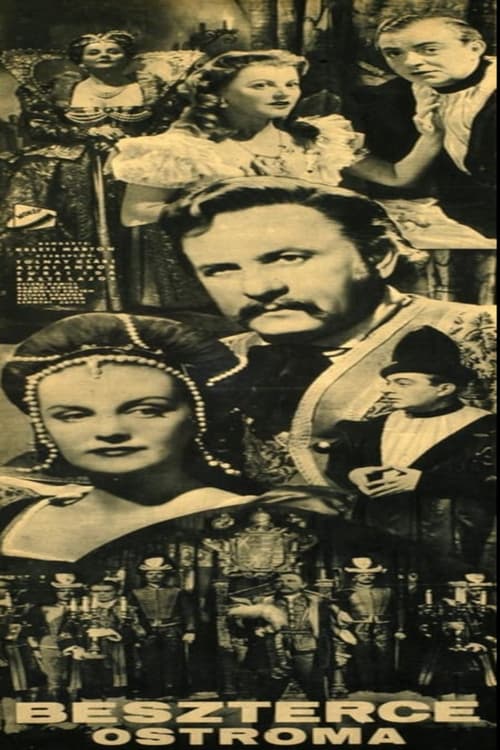
The film evokes count Pongrácz, who, as late as the 19th century, managed to live a life, which reminds one of his medieval ancestor's values. He acts in defiance of the town by fighting his own battle against it, having been offended by the town.
The Siege of Beszterce

The flat of Doctor Bartha is wetting, the Communal Management Enterprise does not act, the doctor and his wife are at the edge of divorce. Géza would marry his colleague, Kató, but mum is sick, the apartment is small, no money. Uncle Károly is fed up with unsuitable, charlatan business managers. Vali would marry, in order not to live on Titi and Piri any more, but the selected man wants to have a woman with her own apartment. All of them have a chance by the lottery, especially by hitting twelve scores.
Tale on the 12 Points

A sequel to "Yesterday". About the defeat of the Hungarian uprising of 1956. The action takes place in the barracks of the People's Army, in the War Ministry and in one of the largest factories in Budapest.
Virrad

Aunt Ilka, who likes company, opens her house standing in the middle of a six-acre rose garden in the little town for the golden youth of the town. As a result of her benevolence, the tenants are in the position to adore not only the roses but a nice bunch of to-be-married girls of the town.
A Rose Garden of Six Acres

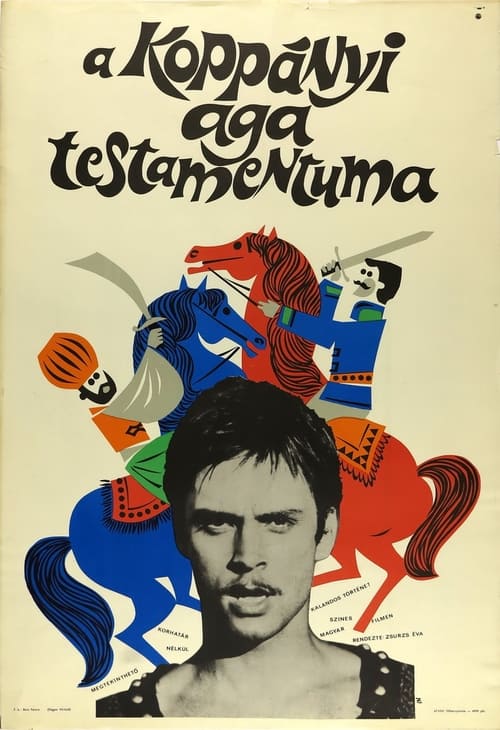
Count Gedeon Boroghy would like to see his last two relatives, Peter and Eva, married, so that the family fortune can pass to their rightful heirs without dissipation. The Count would like to bring them together, so he announces his own death and stipulates in his will that the heirs must stay at the castle for a month, eat together and kiss each other goodbye. The young people, who have already fallen out during their journey, hatch a variety of plans to force the other to break the will and thus lose the inheritance. When it turns out that Uncle Gideon is alive and the will no longer stands between them, they reconcile and agree to comply with the old count's wishes even without an inheritance.