FEEL IT.STREAM
?

Ferenc Kósa

Directing

Biography

Ferenc Kósa (21 November 1937 – 12 December 2018) was a Hungarian film director and screenwriter. He directed thirteen films between 1961 and 1988. He won the award for Best Director at the 1967 Cannes Film Festival for the film Ten Thousand Days.
Known For

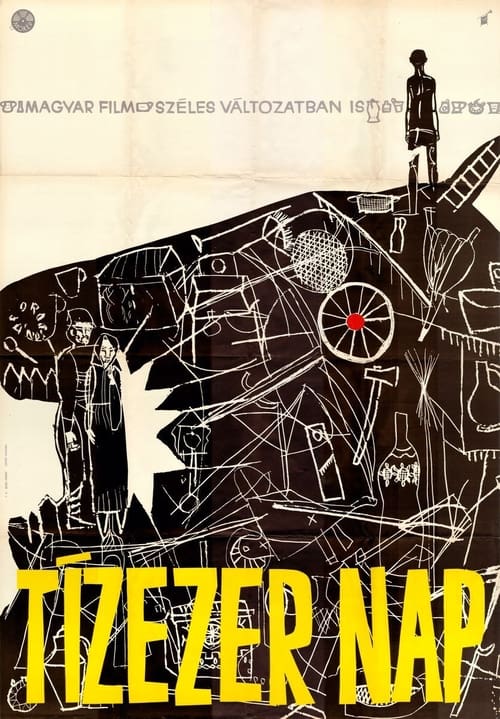
Ten Thousand Days
6.1

The changing and turbulent history of Hungary is seen through the eyes of three men over a 30-year period in this somber drama. The three recall the highlights of their lives in flashbacks as they reminisce in the mid 1960s. The venerable trio begin their story in the 1930s, through World War II, and the decade beyond the communist invasion of 1956.

Ten Thousand Days

1967
Judgement
5.3

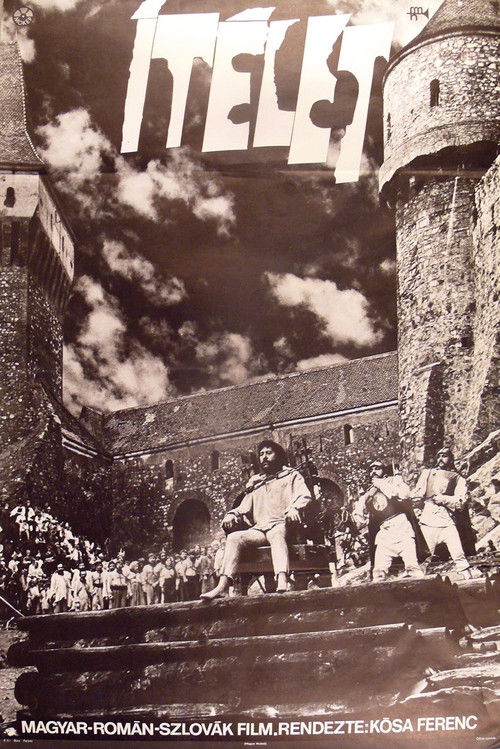
The film is a historic parable about the topicality of revolution. 1514. The peasants' uprising is over, Dózsa has been arrested. Werbőczy tries to get the imprisoned peasant leader deny the revolution and offers him the lives of his people in exchange.

Judgement

1970
The Upthrown Stone
6.7

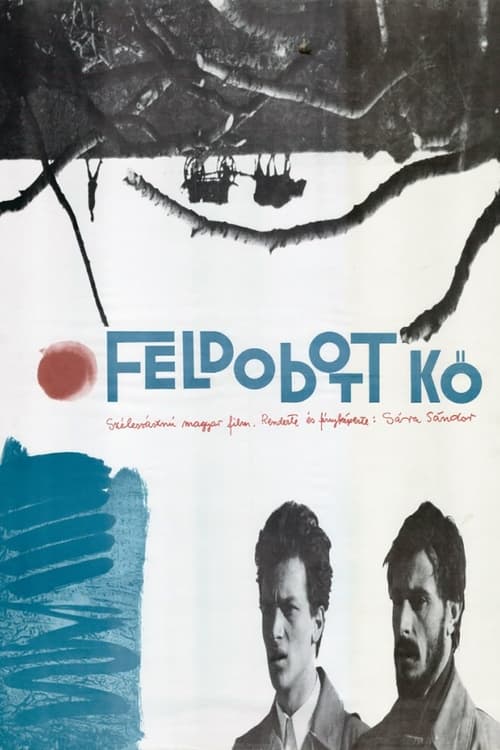
An aspiring film student is denied a scholarship to the state-funded university when his father is thrown in jail. The man had stopped a train in order to facilitate the union between two old friends. The son then takes a job as a land surveyor and meets a Greek man who works towards the collective benefits of the peasants. The man is killed in a peasant uprising prompted by a bureaucratic boondoggle. The surveyor looks after the man's widow as his emerging political and social awareness leads him take a stand against government injustice. Another incident, in which gypsies are rounded up by state hygiene workers, further galvanizes the man's beliefs. He photographs the incident, and his work allows him to be accepted into the school from which he was previously denied admission.

The Upthrown Stone

1969
The Other Person
9.0

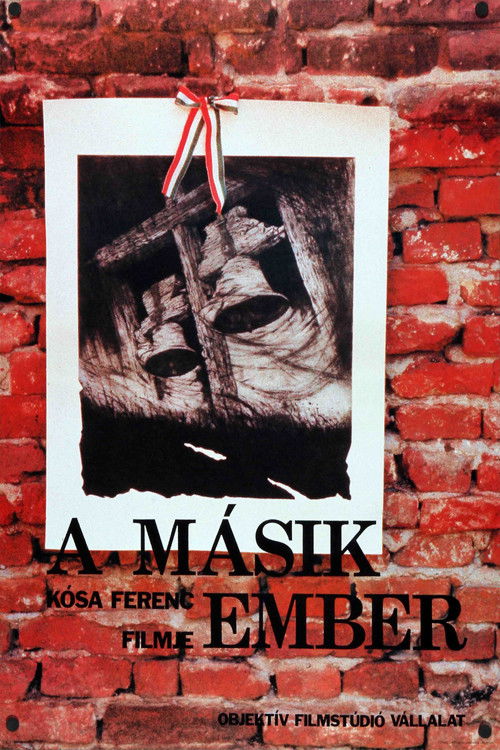
1944. At the end of the war ensign Bojtár gets from the captivity of the partisans into that of the Hungarian Nazi and he escapes at the price of a quasi-murder. He has to hide, the more so because his victim did not die and searches for him.

The Other Person

1987
Snowfall
9.0

In the summer of 1944, a Hungarian soldier commits a murder to earn a short leave from the front, but instead of returning, he chooses to desert. He flees into the desolate Carpathian Mountains with his elderly grandmother, searching for a hidden cave where his parents are rumored to be hiding from the war. Convinced that the world is ending, the pair struggles through the brutal, wintry landscape in a desperate attempt to find sanctuary and outrun the consequences of his actions.

Snowfall

1974
Beyond Time
8.0

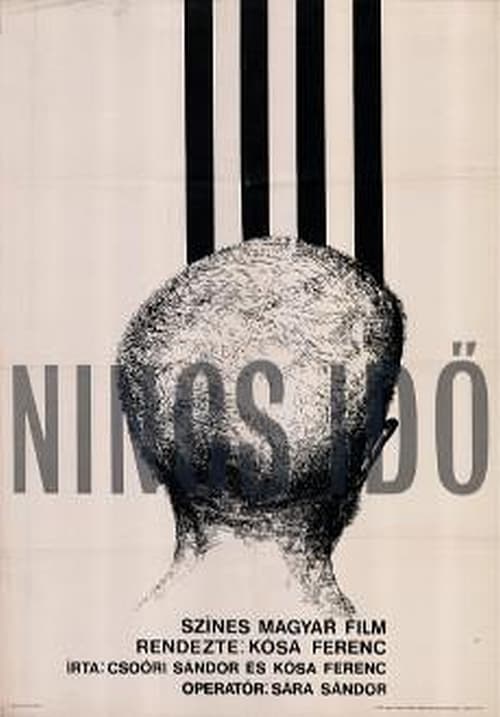
The story of the film takes place in 1929 in a model prison providing a kind of reflection how society works out there. Udvardi, the weakling and indulgent director is experimenting with putting in practice a kind of pseudo-humanist utopia about the institution of a 'civilised prison'.

Beyond Time

1973
Suicide
6.0

Short film about young poet József Attila.

Suicide

1967
The Match
8.0

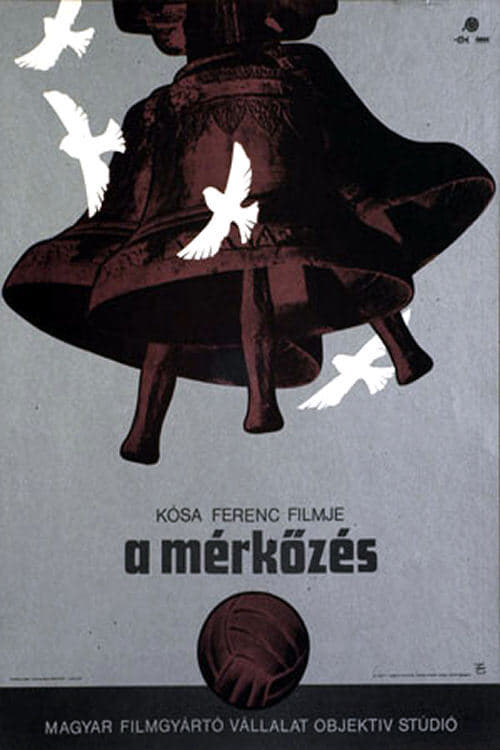
Summer of 1956. In the small town in the Hungarian country-side, during the time the chief of police spends in a course in Budapest, Rigó Dezső is the boss with full powers. He is fighting tooth and nail to help the local football-team stay in the second national selection. During one of the matches, he beats the referee to death.

The Match

1981
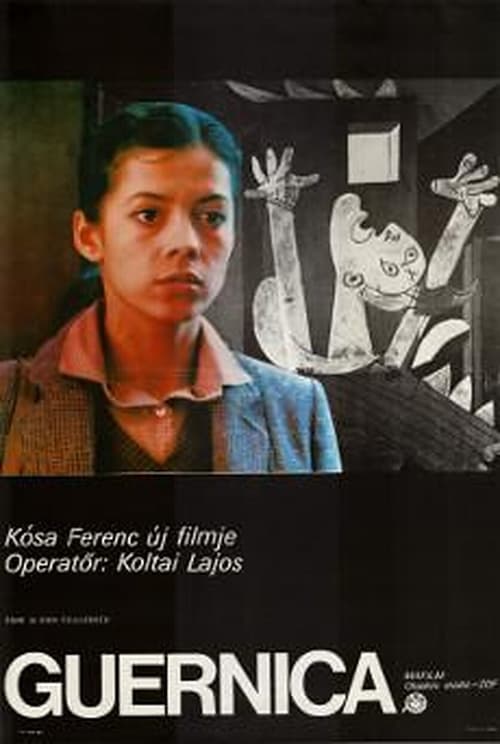
Guernica
10.0

An idealist sculptor is inspired to carve a large relief on a cliffside, commemorating the spot where his pacifist father was executed for his beliefs and for protesting the saber-rattling of the times. The sculptor's inspiration was his visit to New York to see Picasso's famous "Guernica," portraying the inhumanity and horrors of war, a painting that was subsequently returned to Spain. When a young woman watches an interview with the sculptor on television, she is motivated to pay him a visit and the two strike up a relationship. He loans her his apartment in Budapest, though he refuses to sleep with her. Meanwhile, her lover becomes jealous of the sculptor and goes to visit him himself, upon which the two immediately clash because their views on life and politics are so different. Margit has been away to track down the painting of Guernica so as to understand what has inspired her sculptor friend, and when she comes back, she decides to marry her lover.

Guernica

1982
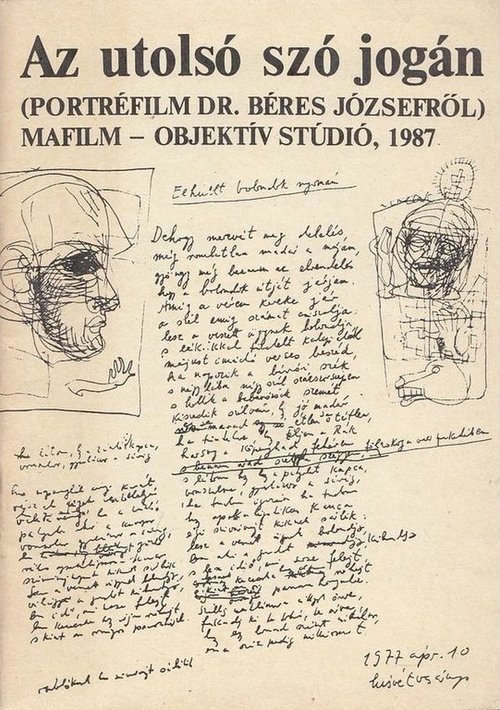
Az utolsó szó jogán
9.0

Documentary about the life of József Béres.

Az utolsó szó jogán

1986
Portrait of a Champion
9.5

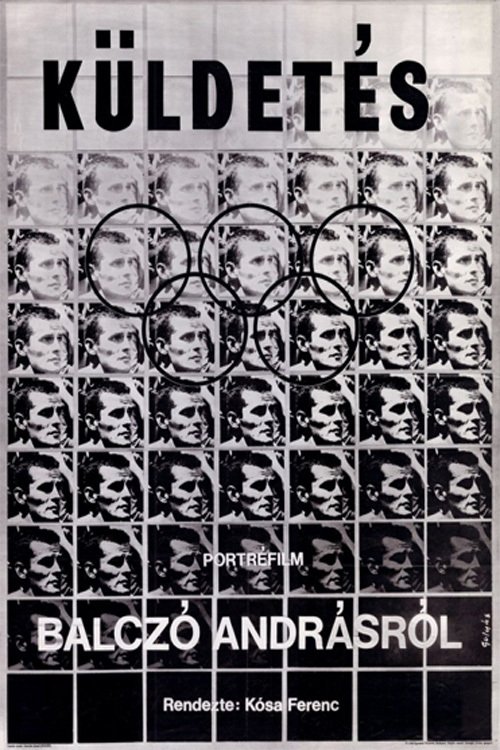
This Hungarian documentary explores the life and career of Olympic Pentathlon champion Andras Balczo. After winning five gold medals in the event, he retired at age 34. He was offered lucrative positions as a coach in many countries but elected to remain in Hungary, despite the fact that he was never permitted to train anyone there.

Portrait of a Champion

1977
Pro Patria
7.0

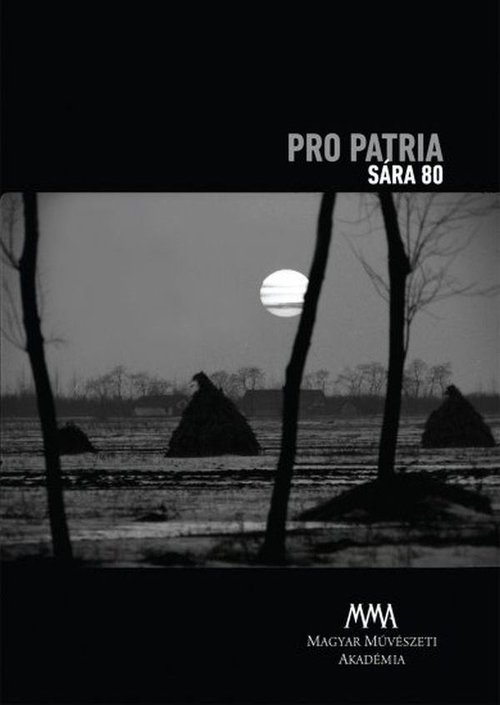
This film constructs an anguished hymn to peace using pieces of movie newscasts, photographs, and monuments about those who have fallen in the Great War.

Pro Patria

1970