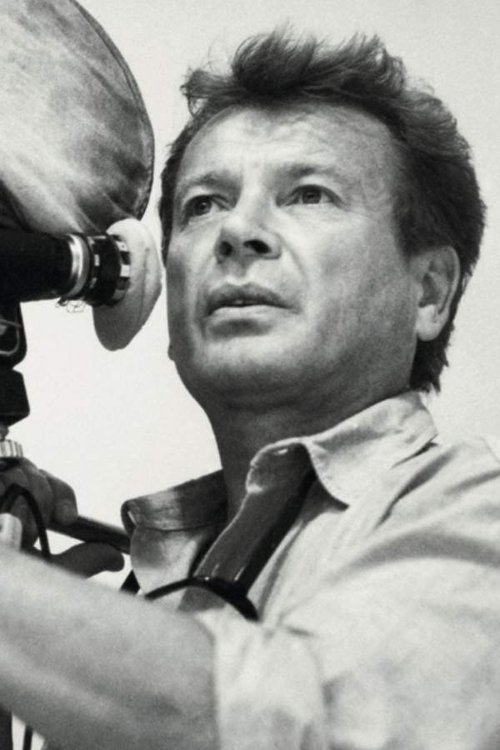
István Gaál
Directing
Biography
István Gaál was born on August 25, 1933 in Salgótarján, Hungary. He was a director and writer, known for The Falcons (1970), Sodrásban (1964) and Legato (1978). He died on September 25, 2007 in Budapest, Hungary.
Known For

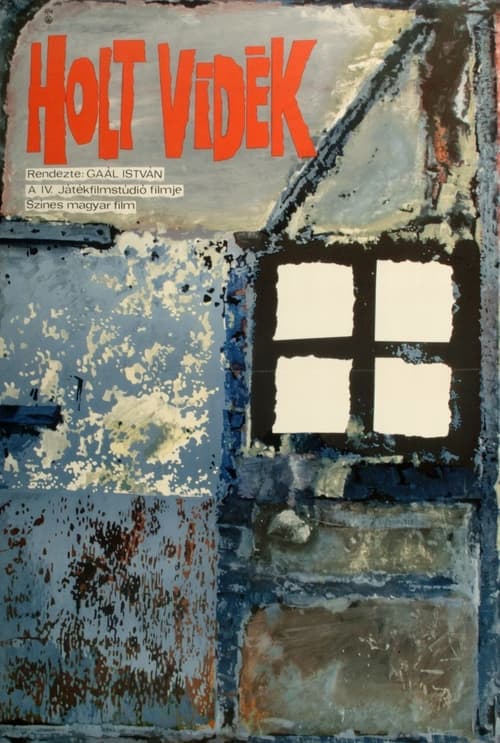
This Hungarian film chronicles the slow deterioration in the life of Juli, a farmer's wife. As the countryside grows ever more deserted because people are moving to towns or large collective farms, she spends more and more time alone. Despite her best efforts to appreciate her situation, her despair grows. The loneliness is briefly interrupted when she and her husband take in an old woman and care for her, but the woman dies. Shortly after her son visits, she is killed in an accident which may have been a suicide. ~ Clarke Fountain, Rovi
Dead Landscape

A group of students cope with the disappearance of their friend.
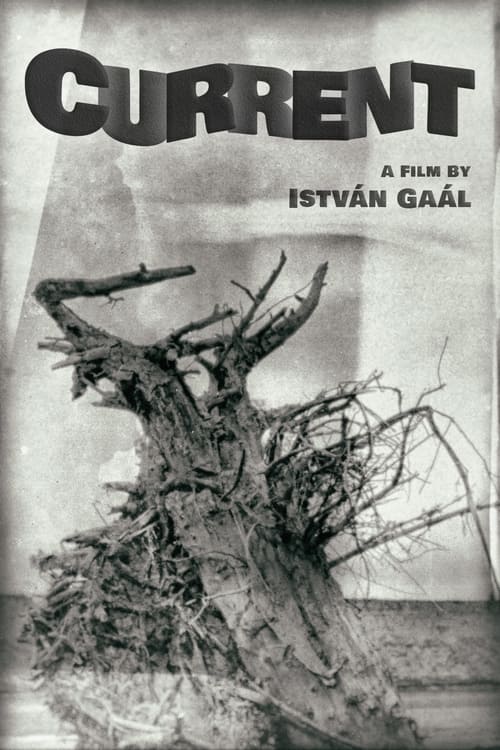
Current

Huszárik's graduation film was another short entitled Groteszk (Grotesque) in 1963 about a strange train voyage of an artist carrying his own picture.
Grotesque

A grey-haired man walks through the fields. Fatigued, but with the same tenacity he roams the roads, the pathways, the tracks every day, medical bag in hand. Everyone awaits him: desperate or in hope, to the dying or to the woman in labour. He is the local GP. In fact, he is film director Imre Gyöngyössy’s father, the protagonist of one of his first short films. The personal narration based on the director’s poem is made complete by the pictures of Sándor Sára and István Gaál who were also active at Balázs Béla Studio at that time.
Férfiarckép

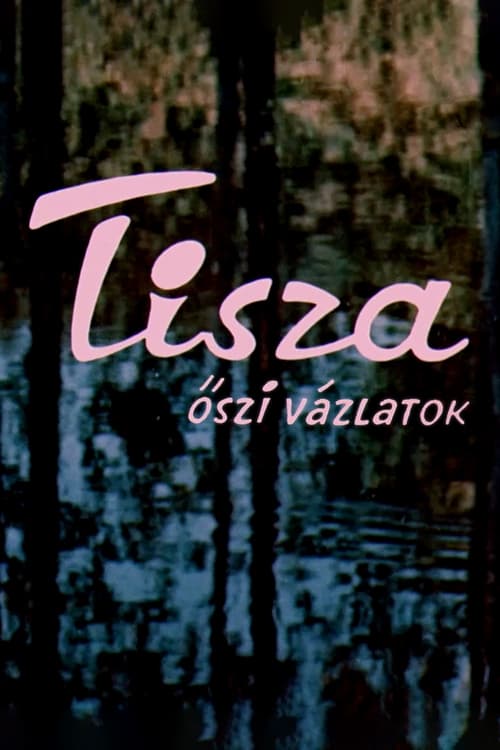
The first signs of autumn are seen in a landscape along a river. Some villagers are stacking a bed of stone blocks on the river-bank to avoid more eroding. Others are occupied by ploughing, fishing or repairing. A small steamboat passes by. In the engine room a stoker is shovelling coal into the oven. Further down the river a small town is passed by the water. A rowing-team is training for coming races. Some biologists are looking at microbes from the water through a microscope. A group of workers are painting a new barge and push it into the river. When a small boy sees a racing boat, he leaves his sand-castle and runs along the river.
Tisza: Autumn Sketches

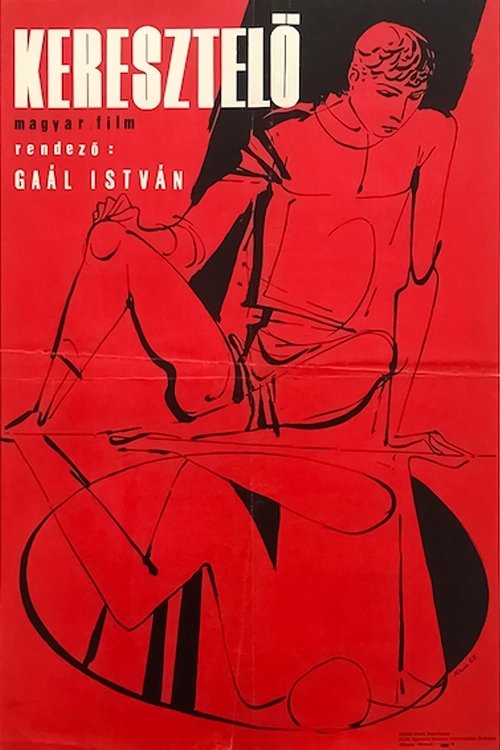
A 40-year-old sculptor returns home to witness the baptism of his young nephew. His return prompts a series of flashbacks to his youth and the political upheaval experienced by his family and friends.
Baptism

A country boy comes to Budapest to study and tries desperately to retain his integrity amid the corruption of the capital.
Green Years

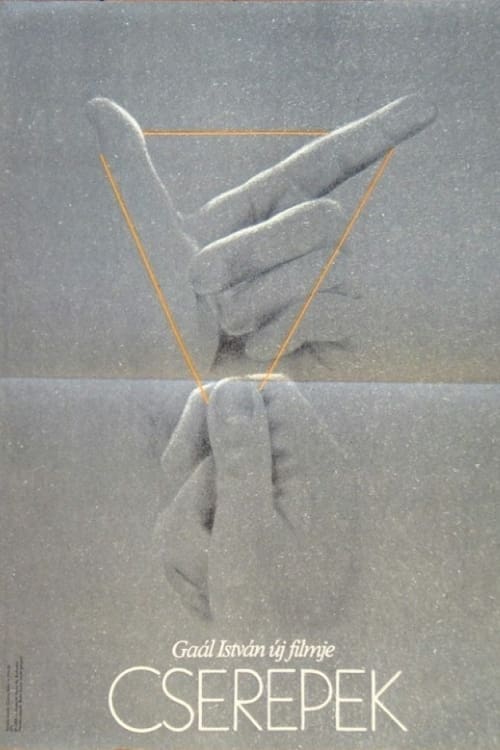
Andras (Zygmunt Malanowicz), an older man employed as a furniture designer, gets a life-jarring shock when he returns from a trip and finds that some of the work he developed has been given over to a younger employee. This instigates a mid-life crisis over his own identity and his sense of security and self-worth, all exacerbated by a recent divorce and estrangement from his son. Recognizing that he needs help, the man goes for therapy and starts to face his problems. Therapy counteracts some of the damage of living, and the man starts to consider his son, his relationships with women, and his father in a different light.
Potteries

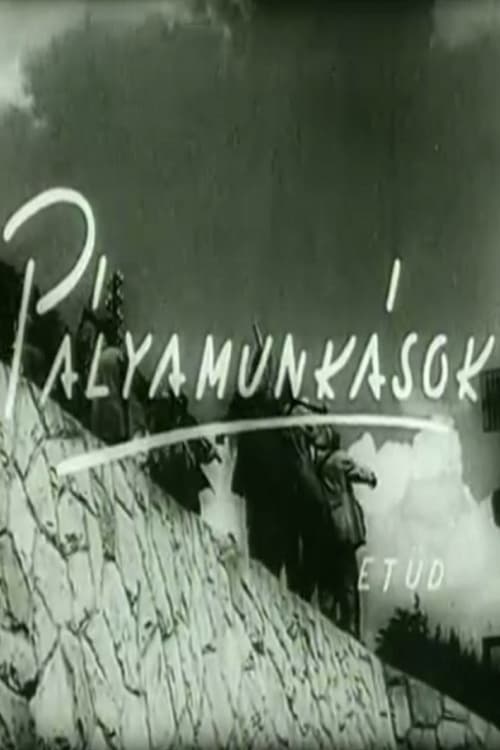
A group of plate-layers are packing the stone-bed under the rail with their pickaxes. They swing their picks in a coordinated, rhythmic way, thereby creating a sequence of rings, when they hit the stones or the rail, which sounds almost as music. When a train passes by, they stand silent beside the rail for a while, and then start the rhythmic beats again.
The Platelayer

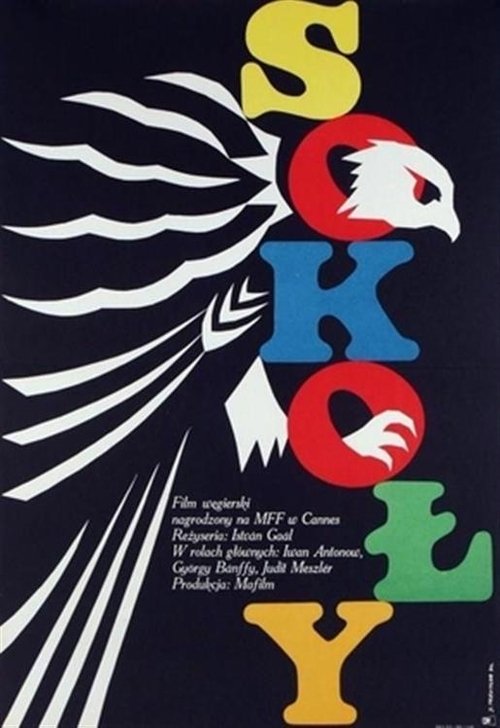
A young man with an interest in ornithology arrives to study the work of falcons and their human trainers. The head falconer is a cold and heartless man who obstinately demands perfection from everyone around him. His work is his life, and he doesn't care if his girlfriend makes love to other men. The young man observes all he can before leaving behind the potentially inhuman situation for brighter horizons.
The Falcons

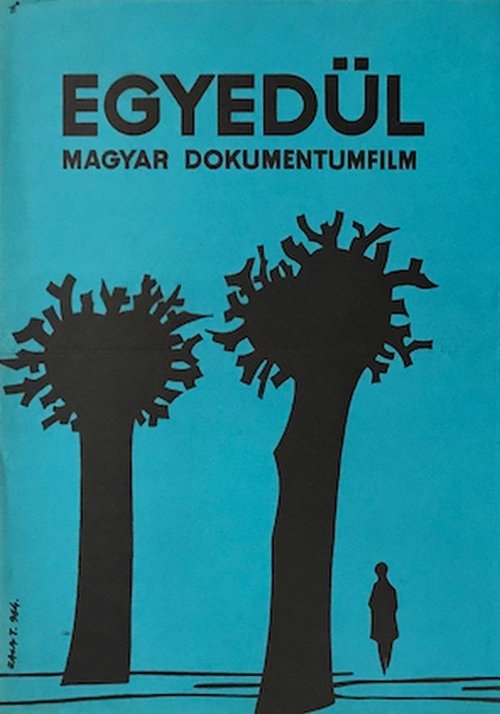
Sándor Sára's meditation on loneliness and the human condition.
Alone

The university student couple, Andris and Mari, cross Nemesbérc during their summer vacation, to hasten the laying of a memorial stone to the memory of András's martyr father.
Legato

Adapted for Hungarian TV. Dreamy Peer Gynt lives in a small Norwegian village high up in the mountains with his mother, Aase, and his grandfather. Peer Gynt's elderly father and grandfather have squandered everything, but the boy could still make the farm prosper with hard work if he wants to work, not just tell stories and hang around. Peer is living in a dream world, wanting to be king or emperor, running after his impossible visions without thinking. He could make a decent marriage with Ingrid, the daughter of a wealthy farmer, but he just dishonours her and runs away. Solvejg loves her with true love and then goes into the woods to hide, but Peer continues to run away to distant foreign lands...
Peer Gynt

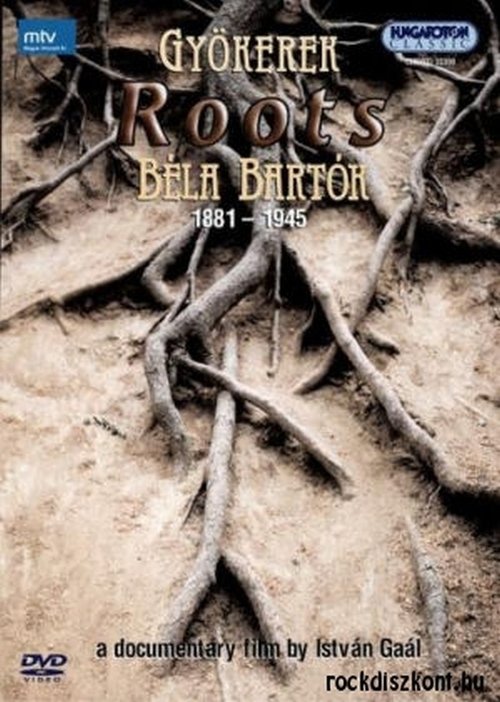
Documentary screenplay, based on letters and writings of the composer Béla Bartók. Musical works composed throughout his life are placed in context alongside the composer's writings from the time. Extracts from all his main works from 1900 to 1945 are included.
Roots
This film shows the Romas' life in Hungary, the prejudices they are faced with when adapting themselves to society, and the Romas' ancient customs which often defy adaptation.
Gypsies

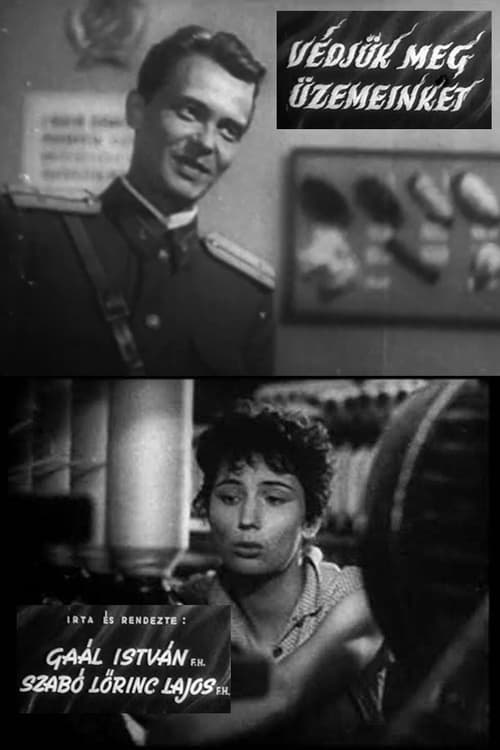
No description available.
Védjük meg üzemeinket

The opera-film, as opposed to Gluck's Vienna version, is a recollection of the ancient tragic Greek myth. Orpheus, who is able to defeat Hades with the power of art, is unable to conquer his own human defects. Amor is sympathetic to Orpheus' sufferings as he mourns his dead beloved, and lets him know the message sent by the Gods, namely that he may take her home from the underworld if he is capable of not looking at her.
Orpheus and Eurydice

The characters of the 15th-century Hussite War – the Hussite mercenary, the imperial soldier, the priest, and the peasant – appear in a writer's home, and engage in a debate. The main question of their conversation: who among them is a traitor, and who has a just cause in the conflict. This movie is a television adaptation of Ferenc Sánta's drama of the same name, based on his novel "Az Áruló".
Éjszaka

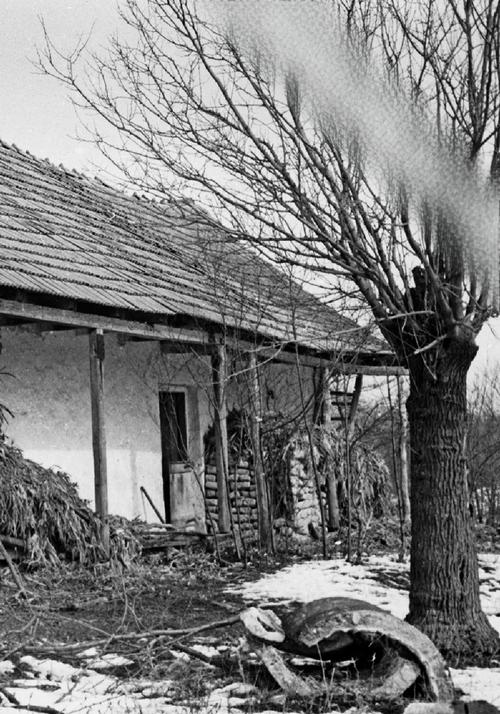
Avant-garde picturesque vision to the music of Béla Bartók. Motifs of an abandoned farm evoked in haunting tones: a galloping horse, a thatched house, a hoe, crockery...
Music of the Night by Béla Bartók
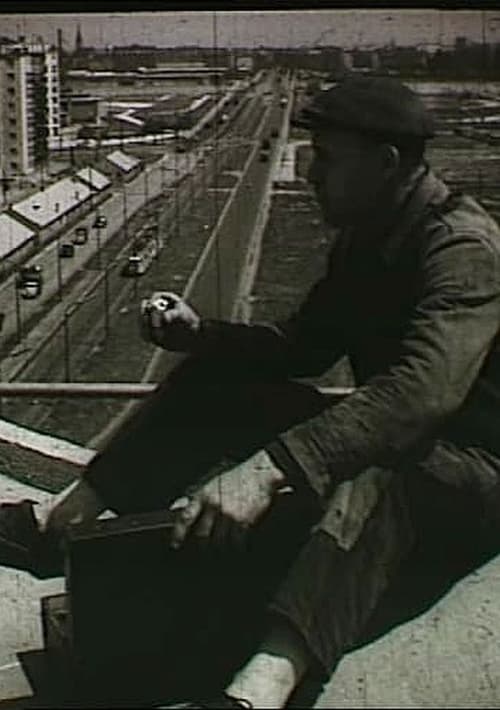
Étude is István Gaál's film exam at The Centro Sperimentale di Cinematografia (Experimental film centre or Italian National film school).