Acting
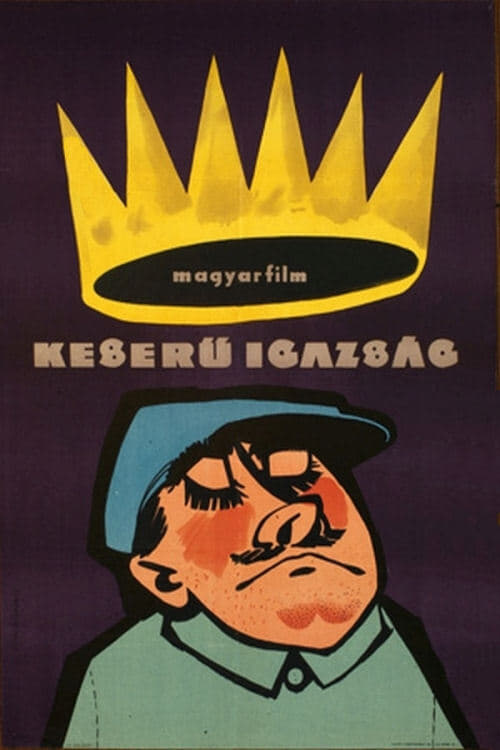
Sztankó János, the freshly appointed director of a company that builds agricultural factories meets his former classmate, Palócz. Palócz is just released from the prison where he got on made-up charges. Sztankó suddenly decides to employ the engineer since he wants to show up spectacular, quick results.
The fate of a Hungarian Jewish family throughout the 20th century.
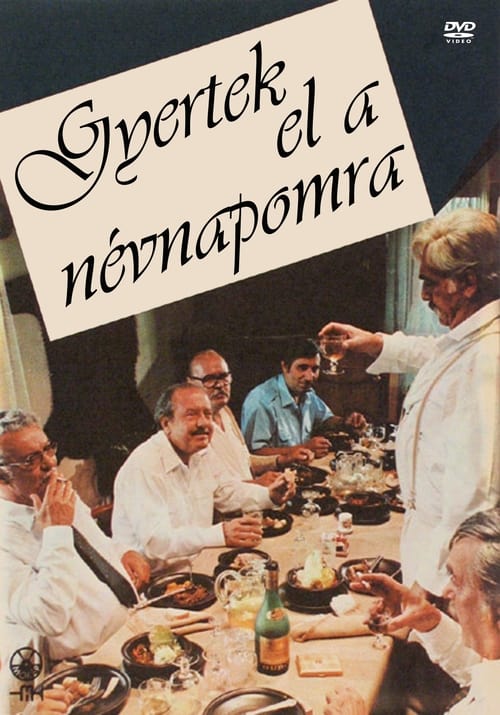
The elite of political and business life of the country town gather to celebrate the namesday of Haudek László in the luxury villa. Everything begins just as usual, but now an incident disturbs the stag party.
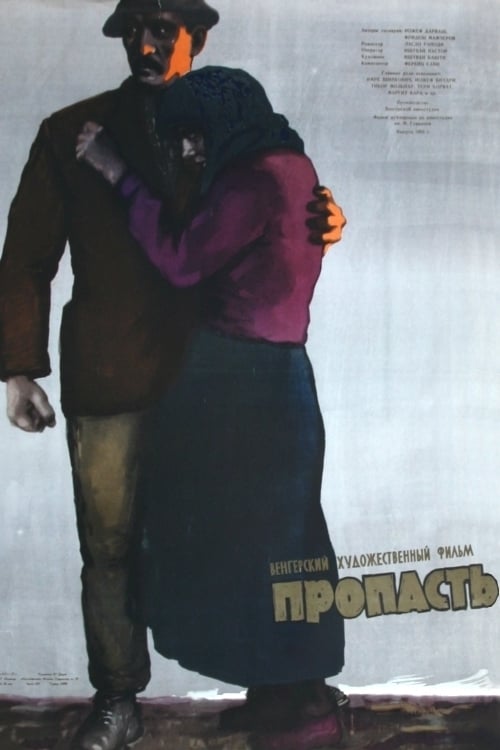
Nagy István, the formerly poor peasant boy returns to his native village as a teacher. His conviction is that the abyss between rich and poor can be diminished by good will. The rich Böröcz Horváth Klári returns his love, and also Böröcz Horváth is willing to help the poorest family, the Bakos. Bakos Jóska, who was sent to serve the tough Böröcz Horváth as a payment, dies of an infected wound and the people in the village hold the teacher liable as well. Nagy István realises, that the abyss cannot be ceased, what is more, it is impassable. He breaks up with his fiancée and stands by the side of the poor.
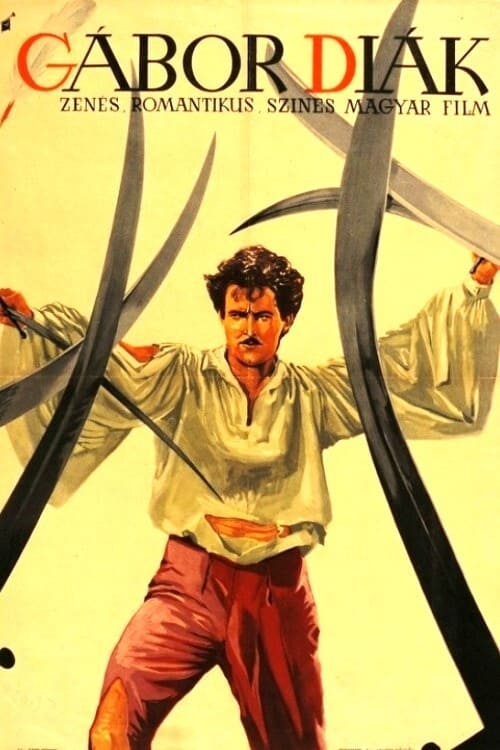
Buda is mastered by the Turks. Student Gábor and his companion flee a troop into the castle, just in the garden of Gül Baba. Gábor and Leila, the daughter of Gül Baba fall in love with each other. Ali pasha, who wants to marry the girl, has the two Hungarians caught in order to let them be executed.
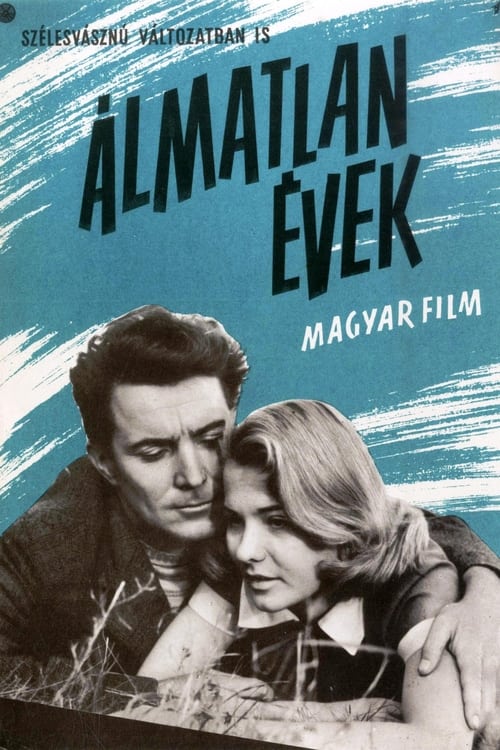
The "sleepless years" in this propaganda piece by director Felix Marlassy occur on Csepel Island, an island south of Budapest that is home to an armaments factory. The factory workers are shown being exploited by imperialists, capitalists gone berserk, and fascists, more or less in that exact chronological sequence. The heavy-handed approach does much to undercut the belief that when socialism finally takes over, the lives of the workers are brought up to a human level. In this instance, audiences might prefer a more nuanced and subtle statement, no matter what the message.
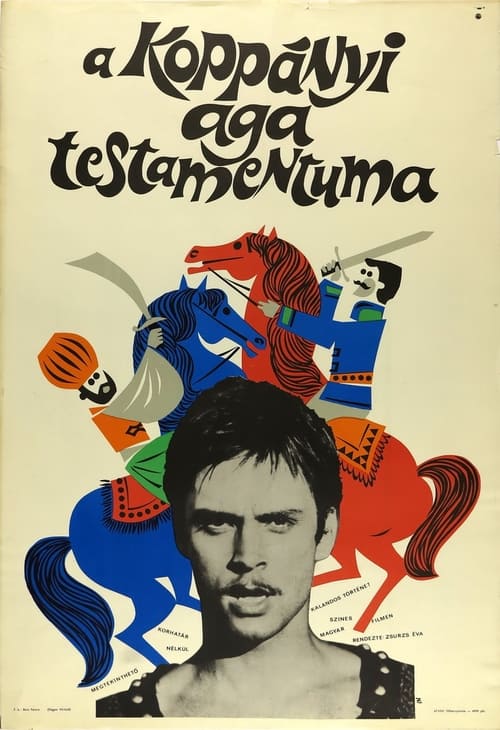
In 1585 the Turks and Vallons are looting the Látrány region.
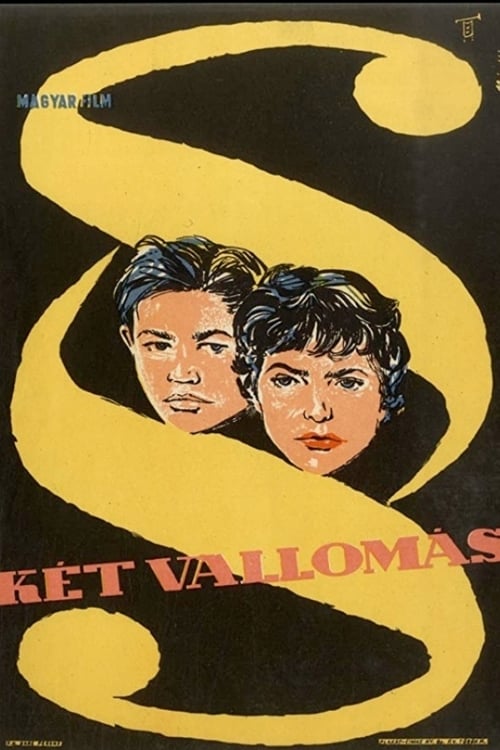
This easy-to-take Hungarian drama is also known as Two Wishes. The prinicipal characters are a pair of juvenile delinquents, who may still be redeemable. The sullen duo is befriended by a kindly police inspector, who takes it upon himself to straighten out the boys. What follows cannot be termed surprsingly or innovative, though it is immensely satisfying. Of interest is the fact that a Communist-bloc film would admit to a delinquency problem in the so-called Worker's Paradise. Ket Vallomas was the Hungarian entry in the 1957 Cannes Film Festival.
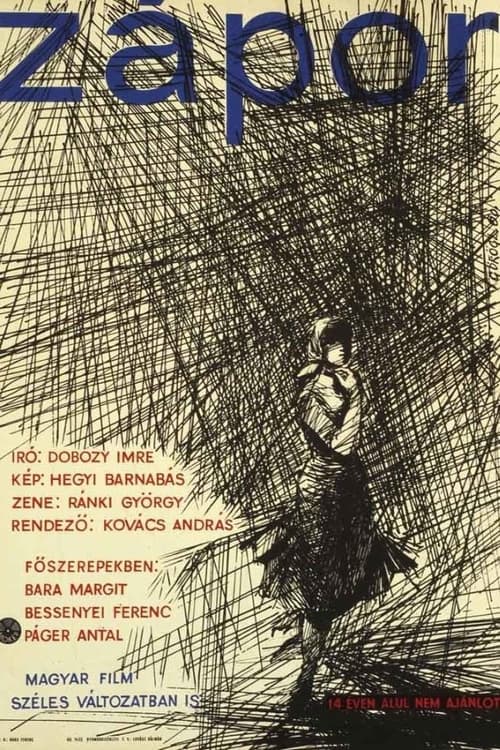
Miskei, the popular and dynamic president of a co-op falls in love with Mari, the attractive wife of the elderly Pató. The deeply feeling woman is fed up with the service beside the haughty land holder, she is longing for tenderness and a child. The passion of Miskei is growing when he sees how crudely, humiliating Pató treats her. During a powerful summer shower, when chance brings them together in an abandoned press house, he storms on Mari confessing love. The woman refuses him bitterly. Miskei calms down and he keeps on expressing his love and high esteem with the woman by steadfast and tiny compliments. Early one morning Mari leaves her husband and sets off to the city to learn and to begin a new life.
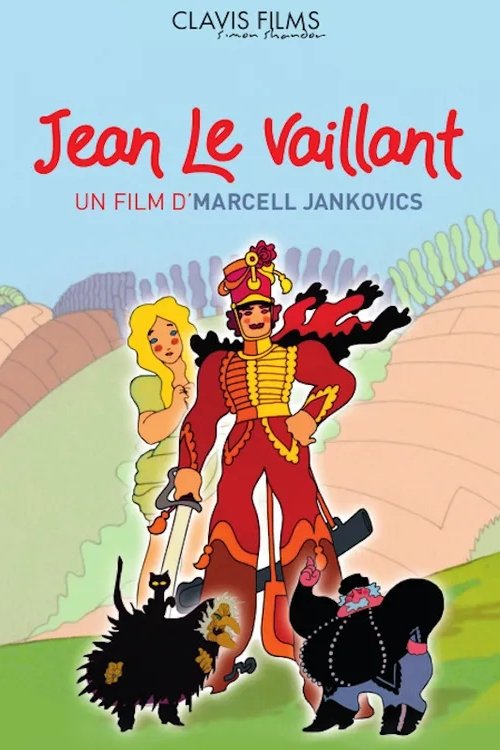
A traditional Hungarian poetic fairytale that describes the epic adventures of a young shepherd through love, war, magic and death.
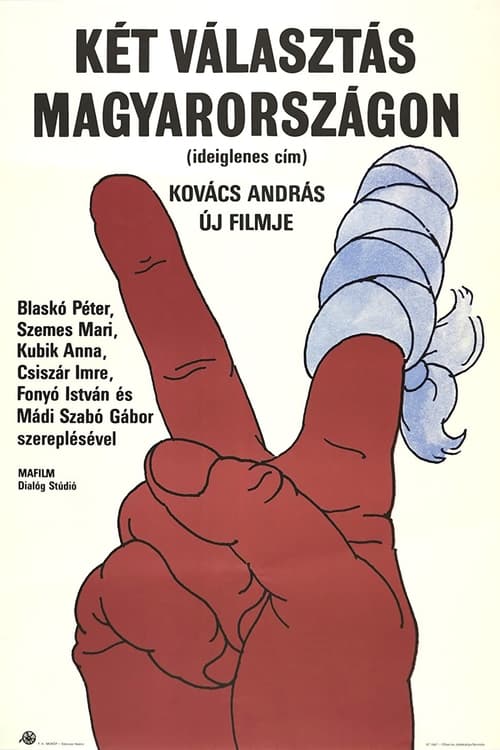
1985. Hungary has elections for the first time since long where more than one candidate is allowed to run. The engineer Bodnár is the most popular man in the rural town, who has defended the microclimate of the neighbourhood against a harmful project. Before the elections he is also put on the list. Local power launches a fight against him,
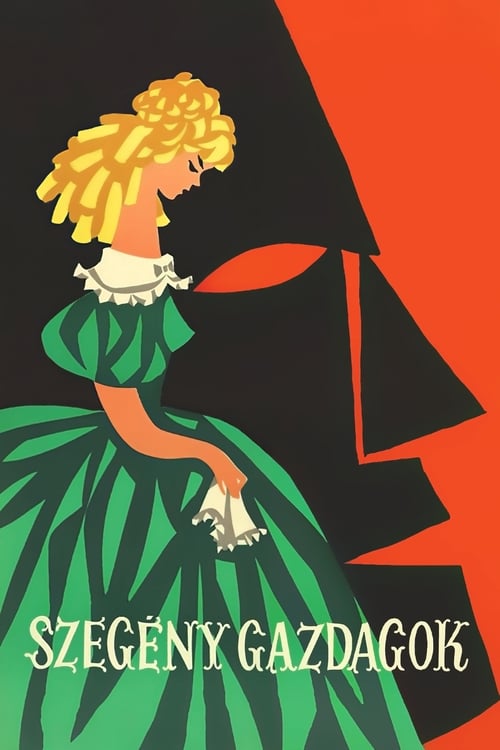
The old, sickly Demeter Lapussa is a tyrant in the family. He forces his granddaughter, the beautiful Henriette, to marry baron Hátszegi, although the girl loves the penniless Vámhidy Szilárd. The two lovers attempt to commit suicide, then are torn away from each other.
No description available.
A past world is revived in the little cottage in the outskirts, next to the housing blocks under construction. Tamburás, the old hobo collects swerved youth: Diák, who desires freedom, the bus driver who is deprived of his license for having run over someone, and the rest. They have got an easy and unbound life there, with constant music, small thefts, occasional labour, tricks.
Chapters of Hungarian history rooted in the world of fairy tales come to life in the frames of the series of cartoons produced under Marcell Jankovics' midwifery. Thanks to the episodes that provide a detailed account, we can follow the upheavals of the Hungarian people, get to know the often mentioned figures of the past - getting a clearer picture of the well-known and less mentioned legends and events. The stories seasoned with some humor are presented on the screen in the tasteful interpretation of Gábor Szabó Mádi.
A successful architect meets a university student 30 years younger than him. They start a complicated, whirlwind relationship.
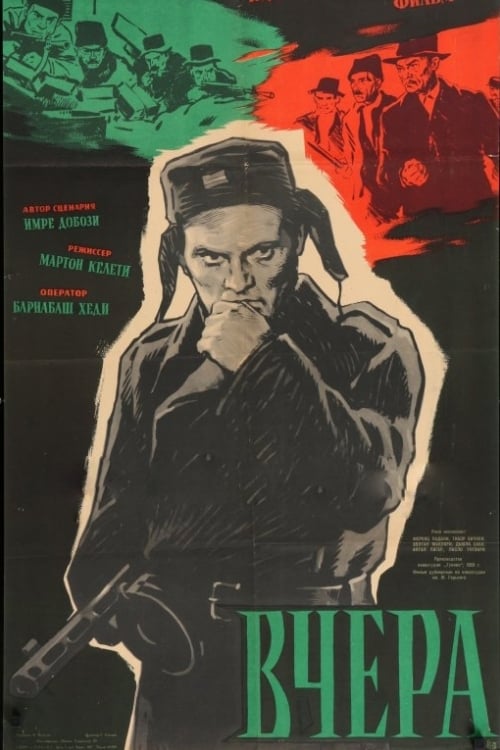
October, 1956. Colonel lieutenant Szabó sends a platoon with the mission of calming the people demonstrating in the town. The platoon is lined up under the command of Lieutenant Csendes and the soldiers aim at the demonstrators. Szusza Kis changes sides, and Csendes is unable to shoot at his childhood mate. They withdraw.
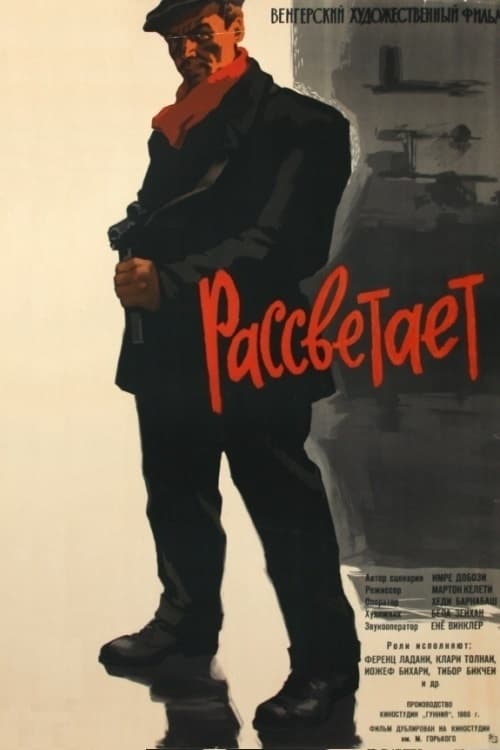
A sequel to "Yesterday". About the defeat of the Hungarian uprising of 1956. The action takes place in the barracks of the People's Army, in the War Ministry and in one of the largest factories in Budapest.