Acting
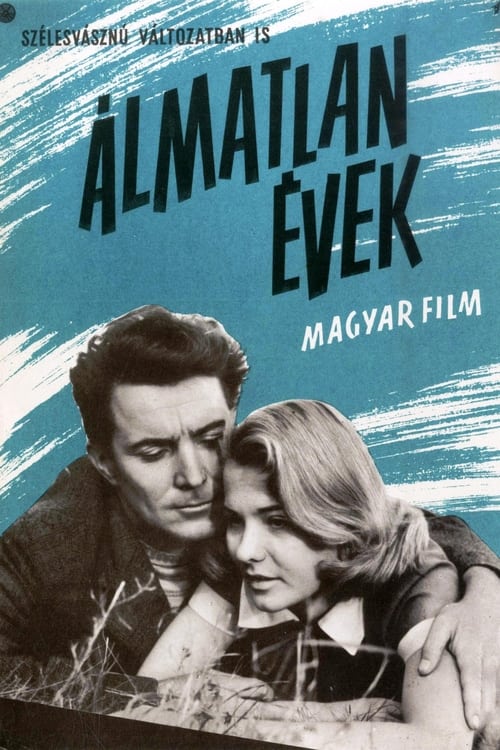
The "sleepless years" in this propaganda piece by director Felix Marlassy occur on Csepel Island, an island south of Budapest that is home to an armaments factory. The factory workers are shown being exploited by imperialists, capitalists gone berserk, and fascists, more or less in that exact chronological sequence. The heavy-handed approach does much to undercut the belief that when socialism finally takes over, the lives of the workers are brought up to a human level. In this instance, audiences might prefer a more nuanced and subtle statement, no matter what the message.
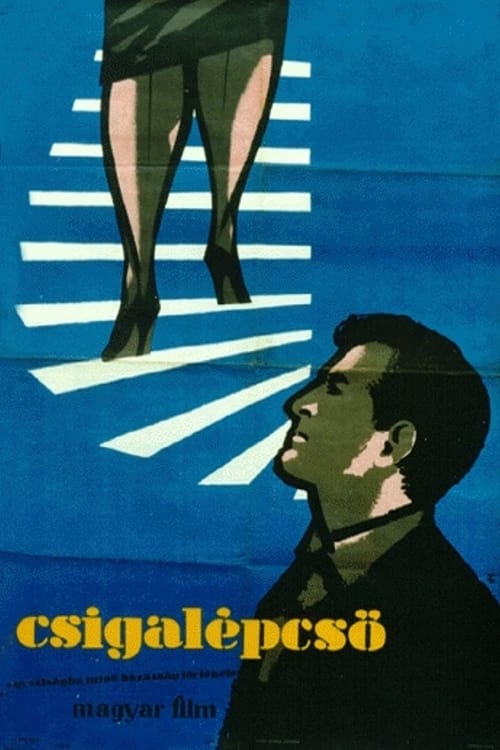
The film is an interpretation of everyday life and privacy as well as the first love-triangle story after 1945. Benkő Lajos, the country librarian, is stationed in the capital. In lack of a suitable apartment, his wife and children have to stay in the country.
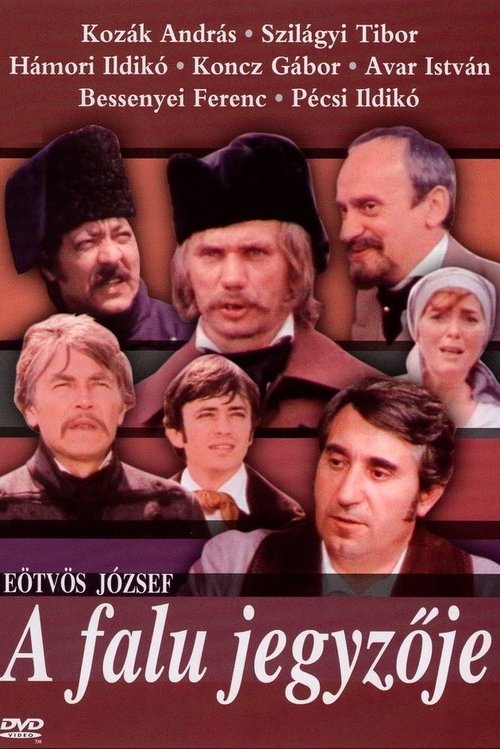
The main character in the story that takes place in 1896, year of the millennium, is Szakhmáry Zoltán, who, in sharp contrast with the people around him, is neither a cynic nor a lewd, not even someone with a tendency for showing off his strength. Instead, he strives to become a humane person with enough common sense and modern thinking.
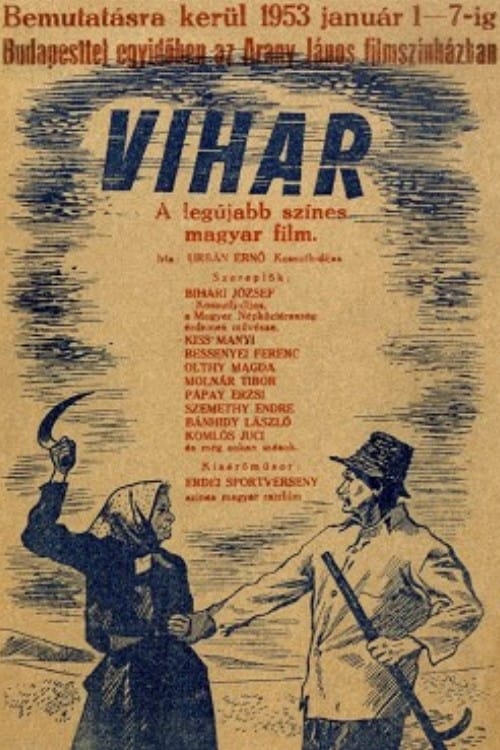
Vörös Hajnal (Red Dawn), a co-operative is the venue of skylarking, while the storm destroys the wheat which is to be harvested soon. Árendás, a middle-peasant, voices severe accusations against members of the co-operative: out of negligence, they failed to keep the ditches clean. It is always the soft option they seem to favour, while the necessity of properly taking care of the farmlands is long-forgotten. Members of the co-operative and the village people are deeply divided.
No description available.
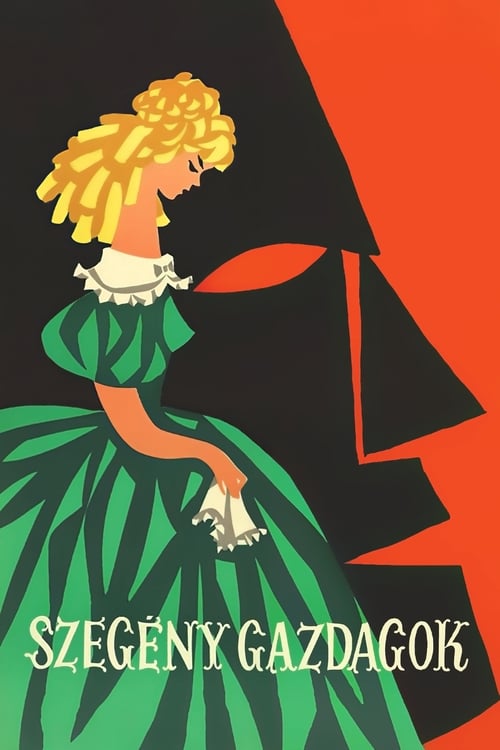
The old, sickly Demeter Lapussa is a tyrant in the family. He forces his granddaughter, the beautiful Henriette, to marry baron Hátszegi, although the girl loves the penniless Vámhidy Szilárd. The two lovers attempt to commit suicide, then are torn away from each other.
Following his wedding, Feri left the co-operative and is now working on the land of his father-in-law. Tóth is extremely wilful and thrifty, working from early morning to late night, pushing his family as well.
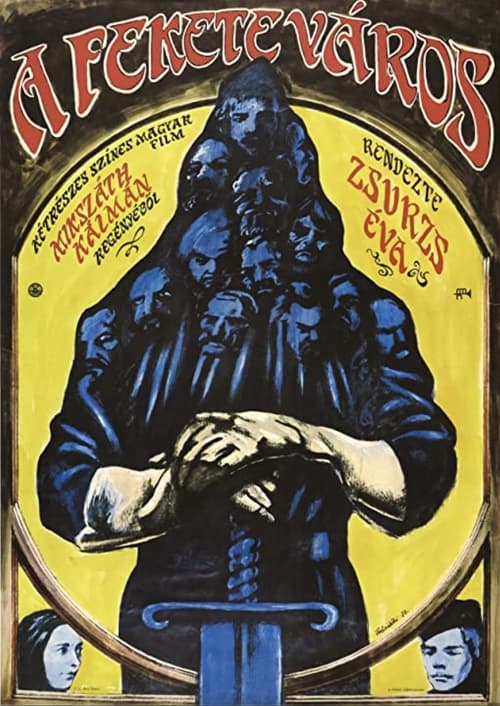
Feature film version of the 1971 series. On the eve of the 18th century, County Vicecomes Görgey Pál broods alone in his manor while the town of Leutschau celebrates New Year’s with lead‐casting omens and a disastrous hunt that sparks a bitter feud. As Görgey fights for his honor and life, and the townspeople defend their Saxon privileges, their mutual blind ambition prevents them from seeing the rising light of Rákóczi’s coming rebellion.
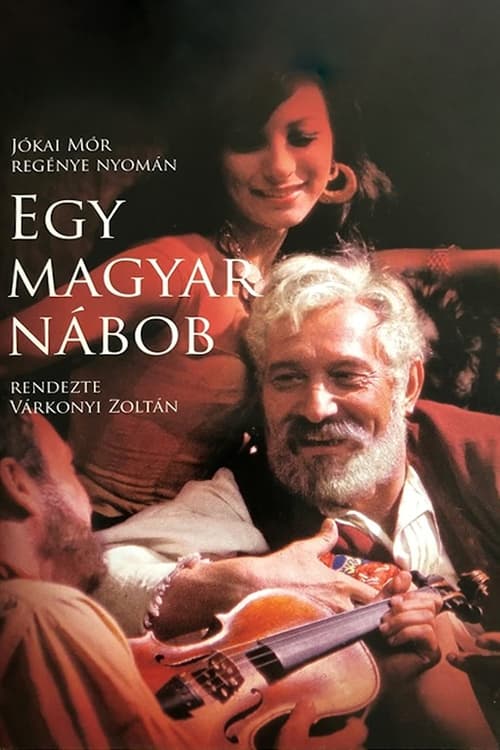
On the novel by Mór Jókai. The first half of the XVIII century. Several decades of life of a noble family Karpati.
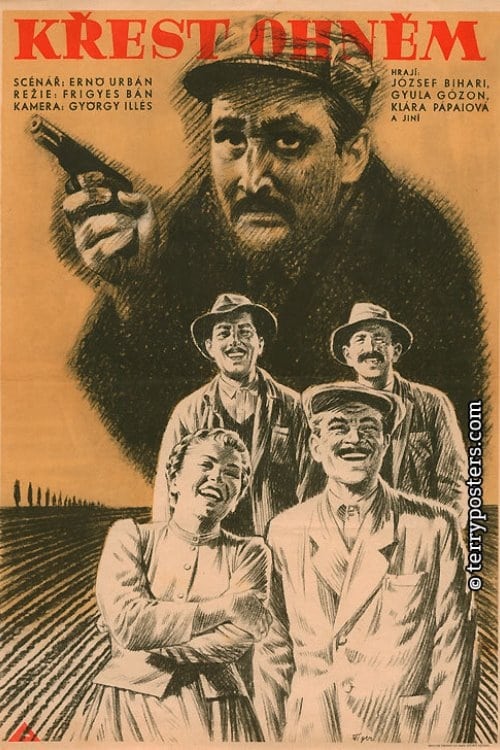
This propaganda film from the early years of socialist transformation in Hungary depicts kulak sabotage in production cooperatives. The prosperous peasant Ignatz Hato, one of the best farmers in the village, joins the Two Octobers cooperative, and soon all the small peasants follow him. The village rich, led by Lili Sohar, watching the great expansion of the cooperative, try to break up the cooperators with each other. Sohar's attempt bears fruit and Hato leaves the cooperative. Next, Lili Sohar tries to convince Ignatz Hato that she is planning to create a rival team of new rich people and urges him to join her. Ignatz refuses and does not give in to the blackmail. Lili's lover, a former gendarme, shoots party secretary Bozhine. At the wounded Božine's bedside, Ignác admits his mistake and asks to be accepted back into the cooperative. Sándor, the president of the cooperative, realizes that the collective should not prevent those who want to work honestly from joining.
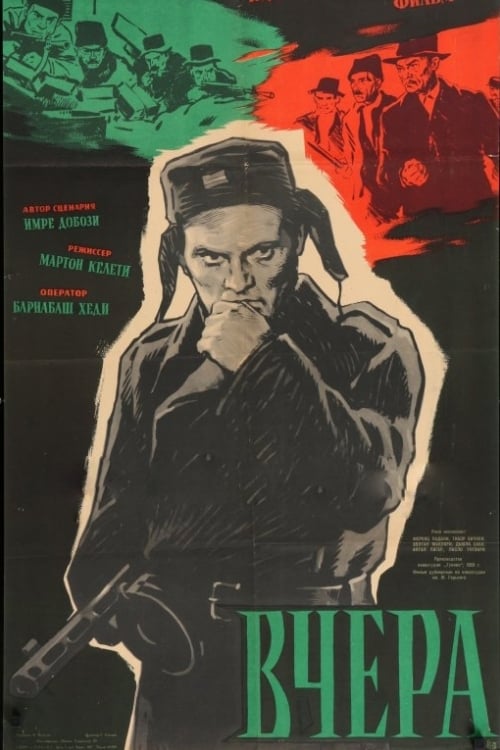
October, 1956. Colonel lieutenant Szabó sends a platoon with the mission of calming the people demonstrating in the town. The platoon is lined up under the command of Lieutenant Csendes and the soldiers aim at the demonstrators. Szusza Kis changes sides, and Csendes is unable to shoot at his childhood mate. They withdraw.
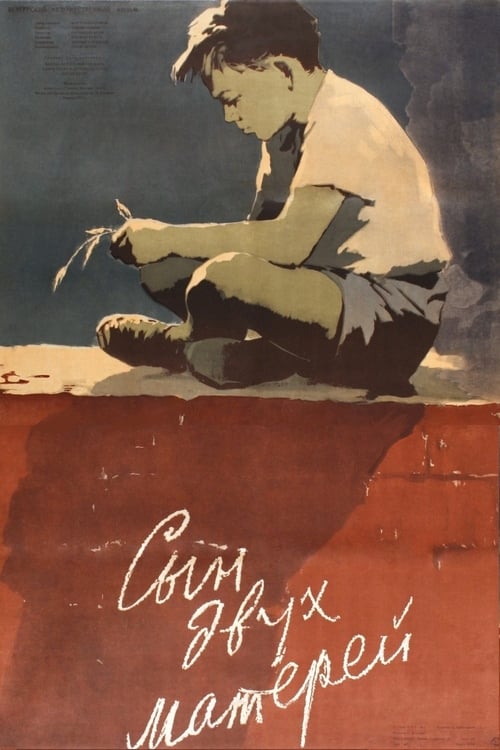
Dani, the few-month-old little boy born outside marriage is left by Eszter in the lap of her companion on the train. The widowed Aranka takes him willingly to her. The child is already ten years old and has a good life with Aranka. Then Géza enters their life and he does not welcome the child of someone else.
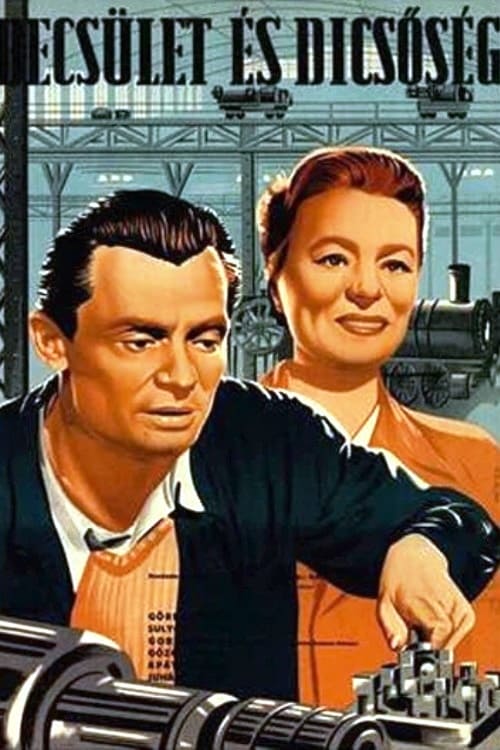
Lugosi works in the locomotive factory, earning little. He does not feel at ease in the world. One reason for his discontent is that his wife - a tractor factory worker - earns more than he does, and another is that she has even had her innovation accepted, while his has not. And because trouble doesn't come alone, poor Lugosi gets involved in a sabotage case.
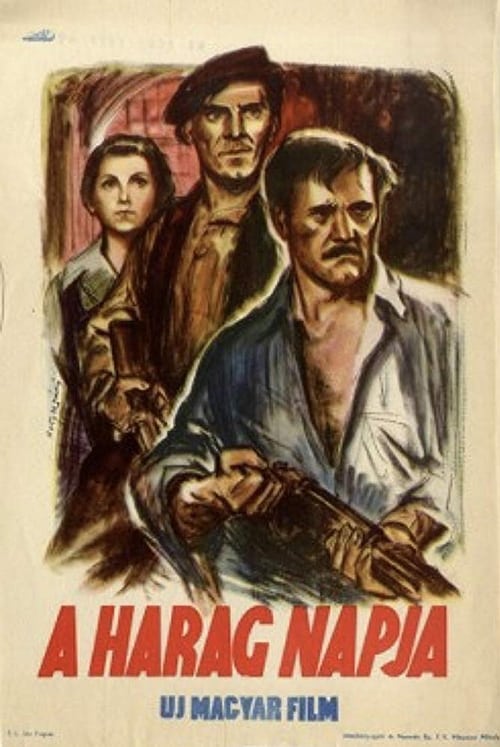
In May 1919 in a small rural town beside Salgótarján the local high society wants to get the power back with the leadership of dr. Máriáss, exploiting the outside attack launched against the Republic of Councils.
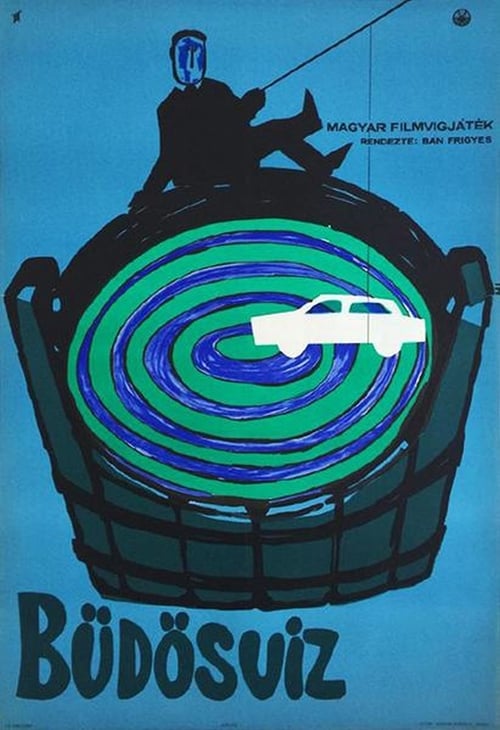
In a little town named Lombos, suddenly a smelly, sulphonic thermal water gush out. Félix Szombathy, a swindler sees a great business opportunity in this. He founded a fraud company and promised to revive the town.
1790, the county of Szerém. József Hajnóczy, a democrat and a reformer is deprived of his position as vice-steward of the county because he is not born a nobleman.
Three people – a returned prisoner of war, his beautiful second wife, and the possessive, hunchbacked spinster who is his sister-in-law by his first marriage – are isolated in a little house under an extinct volcano, where each strives for personal happiness but is suffocated by their dependence on the others.