Editing
No description available.
Zózimo Bulbul’s film is dedicated to Zumbi dos Palmares and to all Maroons dead and alive. It portrays the life of Aniceto, who was 72 years old at the time: a union leader, a stevedore at the Rio de Janeiro port and founder of Escola de Samba Império Serrano
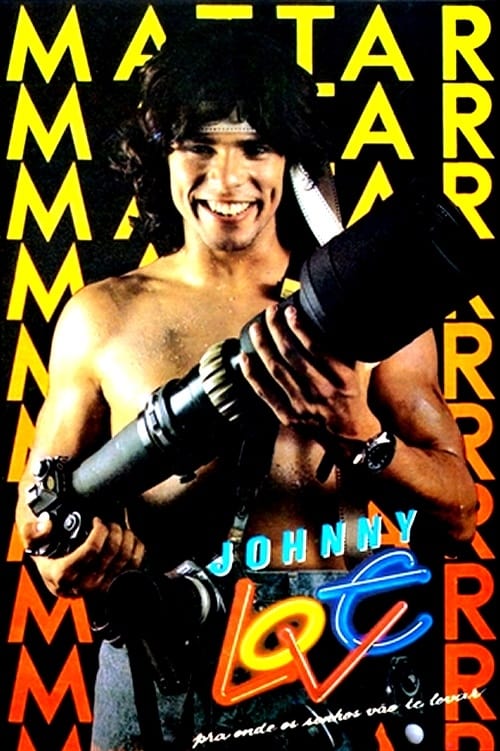
A photographer falls in love with a rock singer.
A documentary about Luz del Fuego, the naturist dancer who shook the moral foundations of Rio de Janeiro in the late 1940s and early 1950s with her transgressive way of life.
A film on the feud between samba songwriters Noel Rosa and Wilson Batista.
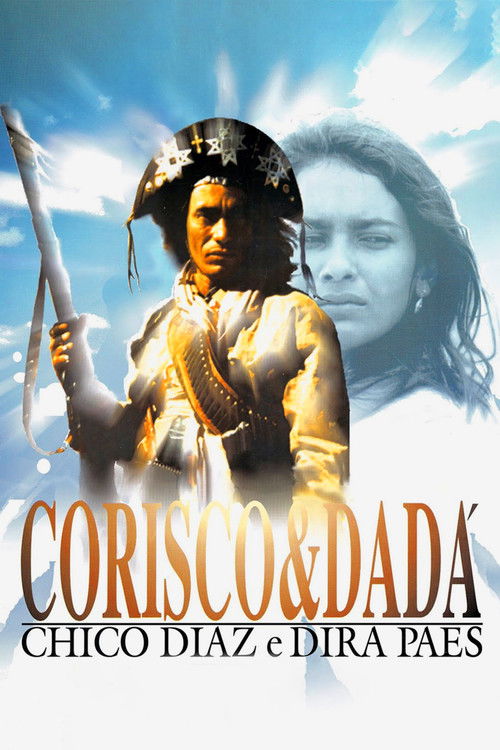
Cruel and brave Brazilian outlaw called Corisco, living in the backcountry in the Northeast, an arid region, rapes 12-year-old Dadá, who becomes his woman, following him and his gang. Although they were supposed to fight against social injustice, they terrorized the small villages along their way.
Film started in 1991, interrupted due to technical problems and finished in 2010. The camera travels along the banks of the Amazon, focusing on the diversity of virgin flora. Walks among trails of kindling culminating in the folkloric march of Marajoara rhythms. The film is a tribute to Professor Lindalva Caetano, Researcher of Folklore Marajoara.
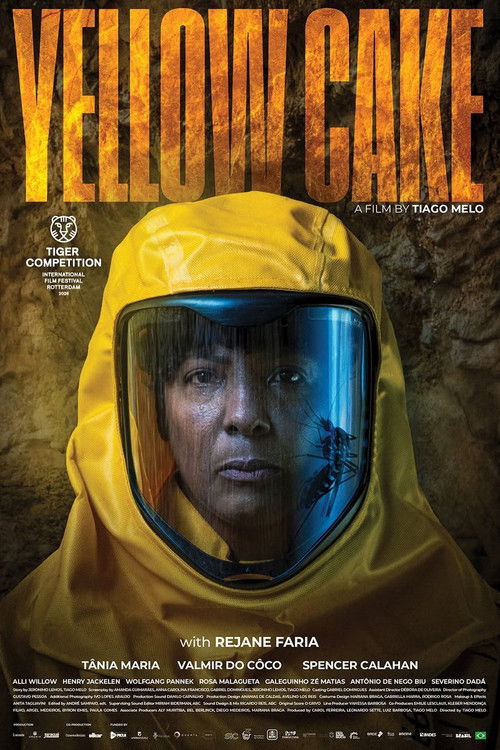
When radical science backfires, miners and researchers confront apocalypse in Tiago Melo’s pulpy, politically charged sci-fi fusing local myth, dark humour, working-class grit and radioactivity in Brazil’s Northeast.
Noronha is a low middle-class civil servant who lives with his frustrated wife Gorda and their four eldest daughters. The youngest one, virginal Silene, is unexpectedly sent back from boarding school after killing a female cat and her seven newborns in a hysterical fit. Many dark family secrets will emerge from that episode leading to tragic events.
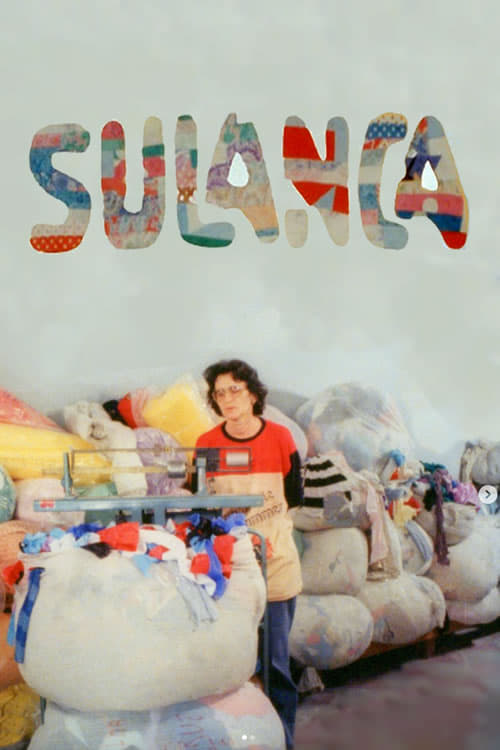
The Feira da Sulanca still exists as a famous market in Pernambuco, northeastern Brazil, that sells and exports items for the national clothing industry. While these markets were once an unfriendly place for women, who were struggling to make a living, Katia Mesel’s ‘Sulanca’ documents the economic revolution of the women of Santa Cruz do Capibaribe: seamstresses who, through collaboration and willpower, managed to make lives for themselves and change the socioeconomic landscape of Brazil’s most neglected region.
In Rio de Janeiro, after an altercation with his father and mother, a young man named Bebeto kills his family and goes to a movie theater, where he watches four weird vignettes.
A short film that emulates the activities of early Brazilian filmmakers known as "cavadores".
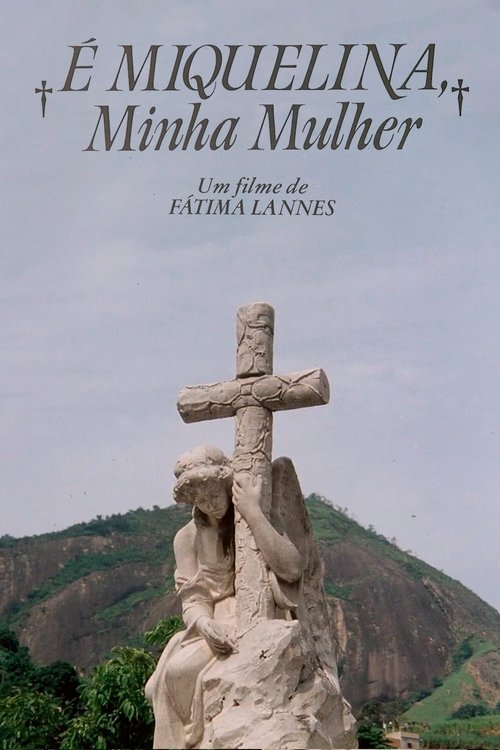
A musical narrative with only one line of dialogue. A man who dreams he's dead and is buried in a modern cemetery by his wife, contrary to his wishes.