Directing
Midi Première is a French variety show presented by Danièle Gilbert, directed by Jacques Pierre and broadcast from January 6, 1975 until January 1, 1982 on TF1. The program was generally broadcast between 12:15 p.m. and 12:55 p.m., then giving way to the 1:00 p.m. TV news. However, the broadcast schedule could change, depending on the guests, and the setting where the recording of the program was shot. Certain performances by artists who have become cult like the one where Ringo jostles with a demonstrator in interpretation (1977), that of Dalida with the title There is always a song with the soundtrack that does not start, twice, at the right speed (1978), Claude François and his Clodettes, who, in the provinces, are unable to join "the set" in order to interpret his song, the latter being taken by the crowd of delirious fans (summer 1977) . The group Supertramp performed there with the title "Dreamer" on March 8, 1975.
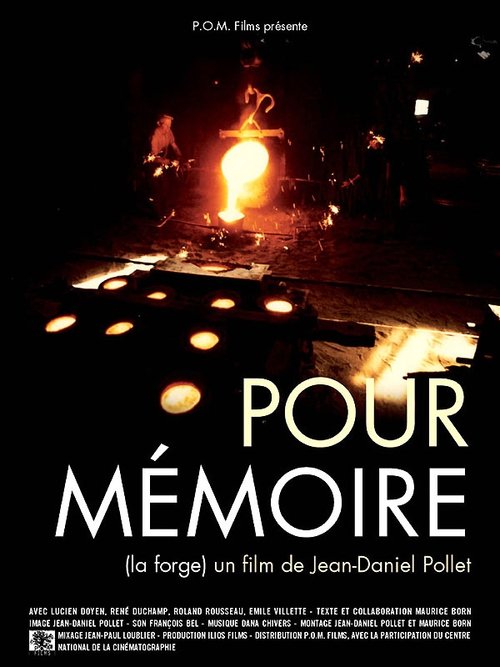
A foundry in Perche was established in 1876. This is a final homage paid to the ancestral occupation of foundrymen, whose actions have been repeated innumerable times through the years and which are now going to disappear forever.
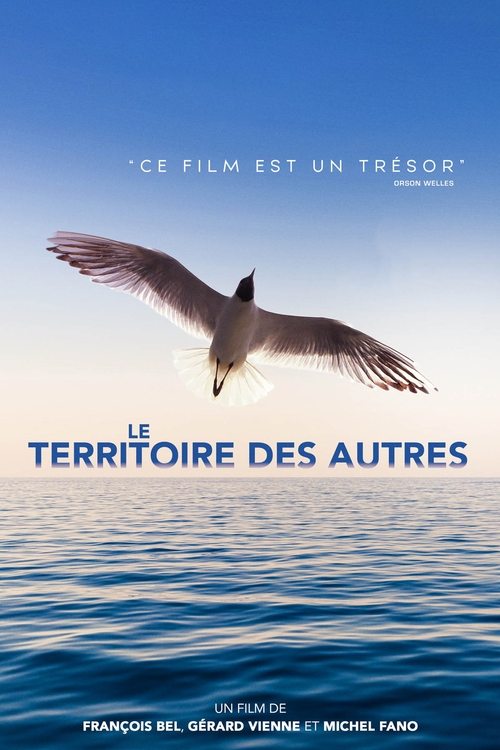
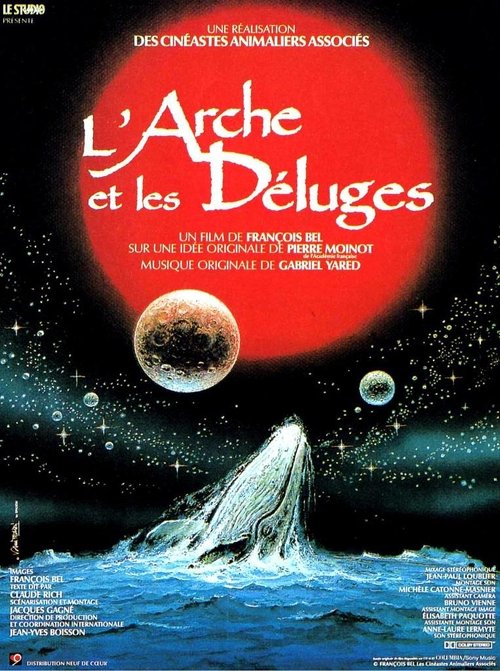
This colorful wildlife documentary follows the flight birds and expresses the need for conservation and sanctuaries. Baby seals are shown being clubbed to death for their pelts. The creatures of nature face the biggest enemy in humans who pollute and show callous disregard for the sanctity of wildlife and conservation.
No description available.
Children draw pictures of baby seals and react to the cruelty of seal hunting.
A naturalist fiction film organized around one of the most essential principles of life, "water", it is not an animal documentary but a fresco of nature. The elements, precipitations, minerals, landscapes, plants and animals are apprehended without hierarchy while water constitutes the main protagonist of the film. Epic, poetic, lyrical sometimes, water reveals the splendor of certain landscapes, the strangeness of the behavior.
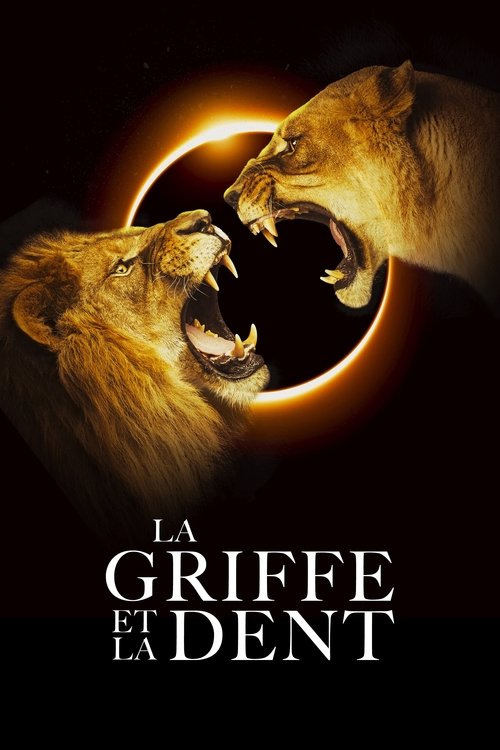
Without narration, this wildlife documentary explores the behavior of African animals by day and by night, and is especially vivid in its depiction of the hunting behavior of large predators.
Pedro returns to the castle of his childhood, inhabited by his uncle, an indifferent being who scarcely notices his presence. At the castle, Pedro wanders between the park and the salons, playing the songs he composed on the guitar. He notices strange people around the castle.