FEEL IT.STREAM
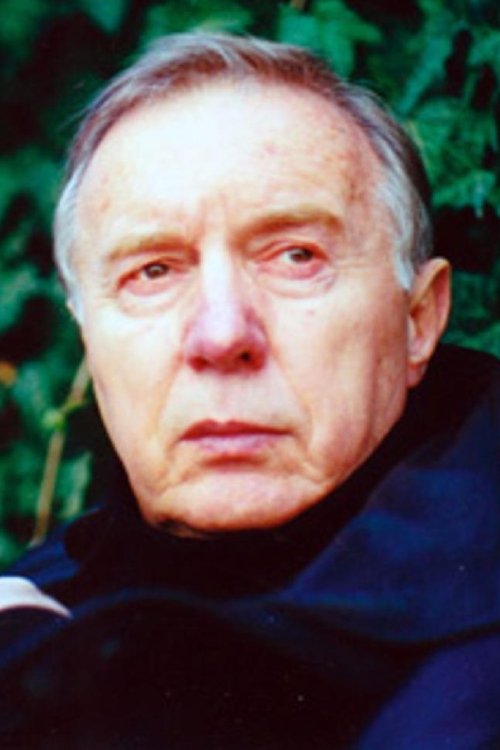
Vlatko Gilić

Vlatko Gilić

Directing

Biography

Vlatko Gilić (born 1 January 1935 in Podgorica, Montenegro, then Yugoslavia) is a Yugoslav director and writer whose work spans documentary and fiction and is closely associated with formally rigorous, philosophically inflected cinema of the late 1960s and 1970s. Between 1966 and 1980 he directed thirteen films—eleven shorts and two features—earning international recognition including a Silver Bear at the Berlin International Film Festival and the Grand Prix at Oberhausen. Gilić’s films are marked by a slow, observational style that blends documentary material with allegory, ritual, and metaphysical inquiry. Often drawing on Christian symbolism and social critique, his work examines power, mortality, labor, and human futility through carefully structured imagery and restrained narration. Key films from this period include In continuo (1971), Backbone (1975), and Days of Dreams (1980), as well as a series of shorts that circulate internationally through archives and cinematheques. After 1980, Gilić largely withdrew from filmmaking and transitioned into academia, teaching and continuing to write screenplays. Though interviews and public appearances have been rare, his films have remained in circulation and critical discussion, preserved in major archives such as the Harvard Film Archive, and are regarded as a distinctive body of work within Yugoslav and European art cinema.
Known For

Season of Peace in Paris
5.4

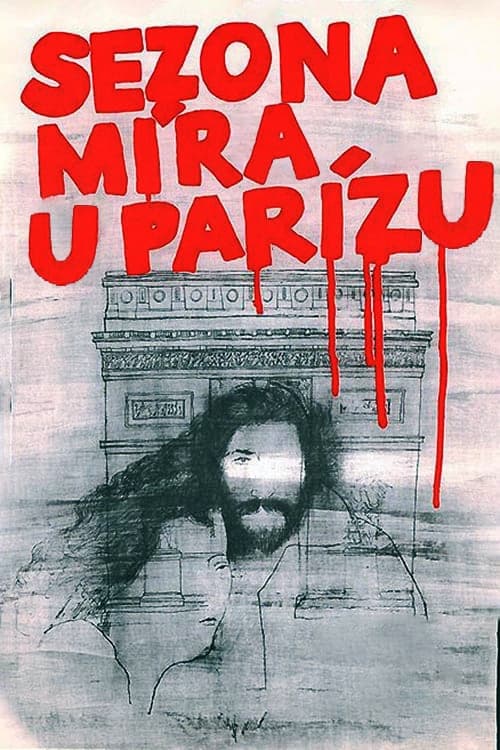
A Yugoslavian man meets a woman in Paris, where he has come to do some research, and their mutual attraction leads to a liaison and shared adventures, not many good.

Season of Peace in Paris

1981
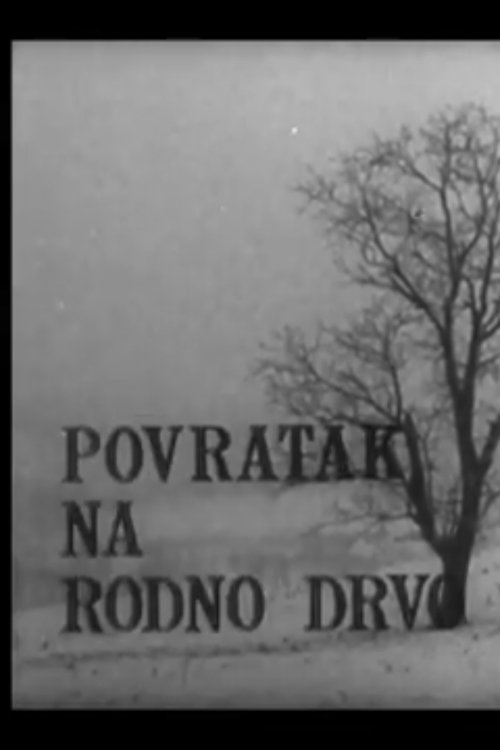
Back to His Native Woods
8.0

"Povratak na rodno drvo" is a Yugoslav short film from 1968. It was directed by Vlatko Gilić and the screenplay was written by Matija Bećković.

Back to His Native Woods

1968
Backbone
6.5

An unbearable stench makes quite wide confusion among the residents of Belgrade. The microbiologist Pavle can not remember immediately where he smelled it, but recalls the event he witnessed as a child and the smell of a burning human. A visit to the crematorium gives him the assurance: The high number of suicides in the city has meant that the ovens are in continuous operation and will probably stay that way - because the stench is slowly making other people commit suicide, too.

Backbone

1975
Power
7.2

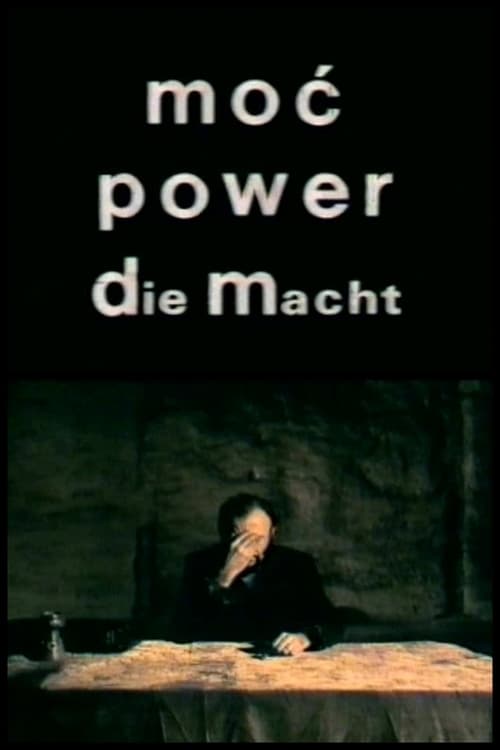
Screened in the official competition at the Cannes Festival, this controversial documentary depicts a hypnosis session in which participants, under its influence, inflict pain on themselves and others. The film addresses important themes such as manipulation, abuse of power, and collective obedience.

Power

1973
Volunteers
4.4

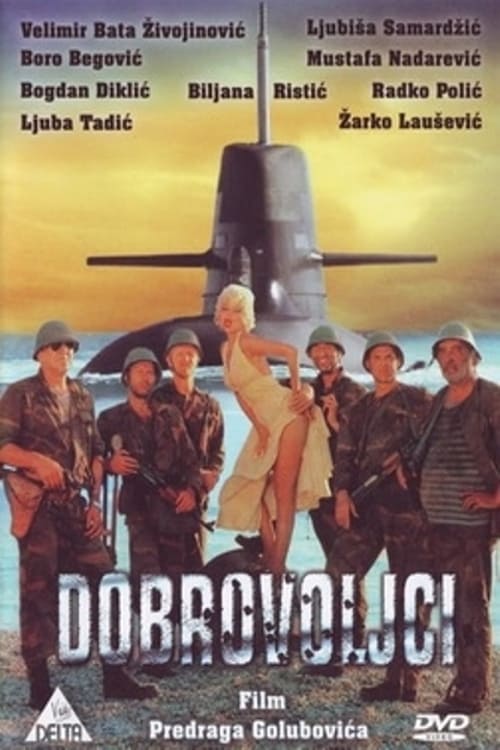
In this amusing antiwar comedy, seven inept and reluctant soldiers land on a desert island to carry on with the fighting. Just after their parachutes have collapsed behind them on the beach, helicopters approach and land nearby. Out pops a bevy of beautiful women sent to entertain the troops, which they do, and then they leave. From that point onward, there are a series of misadventures

Volunteers

1986
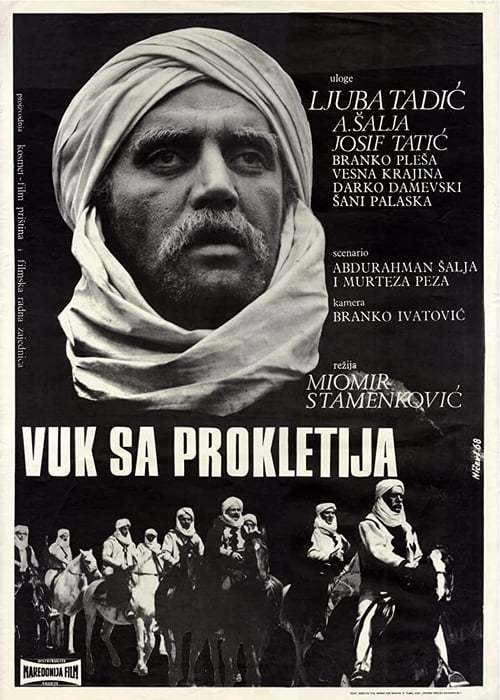
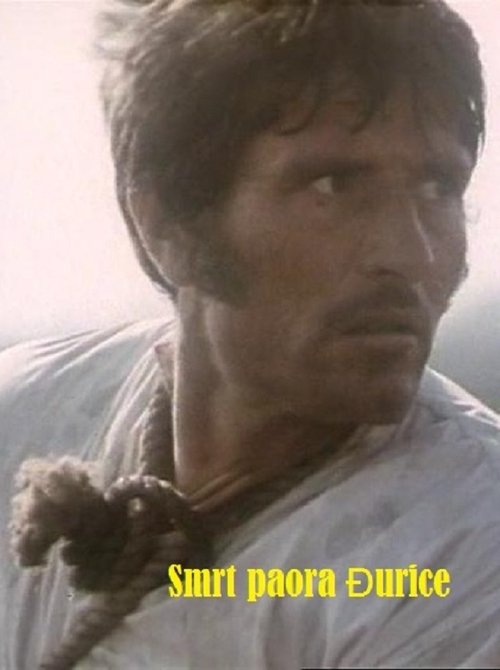
Wolf of Prokletije
5.4

Uka is an old Albanian who lives in the mountains on the border of Kosovo and Albania. As an honorable man, he must deal with his son who befriended Italian fascists during WW2.

Wolf of Prokletije

1968
Certified: No Mines
5.7

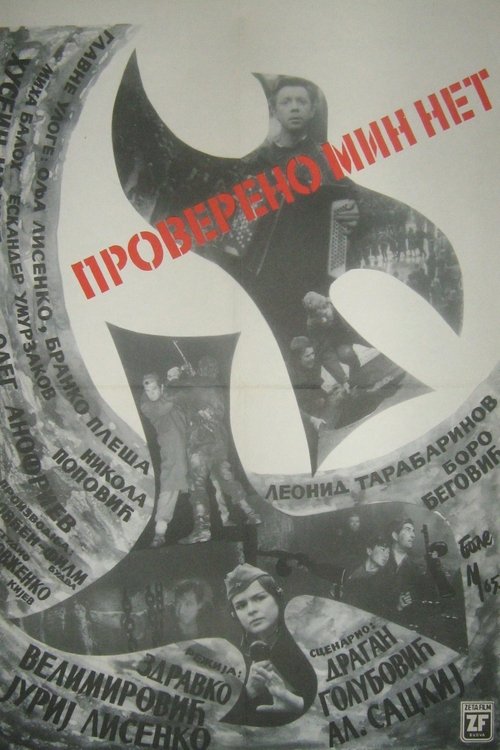
October 20, 1944, Belgrade was liberated by Red Army and Tito's partisans. But the capital of Yugoslavia is still fraught with danger - retreating aggressor mined the city . A special partisan squad goes into underground maze of tunnels to find and disarm explosives which are still guarded by SS special forces.

Certified: No Mines

1965
The Feverish Years
7.3

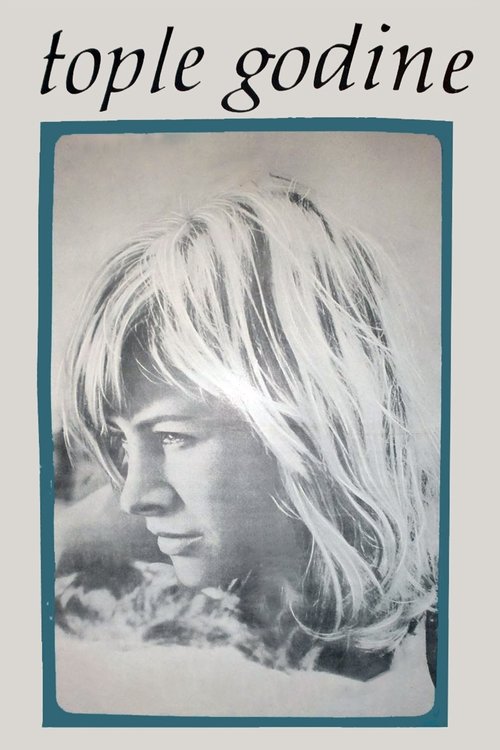
A story of two people who fell in love and couldn't find their way in the big city: a man who came from the countryside to work in a steel factory and a woman who works in the factory restaurant.

The Feverish Years

1966
No image
6.3

A speechless war poem set in a remote village. The farmers struck by war turn into fighters.

Destinies

1978
Days of Dreams
4.3

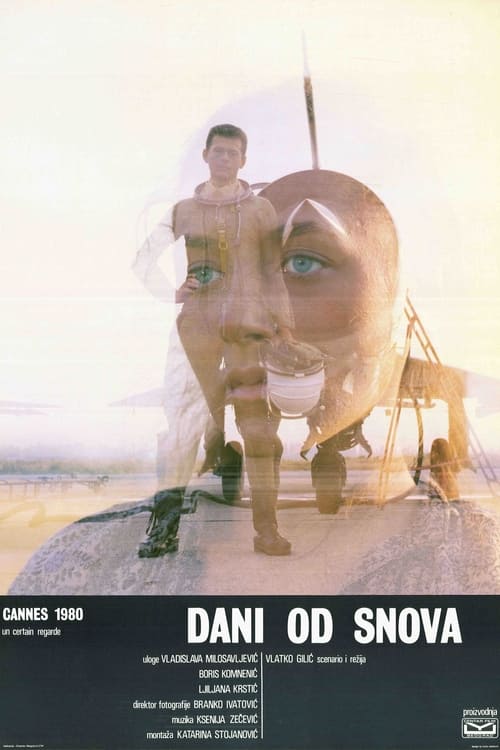
Jelena spends her summer holiday tending a flock of sheep. A plane from a nearby aerodrome attracts her attention and she and the pilot engage in spontaneous games.

Days of Dreams

1980
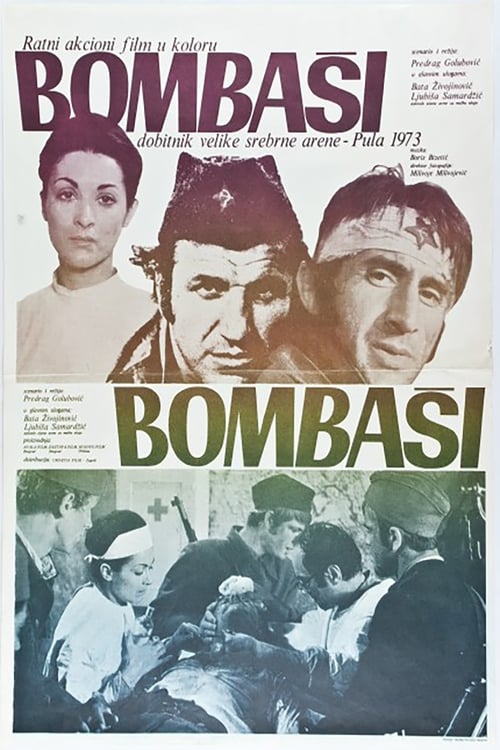
The Bombers
6.3

Two best friends, former Partisans, must face new challenges after the war.

The Bombers

1973
Horoscope
5.2

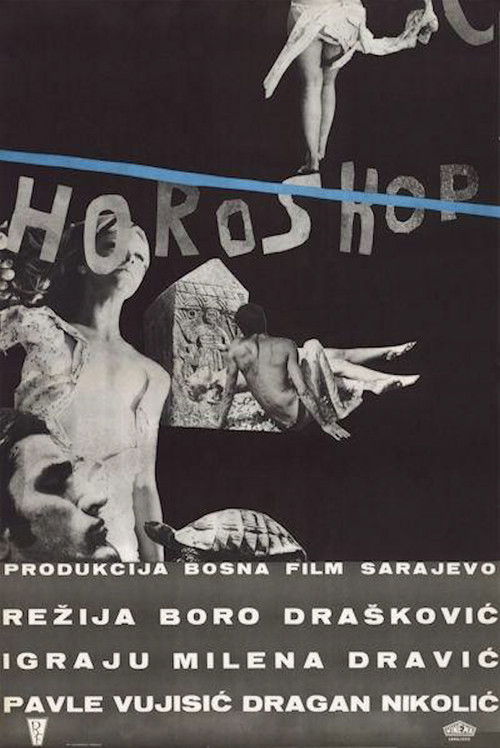
A gang of young delinquents from a coastal town terrorize the locals, the tourists that spend the summer holidays there, as well as the young girls. They are especially focused on a pretty girl that sells newspapers, and they make a bet which one will seduce her.

Horoscope

1969
Judas
8.0

In the rocky wastes of Mount Velebit, men have lived for centuries in close proximity with snakes. They learned to anticipate and cope with the dangers of the evil region, but the true battle begins when man comes to grips with the evil in himself.

Judas

1972
A Day More
7.0

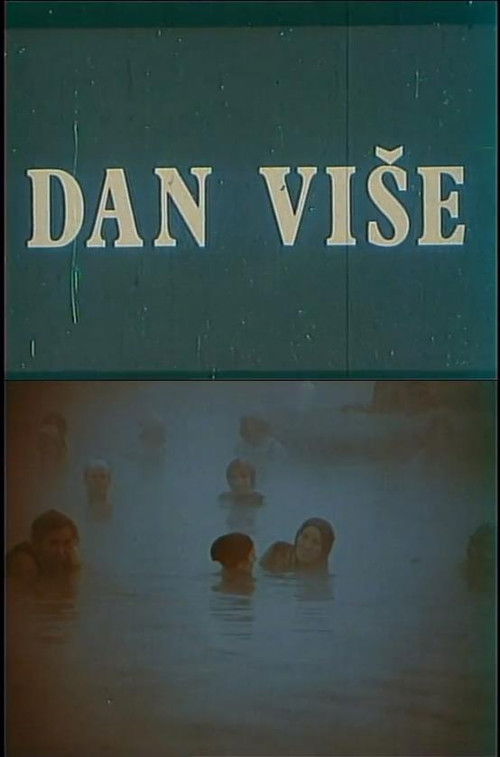
"Dan više" is about a mudbath near the small Serbian town of Bujanovac that is famous for healing illnesses. People cover themselves from head to toe in mud and then float on the water: Vlatko Gilić created a ghostly, surreal scenario, whose everyday quality is concentrated into an allegory of human suffering and quest.

A Day More

1972
Montenegrin Athos
N/A

Vlatko Gilić, after not getting enough funds for his last film, Days of Dreams, and after getting his scripts he wrote in the 1980s rejected for being too "artsy", was unable to direct movies for the rest of his life. In the meantime, he had the chance to direct this short documentary movie about the natural beauties of Montenegro, for a ski hotel, after meeting its hotel manager.

Montenegrin Athos

1986
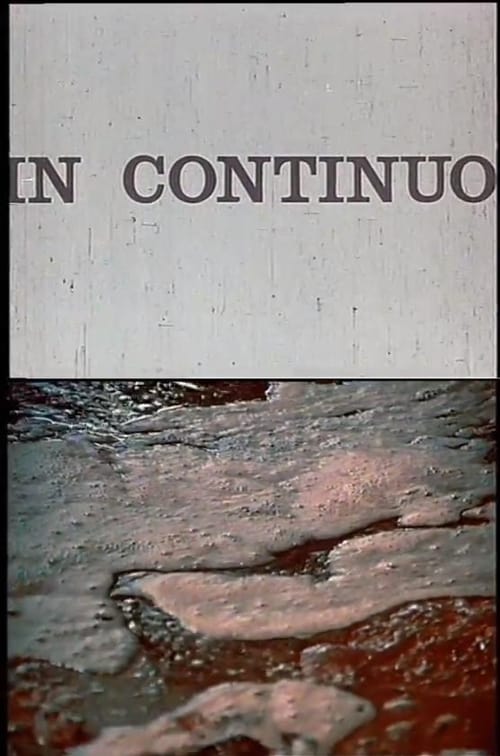
In continuo
6.8

"In continuo" uses slaughterhouse imagery to present the warlike nature of man, first depicting the cleaning and mechanical preparations for the slaughterhouse and then the killing, however, the animal slaughter itself isn’t shown.

In continuo

1971
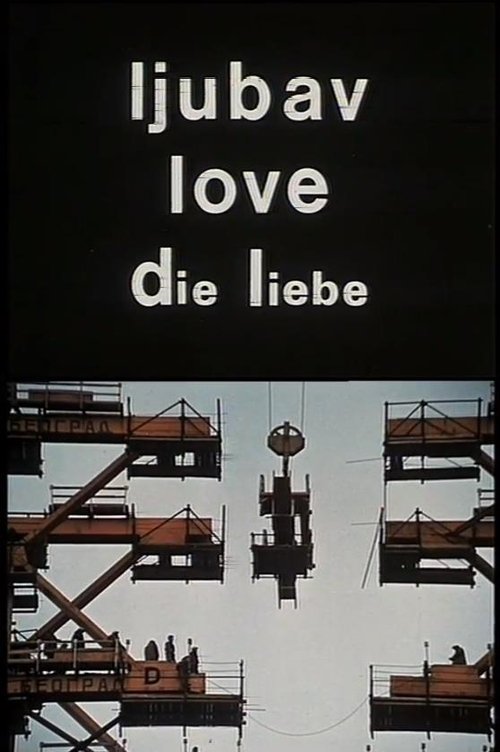
Love
N/A

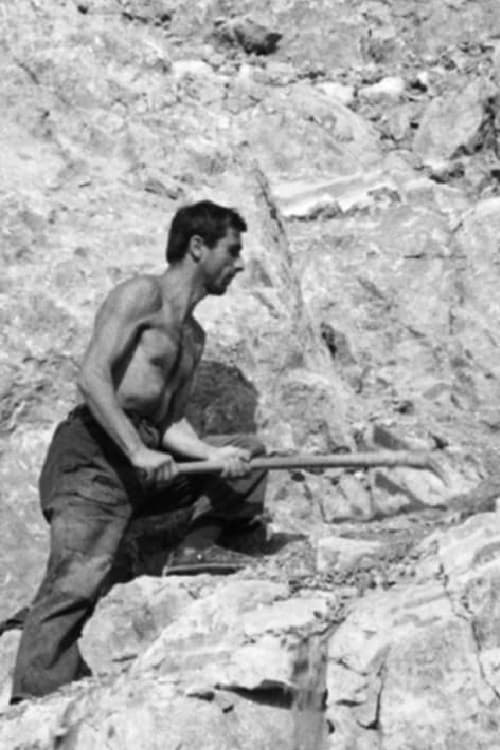
On many working sites where workers spend years away from their families, every visit is an event. A husband climbs down from a potentially fatal construction site to meet his wife for lunch.

Love

1972
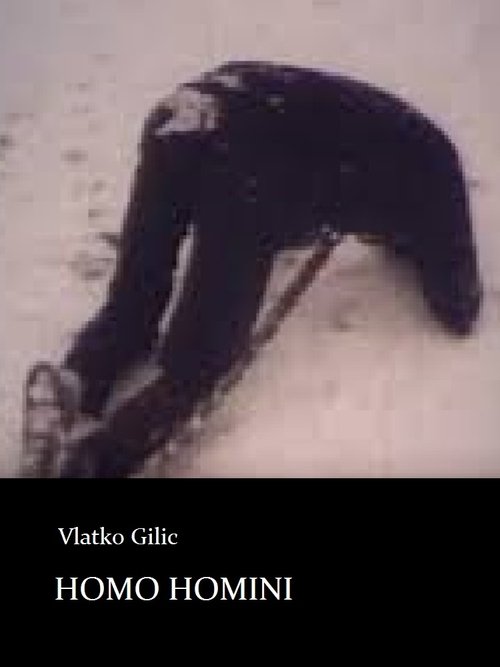
Homo homini
N/A

The second film in Vlatko Gilic’s Sisyphean trilogy.

Homo homini

1970
Little Light
7.3

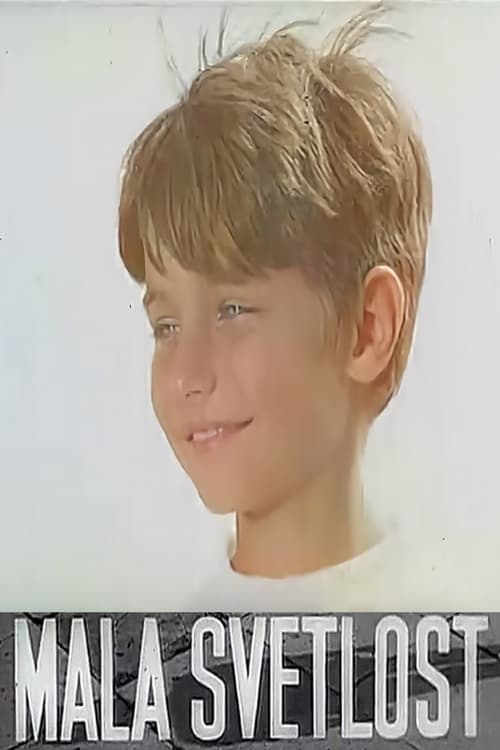
A boy wanders the city alone on a hot summer's day. He tries to escape it, but ends up finding a new friend. The film turns into a literal flight of fantasy.

Little Light

1966
Homo sapiens
6.8

The first film in Vlatko Gilić’s Sisyphean trilogy, Homo sapiens follows a suited man as he takes a trek back and forth across a sandy desert to fill an oversized barrel using a woefully small tub of water. Shot in stark black and white and edited to achieve a dreamlike quality, the man’s devotion to this task is tested and taunted by a young couple that frolics around the barrel.

Homo sapiens

1969