Acting
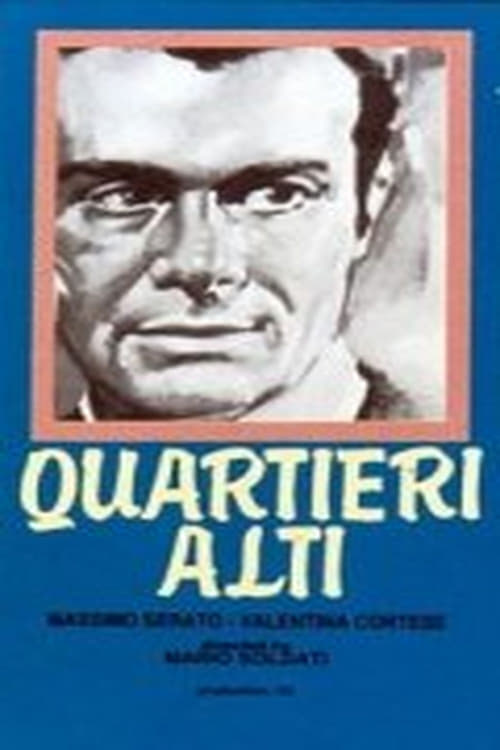
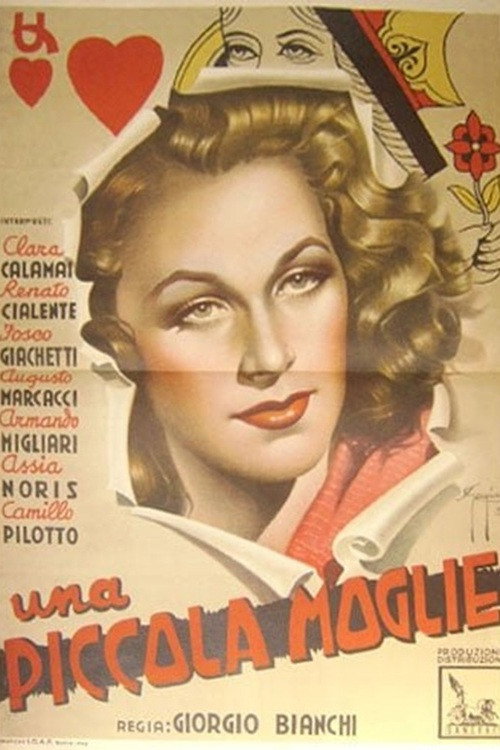
A young man falls in love with a girl from whom he hides the fact that he is already engaged to a mature upper-class lady. To win her over, he hires two actors to portray his parents.
No description available.
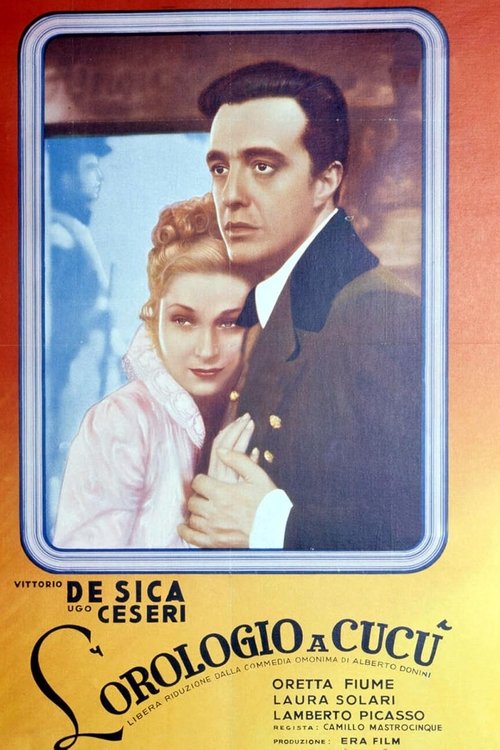
The rich banker Rosen of Livorno fear that the Bonapartist will take all his gold, so he is hiding it inside a cuckoo clock.
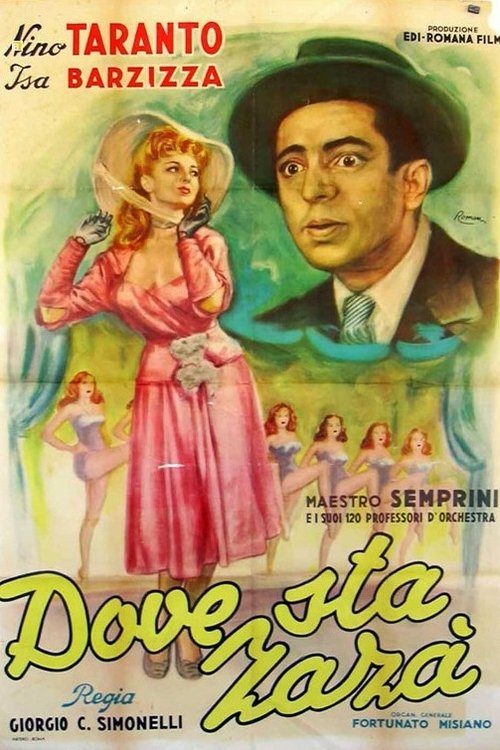
The film is set in Naples. Two doubles, an American and a Neapolitan, alternate visiting Zaza, the maid of a magazine company, deceived by their resemblance.
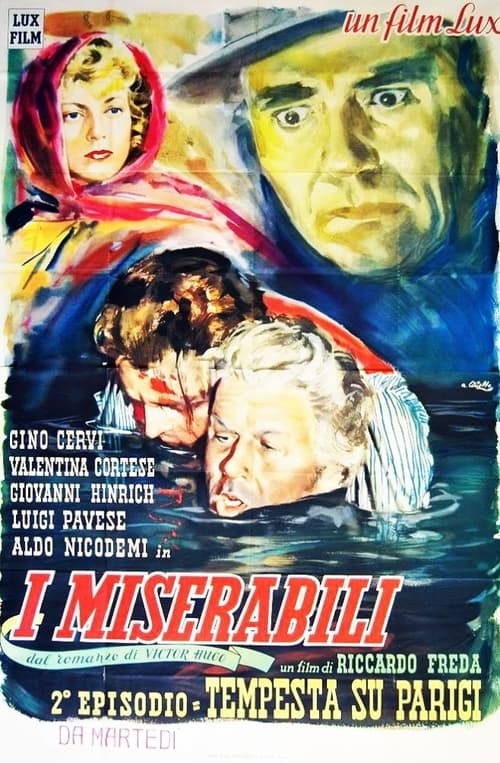
The story of Jean Valjean, still pursued by Javert, continues with a love developing between Cosette and radical student Marius, a blackmailing attempt by suspicious innkeeper Thenardier, and a climax on the barricades of Paris.
A comedy film.
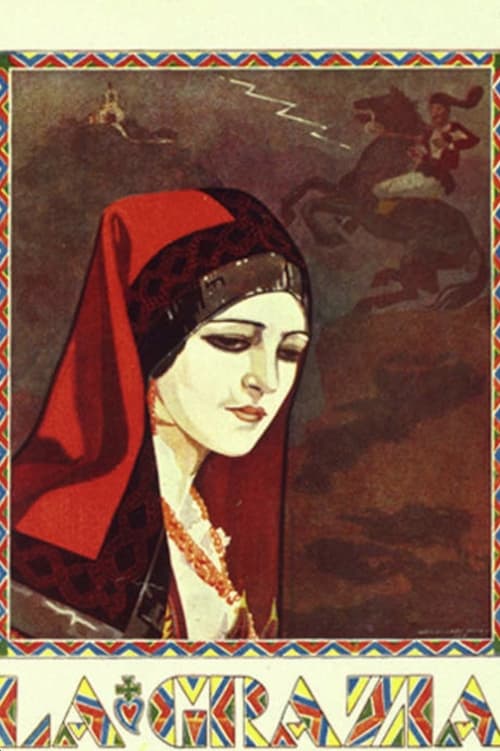
Based on a short story written by Novel Prize for Literature in 1894, Grazia Deladda, “La Grazia” is a classic Italian-drama that follows the story of the a man (Giorgio Bianchi) who fell in love with beautiful shepherdess (Carmen Boni). Separated by fate, the man had an accident on his way back to his wife. For years, absence of her husband has made the woman suffer. She takes care of her child while waiting for her husband’s return.
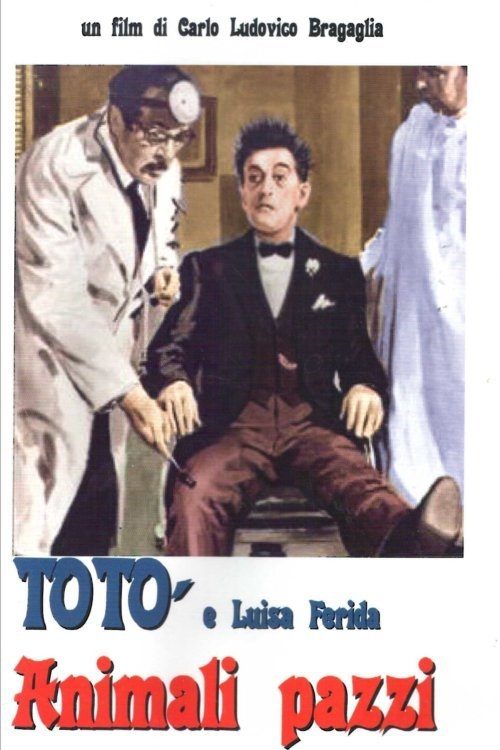
After several unsuccessful suicide attempts, Totò finds himself in an animal asylum.
Madeleine is a beautiful married woman, hopelessly attracted to her former lover, Jacques. This obsession leads to the destruction of her life and eventually drives her to suicide, while her husband goes insane.
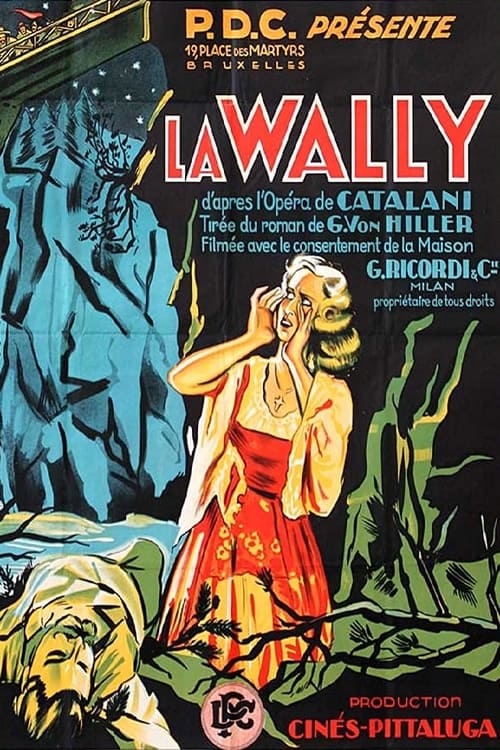
Old fashioned opera adaptation: A feisty and free spirited woman of the Tyrol withdraws to a mountain peak when she is separated from the man she loves. When he later attempts to rejoin her, disaster results.
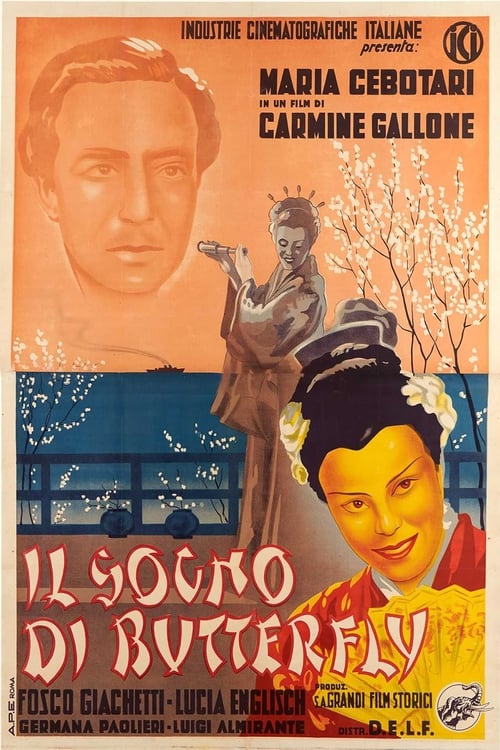
Italian filmmaker Carmine Gallone was still in his "operetta" mode when he helmed 1938's Il Sogno di Butterfly (Dream of the Butterfly) Maria Cebotari plays opera diva Rosa Belloni, currently starring in a production of Puccini's Madama Butterfly. The plot thickens when Rosa's backstage life begins to mirror the travails of the character she is portraying. The climax comes when Harry Peters (Fosco Giachetti), the American father of Rosa's illegitimate child, returns after four years with his new wife in tow, leading inexorably to a doleful ending both on- and offstage. Critics complained about the substandard photography in Il Sogno di Butterfly, but this might have been due to poor laboratory work.
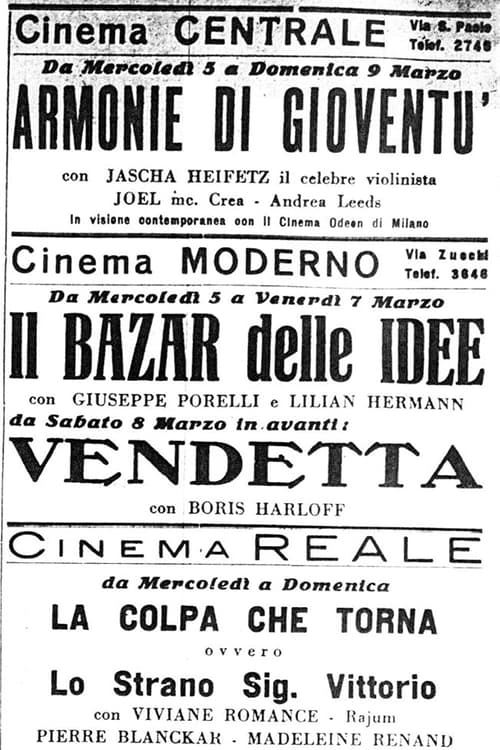
Anna, a rich lady, decides to finance in great secrecy a singular enterprise: the founding of a real center for the creation of ideas, directed by Mario Morelli, a poet and songwriter perpetually waiting for great success, and a painter, Enrico Bovio, who cannot find the inspiration or the model for a portrait of a woman he wants to finish. Both are short of money and, convinced of the brilliance of their ideas, wish to open that bizarre business, called precisely the "Bazaar of Ideas".
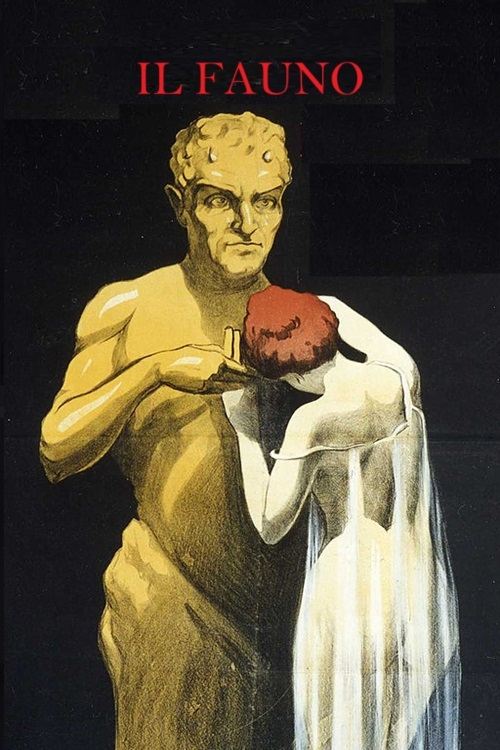
The model Fede loves the writer Arte, but he is enmeshed by the beautiful Femmina. Fede takes comfort in the Faun, a mythological creature who becomes animated from the stone sculpted by Arte. The love story with the Faun represents a return to a dreamt wildness impossible by now, for the modern man, to reach and maintain.
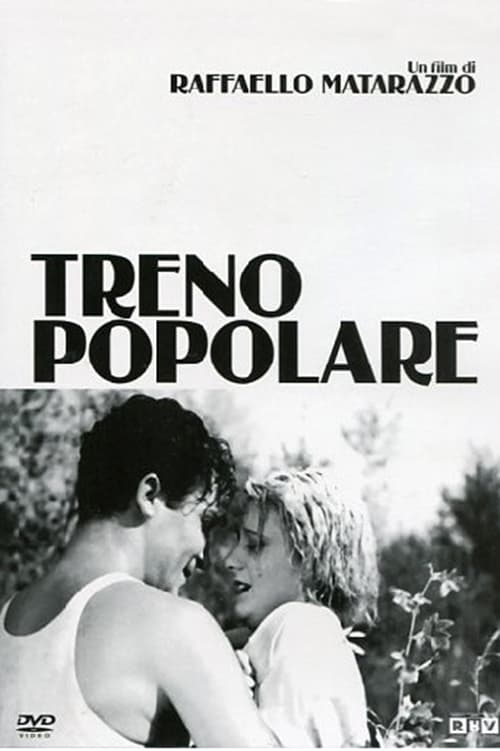
The film portrays the comic adventures of a group of summertime travellers. Produced at the height of the fascist era, Treno popolare was nonetheless free of propaganda, and featured the first film score by the legendary composer Nino Rota.
A woman, a theatrical impresario, simulates the theft of a precious necklace for marketing purposes. A young singer living in the province is believed to be responsible for the theft and is arrested.