Acting
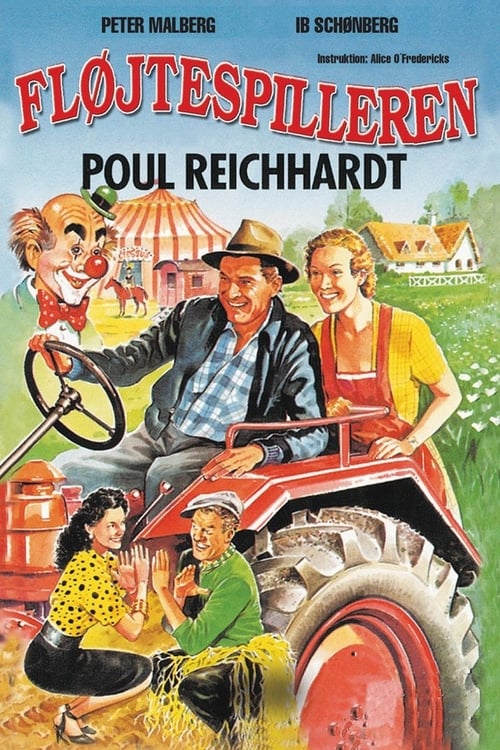
A bunch of wagons are crossing the border. It's the Karla Circus, which, after a rough season in Germany, is gonna try its luck in Denmark. Mrs. Karla, the beloved and respected circus director, goes through passports and papers with the customs officers... everything's fine, so the circus caravan can keep going to the next town. One of the circus employees is caught harboring a vagrant in his wagon. But when it turns out that the vagrant is an excellent flute player, he becomes an asset to Circus Karla.
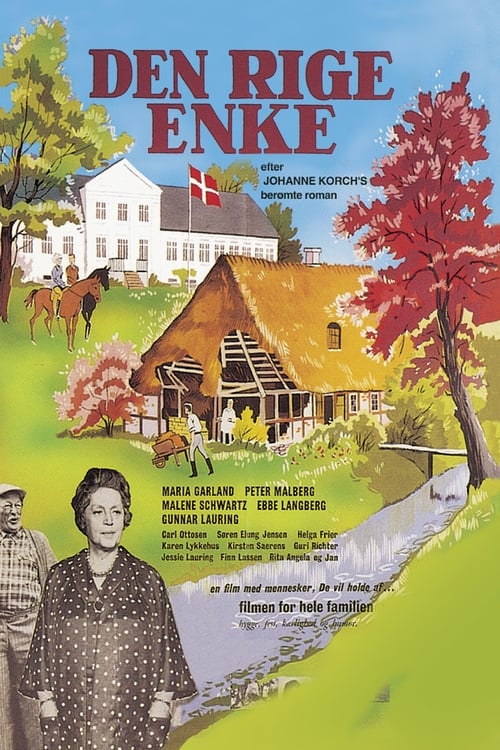
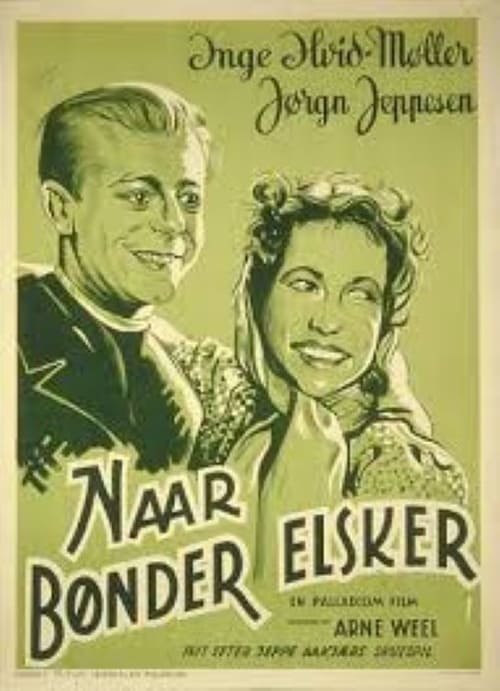
Ellekjær's future is on Ann-Marie's mind. She tries to get her adopted daughter, Grete, married to Erik von der Rude, but Grete loves the farmhand Jørgen. They decide to get married, after which Annemarie disowns Grete. However, Ann-Marie's other daughter, Elin, is in love with Erik. Erik's past in Copenhagen catches up with him, and Elin moves in with her sister. The film then goes through a series of complications before Elin and Erik can finally get married and Ann-Marie is reunited with her daughters.
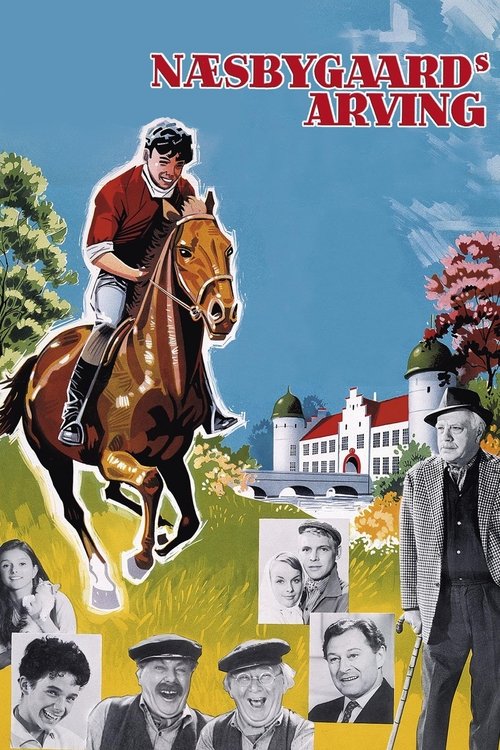
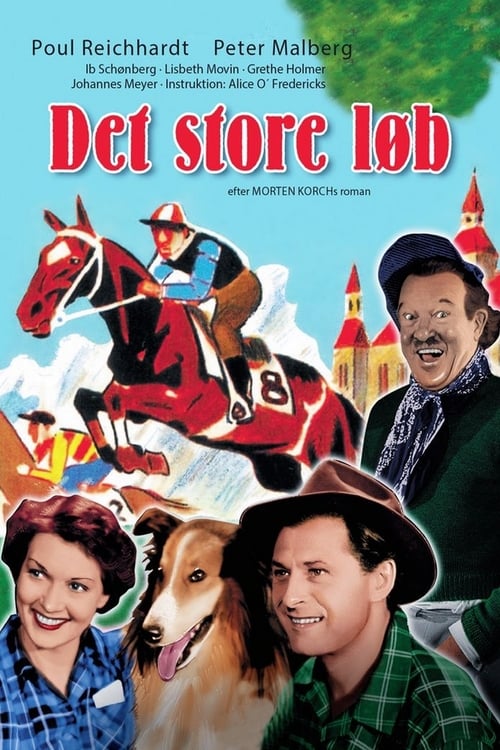
Due to his weakness for women and gambling, the old landowner Vilhelm Stone has ruined his marriage and lost his son and friends. But when he dies, his son Niels returns home from Australia to take over the estate. However, it is not that simple. Lawyers drag out the inheritance case, and initially Niels only inherits the racehorse Ibrahim. Niels is determined to win the big race of the year at the racetrack, and it is here that Poul Reichhardt sings the famous schlager Ibrahim to his horse. In the battle to get the family estate, Niels gets incredible help from his faithful companion, the farmhand Nicholajsen.
Landowner Martin Kaas lives with his grandson Martin at Næsbygård. Martin is an avid horseman. One day, his horse loses a shoe, so Martin goes to see the village blacksmith Mortensen, where he meets the blacksmith's foster daughter Elise. The blacksmith is known to be an honest and religious man, but no one but Elise knows how brutal and cruel he really is. Elise discovers that her foster father, together with the estate's manager Hermansen, is involved in many shady deals that are not in the best interests of the estate. Martin, who often feels lonely, forms a warm friendship with Elise. One day, Martin disappears, and a letter left on his bed reveals that he has been kidnapped and that only a large ransom can bring the boy back.
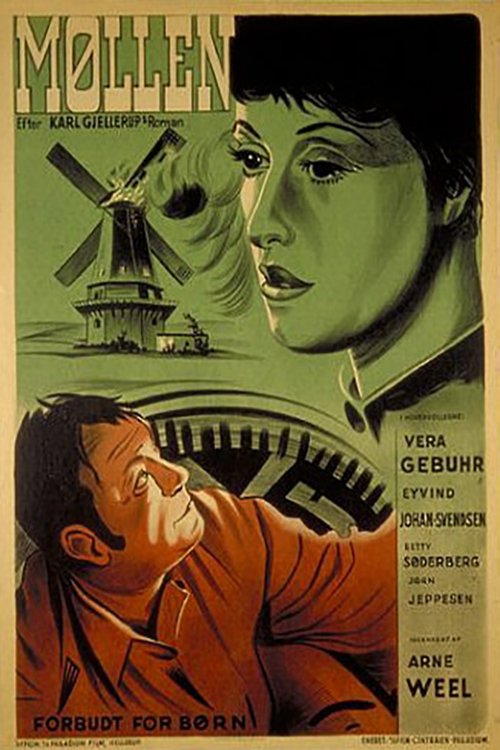
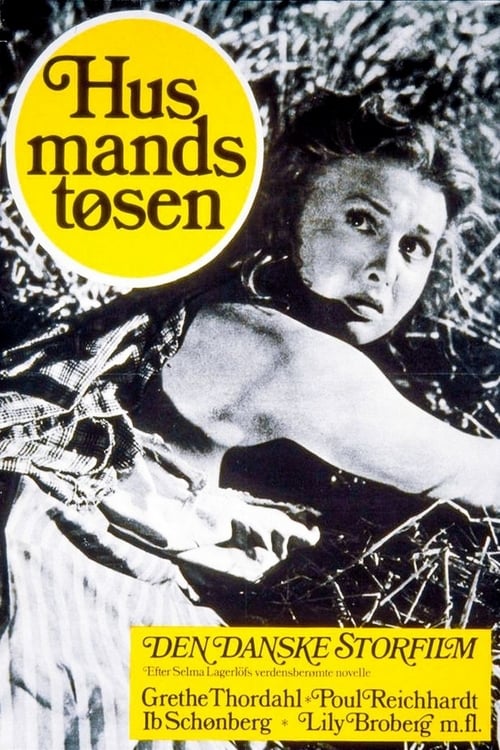
When Møller Jakob Clausen of "Højmøllen" sits at his wife's deathbed, he makes her promise that if he marries again, he will choose a woman who will be good to their little son, Hans. And in motherly care for her little son, the dying wife mentions the forester's gentle and kind sister, Hanne, who will surely be able to become both a faithful wife for the miller and a good mother for Hans.
Danish social democratic propaganda film. During the Occupation, the young freedom fighter Søren had a good working relationship with a comrade in the resistance movement, despite the fact that Søren was a social democrat and his comrade a communist. After the liberation in May 1945, the differences that had been less important during the war begin to stand in Søren's way. Both his friendship with his comrade and his relationship with the wealthy Inger fall apart in the summer of liberation. But through his work in the Social Democratic Party, Søren experiences a renewed enthusiasm and resumes his relationship with Inger. Together, they actively engage in the party's work and both see it as an extension of the struggle for freedom during the occupation. Denmark's entry into NATO is particularly important.
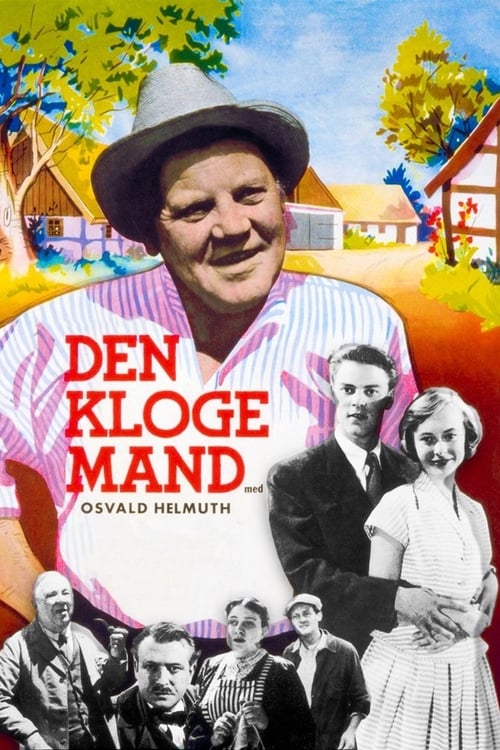
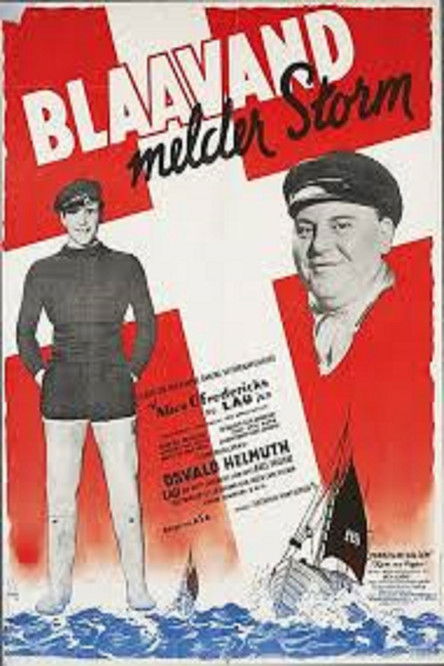
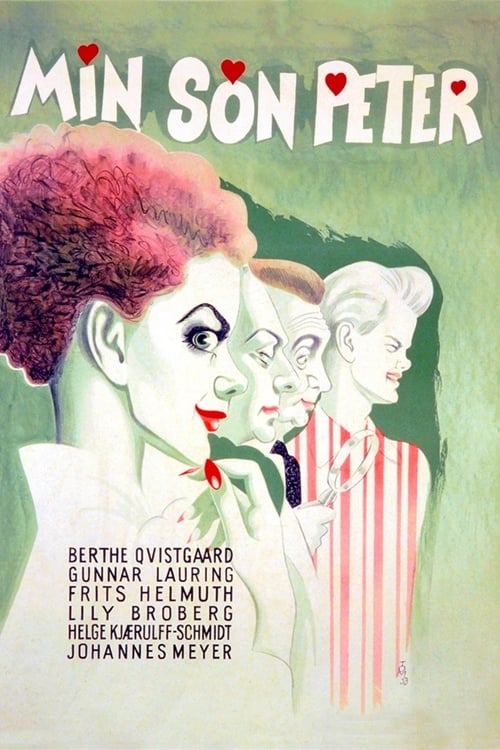
In the small idyllic town Randrup, lives on nature-loving and friendly thatcher Rasmus Thomsen (Oswald Helmuth). In addition to refurbish people's roofs, he runs a small "geschæft" that "The wise man". Son Ulf (Frits Helmuth), which reads the doctor's home on leave before the final exam in Copenhagen. Rasmus' big dream has always been that Ulf had to be "real doctor" and achieve what he always wanted so dearly. By thrift and income have gained through the many patients who seek Him from far and near, he has been able to afford his son's studies. His reputation as a wise man has knowledge of.
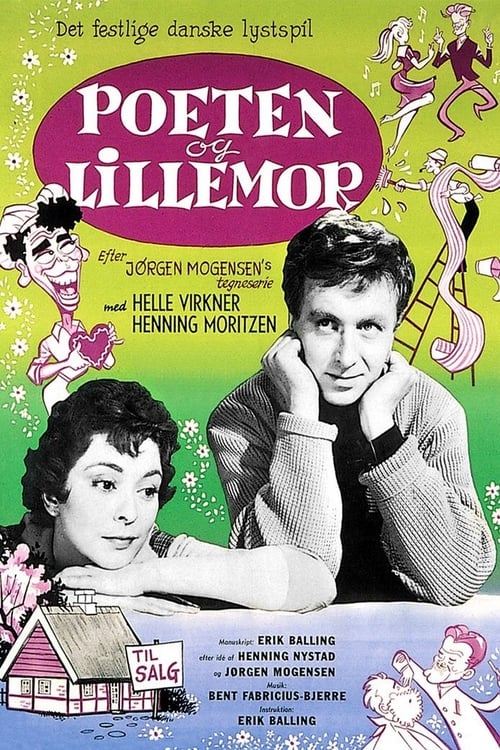
Poeten and Lillemor are making their living on his writing, but the general interest in modern poetry is low and their income very small. A creditor is dogging them, when a sudden bequest gives them some breathing-space. They buy an old house in a small village, where living is cheaper than in Copenhagen. The villagers are distrustful towards the newcomers. After a while the baker, the butcher and the grocer won't give Poeten and Lillemor credit anymore. Also the old creditor is back dogging them. Should Poeten renounce his high poetical standards and write simple verses for popular music, to get money?
The cause of the traffic accident should not be sought at the time of the accident itself, but long before. The motorist who has been drinking a little. The cyclist who is busy and the motorcyclist who drives correctly but still falls victim to an accident due to the ruthlessness of others.
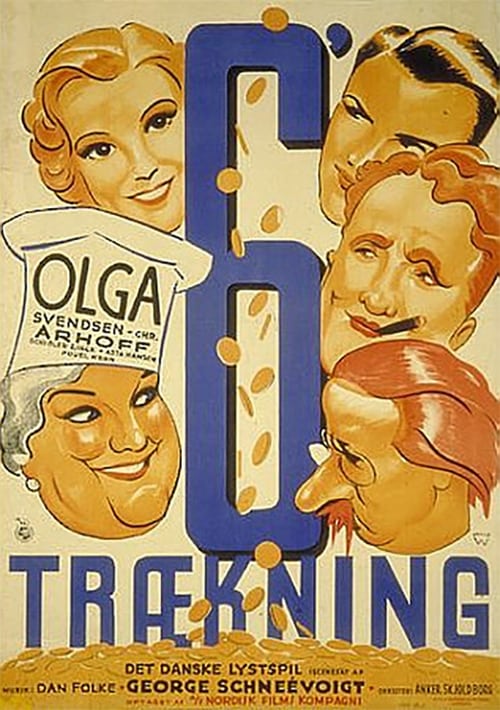
Before tipsters and electronic lottery games, you could turn to centrally located citizens who sold lottery tickets. One such person is Peter Blomberg, and with him, butcher Lund and his wife won a quarter of a million Danish kroner! In 1936, that was so much money that you could throw it all around and radically change your lifestyle. And Mr. and Mrs. Lund do so in the most festive way... and Blomberg should also have a piece of the cake...
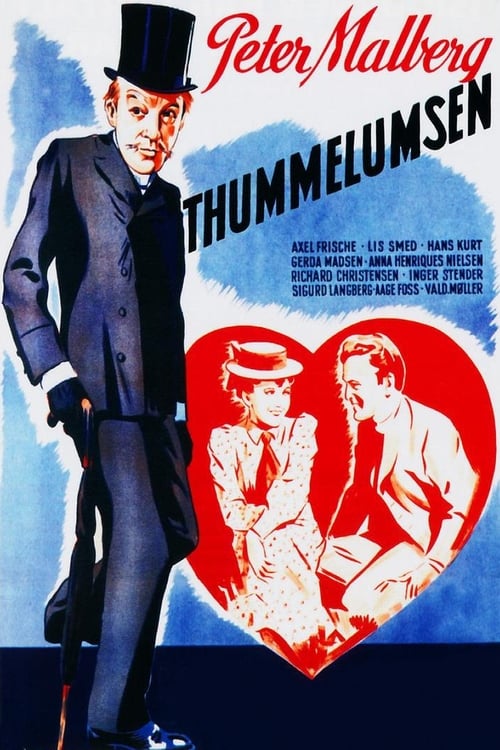
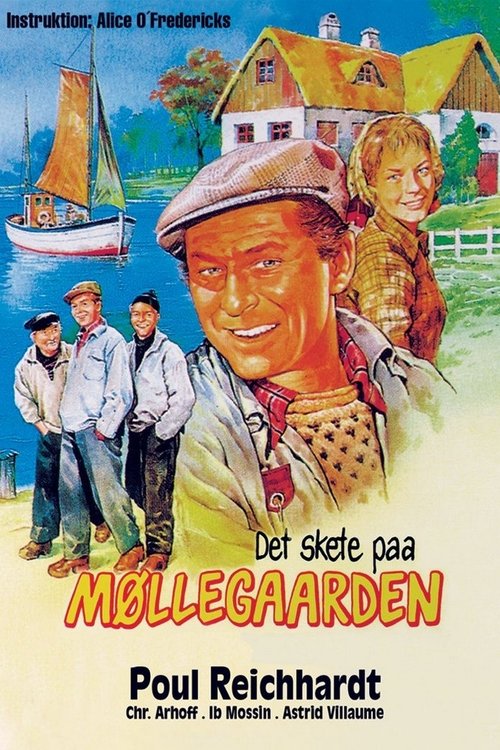
In the idyllic provincial town of Gammelkøbing lives Emanuel Thomsen, known as Thummelumsen. It is his great dream to buy the Møllegården, which was once owned by the family, and for 15 years he has been scrimping and saving to get by. In the meantime, he has been followed by several hopeful female glances, because even though Thummelumsen is no Adonis, he is full of energy. And when one day he wins 12,500 kroner in the lottery, everything seems to be going well. But then the bag is shaken once again...
The small local train trundles laboriously into Torslev station. The stationmaster is standing on the platform wearing slippers, waiting for the train. When it stops, it turns out that there is only one passenger on board. A younger, strange-looking, elegantly dressed man steps onto the platform with a couple of suitcases with lots of nice brands from foreign countries. The man's name is Nelson. Many years ago he went abroad. Now he is returning home to see how things are in his hometown.
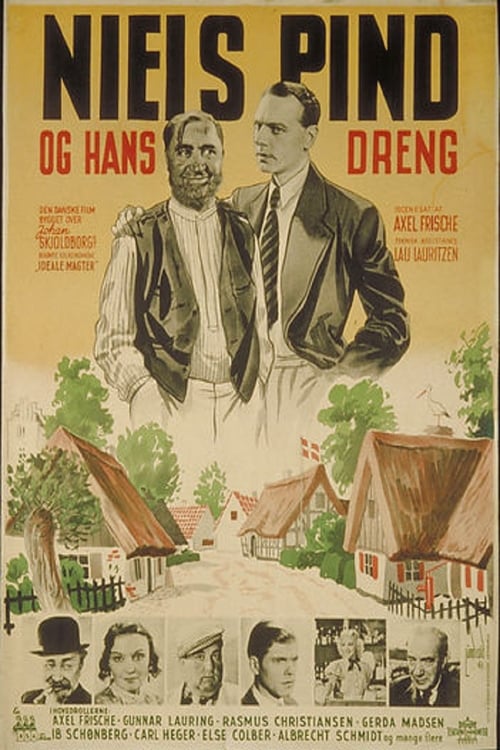
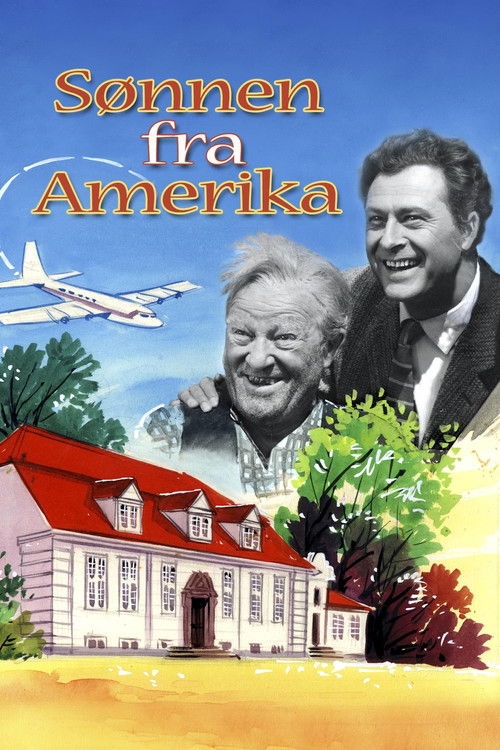
Niels Pind is a drunkard who is exploited by some of the town's residents. This comes to an end when his son, Jens, returns from America with a lot of money. Jens buys the local estate and starts extracting gravel from the ground. He quickly gains a bad reputation in the area because he only thinks about money. Niels Pind disowns his son. However, Jens changes as he falls more and more in love with Ingrid.
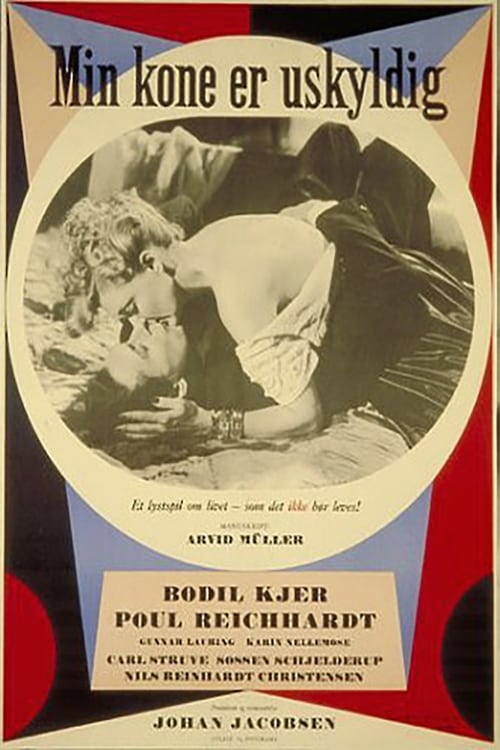
Frederik makes various scams. As money is once again tight, Frederik and his wife Betty decide that they must go in new directions. Frederik dies and Betty cancels the life insurance. At first, things go very well for Betty. At the same time, Frederik is very jealous, which is why he decides to check Betty's relationship with men. Frederik appears as Frederik's brother, Carl. Carl and Betty have a few pleasant days together. Betty suspects that Carl is actually Frederik, but how could she know for sure. At the same time, the web begins to tighten around Carl/Frederik.
Two rival young men both desire the merchant's pretty daughter, a bad young man robs the merchant's safe and blames it on "mother-in-law's dream", a worldly-wise grandmother directs the battle of love from her living room, and a couple of silly railway workers spread song and joy.
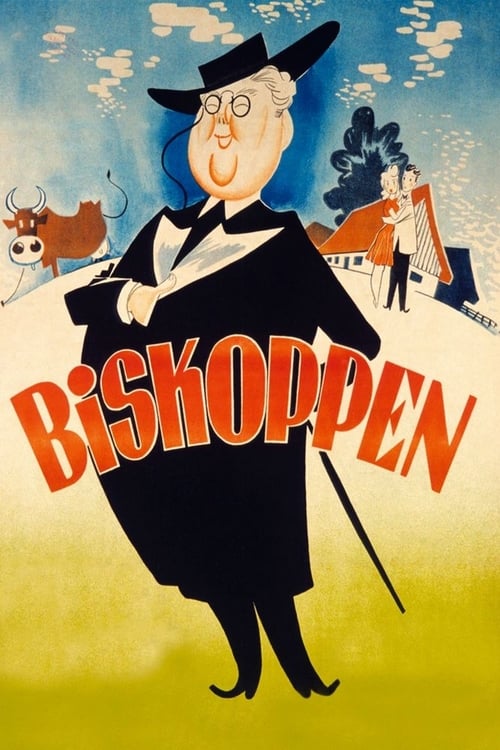
The priest on Snarø, Adam Valerius, is a widower for three years, and the young ladies in the parish are queuing up to become the next priest's wife. But when Adam's single housekeeper suddenly becomes pregnant, the small community gets talking, and soon the bishop is summoned. By a twist of fate, the Copenhagen actor Emil Flor, who is on his way to the island, is mistaken for the bishop, and he gets into the role and elegantly resolves the conflict. But then the real bishop appears...
A woman is found strangled in her shop. Shortly after, another murder is committed. Perhaps the most terrifying is that the both girls' name is Sonja. The police is convinced it's the same killer and at each scene is heard a woman singing the same song. A song which is soon dubbed the 'murder melody.'
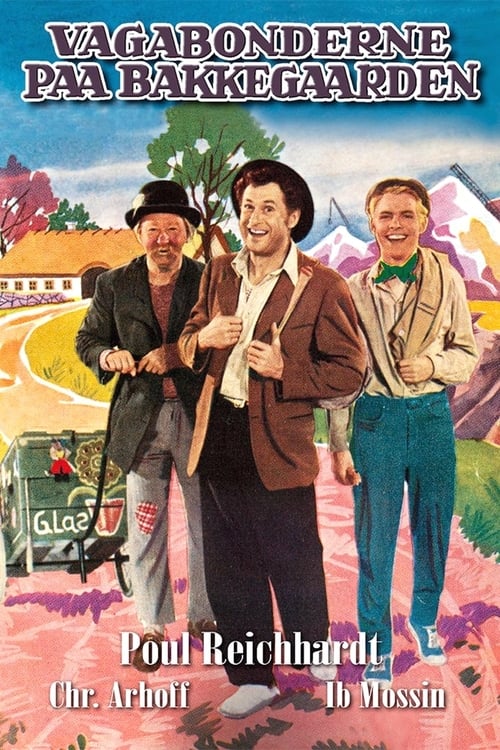
The two friends, Fy and Bi, come wandering along the country road as so many times before without a destination and - without food. Hunger torments them, and they stop with wide eyes at a bakery truck, whose back door is open and opens the view to sumptuous trays of pastries and mayor's bars. However, they get a long nose and wander on to an old castle, where they seek accommodation for the night. In the castle cellar they open a book - and immediately they are back in the exciting events and deadly battles of the 15th century. And again we are back in the castle cellar, where Fy now with a bang closes the dusty, old book, and the two set out on the country road again.
The only daughter of an old landowner has died in Italy after leaving her family 15 years ago. Her son now returns home to Denmark. He threatens the landowner's nephew for his inheritance, prompting the nephew to devise several plans to discredit the boy in the eyes of his grandfather. The plans almost succeed, but thanks to help from the priest, among others, the story ends with a reconciliation between the grandson and his grandfather.
We are in a small Heurigen-Café in Vienna. The young singer Fritz Hertzgruber meets a young Danish writer, Jesper Ellekilde, and the two young people become friends immediately. Fritz has been to Denmark as a "Viennese child" and is now an enthusiastic member of the Viennese children's own club. The following evening, the club's annual draw for a trip to Denmark takes place, and Fritz is the lucky one - albeit by detours. Fritz and Jesper are accompanied to Denmark, where Fritz is very much looking forward to the reunion with his foster parents, the composer Emilius Andersen and his wife. They were the sweetest people to their Viennese child, and their home stands in Fritz's memory as the epitome of idyll and harmony.