Acting
The lives of Erik and Anna, students at a nursing school in 1950s Denmark, a time and place where it was not normal for a man to become a nurse.
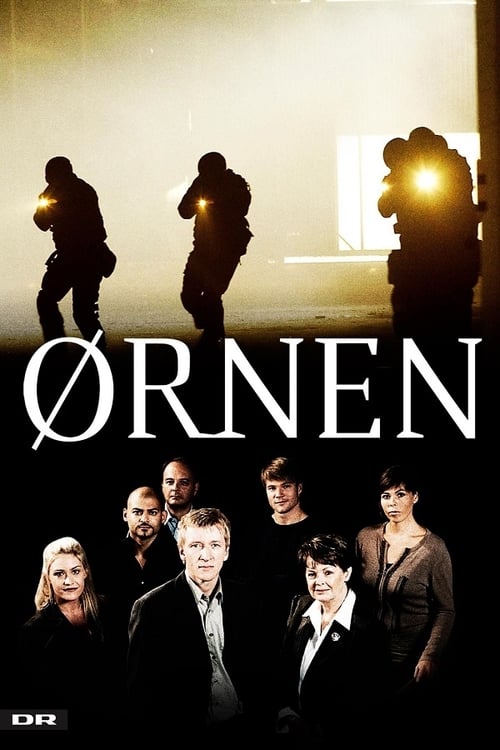
The Eagle: A Crime Odyssey is a Danish police procedural television series produced by Danmarks Radio, created and written by Peter Thorsboe and Mai Brostrøm. The series debuted on 10 October 2004 in Denmark. It won an International Emmy Award from the International Academy of Television Arts & Sciences for best non-American television drama series in 2005. There were three seasons; the second season premiered in Denmark on 9 October 2005 and the third on 8 October 2006. The last episode originally aired in Denmark on 26 November 2006. The series was filmed on location in various parts of northern Europe, from Berlin and Copenhagen to Oslo and other locations including Iceland. The series has enjoyed particular success in Australia, where it airs on SBS and is available on DVD with English subtitles.
No description available.
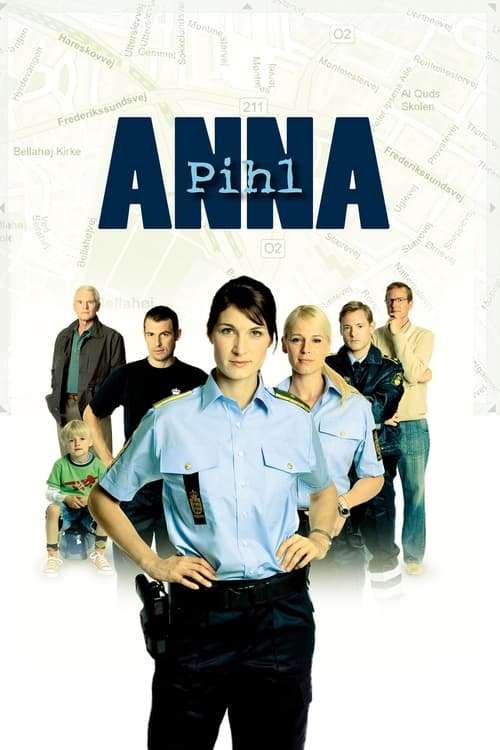
A policewoman is doing her best at the job, but struggles to be there for her son.
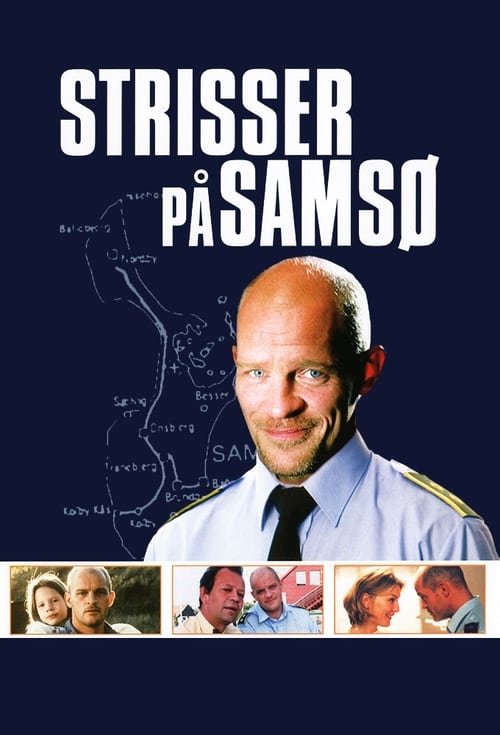
Strisser på Samsø is a Danish television series in 12 episodes, written and directed by Eddie Thomas Petersen. Produced by Per Holst Filmproduktion, it was first broadcast on TV2 in 1997-1998. The story tells how Christian Torp, a police officer who has lost his wife in an unsuccessful robbery, brings his daughter Sille to the Danish island of Samsø looking for peace and quiet. They have difficulty in integrating into a society full of problems where everyone knows everything about everybody, but they find a friend in Ulla, a secretary. Among others, it stars Lars Bom, Amalie Dollerup and Jesper Milsted. The series was entitled "Island Cop" when broadcast in subtitled form on Ireland's TG4 channel.
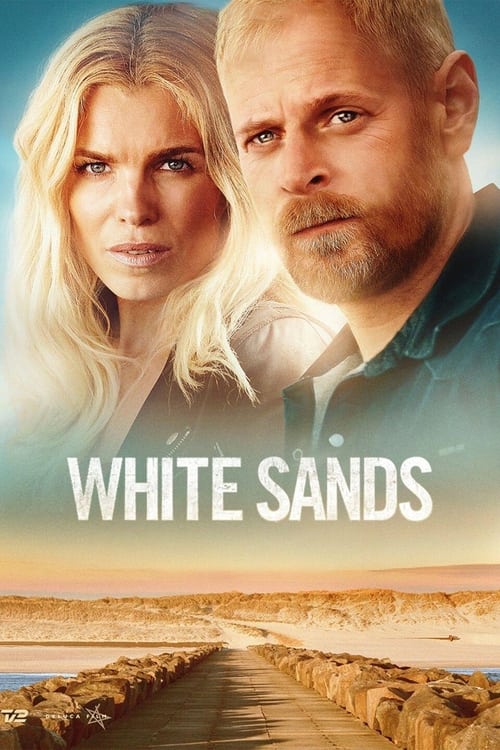
To solve the brutal murder of a young German surfer, two officers are secretly sent to the tourist paradise Hvide Sande on Denmark's west coast. No one in the city trusts the police, so they go undercover as a happily married couple from the big city.
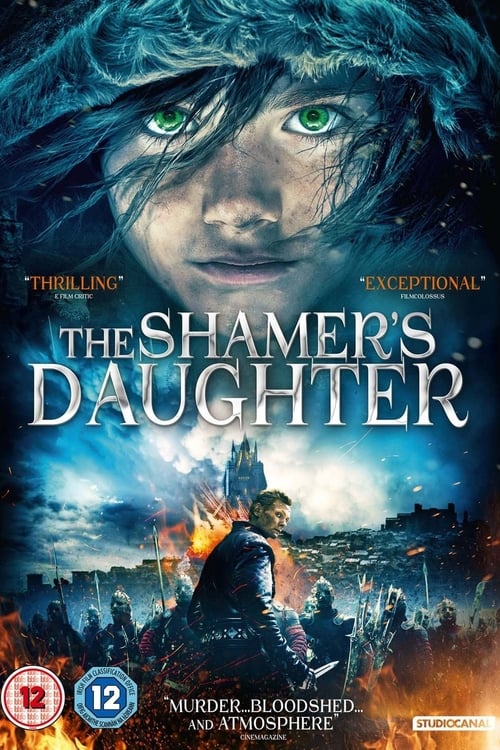
The Shamer's Daughter, Dina, with the magical power of compelling people to admit their most secret shame, must save her family with her newly found father. But he is a Blackmaster, with the power to make people see and believe things that aren't true, so Dina must deal with having inherited this horrible power, while forging a relationship with a father she fears and mistrusts.
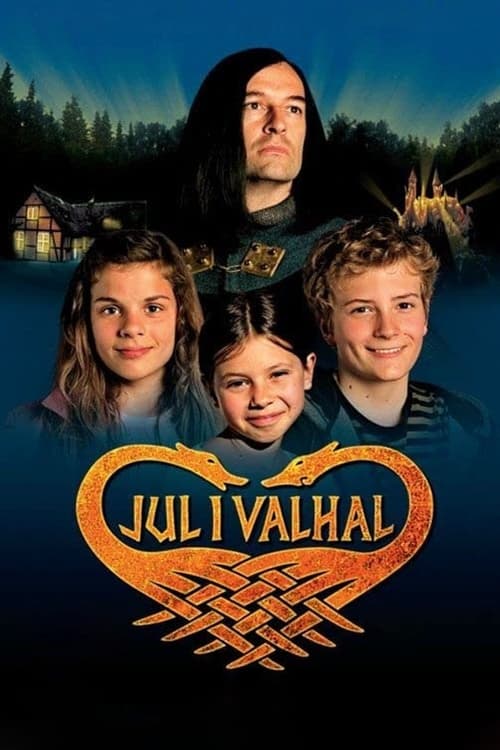
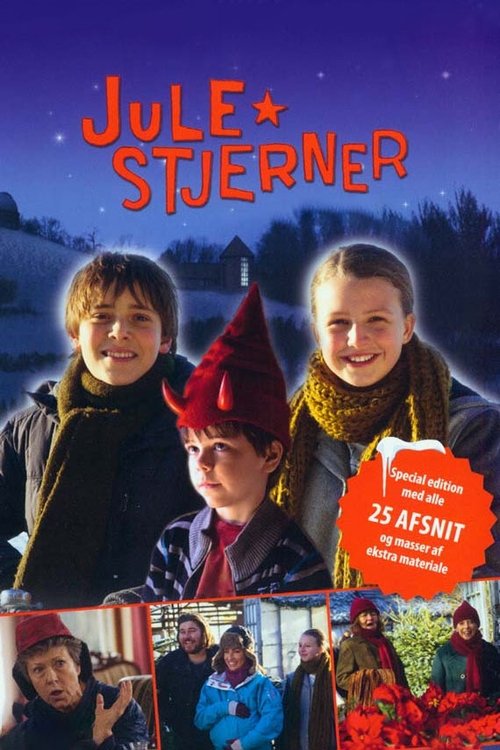
Jul i Valhal is a Danish television advent calendar. It first aired in the December 2005 on TV 2 Denmark television station, on TV 2 Norway in December 2006 and in December 2007 on the Swedish Barnkanalen. In 2008 it is being aired in Finland on Yle2. As a television advent calendar, it has 24 episodes, and one new episode was aired per day from December 1 to December 24. Jul i Valhal is primarily about two children named Jonas and Sofie, and their adventures with the Norse gods.
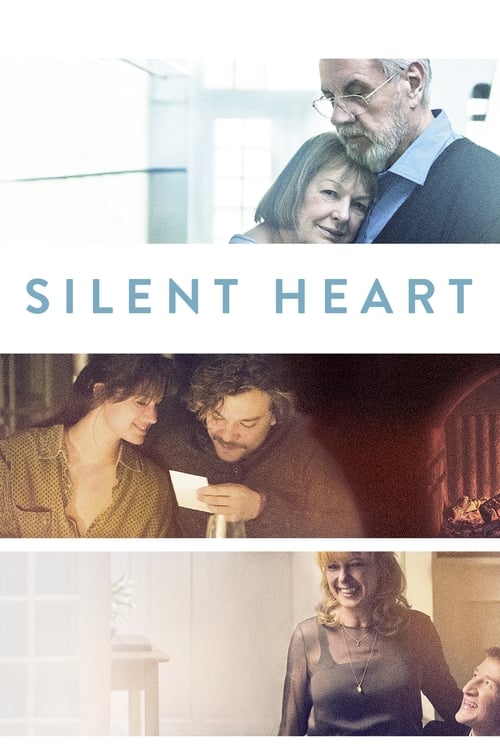
Three generations of a family gather over a weekend. The sisters Sanne and Heidi have accepted their terminally-ill mother’s desire to die before her disease worsens; but, as the weekend progresses, their mother's decision becomes harder and harder to deal with, and old conflicts come to the surface.
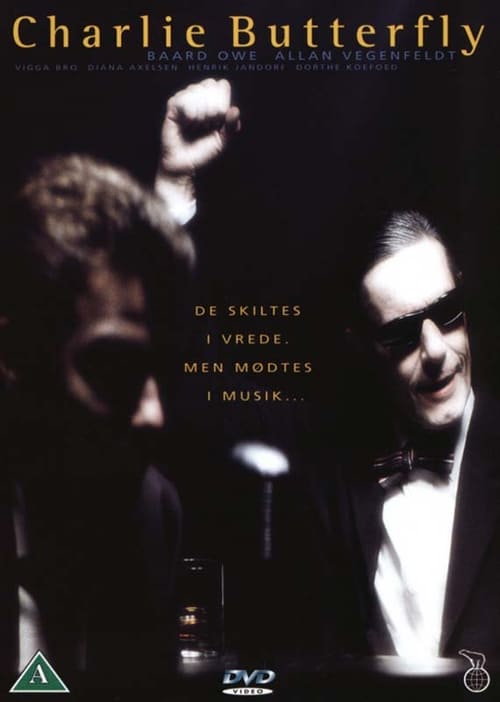
Hans is the name of the film's driving force and central character, an arrogant and fascinating firebrand who meddles in other people's lives with great energy. His son Jesper can only escape him by getting drunk. This is not a smart move when you are a firefighter at the station where your gruff father is the boss. Jesper is kicked out of his job and his home. Shortly afterwards, the only person who loves Hans patiently and unconditionally dies: his mother, whom he calls the Angel. Hans is guilty, he falls apart, tries to kill himself, but ends up blind – and alone.
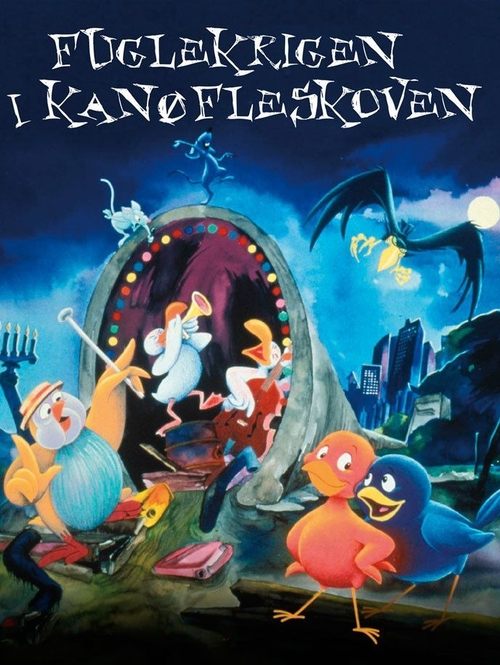
Fagin is the bad bird of an otherwise idyllic forest. He assaults the nest of two wrens and destroys all their eggs except one that, when hatched, is adopted by an owl (patterned on W. C. Fields). A counter-offensive against Fagin is launched with help enlisted from a seagull named Armstrong, two nice mice and a sparrow. There is romance, too, and a jazzy score goes with this animated ornithology extravaganza.
Albert and his best friend Jonas are orphans. They live in the future in a harsh dystopia where the women and children are all dead. The men have begun to change in their yearning for a woman.
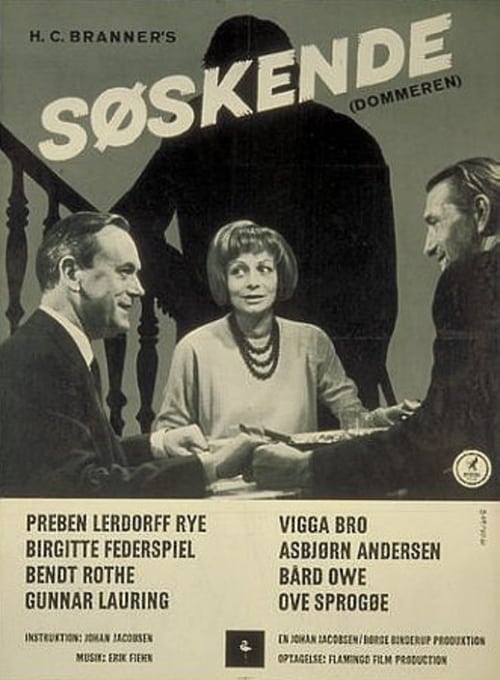
Three siblings see each other again after many years at their father's deathbed. The eldest, Arthur, a lawyer, has everything under control – or so it seems, as the middle child, Irene, is struggling with her abusive husband, while little brother Michael is the outsider, living a sleepless life of booze and prostitutes. When their father is close to death, the three are called together, and a major family drama unfolds in their father's living room. Gradually, they agree that they should stand together instead of arguing about old affairs. But when their sick father suddenly falls down the stairs, it is as if all good intentions fall to the floor again.
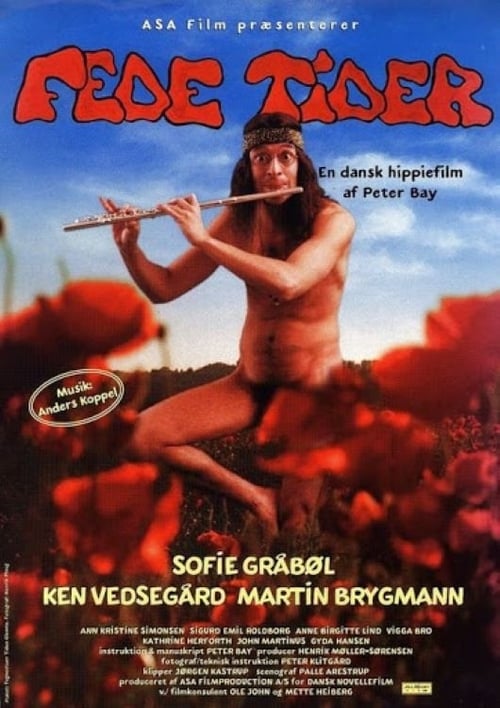
Henrik is young and in love and moves with his girlfriend Anne into a commune in the countryside. It is the dawn of the 70's, a time to challenge authority and experiment with relationships. Henrik is challenged too: His role as a man is exhibited and discussed, he has to learn how to sew, to sleep in the group bedroom, to share his inheritance with the commune and his beloved Anne with a lesbian.