Ivo Caprino
Directing
Biography
Ivo Caprino was born on February 17, 1920 in Oslo, Norway. He was a director and writer, known for Flåklypa Grand Prix (1975), Den standhaftige tinnsoldat (1955) and Musikk på loftet (1950). He was married to Liv Bredal. He died on February 8, 2001 in Snarøya, Oslo.
Known For

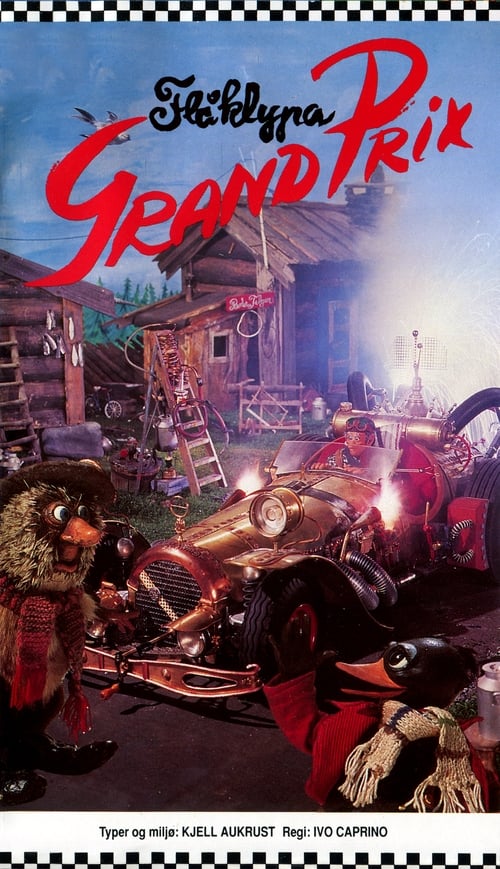
100 miles north, a bit east and up, is Pinchcliffe, the home of bicycle repairman Reodor Felgen and his two assistants, Solan Gundersen and Ludvig. Sponsored by oil sheik Ben Redic Fy Fazan, they build the car "Il Tempo Gigante" to race against Reodor's former assistant Rudolf Blodstrupmoen, who has stolen one of Reodor's inventions to become a world racing champion.
The Pinchcliffe Grand Prix

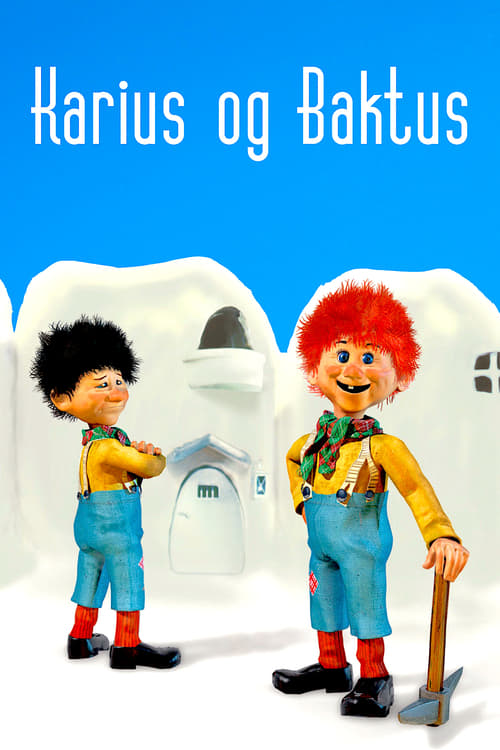
The little tooth trolls Karius and Baktus tries to persuade Jens not to brush his teeth, and their picking holes in his teeth can go on as planned. If the mother's plea to Jens is winning, the happy days of white bread and syrup is over.
Karius and Baktus

Petter and Kari meet, fall in love, and get married. But it's not easy for a young couple of limited means to find a place to live. Moving in with Petter's parents proves impossible, Kari can't endure her mother-in-law's constant interference. Trying to build a house of their own is halted by so much red tape, and affordable rentals is hard to come by. When Kari gets pregnant things doesn't get any easier.
We're Getting Married

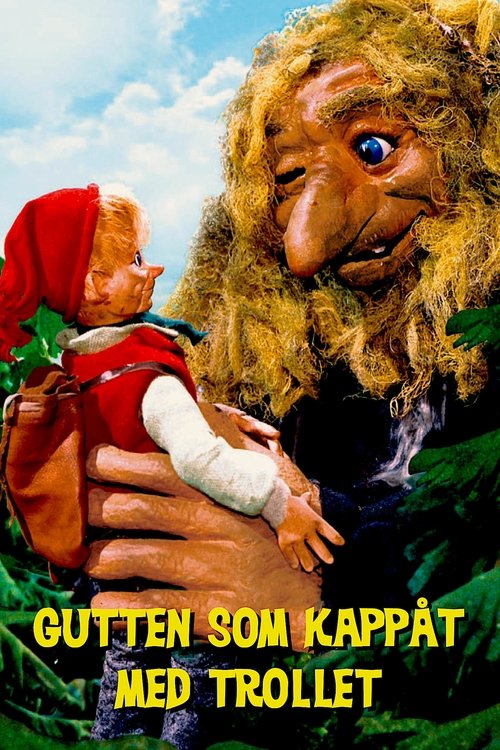
An exuberant story about Askeladden, the hero of Norwegian traditional fairy tales, outwitting the good-natured troll.
The Ashlad and the Hungry Troll

Remo Caprino loosely and grippingly tells the story about the making of the now beloved norwegian movie, the production itself and the cultural impact it has had for almost 40 years.
Before, during and after the Pinchcliffe Grand Prix

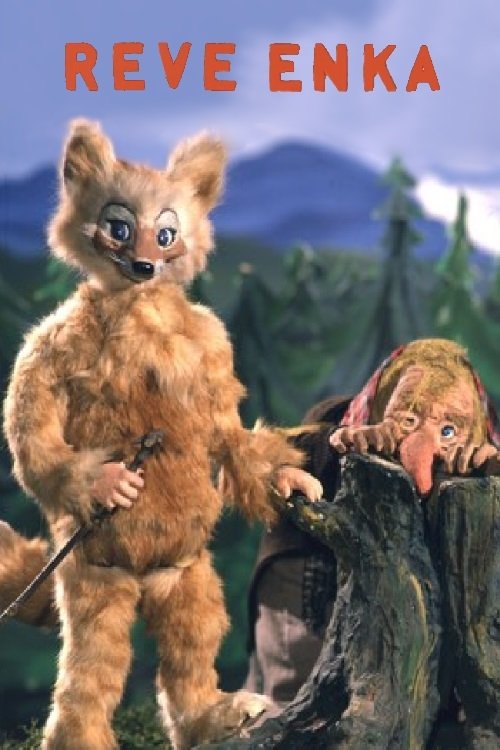
Ivo Caprinos animated adaption of the classical Norwegian folktale
The Fox's Widow

Askeladden (Norwegian "The Ash Lad") is the main character in many Norwegian folktales.
The Ashlad and His Good Helpers

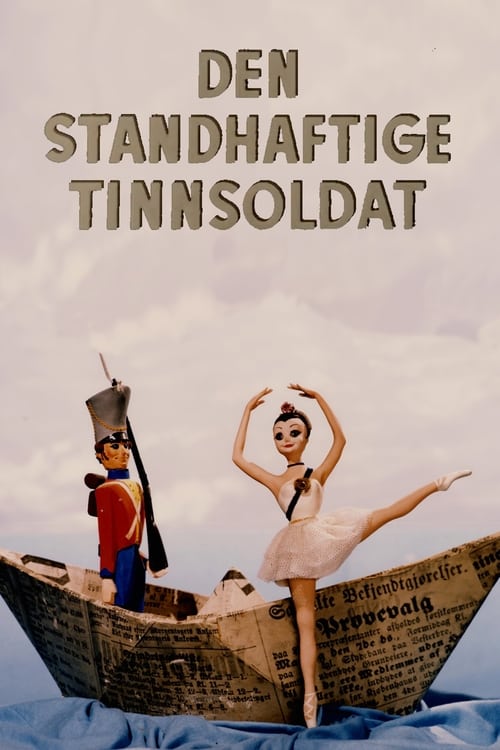
This is the tale of the tin soldier with one leg who won the heart of a ballerina, but was swallowed by a fish before he found his way back to her. The film is a delightful presentation of Hans Christian Andersen's story, employing puppets and clever camerawork.
The Steadfast Tin Soldier

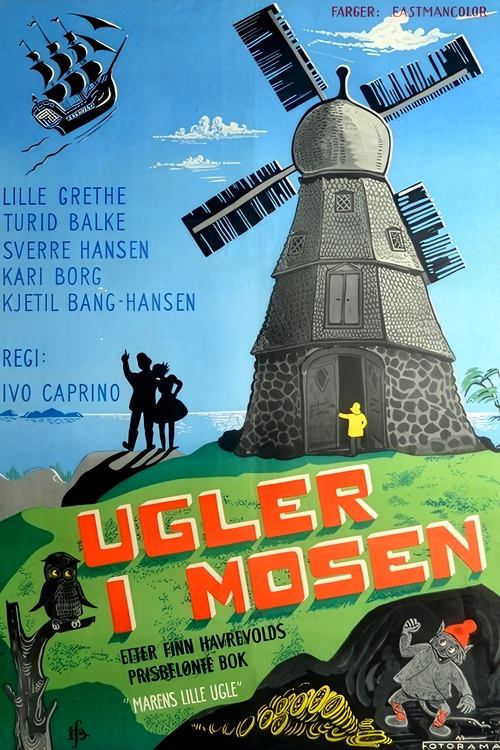
Oslo family the Monsens recieve uncle Pavel's house on the south coast of Norway after his passing. Mr. Monsen is also under the assumption that he has won 5000NOK in the lottery, though things are not as they seem. On an old record, the little girls hear uncle Pavel tell the story of a lost treasure buried somewhere in the house, but to find its location, one must solve 4 riddles.
Owls in the Marsh

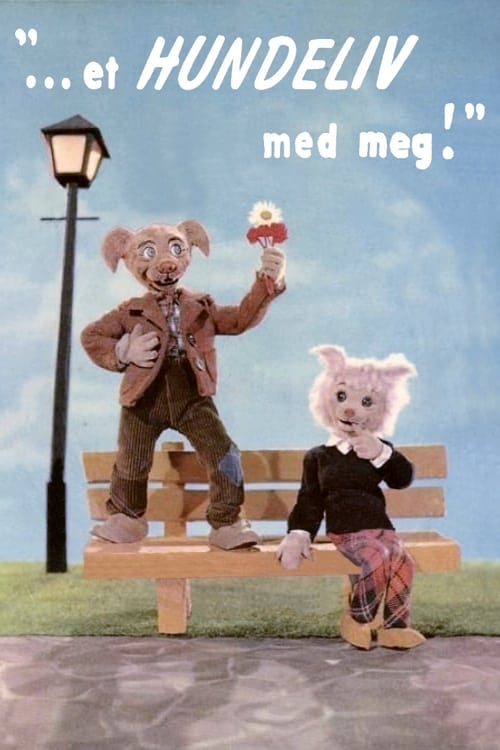
A Dog's Life is about Passopp, a troubadour and storyteller with a sense of the ridiculous, and his beloved Bella, who is both clever and sensible. Having spent all his money at the fun fair, Bella steers him in a different direction and he takes a job as a carpenter in the village of the dogs.
A Dog's Life with Me

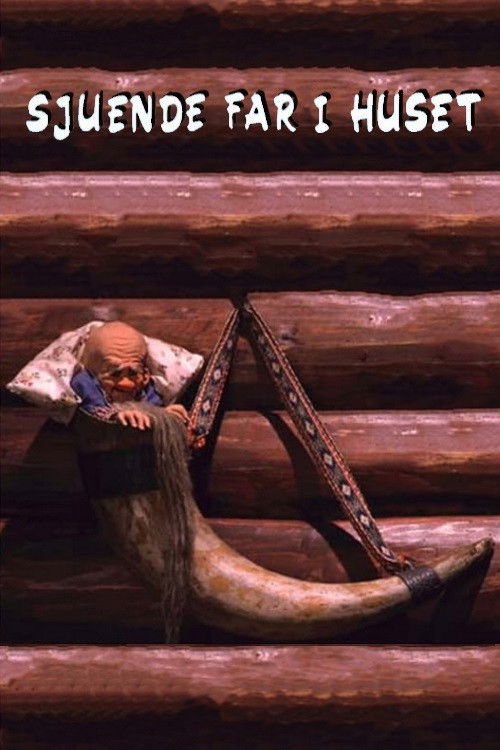
Not until four years after The Fox's Widow was the third fairytale movie, The Seventh Master of the House, released – Caprino's personal favourite. This is a wonderful fairytale and a sharp satire on everyday bureaucracy. Caprino knew all about that – in fact, you might say that the movie was an indirect stab at the bureaucrats who had considered all his funding applications.
The Seventh Master of the House

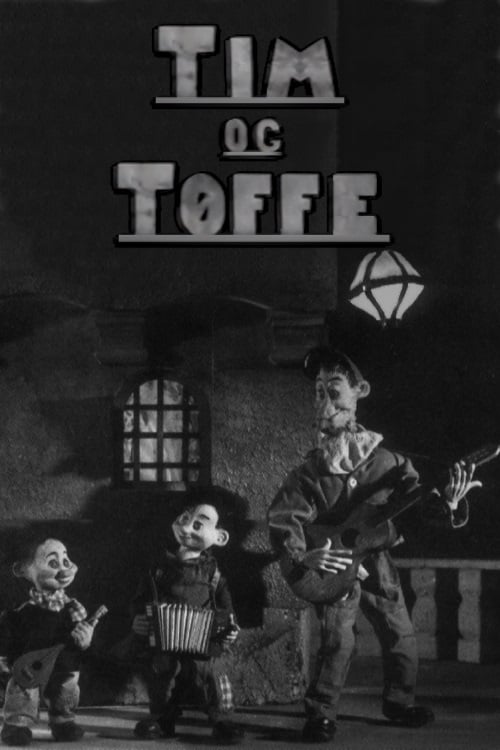
The film deals with the friends and minstrels Tim and Teddy, and the monkey who steals Teddy’s mandolin and heads up the mountain to catch him.
Tim and Teddy

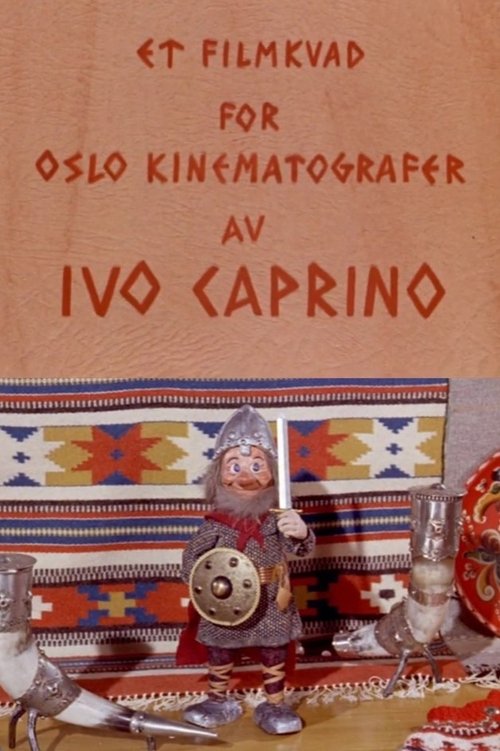
The winning entry in a state-sponsored competition to create the best promotional film for Oslo. // Oslofilm was a series of public information films about life in and around Oslo, produced between 1940 and 1980. Funded by the state, the films offer valuable insight into postwar Norwegian society. A wide range of Norwegian filmmakers contributed to the productions, resulting in a rich variety of styles and expressions. Several of the films also possess notable cinematic qualities, standing out as more than just informational material. The Oslofilms represent a unique and important chapter in Norwegian film history.
Oslofilm: Oslo. Et filmkvad

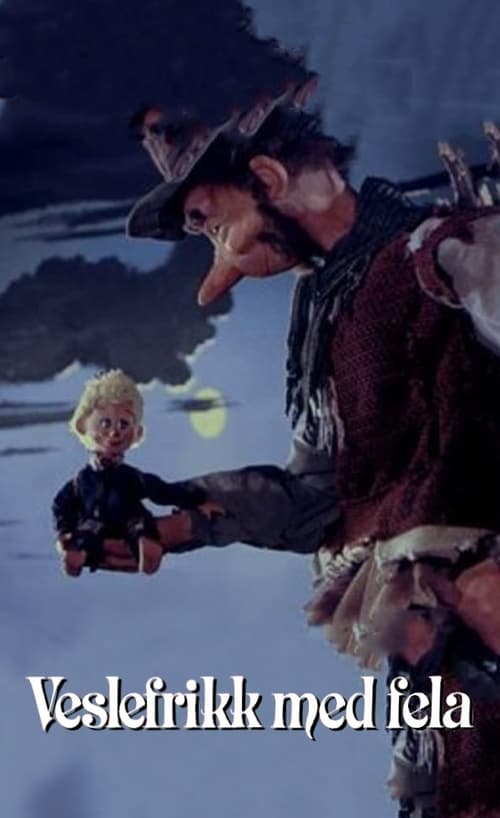
Meet the cheeky, but kind-hearted, Little Frick and his fiddle as he works for three years for three shillings and compassionately gives them away to every vagabond he meets. But the reward is immense.
Little Frick and the Fiddle

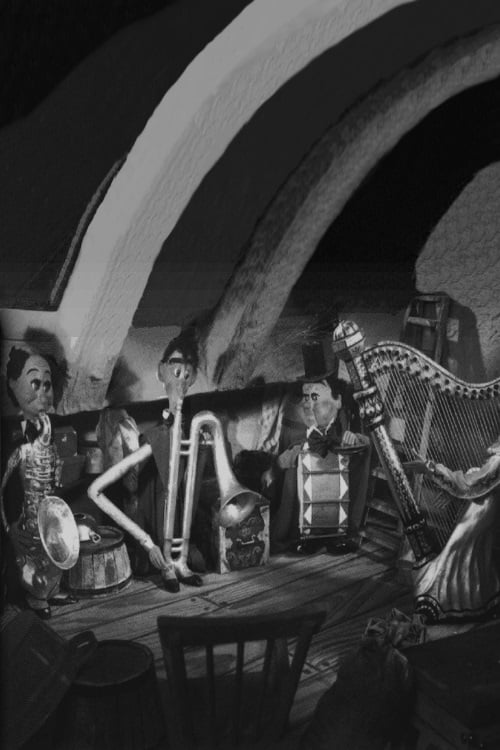
A musical fantasy adventure about Lise and Lotte, that finds out that all the instruments are living. The story continues in the short movie "Musikk på Loftet"
Music in the Attic
Ivo Caprino's short film about sailing.
Seilas

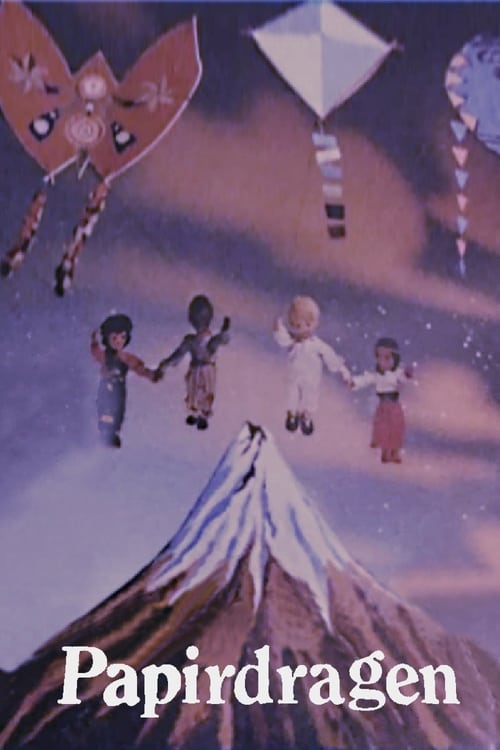
No description available.
Papirdragen

The story of a group of mice who learn the benefits of putting aside their nuts instead of frittering them away.
Scampermouse in a Jam

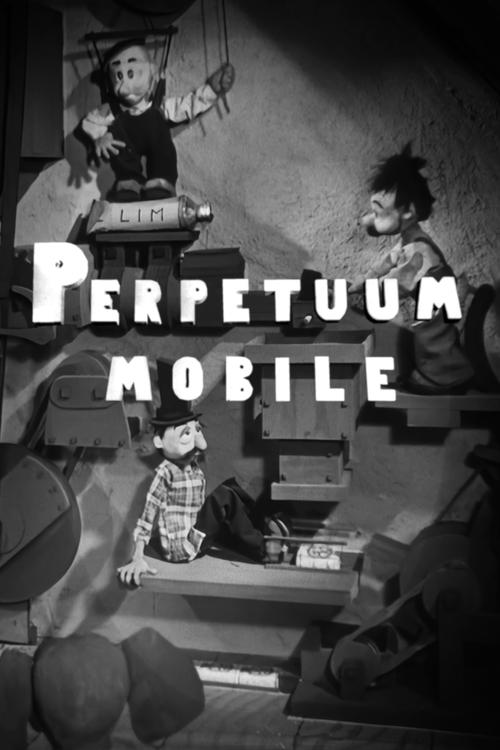
Three-minute-long commercial for a cigarette brand.
Perpetuum mobile

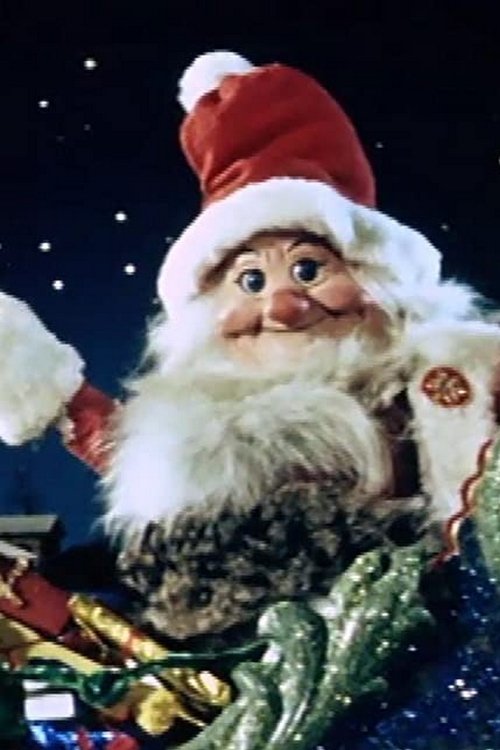
Santa Claus arrives in front of a small group of four children. The film was a Christmas greeting from the Oslo cinema (Oslo Kinematografer) to their audience, in 1955. It was probably shown as a short film before the main feature at the cinema. Music by the, at the time, pupular band The Monn Keys. **** Oslofilm was a series of public information films about life in and around Oslo, produced between 1940 and 1980. Funded by the state, the films offer valuable insight into postwar Norwegian society. A wide range of Norwegian filmmakers contributed to the productions, resulting in a rich variety of styles and expressions. Several of the films also possess notable cinematic qualities, standing out as more than just informational material. The Oslofilms represent a unique and important chapter in Norwegian film history.