Francis Reusser
Directing
Biography
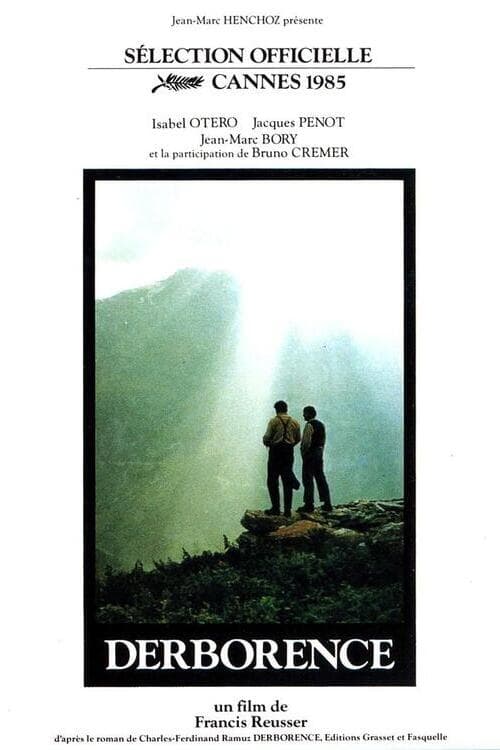
Francis Reusser was a Swiss film director. He directed thirteen films since 1968. His film Derborence was entered into the 1985 Cannes Film Festival. Reusser died on 10 April 2020 after a long illness.

Known For

Marcello Mastroianni, Isabelle Adjani, Alain Delon, Martin Scorsese, Woody Allen... the biggest stars in cinema were welcomed by Christian Defaye on his show Spécial cinéma. Between intimate confessions from actors and immersion in the world of the greatest filmmakers, Christian Defaye took viewers on a journey into the fascinating world of cinema for nearly thirty years.
Spécial cinéma

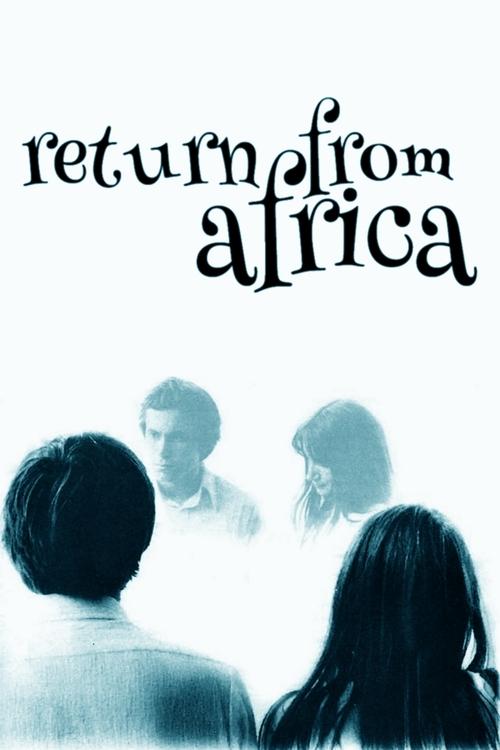
A young Swiss couple, Vincent and Françoise, plan to leave Geneva and settle in Africa: a friend of theirs living in Algeria promises to give them a job there.
Return from Africa

Antoine leaves his new bride behind to go on a skiing excursion with his uncle up the mountain behind their village of Derborence. Nine weeks after an avalanche apparently buries them alive, Antoine returns home. Certain that his uncle has also survived, he resolves to go back up and look for him—leaving his now-pregnant wife behind once more.
Derborence

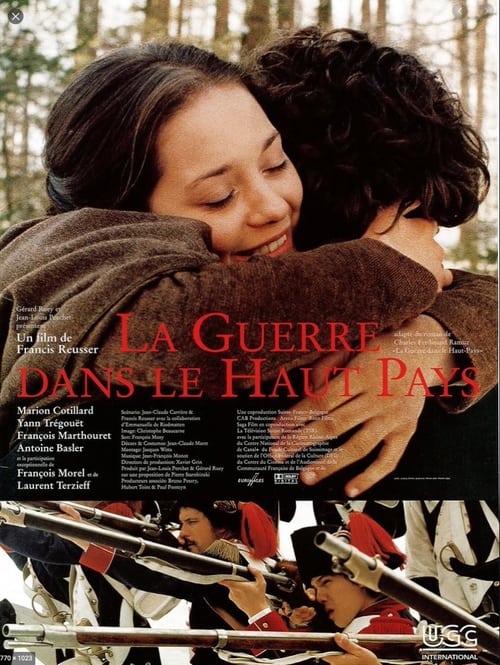
La Guerre Dans le Haut Pays is a period piece set in the winter of 1797-98, during the six days leading up to the fall of Bern and the victory of Napoleon's army, when the Bern government is faced with mixed loyalties from its subjects. The population of the lower valley is divided, but the upper region remains loyal, since they have been given special autonomy and a favorable system of taxation. David, a postman, works between the two regions. His father, who is a hard-line conservative, does not approve of his relationship with Julie, who is from the lower part of the valley. Julie's father, on the other hand, is more open to the new ideas of liberation. As a result of his work, David is exposed to new ideas and becomes a believer in equality and justice.
War in the Highlands

A Protestant businessman, Jean Calas, is tortured to death for allegedly killing his son to stop him becoming a Catholic. Voltaire launches a Europe-wide campaign to win rehabilitation for Calas and compensation for his family.
Voltaire et l'affaire Calas

Jean, the lead character in this psychological journey is torn by a search for his lost childhood, the overwhelming need to love a woman of his dreams (someone he has invented), and a struggle with his latent bisexuality. Jean finds some photos inside an automatic photo station that look like his mother who died soon after he was born. He starts to fantasize about the woman, giving her a name and identity and waiting for her to appear. During this time, he meets Carole and has an affair with her, all the while pretending he has this other relationship with the woman in the photo. Significantly, the couple who introduce him to Carole is childless, and they eventually split up - perhaps a comment on the importance of childhood to the adult world. In the end, Carole discovers that Jean's "other woman" has no real existence, causing a crisis that finds a symbolic expression as the last scenes close on the story.
Alone

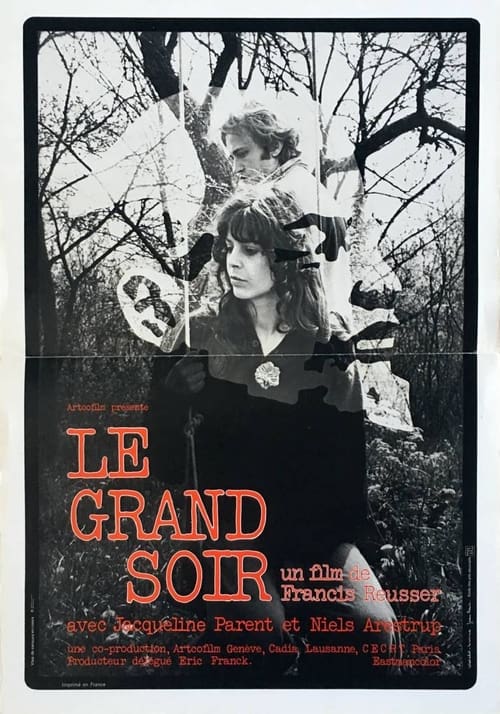
In Lausanne, Léon is involved by accident with a small Leninist group and gets to know Léa, a dedicated activist and the group leader's mistress. The police keep a close watch on them and trouble is bound to follow.
The Big Night

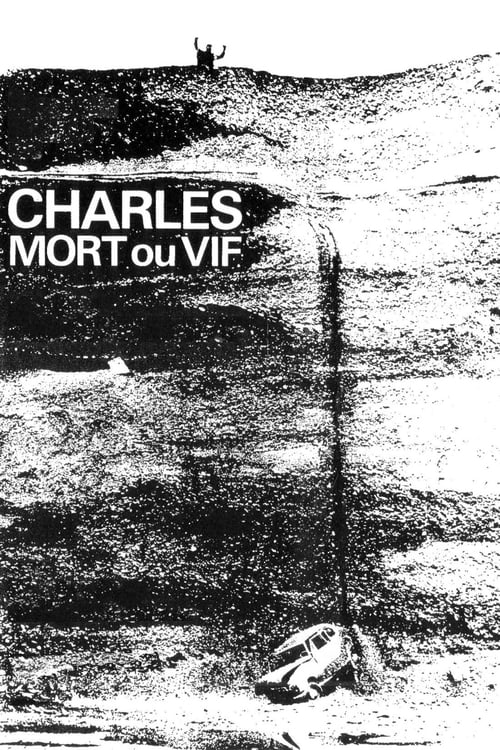
On the 100th anniversary of the founding of a watchmaking company in Geneva, Charles Dé the founder's 50-year-old grandson has had it: he speaks eccentrically to a reporter, recognizing his grandfather as a craftsman and his son as a businessman, but is evasive about himself. He gives his family the slip and moves in with a young couple he meets by chance, doing the cooking, reading, drinking, and engaging in philosophical discussions with them. The young couple comes to love Charles. In secret, he stays in touch with a daughter, and the rest of the family hires a private investigator to find him, setting in motion a business take-over that threatens his Bohemian happiness.
Charles, Dead or Alive

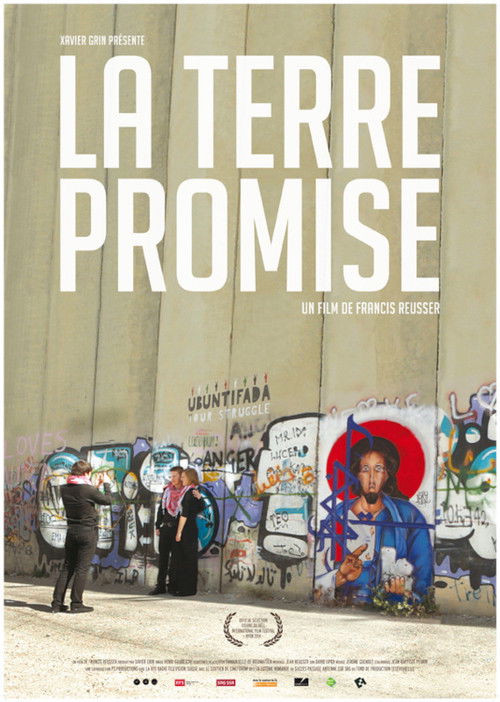
Philippe Savoy head of the choir at Saint Michael's College in Fribourg is preparing to take his fifty-five students to Palestine for a series of concerts. From Bethlehem to Ramallah, passing by Jerusalem and Hebron, between check points and churches, discovering both refugee camps and historical tourism around the Dead Sea, the young musicians will discover an exploded territory, a country living in provisional peace with, in the background, the permanent humiliation of the Palestinian people.
La Terre Promise

A man escapes from prison, and leads in his run the woman of his life.
La loi sauvage
"One Woman, five men, five breakups." - BAM
How Can I Love (A Man When I Know He Don't Want Me)

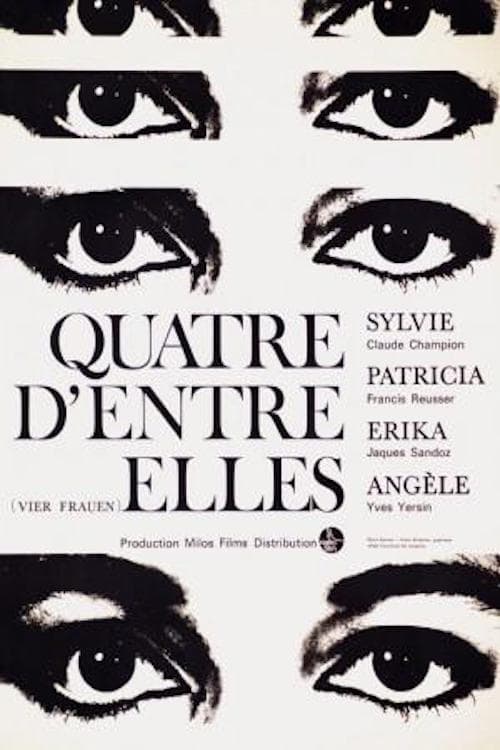
A bold cinematic project which tells the story of four Swiss women, aged 16, 22, 31 and 72: Sylvie, Patricia, Erika and Angèle, by blending fiction and documentary into four individual shorts assembled into a full-length feature film.
Four of Them

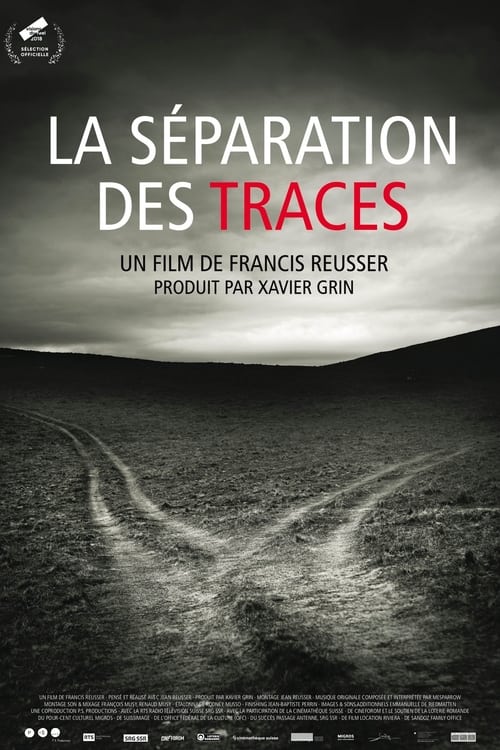
Essay on the epic story of an ordinary man, a filmmaker, born in the beginning of the Second World War. From 1942 to 2016, his personal story and the world history, the history of his films, of cinema and the images that inspired him. Life and creation entangled, untangled, intertwined, jostled together. From his childhood to his first steps as an artist. From the distant war to the war against everyone, from the dreamed revolution to the consumer society that ruins your dreams like Coca Cola dissolves your bones.
La séparation des traces

A wealthy Japanese patron, enamored with Rousseau, offers an atypical and versatile filmmaker the opportunity to freely adapt Jean-Jacques Rousseau's epistolary novel into a film. The filmmaker brings together three young actors in a deserted palace above Clarens and begins shooting. Rousseau's tragedy then reverberates through the contemporary characters.
Ma nouvelle Héloïse

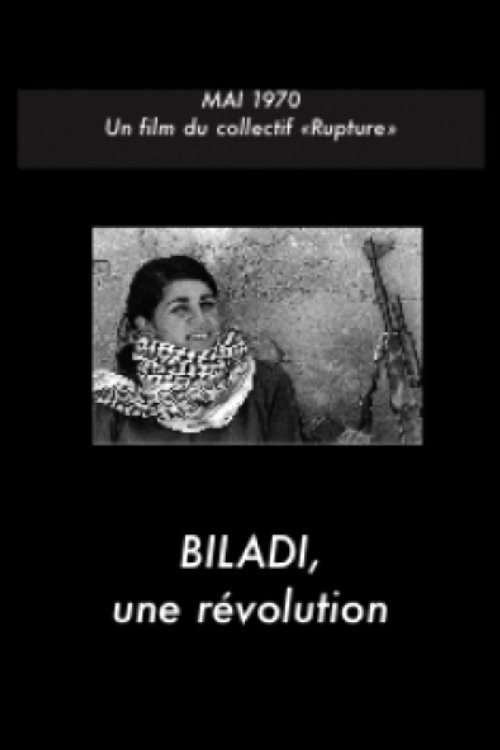
Jordan 1970: Like a political tract, the film exalts the Palestinian revolution through the role of the combattants, women, workers and children. Revolutionary songs and poems punctuate the people's struggle for liberation. This film defends a cause that was very little supported at that time. 'Biladi, une révolution' is one of the very first (if not the first) films on the issue.
Biladi, a revolution

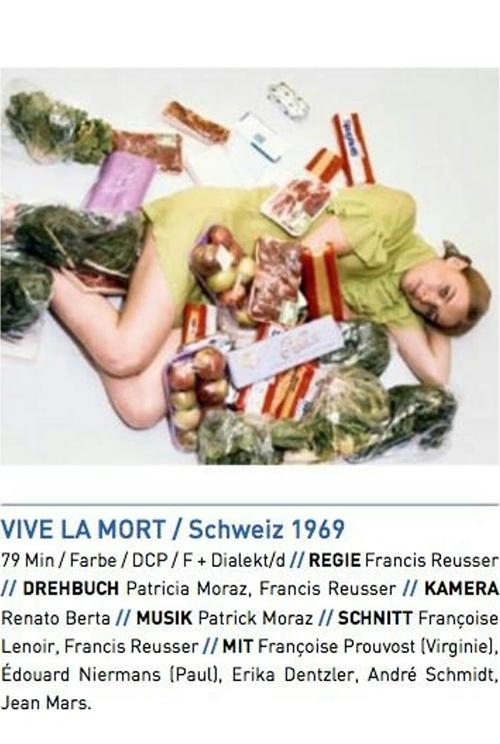
In this highly symbolic romp, a young rebel and his girlfriend are on the outs with their conventional parents and are trying to be part of the political movements sweeping Europe, decrying consumerism and boring old things like civic chorales, etc. They run away to the mountains, get bored and hungry, in addition to being harassed by the local authorities, and return to their parents. There, the young man commits an act of murder and symbolically showers his girlfriend in expensive doo-dads.