Editing
Natara Ney (Recife, 1967) is a Brazilian film editor, screenwriter and director.
No description available.
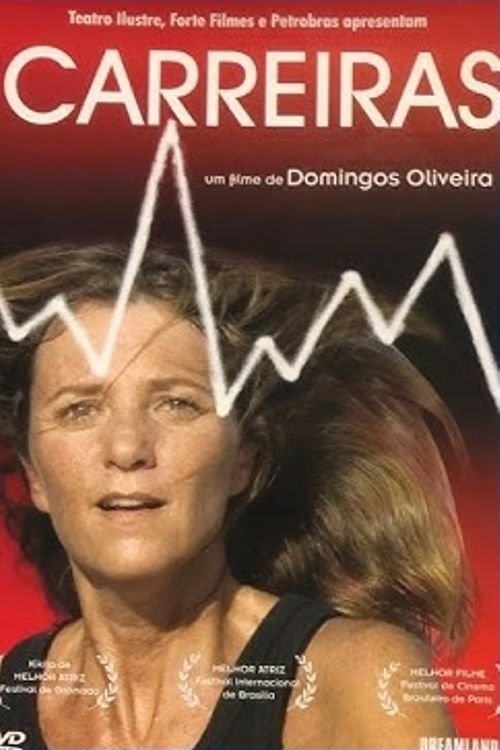
Cabral is a 60 year old playwright who's married to Glorinha, an actress who's 20 years younger than him. They've been together for half of her live, and now they're getting bored...
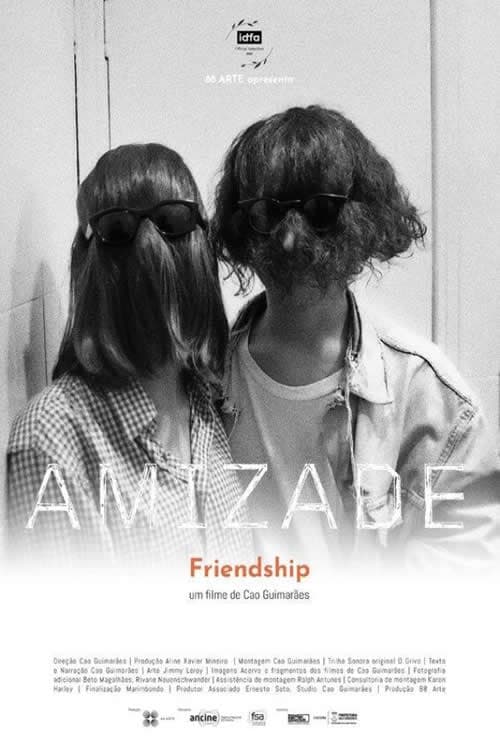
A batch of 110 love letters exchanged by two lovers in the 1950s, discovered in Mato Grosso do Sul, is the starting point for this film.
Immersive documentary in the film editing process. Twenty Brazilian cinema editors expose the nuances of this art, its secrets and processes.
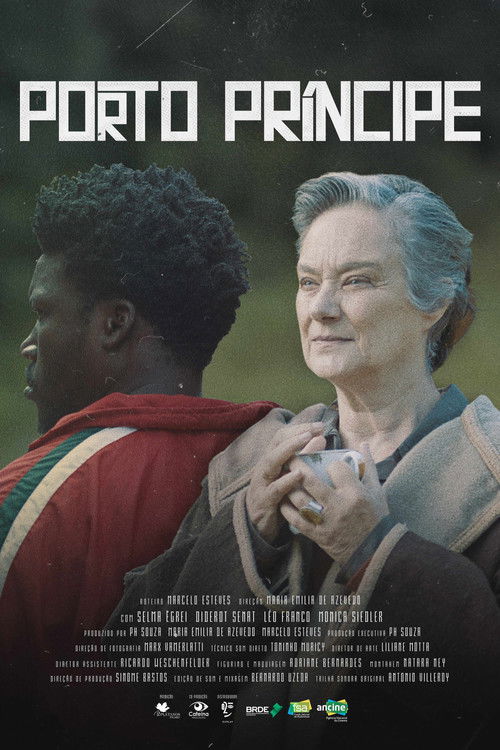
Bertha is a widow and lives alone on an isolated farm in the mountains of Santa Catarina. Beginning to face difficulties in keeping the property running, Bertha is under pressure from her son who wants her to move in with him in an upscale neighborhood of Florianópolis. Upon learning of the arrival of a group of Haitians in Santa Catarina, Bertha decides to bring the Haitian Bastide to work and live with her, fueling her son's hostility. The coexistence transforms the working relationship between Bertha and Bastide into a sincere friendship between two people from different cultures who share common ideas and feelings.
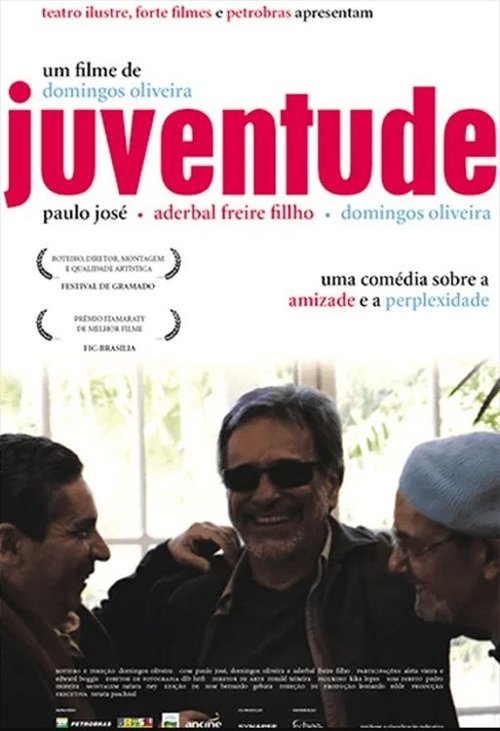
David, a man in his twillight years, lives all by himself and decides to invite two childhood friends for a day at his house in Petrópolis, where they spend hours talking about the past.
The musician and writer of the comic book "Ghost with Heart of Stone" Eduardo meets the gorgeous Laura, who is engaged and close to her marriage, in a bookstore and immediately they fall in love for each other. Sooner they get married, and one night, Eduardo unexpectedly dies, but his soul does not move to the Third World. He meets the Ghost with Heart of Stone stranded in his house, stalking his beloved next door neighbor D. Mariana and he asks to the ghost how he can communicate and say farewell to Laura.
They came by bike, on foot, by bus, in trailers... They crossed deserts, crossed the continent, slept on the streets, in hotels and in the favelas. Armed with their cameras, thousands of travelers traveled around Rio de Janeiro without spending much money and experienced the World Cup as a big party. Constructed entirely from images taken by the tourists themselves, the short film shows the Rio de Janeiro they discovered and the adventures of experiencing the other side of the World Cup.
A film that depicts the everyday life and the beauty of Portela’s Old Folk – a group of veteran samba musicians who belong to one of Rio’s most revered samba schools, the one with the most first places and accolades in Rio’s Carnaval pageant. These old gentelmen’s and ladies’ musicality and poetry are unveiled through their simple, but rich and meaningful, every day life in Oswaldo Cruz, a quaint neighborhood in Rio’s North Zone, that serves both as set and as a main character in this story.
Ana Laura is a 40 year-old, good looking and well-informed TV News Anchor who's also a cocaine addict. Facing her career decline as the channel she works in starts to give more space to younger professionals, she faces a night of unusual events as she dives further into drug abuse.
Brazil leaders a sad statistic: It’s the country that kills most LGBT people in the world, a reality that worsens after the result of the 2018 elections. In this scenario ASSIM COMO O AR, SEMPRE NOS LEVANTAREMOS is born, a feature-length documentary film that focuses on giving visibility to travestis, lesbians, bisexuals and trans women, portraying their anxieties and fears; and also showing, in the routine of their lives and family relationships, resistance, the fight for their rights, for their lives.
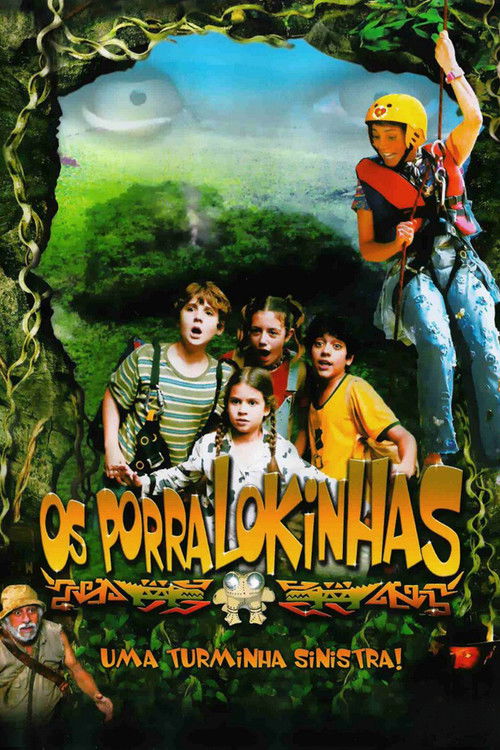
During a summer camp, a group of children fight for their lives as they encounter a dangerous criminal transformed into a crocodile, searching for a sacred luck charm which can bring him back to his human form.
A man, who creates pasts for a living, struggles to find his own past while a mysterious woman takes a dangerous step.
In Nordestina, a small town lost in the Brazilian badlands, young Karina dreams of becoming an actress and leaving to explore the world. Before losing his love, Dona Nazaré’s son, Antônio, takes the first step in a kamikaze crusade to bring the world to Karina. For that, Antônio leaves town and announces, in a TV show that he will set off on a sensational adventure: a trip into the future, starting from Nordestina’s square. A story where dreams contradict reality, geographical and political conditions threaten to block life, and love plays the part of the transforming element.
An emotional dive into the music and life of Erasmo Carlos, from his years as a young rock-and-roller looking for gigs through his enduring musical partnership with Roberto Carlos.
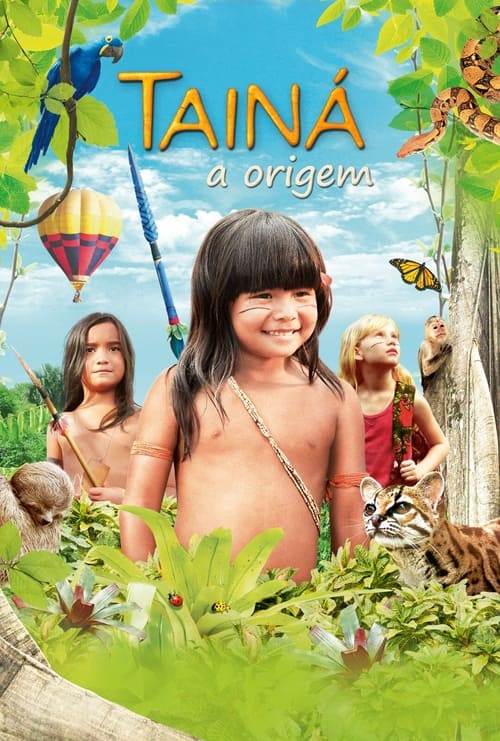
The film tells the story of Tainá, a 5 years old orphan Indian girl who dreams of becoming a warrior and discovering her true origin. Along the way, she makes unexpected friends such as Laura, a lost city girl, and Gobi, a nerd Indian boy. They learn to overcome their mutual differences while going through their eventful journey. Taina confronts the ancestral enemy of her family, Jurupari, the incarnation of Evil, who wants to destroy the Forest.
A little kid-ghost called Pluft lives with his ghost-mother and ghost-uncle, in a remote house in a desert island. He doesn't even believe people real exist. His world will be thrown upside down, when an evil pirate (Perna de Pau) disembark on the island, after kidnapping the little girl Maribel (daughter of a famous captain), in search of Captain's hidden treasure. Three friendly sailors will help to free the girl. Based on a very well known Brazilian children's play.