Hisaichi Ishii
Writing
Biography
Hisaichi Ishii is a Japanese manga artist. He is best known outside Japan for his manga series Nono-chan, which was made into the Studio Ghibli anime film My Neighbors the Yamadas. Topics covered by Ishii's manga include baseball, politics, economics, current events and topics, philosophy, and so on.
Known For

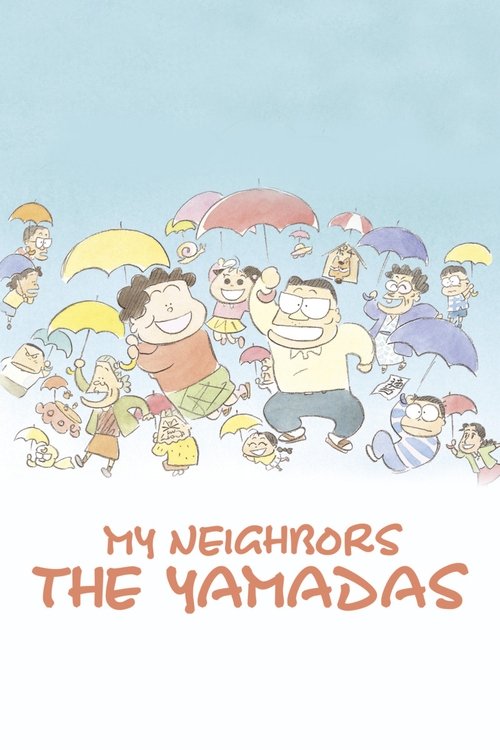
The Yamadas are a typical middle class Japanese family in urban Tokyo and this film shows us a variety of episodes of their lives. With tales that range from the humorous to the heartbreaking, we see this family cope with life's little conflicts, problems, and joys in their own way.
My Neighbors the Yamadas

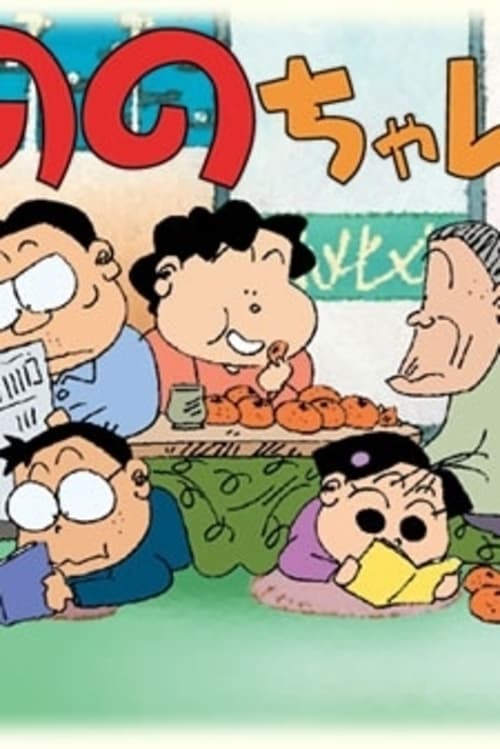
Nono-chan is the eldest daughter in the Yamada family and a third-grade elementary school student. Her family consists of her father, Mr Yamada Takashi, her mother, Mrs Yamada Matsuko and her brother, Noboru, a junior high student. Together with her grandmother, the family of five makes up a pleasant Japanese family. Everyone is special and everyday is always filled with joy and surprise.
Nono-chan

No description available.
Ojamanga Yamada-kun

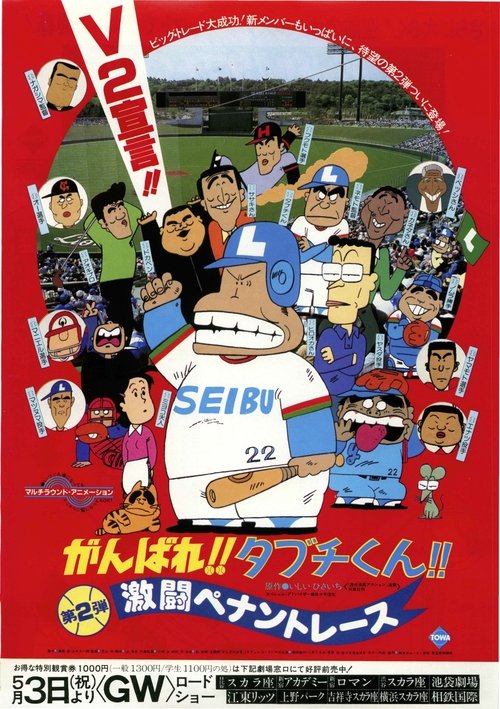
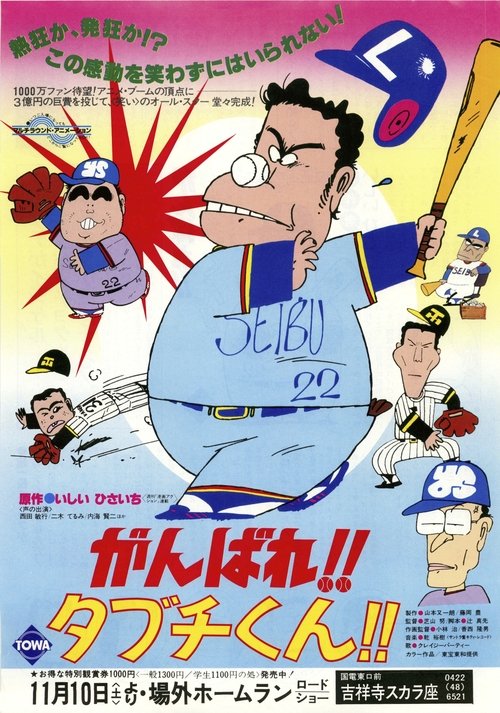
The Pacific League pennant race continues to be fiercely contested. However, due to Tabuchi's continued poor performance, the Lions are on a losing streak. With Yasuda showing up at the stadium with his resume and Nomura suddenly becoming more energetic after being inspired by Dokaben's words, Tabuchi's presence is becoming less and less noticeable. Desperate, Manager Nemoto and Owner Tsumori try to highlight Tabuchi's charm by organizing "Tabuchi Day," but it ends in a complete failure. Just then, Mrs. Miyoko unexpectedly appears as a cheerleader.
There Goes Our Hero: The Heat of the Pennant Race

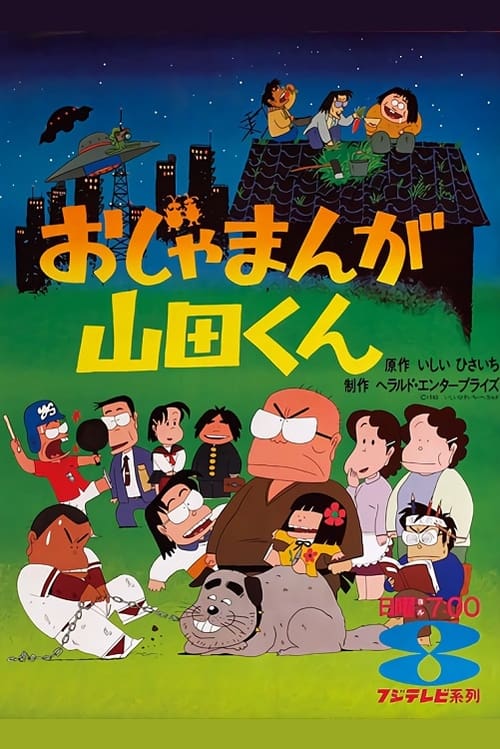
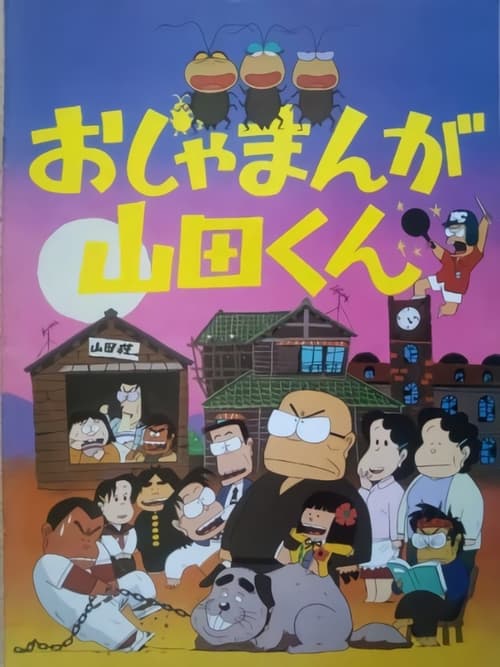
The Yamada family lives in Tokyo's Higashi Edogawa Ward. Noboru, the second son and high school student, dreams of becoming a professional baseball player. One day, he hears about a scout from a pro team! However, it turns out that it's not a pro baseball player, but a scout to become a professional wrestler! Ine, the housewife of the Yamada family and landlady of the Yamada-so apartment building they run, has recently gained weight. To lose weight, she joins a nearby tennis club, but there she runs into her son, Noboru, who is trying to join the club in search of girls!
Ojamanga Yamada-kun

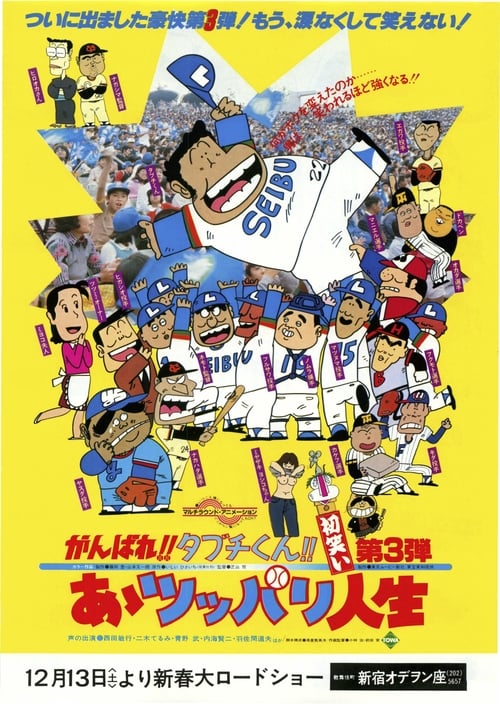
Our Tabuchi-kun continues to underperform, both during the New Year's games and the exhibition games. With the 1979 pennant race decided, the Seibu Nine are playing out the season. There were rumors of Tabuchi being traded during the offseason, but he left for overseas training camp in good spirits. However, Yasuda followed him all the way to Arizona, and it seems that this year will be another bad one for him. Once the season started, he was easily outplayed by Nippon Ham's rookie Kida, and things did not look good for him. As expected, the Seibu Lions missed out on the championship, and the 1980 pennant race came to an end.
There Goes Our Hero: After the Ball Game

The Seibu Lions baseball team makes it to the next round of a baseball tournament thanks to the heroic efforts of its star player, Tabuchi, but the next stage will involve hard work and cooperation.
There Goes Our Hero

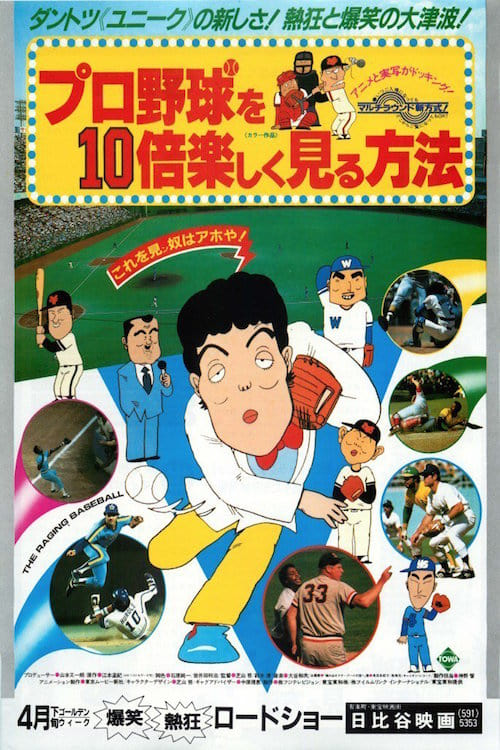
One of Japan's most renowned baseball pros, Takenori Emoto of the Hanshin Tigers, relates humorous anecdotes from his own career and the game in general. Based on his novel of the same name and its sequel.
How to Enjoy Watching Baseball 10 Times More

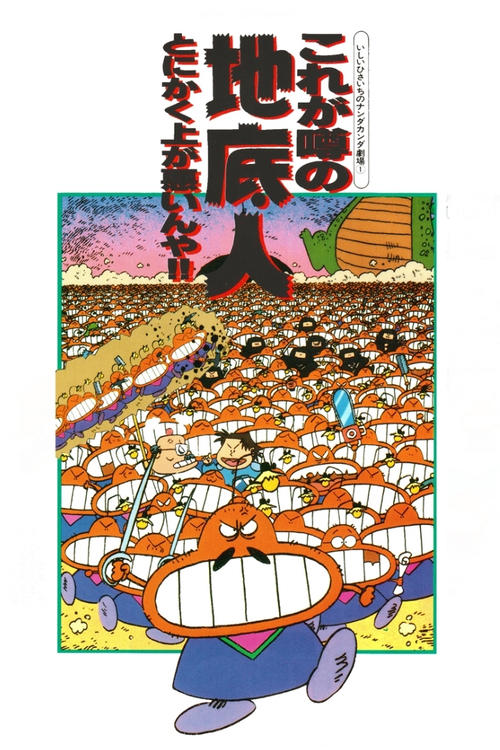
The Underground People desire to leave their overcrowded cavern and seize control of the surface world, but they never quite succeed. Their second futile escape attempt, during Christmas, is set to music by the popular group Yukadan.
The Fabled Underground People

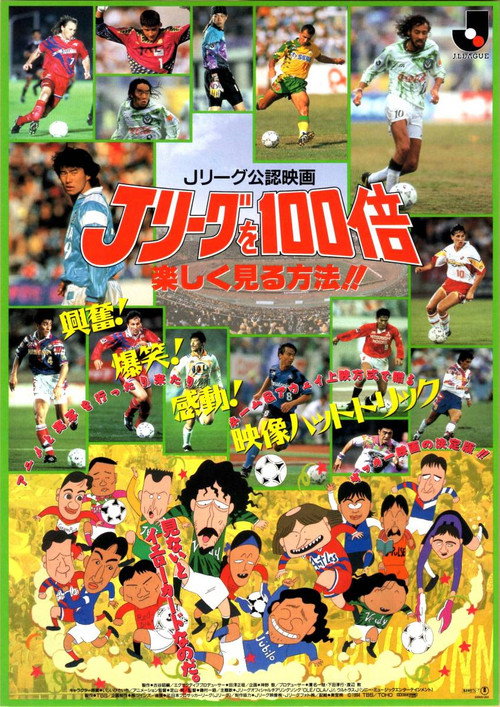
Anthology film about J.League stars from the 1993 season doing good deeds.