Writing
When the Snow Queen, a lonely and powerful fairy, kidnaps the human boy Kai, his best friend Gerda must overcome many obstacles on her journey to rescue him.
Animation film consists of four small stories. No Trouble, Boy from Naples, Cinderella and Hazelnut Twig.
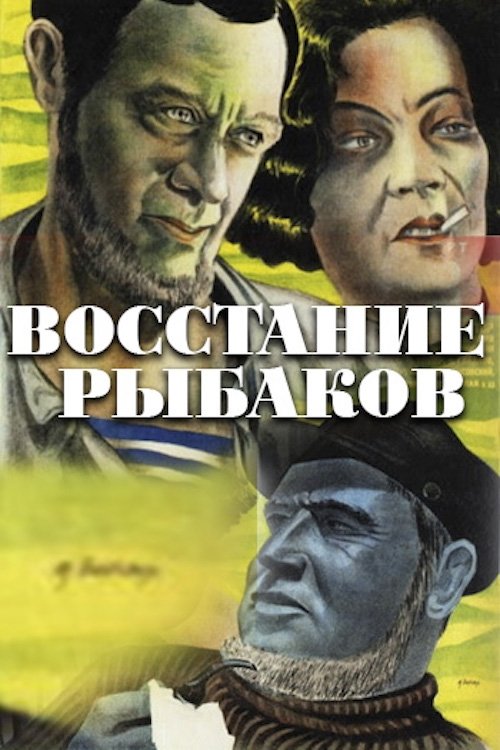
Working fishermen from a small village rise up against the entrepreneurs and the buyers, fighting for higher wages for their hard and difficult work.
No description available.
Before going on an overseas journey, a merchant father asks his three daughters what they would like him to bring back for them. The eldest asks for a shining tiara, the middle asks for a frame through which her face would always appear young, and the youngest (Nastenka) asks her father to bring her a beautiful scarlet flower like one which she saw in her dreams. Her elder sisters laugh at this simple wish. The father's trip is successful and he finds everything that he came for, with the exception of Nastenka's scarlet flower. Nevertheless, the ship heaves off and they begin to head back while the father scans the lands around him for a scarlet flower.
Partially lost.
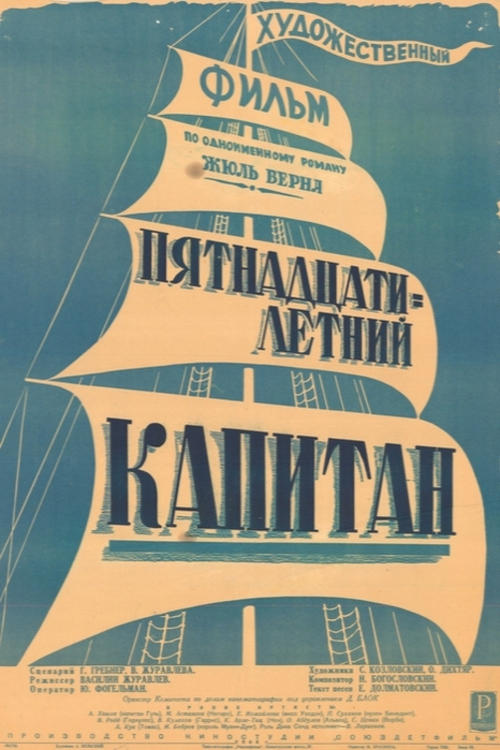
A classic movie based on a famous "Dick Sand, A Captain at Fifteen" novel by Jules Verne.
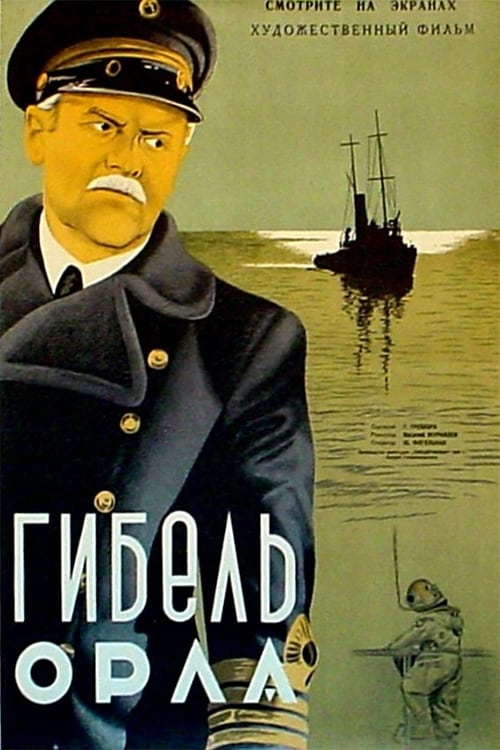
In the fall of 1920, when the Red Army fought on the outskirts of Novorossiysk, one of the best ships of the Russian fleet “Oryol” stood at the berths of the port. The ship's boatswain, the hiding communist Mikhail Gruzdev, convinced Captain Chistyakov to keep the Eagle and return it to the red flag. Soon the legendary ship aboard the White Guards pursued by the Red Army left Novorossiysk. History left no trace of the further fate of the "Eagle" and its crew. It was believed that Chistyakov handed over the ship to the White Guards, and they took him abroad. Many years later, the captain of the ship “Flounder” Mikhail Gruzdev, confident in Chistyakov’s uncompromising attitude, obtained permission - and set about searching for the missing ship.
A story about three circus actors and their adventures. Based on classic novel by Aleksandr Kuprin.
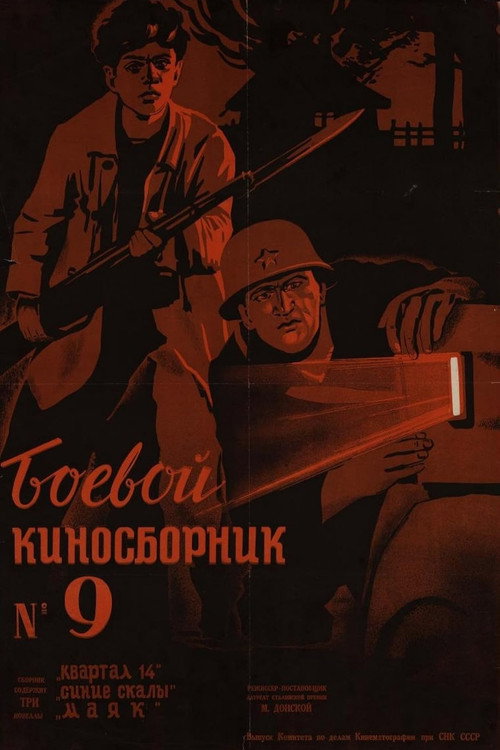
Fighting Film Collection No. 9 (Boyevoy kinosbornik No. 9) is the ninth issue of Boyevoy kinosbornik series, released in May 1942. It contains three segments: "Kvartal No.14/Block 14" (Savchenko), "Siniye skaly/The Blue Cliff" (or "Blue Crags") (Braun) and "Mayak/The Signal" (or "Beacon") (Donskoy).
Mrs. von Walz and her daughter Alice live in an old Moscow mansion. A Bolshevik sailor named Ivanov moves into their apartment. When Alice learns that the tenant holds a prominent position and receives a generous ration, she embarks on an adventure and marries the tenant. However, their first child does not bring happiness to the couple. Exhausted by the monotony, the wife starts her own small business and neglects her husband. Ivanov leaves home, settles in a forest village, and soon marries a peasant girl...
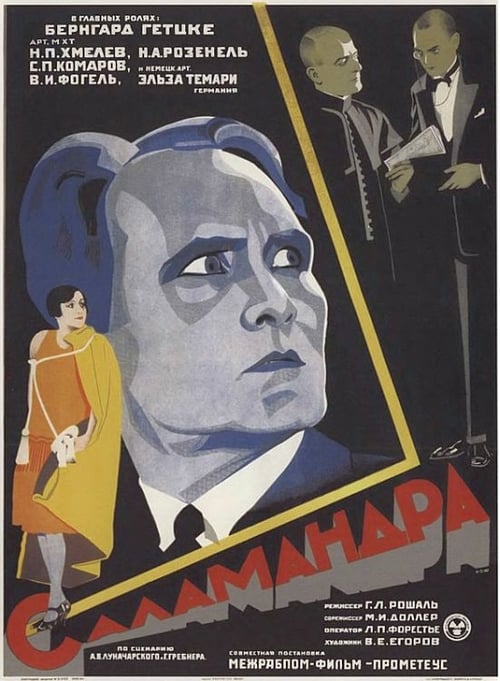
The film is based on real events and reveals the tragic episodes from the life of the Austrian biologist scientist-materialist Paul Kammerer (1880-1926), hunted by regressive scientists and Catholic reactionaries who committed suicide.
On liberation from prison of a group arrested after the defeat of the 1905 Russian revolution and workers sentenced to death. Lost movie.
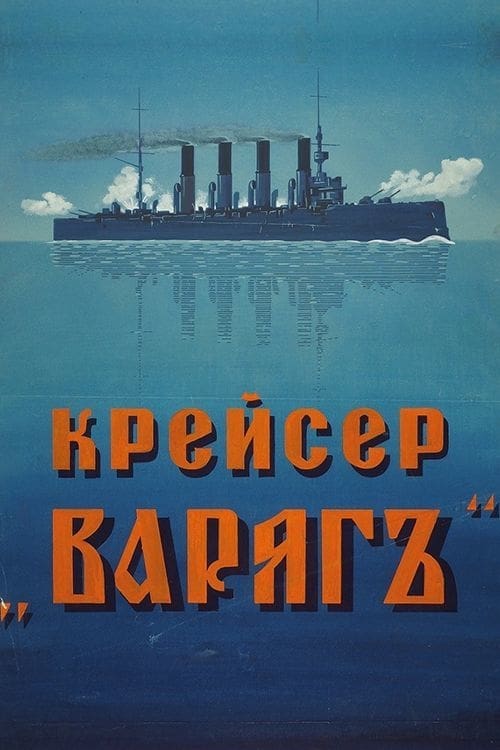
A story of heroic Russian war cruiser 'Varyag'.
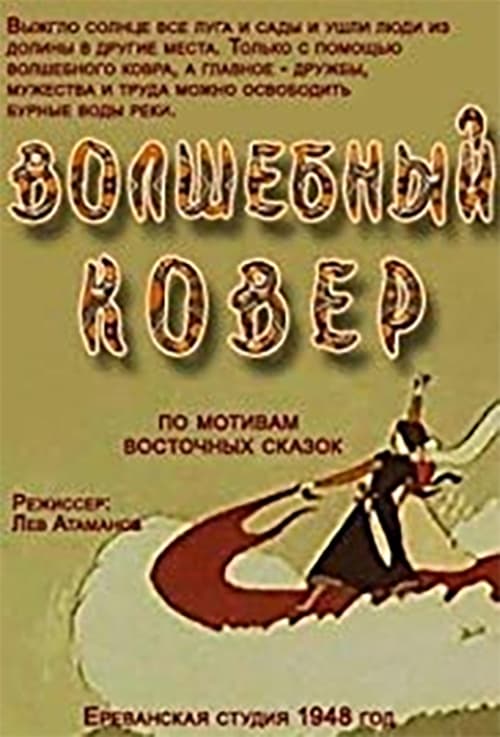
A cruel dragon deprives people of water, but finally the heroes defeat the monster with the help of a magic carpet.
A story about a group of children spending their summer vacation in the village.
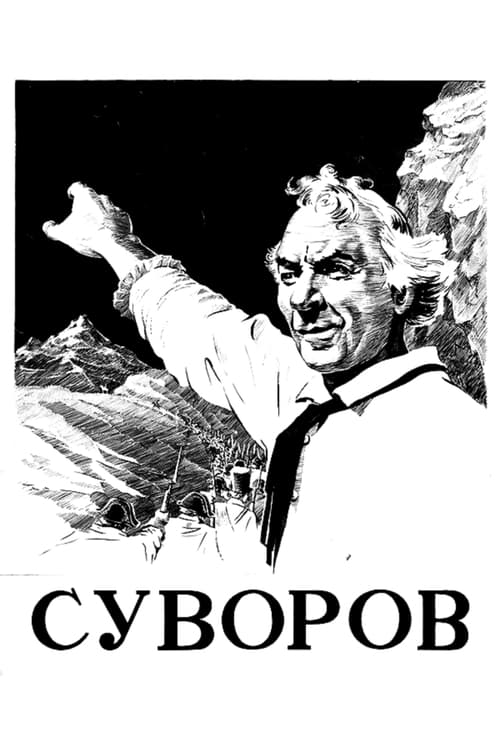
Primarily a biographical documentary about the military career of Alexander Vasilvich Suvorov, who was Field Marshal of the armies of Catherine the Great and Czar Paul I. After many military successes during the reign of Catherine, General Suvorov broke with her successor, Paul I, the Mad Emperor, over questions regarding army policy. He went into retirement and wrote "The Science of Victory," containing maxims such as "Swiftness of movement accompanies victory," and "the real general is he who defeats the enemy before reaching him." The czar recalled Suvorov to become the leader of the joint armies of Russia and Austria against Napoleon.
In an unnamed English-speaking capitalist land, a young engineer invents inexhaustible giant robots to replace the fragile human workers on high-volume assembly-lines, and soon finds his invention co-opted by the military-industrial complex.
Konstantin Eggert both directed and starred as Count Shemet, cursed by his insane mother’s traumatic experience with a bear to have seizures during which he himself becomes a “bear” on the kill.