FEEL IT.STREAM
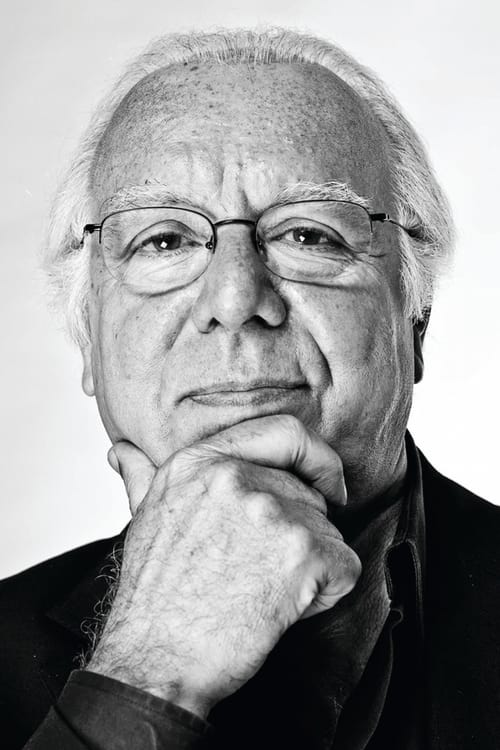
Carlos do Carmo

Carlos do Carmo

Acting

Known For

Eurovision Song Contest
7.2

The Eurovision Song Contest is an international song competition, organised annually by the European Broadcasting Union (EBU) and featuring participants representing primarily European countries. Each participating country submits an original song to be performed on live television and radio, transmitted to national broadcasters via the EBU's Eurovision and Euroradio networks, with competing countries then casting votes for the other countries' songs to determine the winner.

Eurovision Song Contest

1956
Alta Definição
7.2

In Alta Definição, Daniel Oliveira interviews one guest every week with an intimate approach.

Alta Definição

2009
Parabéns
10.0

No description available.

Parabéns

1992
Já Está
N/A

No description available.

Já Está

1987
Joaquim Letria
N/A

No description available.

Joaquim Letria

1990
Fados
7.0

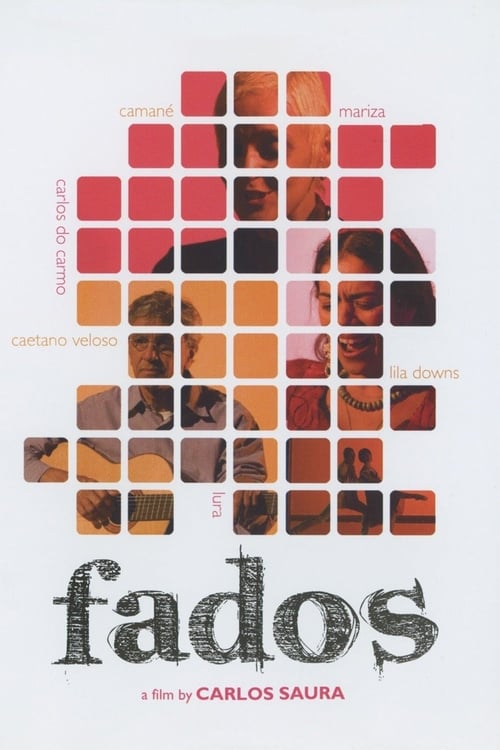
A series of musical performances showcasing the diverse facets of fado, a musical genre from Lisbon.

Fados

2007
No image
N/A

The Portuguese soul, accompanied by the trill of the guitar! At the Coliseu dos Recreios, the fado singers of yesterday, today, and forever give voice to our tradition. RTP supported this application from the outset, and now the time has come to celebrate this historic achievement with all Portuguese people. Fado is now part of humanity's heritage! At the Fado World Heritage Gala, broadcast live by RTP, the following artists will be on stage at the Coliseu dos Recreios: Aldina Duarte, Ana Moura, António Zambujo, Carlos do Carmo, Carminho, Celeste Rodrigues, Cristina Branco, João Braga, Marco Rodrigues, Maria da Fé, Mariza, Pedro Moutinho, Ricardo Ribeiro Musicians: Ângelo Freire, Carlos Garcia, Carlos Menezes, Custódio Castelo, Diogo Clemente, Joel Pina, Marino de Freitas...

Fado - Património da Humanidade

2011
No Trace of Sin
6.8

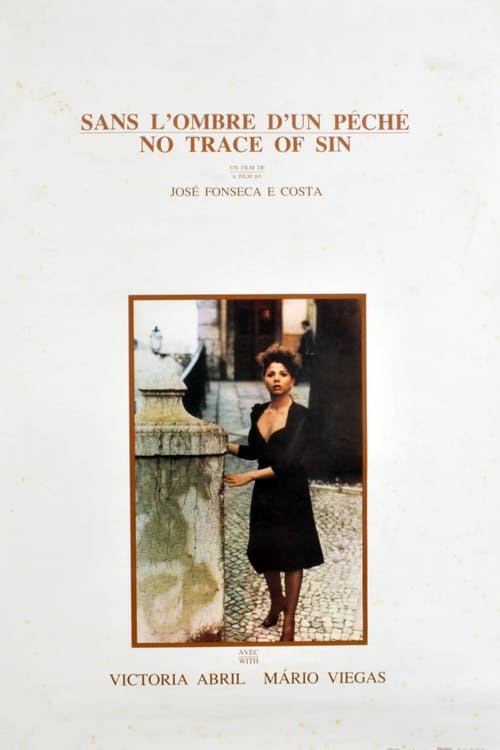
A young man from a high-bourgeois family, Henrique receives mysterious phone calls from a woman at the barracks where he is serving in the military, which attracts him to meetings without consequences.

No Trace of Sin

1983
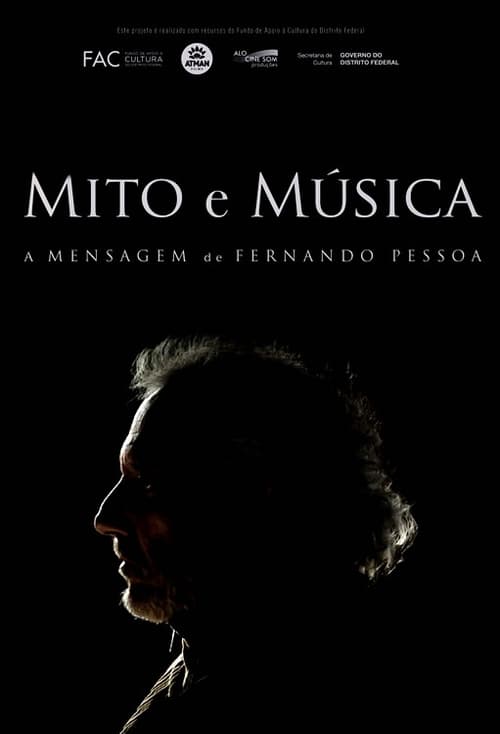
Mito e Música: A Mensagem de Fernando Pessoa
N/A

The documentary addresses the project, which took 30 years to complete, about the recording of 44 songs created for each poem in Mensagem, one of Fernando Pessoa's most emblematic books.

Mito e Música: A Mensagem de Fernando Pessoa

2019
Fado
N/A

A documentary project that aims to capture the uncapturable. Explain what cannot be explained. How does one decipher fado? How is it conceived? They say one is born a fado singer, but how do you define what one feels? Does it emanate from within? Many Eastern masters believe that knowledge can only be gained in person. Could it be that through technology we can capture the timeless presence of a master and feel their knowledge? This is a documentary that tries to explain what fado is, to those who know it and those who don't, from the inner point of view of the 'maker' of fado. From the composer to the guitarist, including those who sing it and those who study it. And so, through these testimonies, we can explain the invisible. The inner side of Fado.

Fado

2012
No image
N/A

Two of most renowned portuguese musicians, Carlos do Carmo and Bernardo Sassetti, from the jazz, joined together in 2010 for a unique musical production. Carlos do Carmo is a great fado singer, while Bernardo Sassetti is a great jazz piano player. Their joint performance is a unique and fantastic blend of fado and Jazz.

Carlos do Carmo, Bernardo Sassetti:

2011
No image
4.0

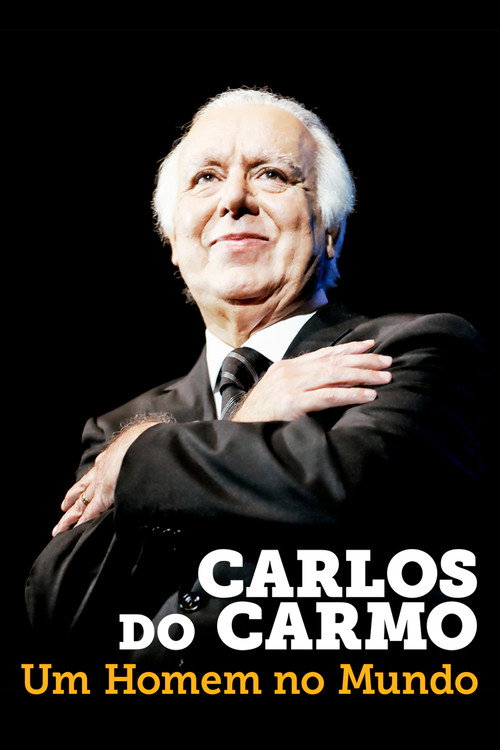
Carlos do Carmo's story is told by himself, a journey from his first recording at age of 11, with his own mother and father, to the Latin Grammys in Las Vegas. A story told with the help of family and friends such as Júlio Pomar, António Costa, Rui Vieira Nery, Pilar Saramago, Ivan Lins, among others. This documentary follows a year in the life of a man who reinvents himself in each moment.

Carlos do Carmo: Um Homem no Mundo

2014
O Nosso Futebol
8.0

One hundred years of Portuguese Football, from the first public experiments in 1888, in Cascais, the evolution in the twenties, the National Stadium, the glory of the sixties, the 25th of April until 1984.

O Nosso Futebol

1985