Acting
Polizeiruf 110 is a long-running German language detective television series. The first episode was broadcast 27 June 1971 in the German Democratic Republic, and after the dissolution of Fernsehen der DDR the series was picked up by ARD. It was originally created as a counterpart to the West German series Tatort, and quickly became a public favorite.
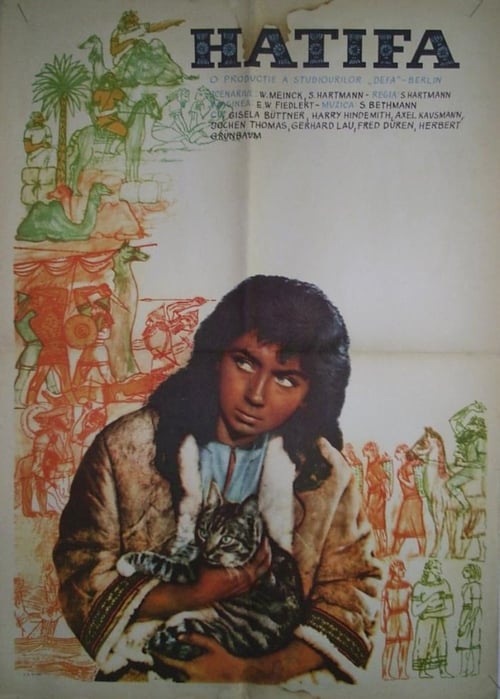
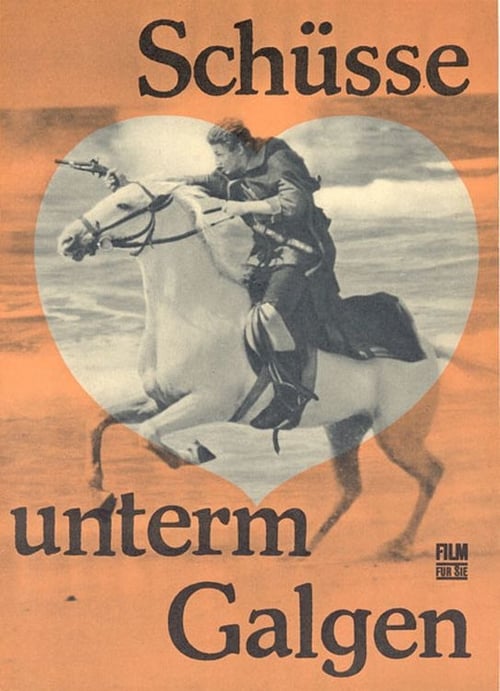
Hatifa is tired of her difficult fate and escapes from the place of her enslavement, a quarry in the desert. There she wanders around in freedom, but ultimately helpless, without water or food. Shortly before dying of thirst, she is saved by the sage Simsal, who is traveling with a caravan of the merchant Ganem. Hatifa quickly makes many friends, including the young servant Hodja. Only to him she confides her secret. The girl had to keep the fact that she was a slave to herself. After all, anyone who helps escaped slaves is mercilessly threatened with the death penalty. Out of consideration for the caravan, they both flee, but are soon picked up by Ganem. When he realizes that he can make a lot of money with Hatifa, he sells her again to a quarry.
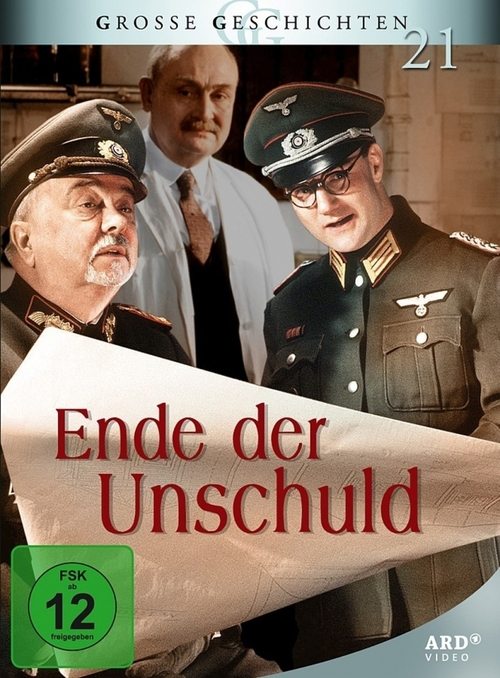
End of Innocence is a two-part television film that focuses on the work of the German Uranium Association during World War II. At Farm Hall in England, the ten German nuclear scientists interned there as part of Operation Epsilon learn of the dropping of the first atomic bomb on Hiroshima in August 1945. In flashbacks, the development of the German uranium project is recapitulated chronologically from the discovery of nuclear fission by Otto Hahn to the work of Kurt Diebner at the Heereswaffenamt to the experiments of the Kaiser Wilhelm Institute for Physics under Werner Heisenberg and Carl Friedrich von Weizsäcker at the Haigerloch research reactor in spring 1945.
No description available.
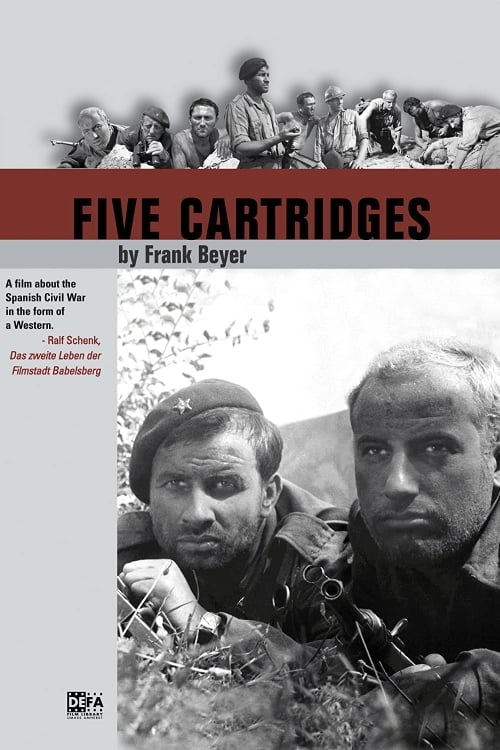
During the Spanish Civil War (1936-1939), five International Brigade soldiers of different nationalities are given a crucial assignment as their commander lies dying: they are to smuggle top-secret information across enemy lines.
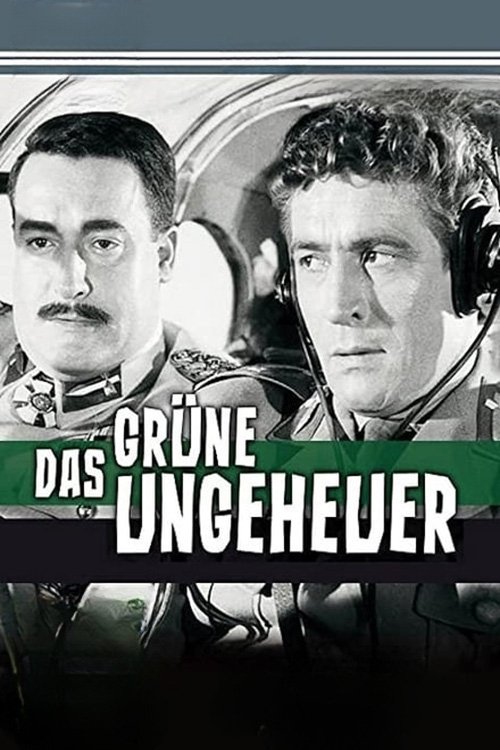
On the run from police in America, Antonio Morena, a former World War II aviator and black-marketeer, finds himself in South America working for the all-powerful United Fruit Company, known to the natives as "the Green Monster".
In a small village in West Prussia in the 1870s, Germans, Poles, Gypsies and Jews live together as neighbors. One night Johann, a German mill-owner, secretly opens the dam gates and floods the mill of his Jewish rival Levin. After his business is ruined and his calls for justice go unanswered, Levin leaves town.
1985 East German television recording of a production of the play of the same name.
Sunny is the singer of a band trying to establish itself in the East Berlin music scene. They play regular gigs in small towns, but Sunny feels out of touch with the audience and with her life as a whole. She begins a relationship with Ralph, an amateur saxophonist and philosophy student, who writes her a very personal song—but his obsession with death and unfaithful lifestyle are not for her. After getting into a quarrel with a band member who harasses her and telling off a show host, she is thrown out of the band. Abandoned, she struggles to regain control over her life.
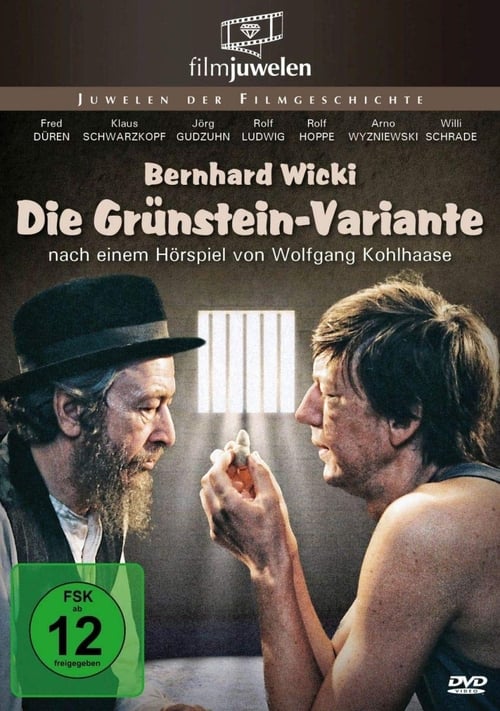
The plot revolves around three men waiting to be deported in a prison. To escape the monotony, they form chess pieces from their bread rations, with which they then play against each other. Grünstein, a Polish Jew, proves to be a real talent, because although he is a beginner, he manages to defeat even the experienced player Lodeck, a German sailor, with his "Grünstein Variant".
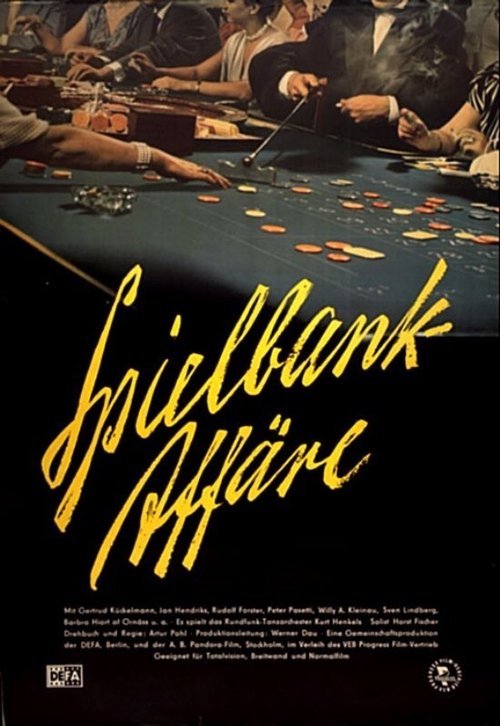
In a casino in a We'5t German health resort, one often sees Sybille - an attractive young student actress. With her winnings from the roulette table, she attempts to finance her studies. Despite a rather lucky streak, her winnings are a little on the lean side. She doesn't, however, gamble with her own money but with that of Dr. Busch, a lawyer, who likes to stay in the background with the argument that gambling houses are not the proper turf for a serious lawyer. From him, Sybille receives only a small share of her winnings later, and only through the intervention of Gerhard Fischer, a journalist, does Sybille come to realize her role in Dr. Busch's fraudulent scheme.
A German couple start a silent campaign against Hitler's dictatorial reign after the loss of their only son at the front.
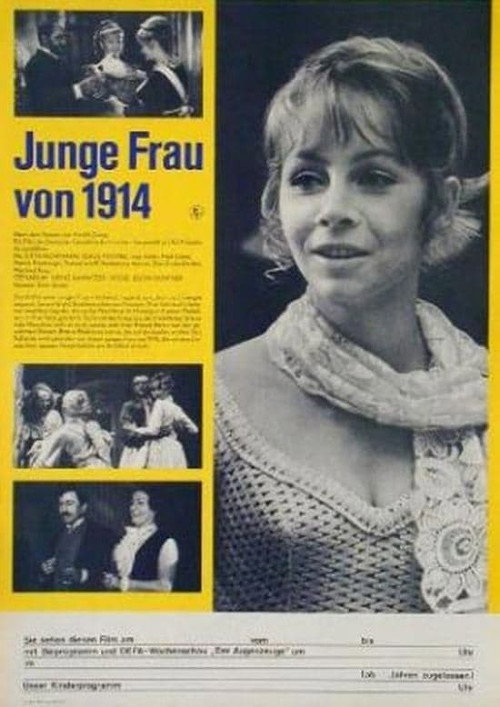
In 1914 Berlin, bank heiress Leonore Wahl and struggling Munich student Werner Bertin fall passionately in love, defying class and her parents’ expectations. Their idyll is shattered by the outbreak of WWI: Werner, swept up in patriotic fervor, is conscripted to the Western Front, while Leonore, pregnant and abandoned, faces her family’s condemnation and a clandestine abortion. Set against the tumult of war, the film explores idealism, social divides, and the personal costs of duty and desire.
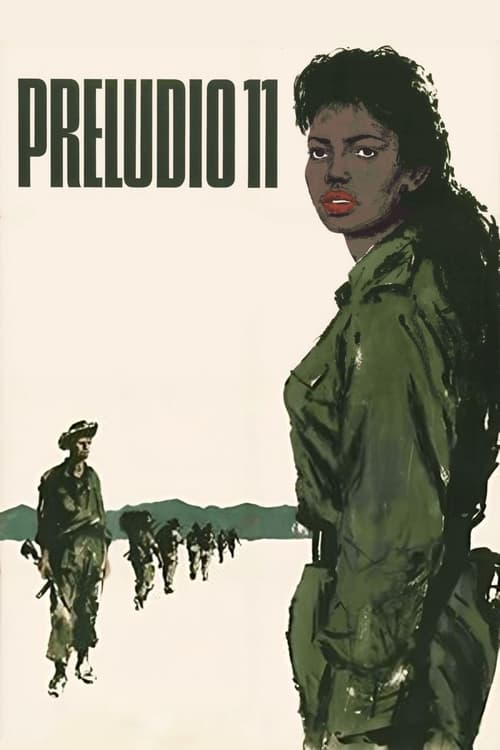
Daniela – a single mother, whose boyfriend left for the US – believes wholeheartedly in Cuba's revolutionary new order. Meanwhile, in Florida, a plot is afoot. Under the command of an American officer, four Cubans ex-patriots and a Guatemalan land on the Cuban coast to prepare a US invasion of the island. Daniela's superior, the corrupt Cuban officer Palomino, is secretly helping the invaders and the young woman becomes entangled in the intrigue.
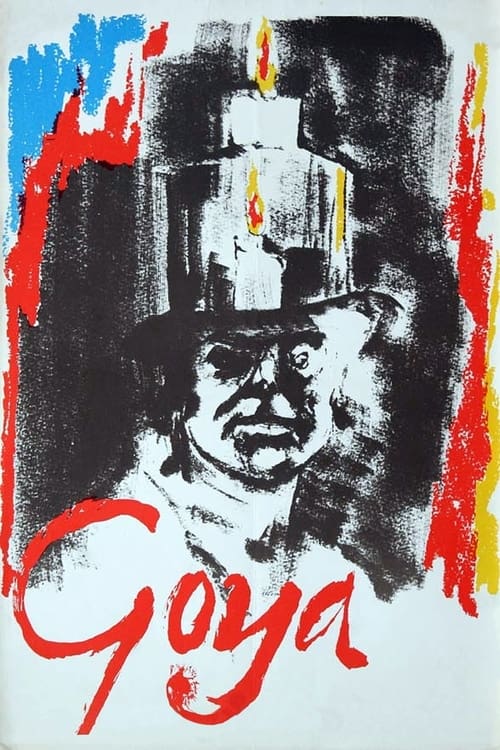
As a painter in the court of King Carlos IV, Goya has attained wealth and reputation. He believes in King and Church, yet he is also a Spaniard who dearly loves his people. This contradiction presents him with a dilemma.
In Scotland in 1751, young David Balfour is shanghaied aboard a ship where he meets Jacobite rebel Alan Breck Stewart with whom he escapes to the Scottish Highlands, dodging the redcoats.
A film about the historical uprising of the seamen in Kiel: During the Russian October Revolution of 1917, German and Russian soldiers start to solidarize with each other. By disarming the officers, machinist Henne Lonke and stoker Jens Kasten prevent the attack on a Russian freighter. When German admiralty gives out orders for operation "Nibelungen", which would lead the German fleet into a suicidal attack against England and quell the revolutionary spirit, seamen and soldiers from different political backgrounds unite in protest.
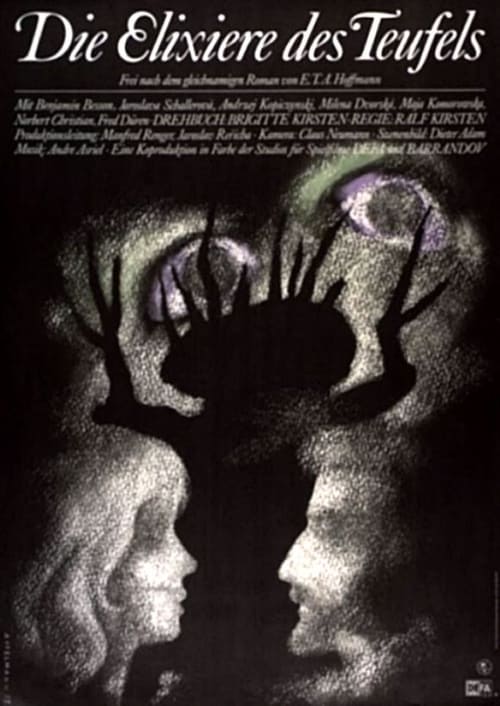
Young seminary student Franziskus has been ceremonially ordained. He wants to escape the harshness and injustice of the world and devote himself to the service of God in the quiet seclusion of a monastery. He is also hoping to forget the beautiful lady Aurelie, whose life he saved in a flooded brook and with whom he spent an amorous night. He knows that her father would never allow her to marry him. But the devil dressed in a monk's habit and under the name Viktorin intervenes in Franziskus's destiny and attempts to lead him astray. To do so he first uses the diabolical elixirs kept at the monastery as a rare relic. When the young monk gets expelled from the monastery, Viktorin prepares another trap with the help of Aurelie's stepmother Euphemie.
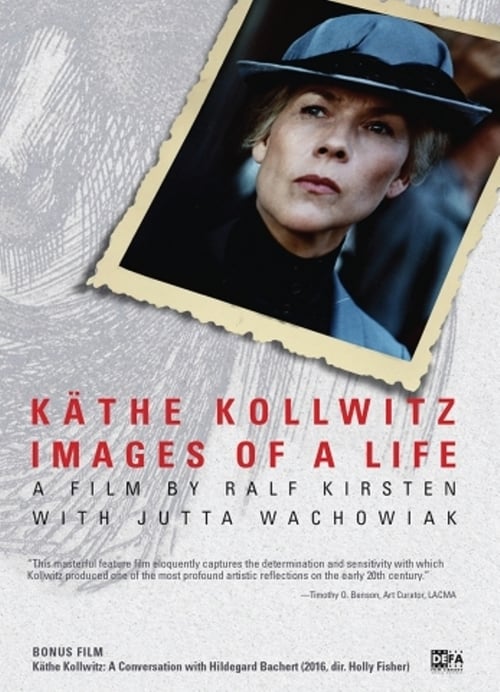
Kathe Kollwitz was 47 years old, and already a well established artist in Germany and abroad when Peter, her youngest son, volunteered to join the German army in WWI and was killed two weeks later. This painful tragedy changed Kollwitz's life and art forever.