Directing
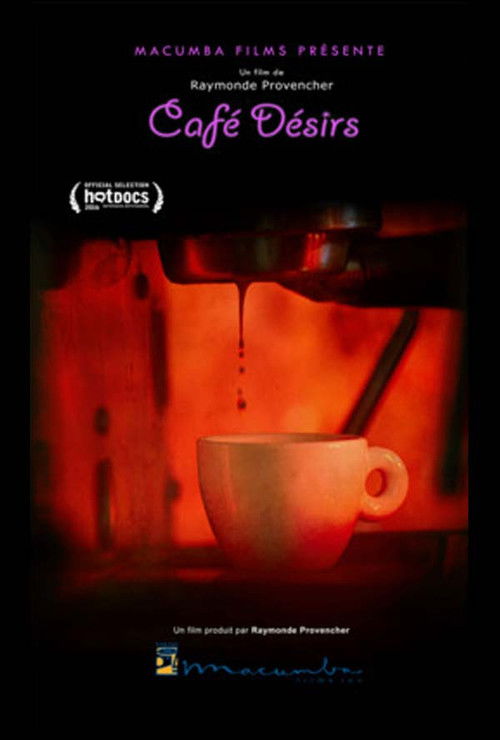
Since the early 1990s, when a bloody civil war broke out in Algeria between the government and Islamist militants, the concept of haram—the forbidden—has demanded the rigid separation of men and women. Café Désirs is a fascinating look at a generation of young, single Algerian men as they come of age in the ancient city of Constantine, trapped between strict religious virtue and sexual desire. Three eloquent guides take us into the male-only world of cafés and hookah lounges, to talk openly about their lives, their frustrations with work and the social dangers of living in a sexually repressed society. It's a world especially fraught for those pursuing same-sex relationships, which are illegal and severely punished. Café Désirs is an engaging and complex exploration of male sexuality and gender politics in a country still struggling with the aftermath of civil war and colonialism.
Victims of rape during armed conflicts and their children resulting from those heinous crimes speak about their experiences.
Victims of illegal torture authorized by democratic countries are interviewed. The victims discuss how they were tortured and the effects that torture has had on their lives both during and after their ordeal.
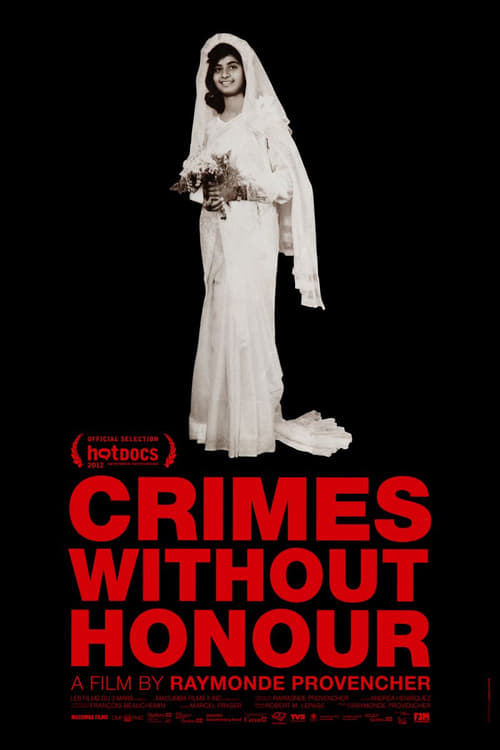
Every winter in a cemetery near Stockholm, activists gather to keep the memory of Fadime Sahindal alive. A Kurdish immigrant to Sweden who was murdered by her father in 2002, Fadime has become an international symbol of the debate over cultural traditions that accept the use of violence to control women's behaviour. In Crimes Without Honour, four extraordinary activists risk everything to publicly challenge these traditions and tell their own stories of physical and emotional violence. While they practice different faiths, hail from different parts of the world and have immigrated to different countries, all make it crystal clear that the justification for these crimes is an entrenched family power structure of male supremacy—one that crosses borders, cultures and religions. Raymonde Provencher has crafted a vital addition to a growing body of films about crimes related to patriarchal traditions of family honour.
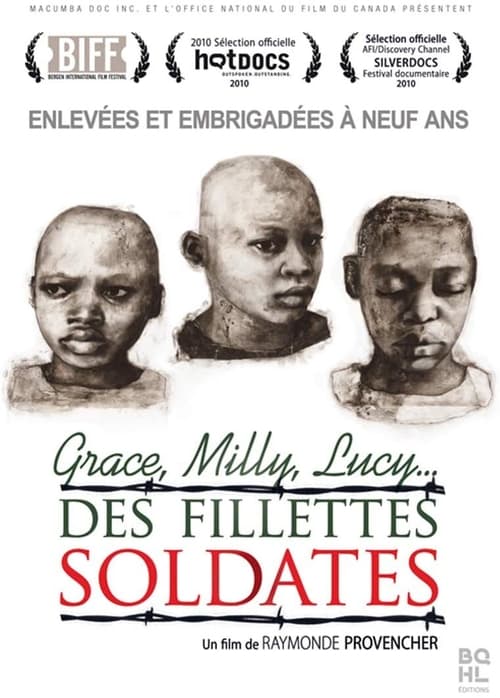
This documentary by filmmaker Raymonde Provencher talk about childhoods in Uganda, where they were forced to kill against their will as soldiers in the Lord's Resistance Army. Now as adults, they're working as activists to help others through a support group for survivors of childhood slavery, never forgetting their own haunting experiences.
This vivid portrayal of Chile from the 1973 military coup shows terror, demonstrations, repression by the military and police, marches, a state of siege, and peaceful reactions. The film juxtaposes rarely seen scenes of the ceremony, pomp and parades of General Augusto Pinochet and his cohorts against the at-first ineffectual and ultimately successful opposition in the streets. It is a powerful and eloquent reminder of the evils of autocratic rule that resonate in today’s debate about Pinochet’s fate.