Directing
Since its 1988 premiere, this critically acclaimed documentary series has presented hundreds of films that put a human face on contemporary social issues by relating a compelling story in an intimate fashion. "POV" has won virtually every major film and broadcasting award available, including 38 Emmys, 22 Peabody Awards and three Oscars.
TV's most-watched history series brings to life the compelling stories from our past that inform our understanding of the world today.
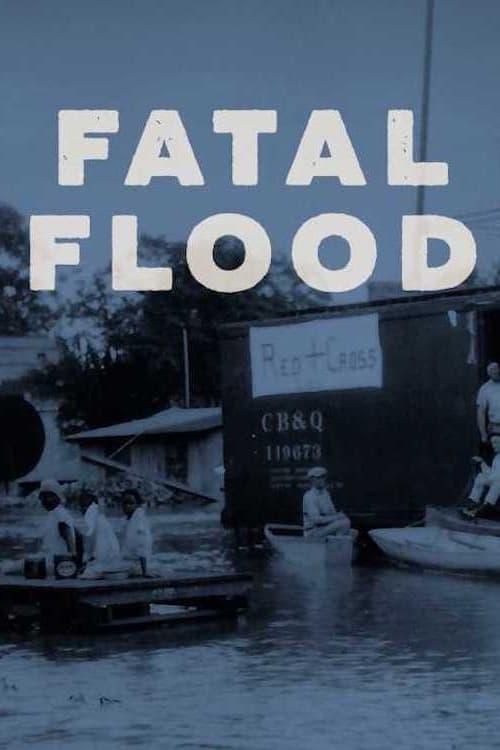
In the spring of 1927, after weeks of incessant rains, the Mississippi River went on a rampage from Cairo, Illinois to New Orleans, inundating hundreds of towns, killing as many as a thousand people and leaving a million homeless. In Greenville, Mississippi, efforts to contain the river pitted the majority black population against an aristocratic plantation family, the Percys, and the Percys against themselves. A dramatic story of greed, power and race during one of America's greatest natural disasters.
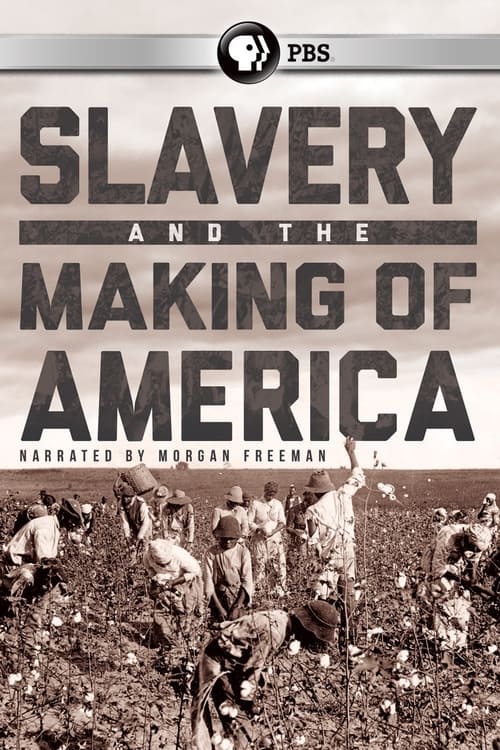
The history of American slavery from its beginnings in the British colonies to its end in the Southern states and the years of post-Civil War Reconstruction. Looks at slavery as an integral part of a developing nation, challenging the long held notion that slavery was exclusively a Southern enterprise. Simultaneously focuses on the remarkable stories of individual slaves, offering new perspectives on the slave experience and testifying to the active role that Africans and African Americans took in surviving their bondage and shaping their own lives.
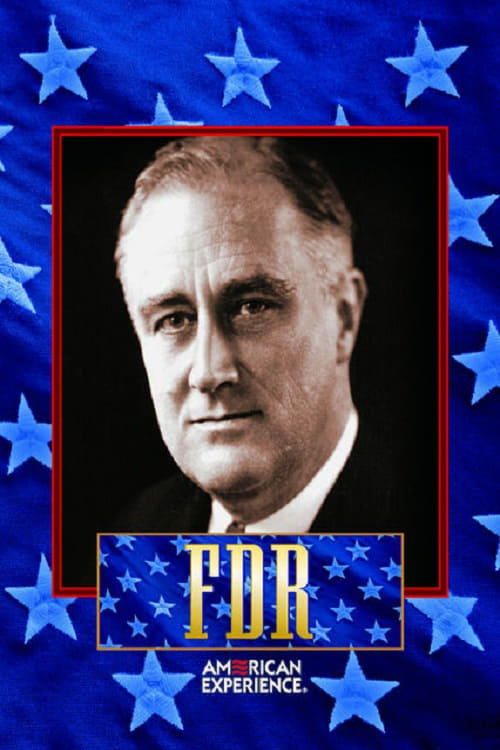
Franklin Delano Roosevelt is one of the most revered and influential Americans of this century. The subject of hundreds of books and countless plays, films, and television programs, he has become an icon for an entire generation. Until this definitive 4-hour documentary based on two books by senior creative consultant and FDR biographer Geoffrey Ward, the personal motivations and physical and emotional trails that marked his life remained elusive. By interviewing dozens of those who knew FDR or had chronicled his career, by uncovering rare and previously unseen footage of his public appearances and private life, and by weaving them together in a taut and compelling narrative beautifully read by David McCullough, writer/producer David Grubin presents the most complete account to date for Mr. Roosevelt. For this achievement, a Peabody Award was presented to David Grubin Productions and The American Experience for FDR.
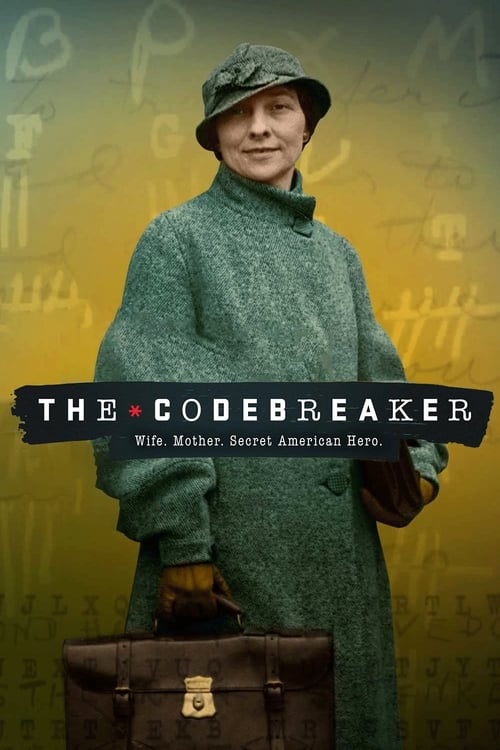
Discover the fascinating story of Elizebeth Smith Friedman, the groundbreaking cryptanalyst who helped bring down gangsters and break up a Nazi spy ring in South America. Her work helped lay the foundation for modern codebreaking today.
In the predawn hours of March 28, 1979, a reactor of the Three Mile Island nuclear power plant near Harrisburg, Pennsylvania, began to overheat. The lives of half a million people soon hung in the balance, as human error and mechanical failure combined to create the worst nuclear accident in American history.
This Emotional Life is a three-part series that explores improving our social relationships, learning to cope with depression and anxiety, and becoming more positive, resilient individuals.
For 99 years, the residents of Salamanca, N.Y., have rented the land under their homes for an average of $1/year form the Seneca Indians, under the terms of a lease imposed by Congress. Now, as the lease is about to expire, a century of bad business must be renegotiated. Chana Gazit and David Steward's film captures the unfolding drama as the survival of an American town and justice for the Senecas appear to be in conflict.
The Watergate case was the original game changer of America politics. How has Watergate changed the Presidency? What effect has the scandal had on our political leaders? And has hope and optimism forever been replaced in our national dialogue by doubt and cynicism? In 1973, Watergate's most pivotal year, reporters Bob Woodward and Carl Bernstein doggedly investigated the scandal exposing the long, twisted trail of cover-ups and lies.
No description available.
The world's first successful in-vitro fertilization takes place in Great Britain resulting in a live birth on July 25,1978.
100-years of naval aviation, from wobbly gliders and the first shipboard landing in 1911 to modern supersonic jets and unmanned aerial vehicles. The film deftly interweaves archival footage, interviews with historical and military experts.
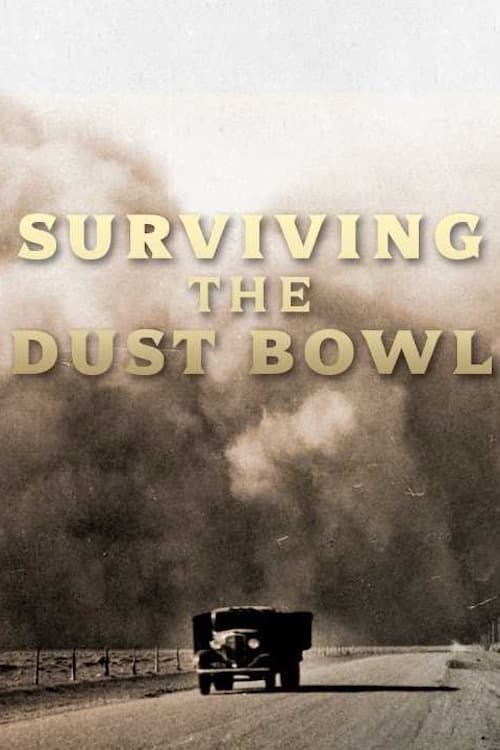
In 1931 the rains stopped and the "black blizzards" began. Powerful dust storms carrying millions of tons of stinging, blinding black dirt swept across the Southern Plains — the panhandles of Texas and Oklahoma, western Kansas, and the eastern portions of Colorado and New Mexico. Topsoil that had taken a thousand years per inch to build suddenly blew away in only minutes. One journalist traveling through the devastated region dubbed it the "Dust Bowl." This American Experience film presents the remarkable story of the determined people who clung to their homes and way of life, enduring drought, dust, disease — even death — for nearly a decade. Less well-known than those who sought refuge in California, typified by the Joad family in John Steinbeck's "The Grapes of Wrath," the Dust Bowlers who stayed overcame an almost unbelievable series of calamities and disasters.
Change, Not Charity: The Americans with Disabilities Act tells the emotional and dramatic story of the decades-long push for equality and accessibility that culminated in the passage of the Americans with Disabilities Act (ADA) in 1990. While curb cuts, ramps at building entrances, and braille on elevator buttons seem commonplace today, they were once the subject of a pitched battle that landed on the steps of Congress. Told through the voices of key participants and witnesses, the film highlights the determined people who literally put their bodies on the line to achieve their goal and change the lives of all Americans. A story of courage and perseverance, the film brings to life one of the great civil rights movements in American history, where ordinary people made their voices heard and Congress responded. A testament to the power of coalition building and bipartisan compromise, the passage of the ADA is a shining example of democracy in action.
Hannah Arendt was one of the most fearless writers of the 20th century, and her report of the Adolf Eichmann trial coined the phrase, “the banality of evil.” The German American scholar transformed her time as a political prisoner and refugee during World War II into insights about the human condition, the refugee crisis and totalitarianism.
American Experience looks at the 1968 Democratic National Convention in Chicago where Vice President Hubert Humphrey won his party's nomination for president amid massive civil unrest and violence perpetrated by Chicago Police and anti-Vietnam War protesters.
Tuberculosis is the deadliest killer in human history, responsible for one in four deaths for almost two centuries. While it shaped medical pursuits, social habits, economic development and public policy, TB and its impact are poorly understood.
Discover Les Ballets Trockadero de Monte Carlo (The Trocks), an all-male company that for 45 years has offered audiences their passion for ballet classics mixed with exuberant comedy. With every step they poke fun at their strictly gendered art form.
The White House is one of America’s most iconic buildings; it is a symbol of shared national history and is home to the most powerful person on Earth. Here, the president charts the course for the country, and the First Family lives in the spotlight. It's a home, an office, and a museum. It's a bunker in times of war, a backdrop for command performances or state visits, and the heart of the American body politic.