Laerte Coutinho
Acting
Biography
Laerte Coutinho, known mainly as simply Laerte, is a Brazilian cartoonist, comic strip artist and screenwriter. Assigned male at birth, she came out in 2009 as a crossdresser and later as a transgender woman. Laerte has collaborated with several publications such as Balão, O Pasquim, and Chiclete com Banana magazines and draws regularly for Folha de S. Paulo newspaper. She has created several comic strip characters, such as Piratas do Tietê (The Pirates of Tietê River). Since the mid 2000s, Laerte's strips became more philosophical and less humour-focused, abandoning fixed characters.
Known For

TV Pirata was a weekly Brazilian comedy show aired on Rede Globo between 1988 and 1990, being re-aired monthly in 1992. Some of the writers later went on to form the comedy troupe Casseta & Planeta. The show was first aired in April 1988 to fill a gap on Rede Globo's Tuesday night prime time line-up and its comedy was inspired by sketch comedy shows such as Saturday Night Live and Monty Python's Flying Circus with a no-nonsense approach to Brazilian comedy; however, it mixed a new style of comedy with elements of Brazilian culture such as football, politics, pop culture, telenovelas, economics and celebrities. No well-known figure or member of any economical or social class was spared from the show's cutting edge humor. The premise of the show was a TV studio being invaded by pirates who took over the programming department and put a tape on the air with some "unusual" programming. Another new element to Brazilian audiences was the performers, who weren't the usual comedic actors, but dramatic actors doing more comedic roles.
TV Pirata

As the Sars-Covid 19 pandemic increased, Rubiane Maia was in Folkestone, England, and Tom Nobrega in Tarapoto, in the Peruvian Amazon. Both were surprised by the sudden need to cancel planned trips to Brazil, their homeland. The closed borders brought unusual situations and an unknown feeling of exile. As news from Brazil reaches the distance like rocks breaking their computer screens, blurring the line between what is personal and what is collective, the pair of friends share their bewilderment and try to find some resonance amid the overwhelming amount of information that floats the virtual space.
Minha Bateria Está Fraca e Está Ficando Tarde

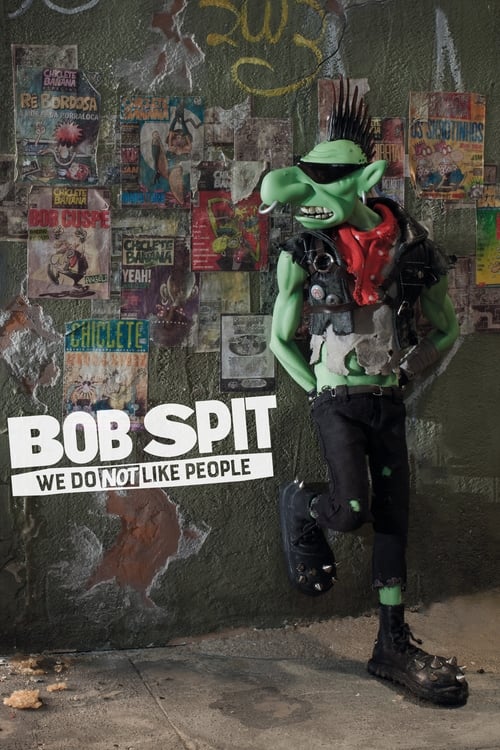
Bob Spit, a comic book character, lives in a post-apocalyptic desert inside the mind of his creator, the legendary Brazilian cartoonist Angeli. When Angeli decides to kill off Bob, the old punk leaves this wasteland and faces his creator.
Bob Spit: We Do Not Like People

A film director faces a complex situation in the production of his new film: Laerte, the protagonist of the story, begins to renegade her former characters, the Pirates of the Tietê. Lost in this situation and determined to be faithful to his whims after seeing the approach of death, the director decides to tell his drama mixing his persona with the story, creating a chaotic labyrinth between fiction and real life.
The City of Pirates

An unemployed hero on the verge of an emotional and financial collapse, searches with all his strength for a purpose in life. When he receives an offer to work at the Public Security Secretariat, he feels relieved and thinks that he will finally be able to put his life back together, but the hero quickly discovers that the job is far from what he expected.
Overman: O Filme
No description available.
Três Irmãos de Sangue

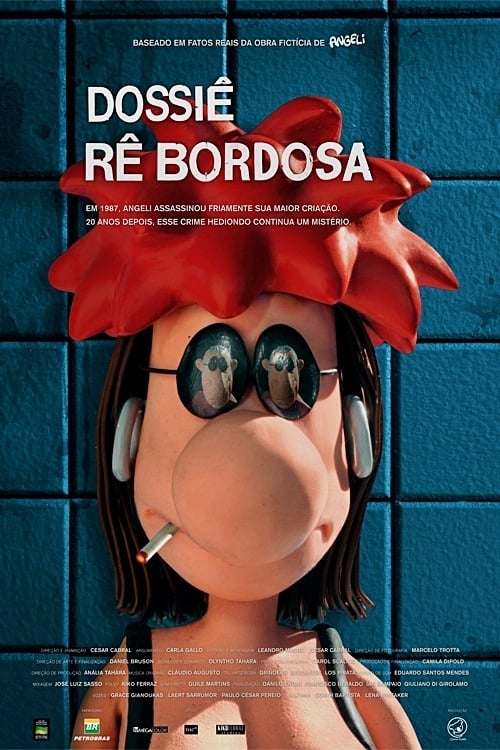
Envy? Ego issues? Malice? In 1987, Angeli, one of the most important cartoonists in Brazil, coldly murdered one of his most famous creations, the underground diva Rê Bordosa.
Dossiê Rê Bordosa

Several characters realize their personal way to build their own identity from the choice of genre. Transsexual, transgender, crossdressing – the defining of terminologies different ways of looking at yourself are constantly rising, portraying a universe of possibilities, expanding the boundaries of the possible and permitted.
Tie and Red Nail

No description available.
Transando com Laerte
No description available.
Cartas da Mãe

A family with financial difficulties has a brilliant idea: to make their daughter Lindinha get pregnant of the famous singer Ivan Cláudio to inherit a lot of money and get them out of the choke. They plan the right day that the girl should go out with the star and begin to follow his performance schedule. They just didn't count with one thing: the jealous Jennifer, wife of Ivan, who will not let this story cheap.
Love is All

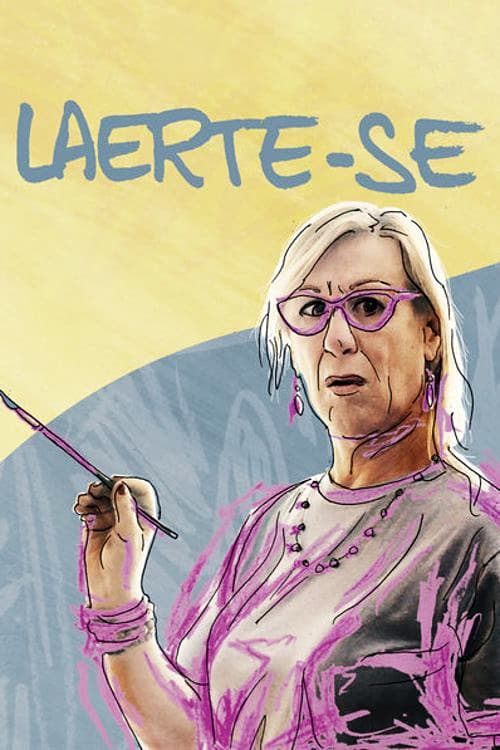
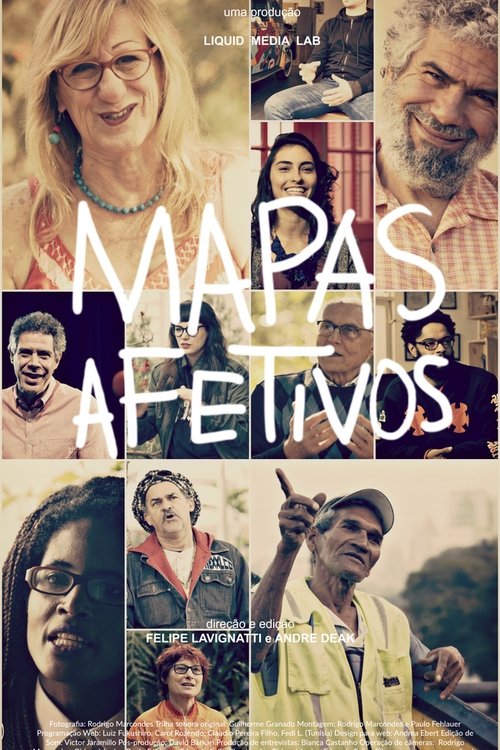
In this film, Laerte conjugates the body in the feminine, and scrutinizes concepts and prejudices. Not in search of an identity, but in search of un-identities. Laerte creates and sends creatures to face reality in the fictional world of comic strips as a vanguard of the self. And, on the streets, the one who becomes the fiction of a real character. Laerte, of all the bodies, and of none, complicates all binaries. In following Laerte, this documentary chooses to clothe the nudity beyond the skin we inhabit.
Laerte-se

Carlos Drummond de Andrade's poetry is read by exponents of Brazilian culture, such as Chico Buarque, Caetano Veloso, Adriana Calcanhoto, Fernanda Torres, Marilia Pera, Antonio Cicero and others.
Consideração do Poema

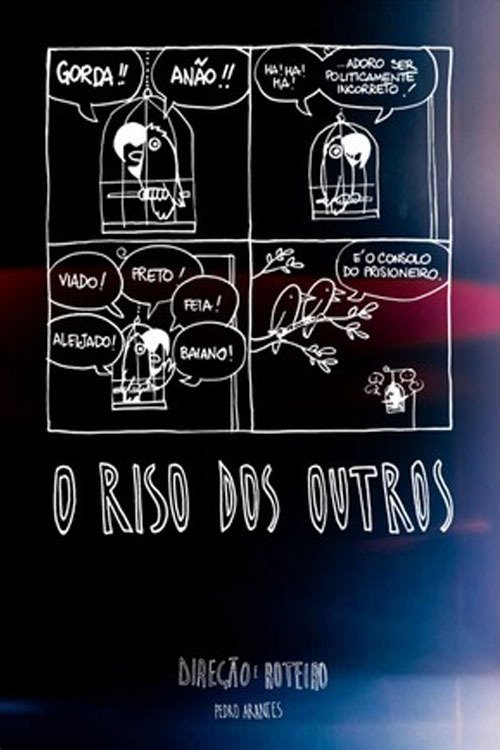
There are limits to jokes? What is the politically incorrect humor? A joke has the power to offend? It is these issues that 'Laughter of Others' discusses interviewing personalities such as comedians Danilo Gentili and Rafinha Bastos, cartoonist Laerte and Congressman Jean Wyllys, among others. The documentary delves into the world of Stand Up Comedy to discuss the fine line between comedy and offense, between legal and what creates endless lawsuits.
Laughter of Others

No description available.
Desenheiros do Instagram

Inspired by the US paper “Gay Sunshine”, in April of 1978 appeared in Brazil – during the dictatorship – the newspaper “O Lampião”, depicting the point of view of gays on various issues, including sexuality. A group of journalists and writers from Rio de Janeiro and São Paulo joined the project, fueling a publication that paved the way for the press at the time, addressing controversial issues at the period, such as racism, abortion, drugs and prostitution.
Lampião da Esquina: Lighting Up Brazilian Press

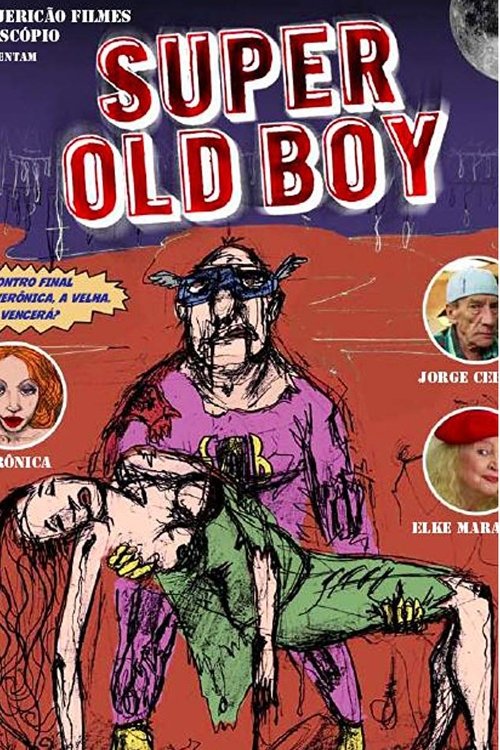
Bil is an elderly man who works as an office boy for a firm in São Paulo, as he does not pay for a bus ticket and takes a preferential line at the bank. One day he gets involved in an unusual bank robbery.
Super Oldboy

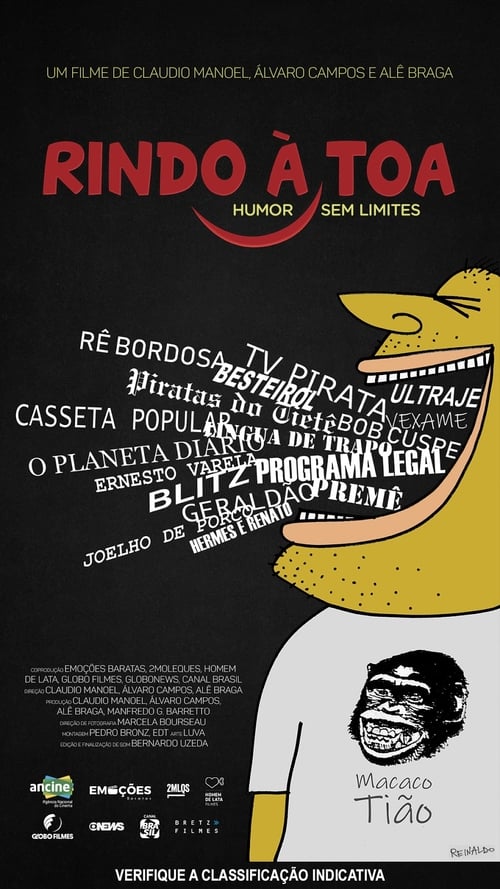
A portrays of the period in which Brazilian humor had fewer limits (1986-2003), free from military dictatorship.
Rindo à Toa: Humor Sem Limites

Marked in history as the first Brazilian comic book, totally in nuclei, Turma do Pererê is considered a giant influence for several later authors, such as Maurício de Sousa. In addition to being the first to address topics such as ecology and social inclusion, a work is also referenced for perfectly aligning with the main political interests of the time.
A Turma do Pererê.DOC

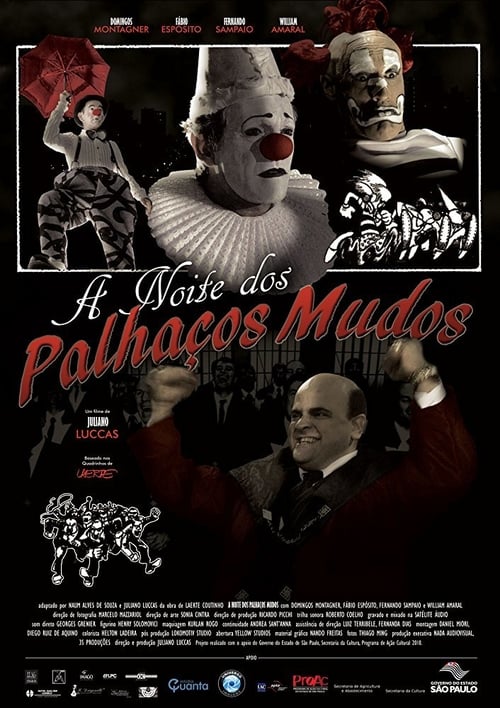
A movie adaptation of a story created by one of the greatest Brazilian cartoonists: Laerte. Two dumb clowns wander at night with the task of rescuing a kidnapped mate from an organization that aims to exterminate their kind. 'The Night of the Dumb Clowns' is a contemporary fable filled with humor against intolerance.