Thelma Ruby
Acting
Biography
Thelma Ruby, also known as Thelma Ruby-Frye (born March 23, 1925), is a British actress. Born Thelma Wigoder, she grew up in an Orthodox Jewish family in Leeds. Her mother, Ruby, was an actress; her father, Louis, from Lithuania, was a dentist.
Known For

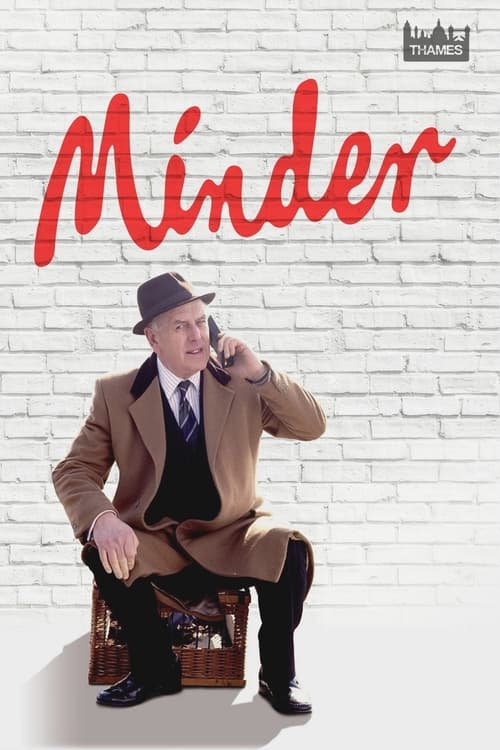
Roguish comedy drama following the misadventures of small-time crook Arthur Daley.
Minder

Theatre 625 is a British television drama anthology series, produced by the BBC and transmitted on BBC2 from 1964 to 1968. It was one of the first regular programmes in the line-up of the channel, and the title referred to its production and transmission being in the higher-definition 625-line format, which only BBC2 used at the time.
Theatre 625

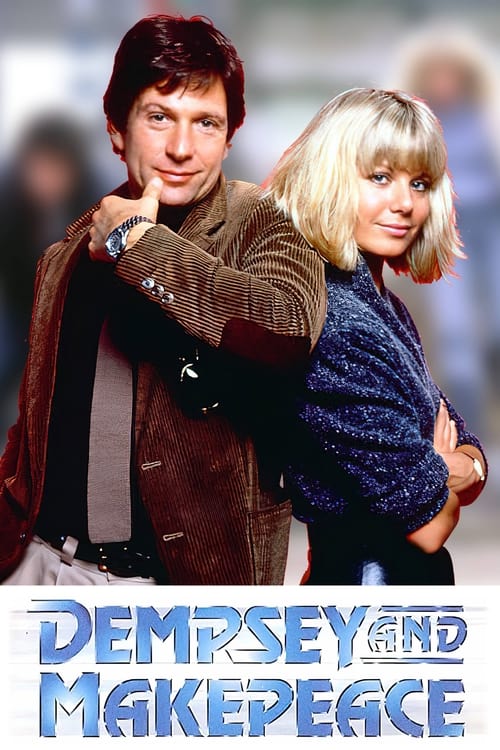
Dempsey and Makepeace is a British television crime drama made by London Weekend Television for ITV, created and produced by Ranald Graham. The leading roles were played by Michael Brandon and Glynis Barber, who later married each other on 18 November 1989. The series combined elements of previous series such as the mis-matching of British and American crime-fighters from different classes as seen in The Persuaders! and the action of The Professionals.
Dempsey and Makepeace

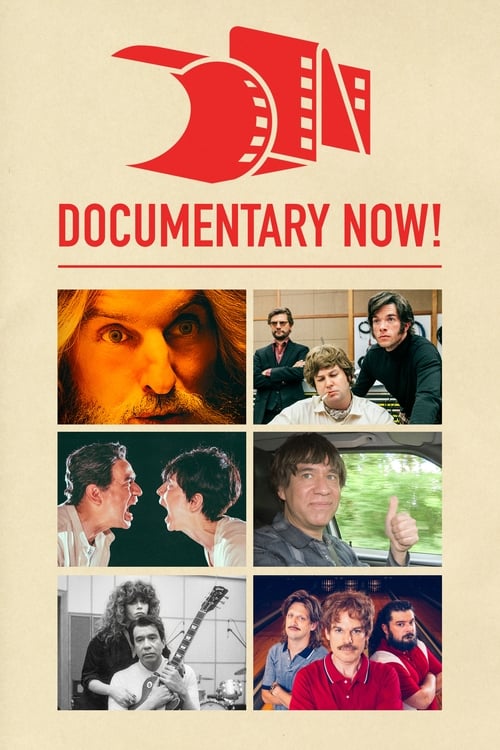
Loving parodies of some of the world's best-known documentaries. Each episode is shot in a different style of documentary filmmaking, and honors some of the most important stories that didn't actually happen.
Documentary Now!

The extraordinary story of Amy Winehouse’s early rise to fame from her early days in Camden through the making of her groundbreaking album, Back to Black that catapulted Winehouse to global fame. Told through Amy’s eyes and inspired by her deeply personal lyrics, the film explores and embraces the many layers of the iconic artist and the tumultuous love story at the center of one of the most legendary albums of all time.
Back to Black

Nicholas Nickleby, a young boy in search of a better life, struggles to save his family and friends from the abusive exploitation of his coldheartedly grasping uncle.
Nicholas Nickleby

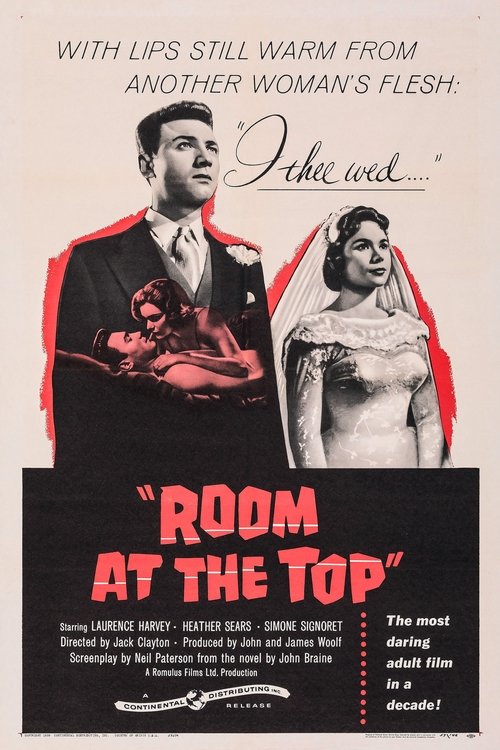
An ambitious young accountant schemes to wed a wealthy factory owner's daughter, despite falling in love with a married older woman.
Room at the Top

A Cockney family inherit a ramshackle Devon farm. The rest of the family don't want to leave London but the father insists and off they go, to face the unknown.
Where There's a Will

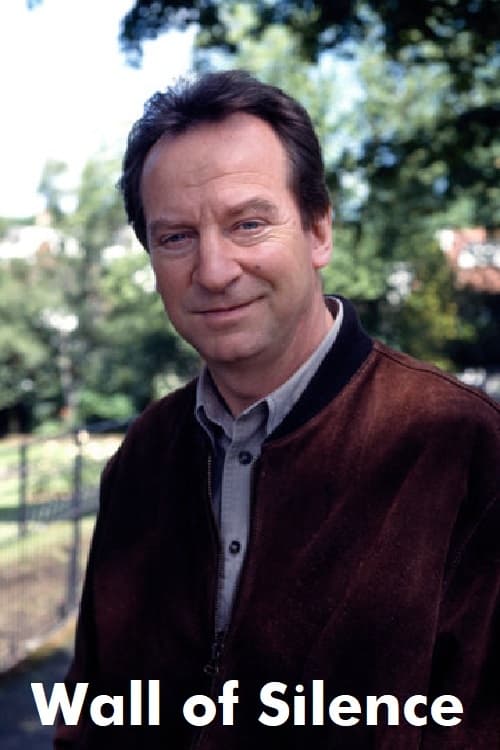
A corpse is fished out of a north London canal with stab wounds through the eyes. The victim was a prominent member of the Hasidic Jewish community, and the cause of death one reserved by the Hasidim to punish "moysers" or informers.
Wall of Silence

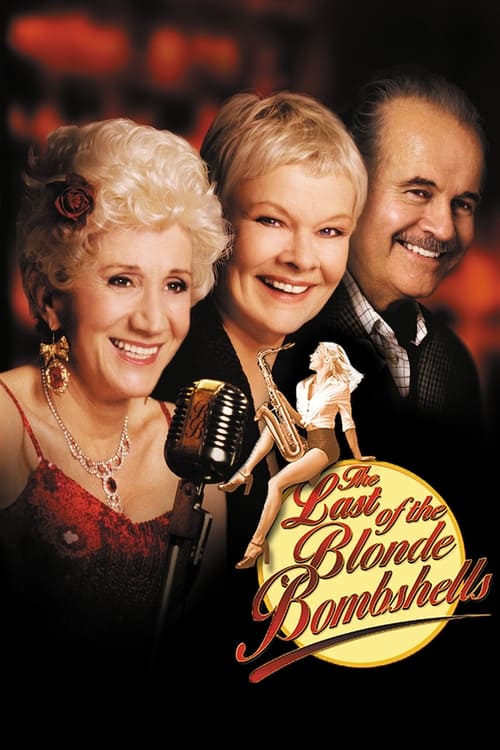
After Elizabeth's husband dies, she begins to play her tenor saxophone again, and remembers when she was 15 and a member of the Blonde Bombshells, an all-girl (with one exception) swing band. Accompanied by the exception and urged on by her grand-daughter, Elizabeth hunts up all the old members of the band and urges them to perform, and in doing so, learns more than she knew about the band, its members, the roses on the drum set, and herself--the last of the Blonde Bombshells.
The Last of the Blonde Bombshells

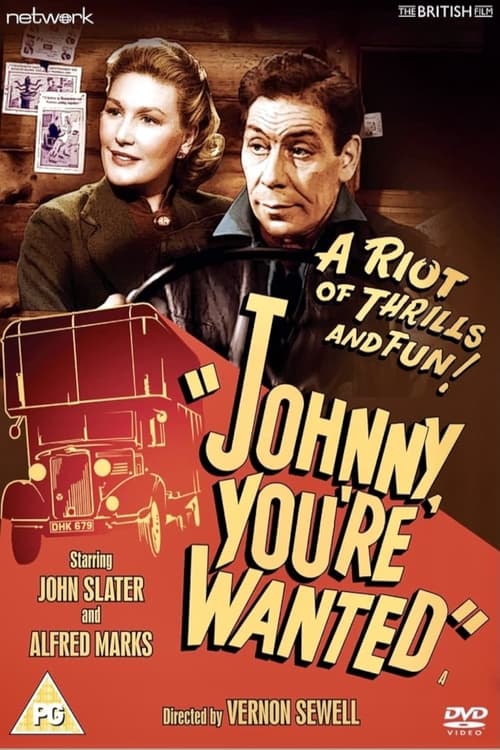
Returning late to London, Johnny gives a lift to an attractive female hitch-hiker. Some distance on, he stops to make a phone call and buy a coffee, but on returning to his cab finds the woman gone. Assuming she has hitched another ride, he continues on his way. A short time later he is flagged down by another driver, who has come across a woman lying by the roadside. The woman is Johnny's hitchhiker and she's dead.
Johnny, You're Wanted

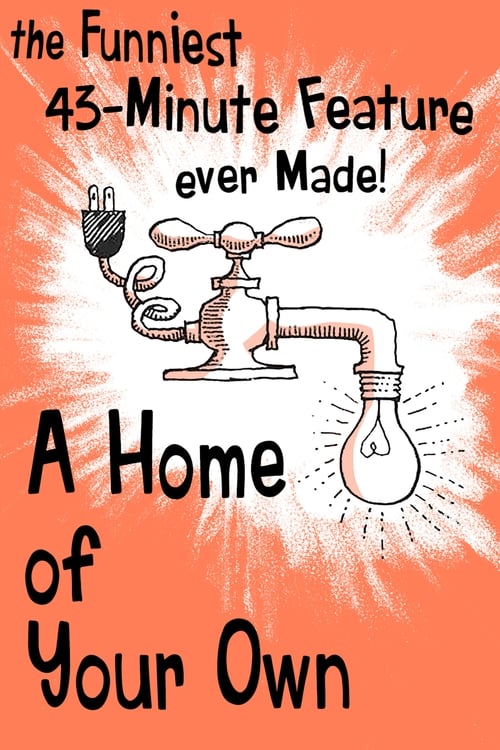
A Home of Your Own is a 1964 British comedy film which is a brick-by-brick account of the building a young couple’s dream house. From the day when the site is first selected, to the day – several years and children later – when the couple finally move in, the story is a noisy but wordless comedy of errors as the incompetent labourers struggle to complete the house. It may well have been inspired by the success of Bernard Cribbins' classic song of the same vein from two years earlier, "Right Said Fred". In this satirical look at British builders, many cups of tea are made, windows are broken and the same section of road is dug up over and over again by the water board, the electricity board and the gas board. Ronnie Barker’s put-upon cement mixer, Peter Butterworth’s short-sighted carpenter and Bernard Cribbins’ hapless stonemason all contribute to the ensuing chaos.