Petar Arsovski
Acting
Biography
He is one of the most famous actors in the history of Macedonian theater. He has been part of the ensemble of the Macedonian National Theater for more than 30 years where he had more than 150 premieres, among which the most significant are: Demons directed by Vladimir Milchin; Crime and Punishment directed by Egon Savin; Happy New ’49 directed by Slobodan Unkovski; Dias Irae directed by Slobodan Unkovski; Julius Caesar directed by Ljubisha Georgievski; Power Cag directed by Saso Milenkovski; Government Inspector directed by Vladimir Milchin; The Glembaj’s directed by Ljubisha Georgievski. Lately He also took part in numerous independent and alternative projects among which: Mad Forest directed by Nina Nikolikj; Tito directed by Branko Brezovec; Sex, Lies and Wild Geese directed by Nina Nikolikj; The Other Side directed by Martin Kochovski; Picnic on the Front directed by Luca Cortina. The career of Petre Arsovski is also marked by an extensive number of movies (70 leading roles), TV films and TV serials.
Known For

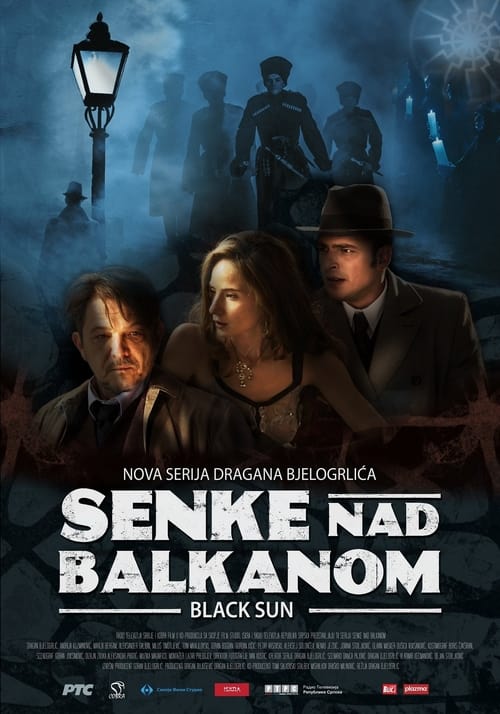
A historical fiction drama and thriller set in the turbulent period of the late 1930s in the Balkans as a place where high politics, local interests, capital and crime all merge together.
Shadows over the Balkans

Ravna Gora tells story of events after April War 1941. Serbia with accent on the Chetnic-Partisan conflict, at the beginning of World War II
Flat Hill

Spitz is the German-Jewish coach of the football team Macedonia during World War II. Under his leadership, the team fights to become the champion of Bulgaria's National Football League
The Third Half

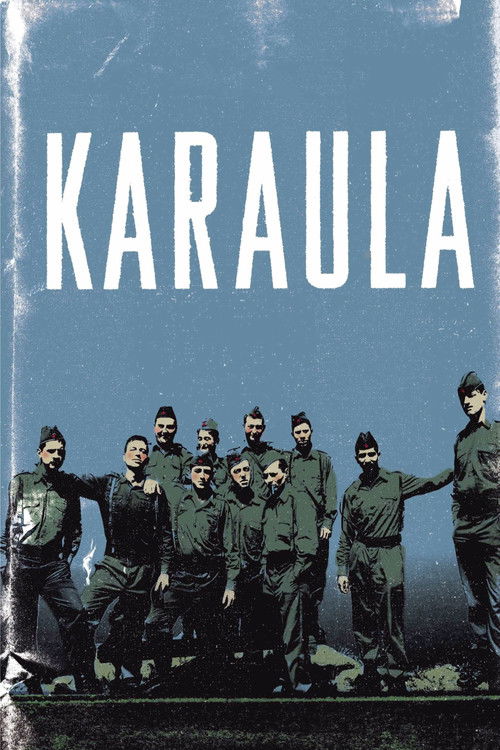
At a small border-post on the Yugoslav-Albanian border, yet another generation of soldiers suffering the usual amount of boredom awaits the end of their service, counting days to the moment when they should take their uniforms off for good. It is the spring of 1987 and the thought never even crosses their mind that they would, in fact, put them back on quite soon and go to war.
The Border Post

At the end of the year 1942 and the start of 1943, to stop spreading the revolution in county of Bitola, bulgarian occupiers are reinforcing the persecutions and the acts of violence on civil population.
The Macedonian Part of Hell

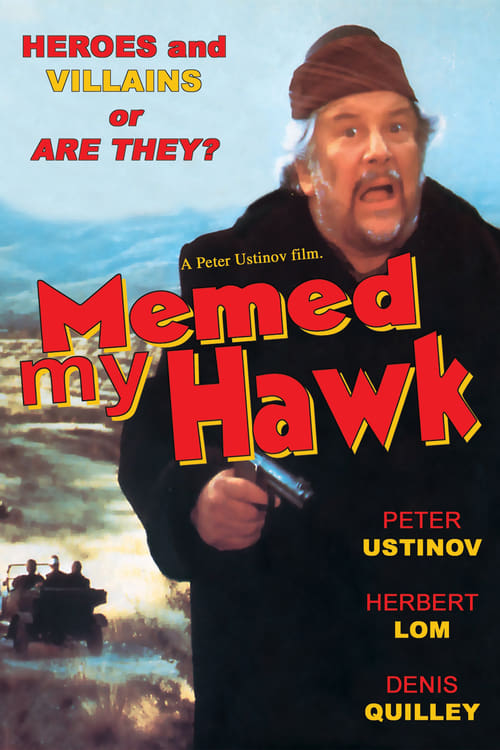
In 1920s Turkey, a young peasant is smitten with a beautiful young girl, who has been promised in marriage to the fat, dullard cousin of the province's powerful and corrupt governor. When an assassination attempt is made against the official, the young man flees his village and joins up with a group of outlaws fighting against the wealthy and powerful landowners who control the lives of the locals and make life miserable for them. The outlaws' successes prompt the governor to call in the Turkish army to capture or kill them.
Memed My Hawk

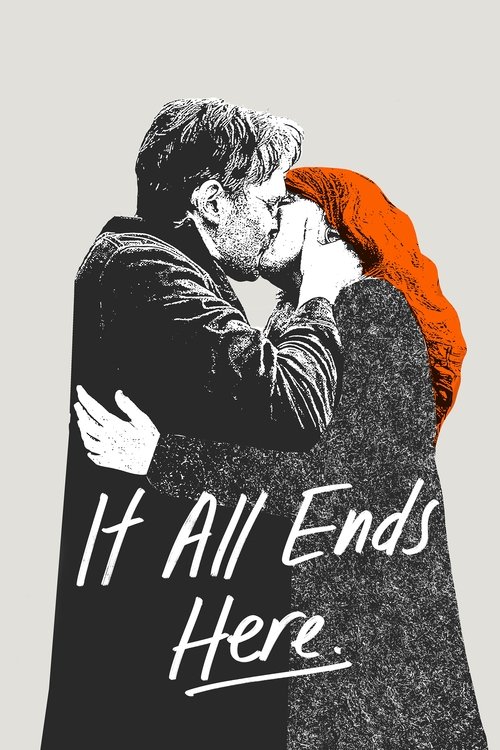
Maks is a brilliant lawyer who has been serving for years one of Croatia’s most powerful and ruthless businessmen, who made his fortune in the aftermath of the Balkan War. Maks’ latest service has been to have his client declared innocent of the murder of two of his workers for acting in self-defense. But the sudden appearance of a former girlfriend triggers a crisis of conscience in Maks, leading him to confront his employer and risk his life by uncovering a dense network of corruption at the highest level involving all branches of the State.
It All Ends Here

Lea, 21, is being diagnosed with leukemia. Having no time left she starts appreciating every hour, seeing beauty where she's never seen before. Hoping she could change the world, Lea makes a video project aiming to give her contribution to living by creating a viral happiness effect.
The Happiness Effect

In the year 2019, after global destruction and descent into savagery, the immortal Kuzman tried to discover his destiny in order to learn how to die. As he enters the whirling circles of time, we discover the blasphemy of our century, and how it is to close its circle.
Goodbye, 20th Century

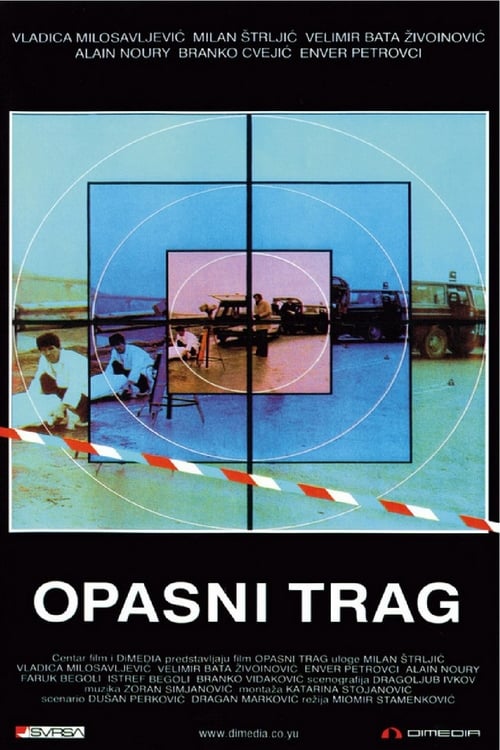
A small group of extreme Albanian nationalists are hunted by Yugoslav security services.
A Dangerous Track

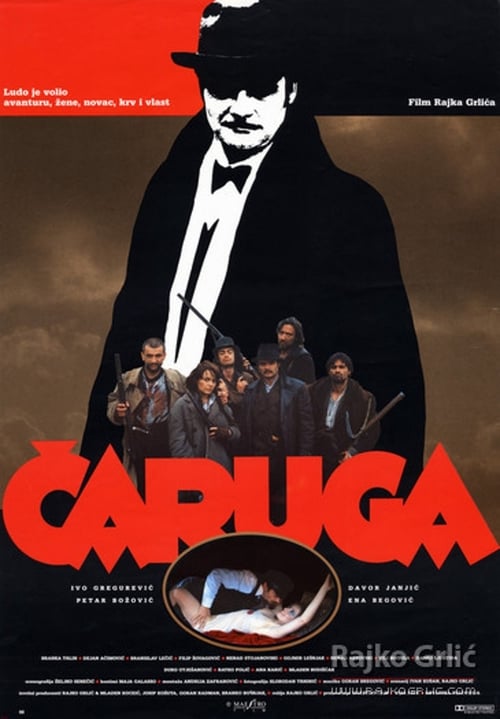
After returning from the Eastern Front to their small Croatian village as veterans of the First World War, Jovan Stanisavljević (nicknamed Čaruga) and his comrade known only as Mali join forces with the gang led by a local bandit and communist revolutionary Boža The Red. After Boža is brutally murdered by law enforcement officials, Čaruga takes over as the gang's leader, turning them into a bloodthirsty troop that won't take no for an answer.
Charuga

The film is picturing the faith of the old Serbian warrior Milisav Janjic, who fought against the German occupation in the Second World War as a member of the "Ravnogorski pokret". The storyline narrates his memories of the past and the war events in the spring of 1941 interwoven with the contemporary moments, the author features the attack of fascist Germany, the April war and the fall of the Kingdom of Yugoslavia, the misfortune placed upon the Serbian people, loss of freedom, birth of the freedom movement in Serbia and one Serbian soldier, who after 70 years of expatriation in America returns to his homeland.
For the King and Fatherland

The story of is placed at the end of the 19th and at the second half of the 20th century. The locations are different and completely opposite: the rural Macedonia at one hand, and the urban environment of an industrial region in Belgium at another...
Revenge

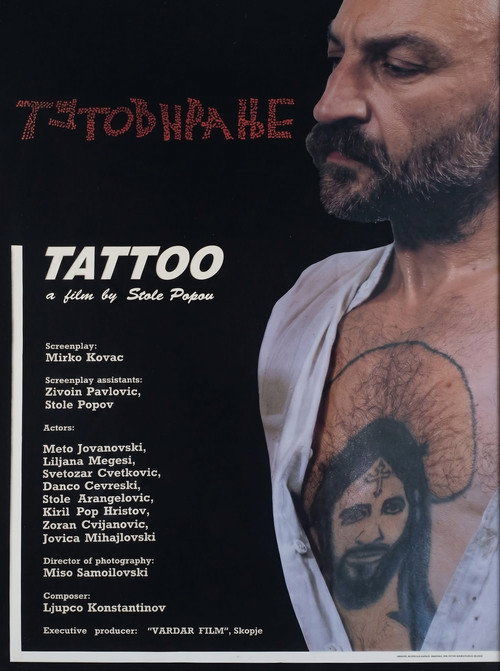
After a quarrel with his wife, a man leaves their apartment with one suitcase only. Having slept in a train station, the police legitimates him and found him suspicious. Soon he'll find himself locked in a prison with several other, mostly innocent people. The true horror begins only then.
Tattoo

A Macedonian military deserter and his Italian blood-brother are searching for a dead grandmother wrapped up in a stolen carpet, all over the Balkan's criminal underworld.
Bal-Can-Can

In March 1903, amidst the crumbling Ottoman Empire, Macedonia remains unliberated, with its revolutionary movement burgeoning. In retaliation for supporting freedom fighters, the Turks besiege a wedding, capturing over two hundred villagers and sentencing them to lengthy prison terms. These prisoners are then transported to Asia Minor, enduring severe hardships and humiliation through the desert, with many perishing along the way before reaching their final destination in October 1908.
The Longest Journey

In Yugoslavia's Livada prison in 1970, inmates led by Keber convince reluctant authorities to let them watch the televised Olympic final basketball game between the home country and the U.S., but taunting guards interrupt the viewing and prod the prisoners to the point of a riot. After a period of a kind of blissful anarchy where the inmates taste freedom, Keber enlists the house "intellectual" Mrak to devise a system of prisoner self-government aimed at forcing reforms on the state.
Headnoise

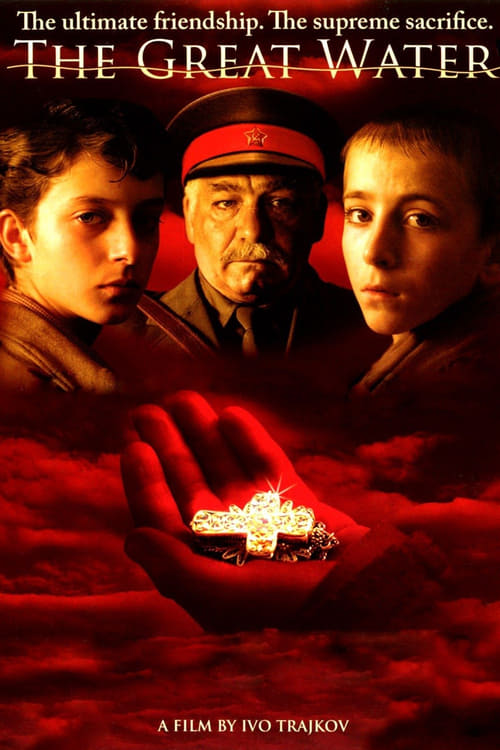
An ailing communist reflects on a young boy childhood in Stalinist Yugoslavia.
The Great Water

Three almost middle-aged men decide to open up a pizzeria in the neighbourhood of Šiška in Ljubljana.
Siska Deluxe

The story of two brothers of different orientation and fate. The drama takes place in an atmosphere of tension and fear, during the conflict of Yugoslav Communist Party with the Stalinism, during the Cominform. Older brother Dragoslav, a returnee from Russia, was unjustly accused of being a Russian spy and subsequently arrested. Younger brother Kosta is not interested in politics, but he's attracted by a brother's wife Vera and underworld mafia. In the end, it turns out that a young woman belongs to the Soviet spy agency.