Acting
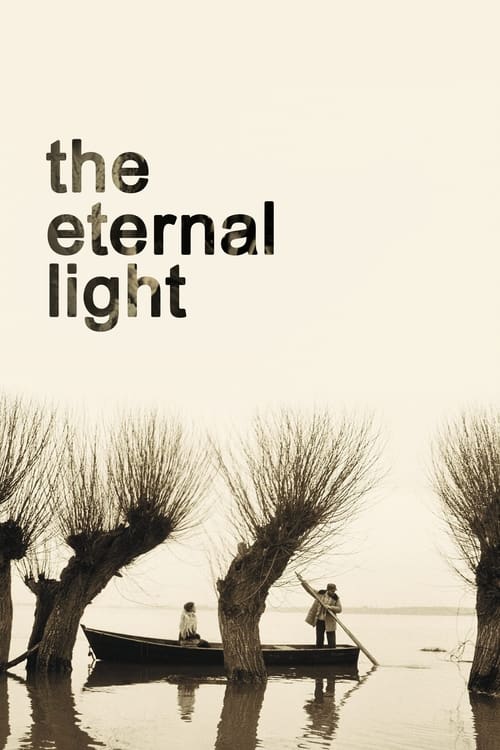
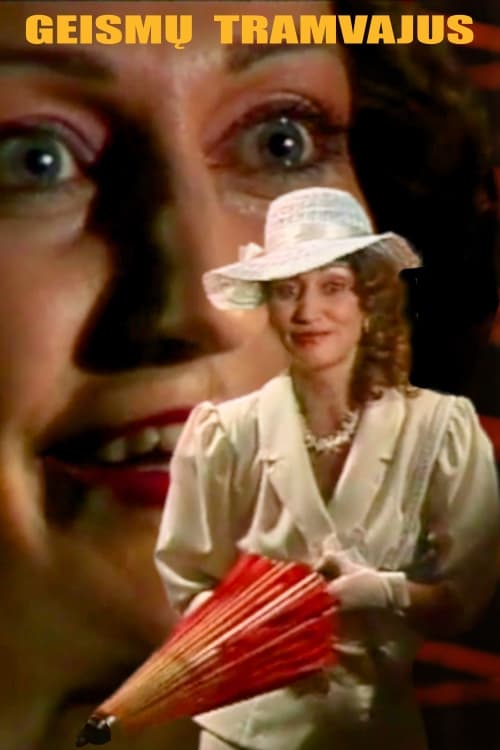
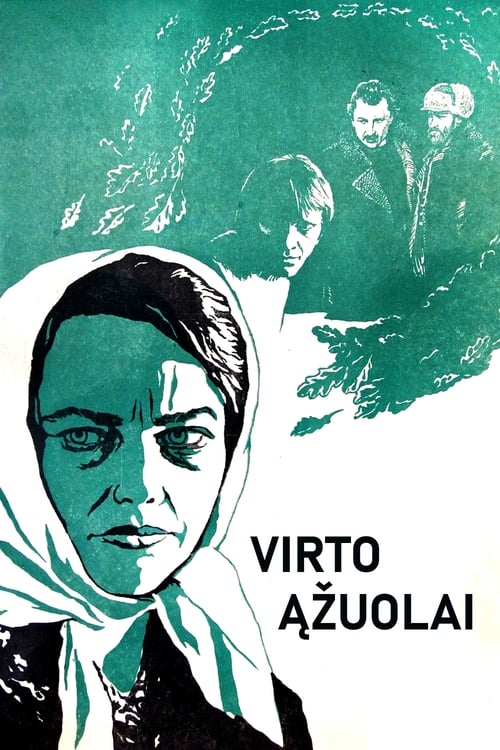
Lithuanian countryside in the 1950s. People live with mixed memories of an independent Lithuania, no one believes in the myths of a future Soviet Lithuania, but everyone clings tenaciously, out of inner inertia, to the opportunities offered by even the smallest personal farm. This is a film that subtly tells the story of love and the beginnings of a peaceful life in the countryside: the surveyor is tormented by Pranė, who has fallen in love with him unrequitedly, Amilia, who has fallen in love with Zigmas, but is married to the surveyor, Anicetas, the village philosopher, Bernasius, knows it all: if there is an eternal darkness, there is also an eternal light...
In the Lithuanian village of Lietuvos, a farmer brings his sheltered nephew, Joni, to the rich Bani. By biting the prospective host's hand, the teenager gains the nickname of "the devil's seed."
In rural postwar Lithuania, the Šatai and Kaminskai families live beside each other. A cow sold to the Kaminskai dies, creating enmity between the families. Andrius Šatas and Liuka Kaminskaitė grow up together and fall in love.
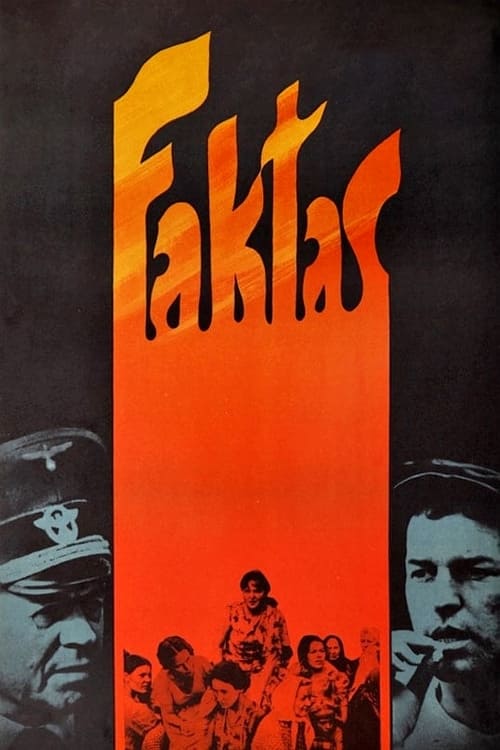
Facts is a dramatization of a massacre in a Lithuanian village during World War II when Nazis rounded up over 100 men, women, and children accused of partisan activity and then torched the houses in which they were held. Using Russian interrogations of a few survivors, the testimony of villagers, and some of the Germans responsible for the killing, the film gradually reconstructs the event and its context.
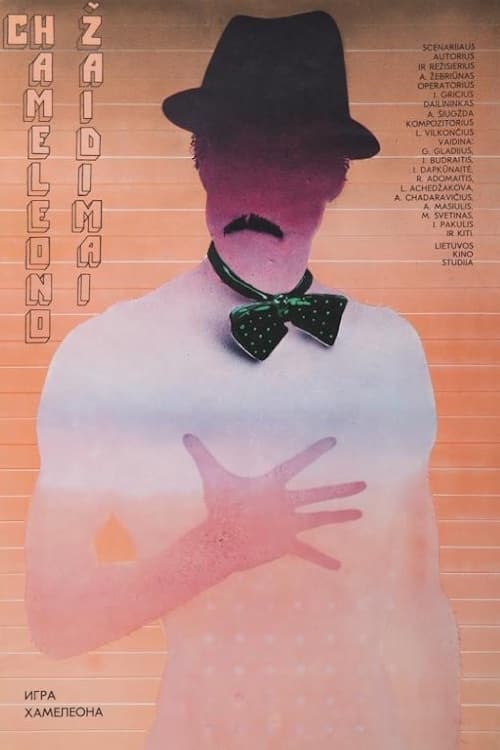
Paris, 1955. Fraudster Georges de Valera, hiding from the police, with the help of a correspondent for the reactionary newspaper Sibilo, poses as Minister Dubov, who allegedly escaped from the Soviet Union. Sibilo's daughter explains to Georges the purpose of the planned action: to slander progressive journalists with the help of the false Dubov. De Valera, not wanting to become a participant in the provocation, goes into hiding. But instead they find another candidate for the role of Dubov...
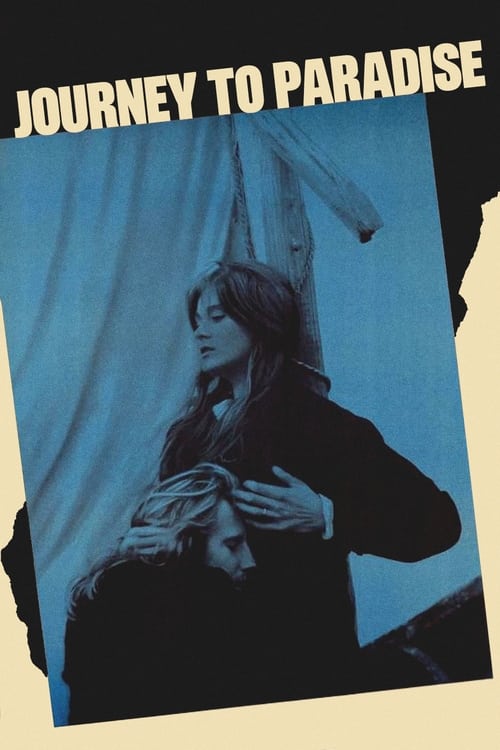
The sailor Audrius comes ashore for the last time in his life. The story unfolds through Audrius’ journey and his many encounters over the weekend as autumn turns to winter. He is driven by a severe lack of time. Inadequate actions and reactions make sense when we find out his secret: he’s dying of Leukemia. During his grandmother’s birthday in her countryside village, surrounded by his family and after reassuring his son, he makes a final attempt to find resolve and peace. Farewell is a moving universal tale, uplifting and heart warming, verbally laconic and visually rich. It is a clear-cut story of the human spirit, which is both relentless and immortal.
As Blanche’s fragile world crumbles, she turns to her sister Stella for solace – but her downward spiral brings her face to face with the brutal, unforgiving Stanley Kowalski.
Biopic devoted to the history of the life of Soviet biologist, academician Nikolai Vavilov. His scientific and personal confrontation with Trofim Lysenko, the subsequent arrest and death of the scientist in prison.
A play based on V. Eliseeva's novel "And It Was Like This..."
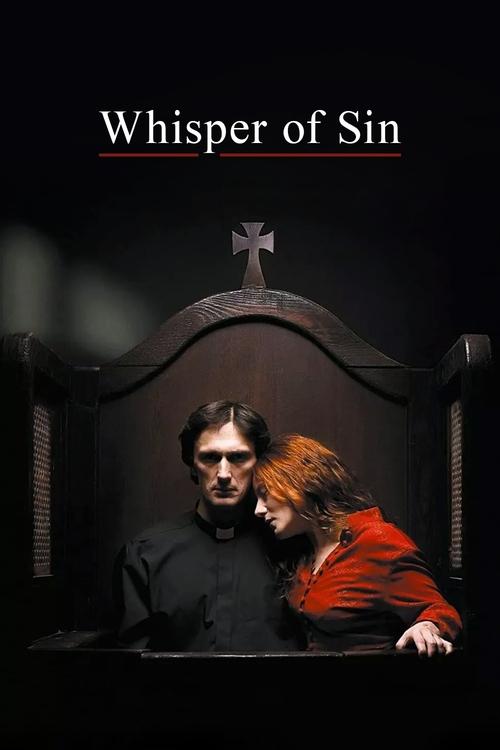
A nearly-suicidal, young woman visits a psychotherapist. She is in love with a priest, and the diagnosis of her husband's mental illness leaves no hope. The psychotherapist, in her attempts to resolve the amassed difficulties, seemingly begins to duplicate the life stages and behavioral patterns of her patient. A script for this film is based on motifs from the best-seller, scandalous novel, Witch and Rain, by female author, Jurga Ivanauskaite. By choosing a priest as the main role for a love story, the author broke an existing societal taboo. Faith, Love and Hope form the trilogy by the authors of this screenplay. Love stands as the grandest of the three.
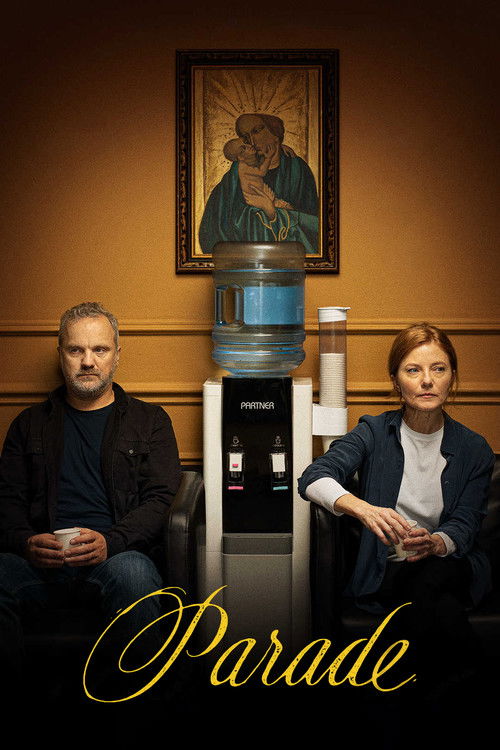
Miglė, who married when she was very young, has for 26 years been divorced from her ex-husband who one day calls her and asks for a favour. He has found that it would be a good time to get married again after the death of his mother. But there is a small problem: their divorce is valid only in the eyes of the law, because a Catholic marriage cannot be divorced. It can, however, be annulled. All that needs to be done is to complete an application and give the “Catholic court” a good reason. But she does not know in what kind of absurd situations she is about to find herself in.
No description available.
The rich widow Marta Anker, owner of a renowned trading company, loves the poor fisherman Ansą Balčiai. The locals keep the ongoings under close watch.
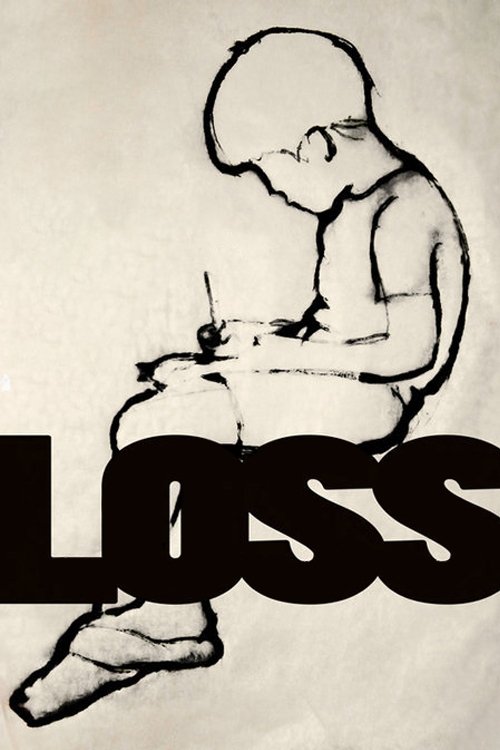
A mentally ill young woman Valda convinces herself that a boy growing up in an orphanage is her child. Following the footsteps of a thousands Lithuanians, she immigrates to Ireland to earn money to save him. "Loss" portrays the beauty and tragedy of the human heart.
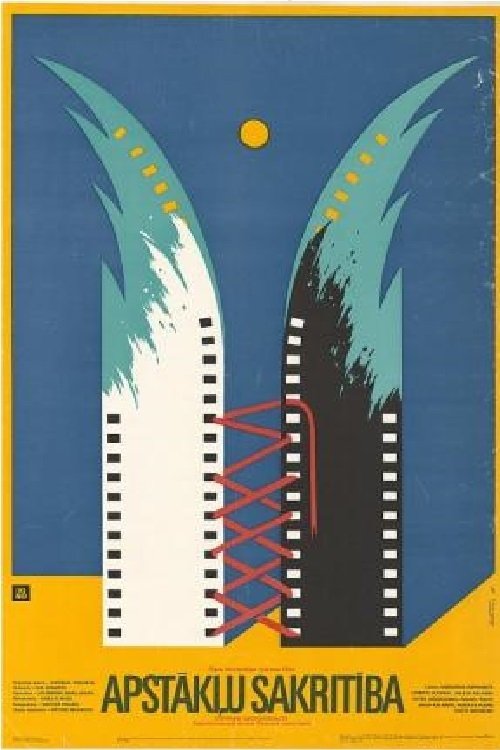
The film takes place in 1944 in a Moldovan village that had just been liberated by the Soviet Army. A young teacher creates a school pioneer organization. He is opposed by the school principal, who is hiding a fascist agent. With the help of a young teacher and his students, police officers manage to neutralize the criminal.
A faithful adaptation of the story of famous Lithuanian author Baltusis both in subject and artistic presentation. Three brothers Laurynas, Stanislovas and Antanas fall in love with one woman Kazyte and dramatic events make all three brothers go to jail for homicide, while she lives alone on their land.
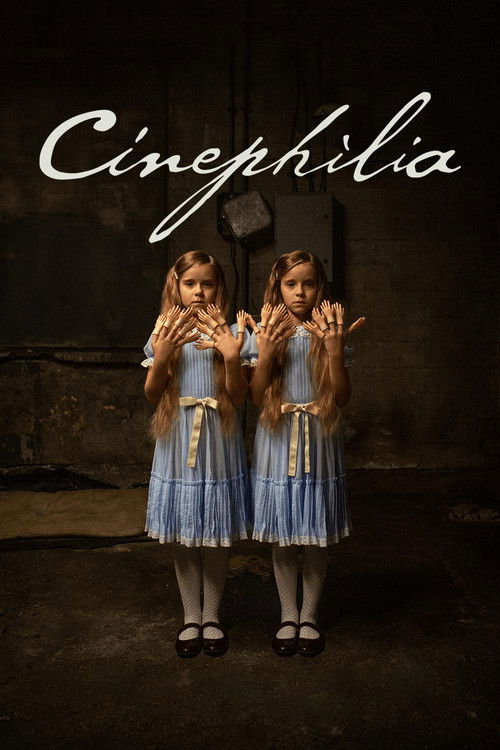
With gentle irony, “Cinephilia” unmasks the illusion of film. Characters migrate through the worlds of reality and fantasy, in circumstances that paradoxically have no questions or answers. The two moons of Lars von Trier shine in the night sky, entrancing the main heroes, Roland and Isabel. Roland rents himself a room where he winds up in situations reminiscent of the plots found in Franz Kafka’s “The Trial” or Roman Polański’s “The Tenant”. A guy visits Roland, claiming that they known each other, and offers him a lot of money to film his suicide. There begins a kaleidoscopic sequence of events and random acquaintances. They make the characters wander through the worlds of reality and fantasy, sometimes both at the same time. A dark comedy that tells nine related stories in which the fates of the characters intertwine.
At the end of the war, a French plane was shot down by the Germans near the Nemunas River, but the injured pilot Andrė parachuted into a Lithuanian village. Domas, a miller, hides him in his mill, while young Saulė, who was Domas' bride, nurses him. They fall in love, but shortly after, Andrė's squadron mates Arrive. Five years after the end of the war, Saulė is still waiting for the Frenchman, who is said to have died near Nemunas.
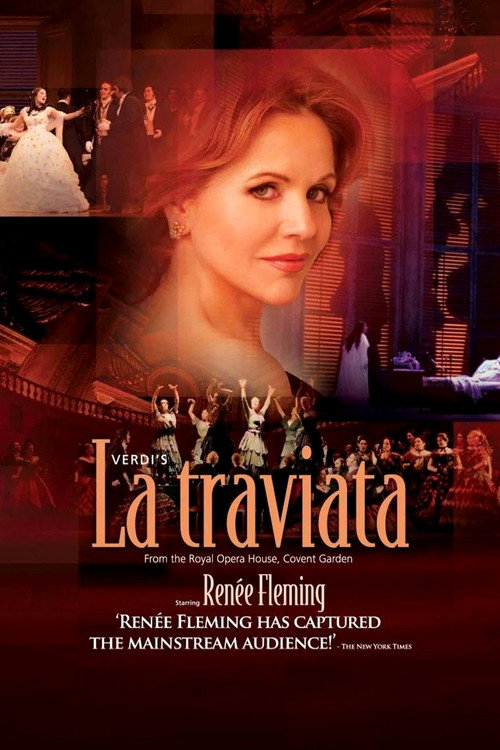
Renée Fleming has matured into one of the finest sopranos around at the moment, a true star with a sparkling personality and a velvet-toned voice that is capable of wringing the finest emotions out of works by Strauss and Tchaikovsky that from a lesser singer could sound rather cold and clinical. I wouldn't have thought her voice would be so well suited to Violetta Valéry in La Traviata, and it does take some getting used to, but I think she at least brings a distinct quality to the role with an emotional heart that isn't always necessarily there when a leading diva uses it primarily as a display for her vocal talents. It's served well also by Antonio Pappano's conducting of the Royal Opera House Orchestra in a traditional, but effective production by Richard Eyre.