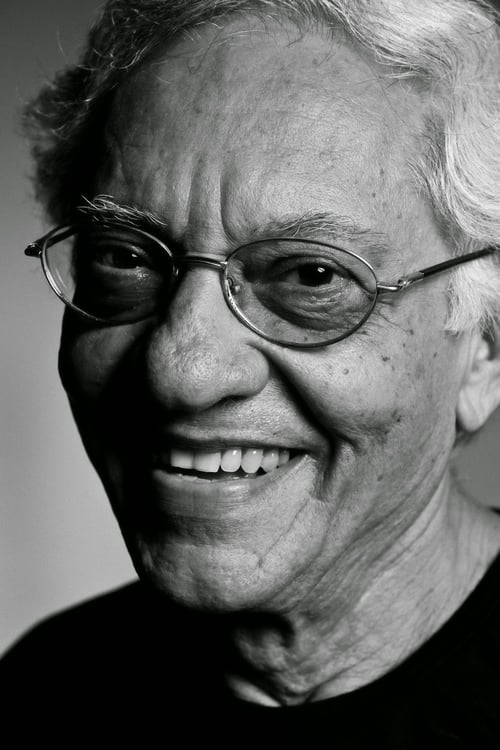
Vladimir Carvalho
Directing
Biography
Vladimir Carvalho (Itabaiana, January 31, 1935 - Brasília, October 24, 2024) was a Brazilian filmmaker and documentary filmmaker.
Known For

The day-to-day operations of the law enforcement agency that investigates crimes committed by the police itself.
Internal Affairs

Eduardo Coutinho was filming a movie with the same name in the Northeast of Brazil, in 1964, when there came the military coup. He had to interrupt the project, and came back to it in 1981, looking for the same places and people, showing what had ocurred since then, and trying to gather a family whose patriarch, a political leader fighting for rights of country people, had been murdered.
Twenty Years Later
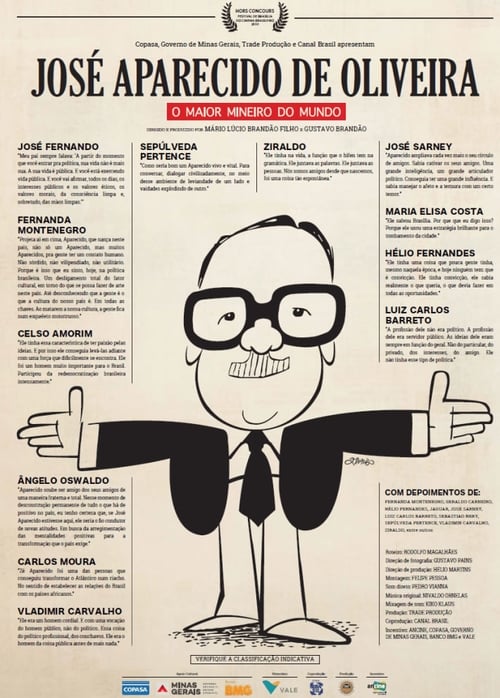
Documentary that chronicles the trajectory of the journalist, federal deputy, secretary of state, minister of state, governor and ambassador José Aparecido de Oliveira, who lived with the greatest authorities and personalities from the political, business and cultural circles in Brazil and the world.
José Aparecido de Oliveira – O Maior Mineiro do Mundo
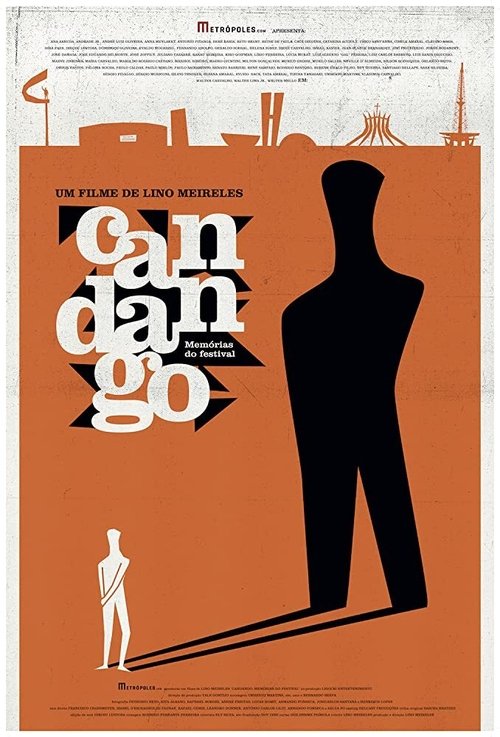
In 1965, a year after the military coup in Brazil, an oasis of freedom opened in the country's capital. The Brasília Film Festival: a landmark of cultural and political resistance. Its story is that of Brazilian cinema itself.
Candango: Memoirs from a Festival
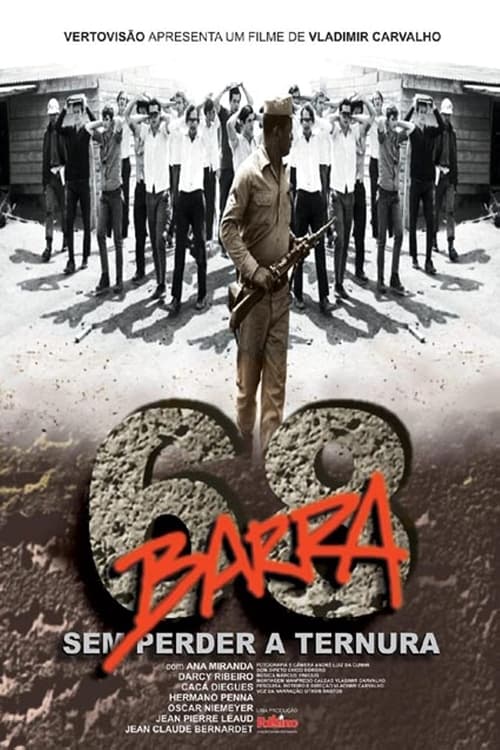
The story of the University of Brasília, since it was only a project in Darcy Ribeiro's head until the fateful events in August 1968 when its campus was invaded by the police, during the military dictatorship, thus putting an end to its independence.
1968 - Without Losing Tenderness
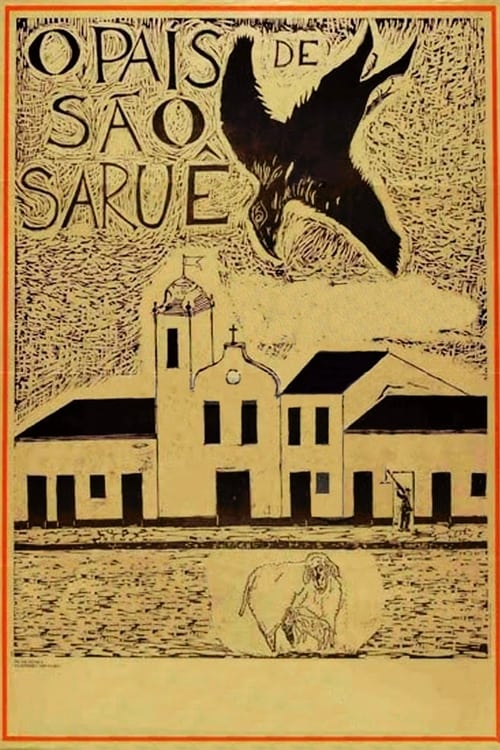
Documentary about a region in Northeast Brazil, situated in an area subject to severe drought, and the evolution of its economic activities.
The Land of São Saruê
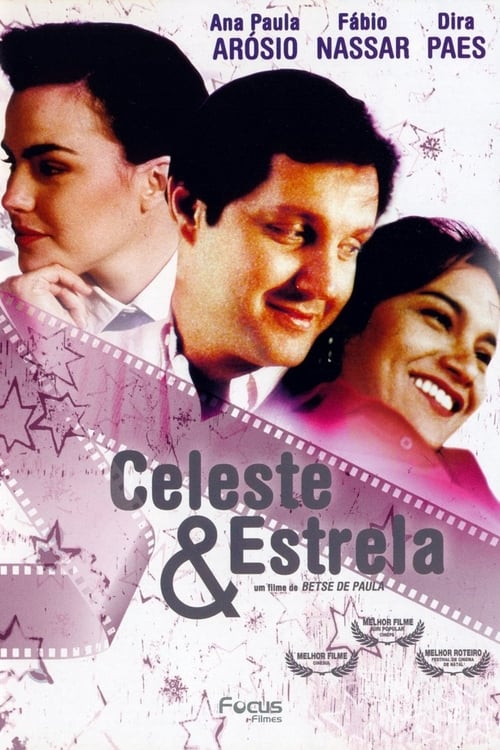
While waiting for her at the airport, a film critic recounts to a receptionist how he met his great love, Celeste.
Celeste e Estrela
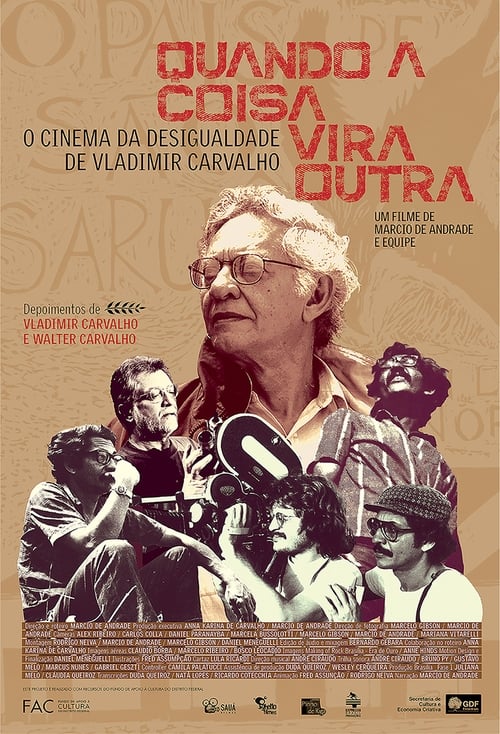
Vladimir Carvalho's Cinema of Inequality marked the documentary filmmaker's trajectory over decades of activity. Considered one of the most important Brazilian documentary filmmakers in activity, his images influenced the emergence of Cinema Novo and the new Brazilian documentary years later. Quando a Coisa Vira Outra covers the most important films made by Vladimir, revealing where ideas come from to show the true reality of a country.
Quando a Coisa Vira Outra
No description available.
Brasília Segundo Feldman
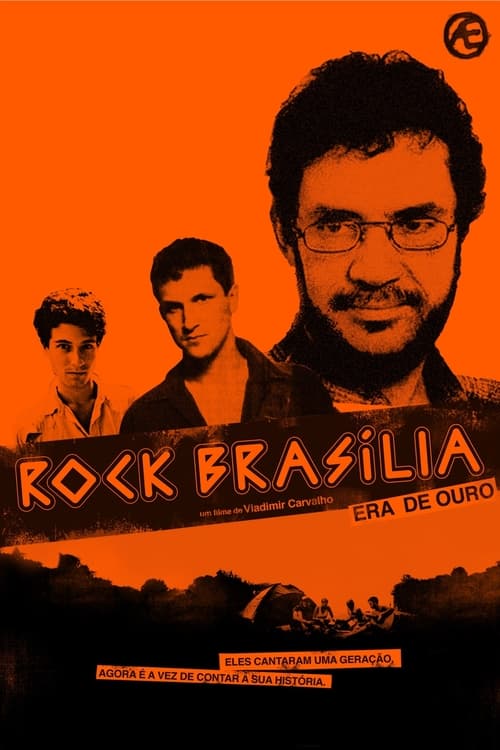
The story of the young people from Brasília that, led by Renato Russo, after a long journey and many obstacles, sees their dream come true, with the success of their bands.
Rock Brasília - Era de Ouro
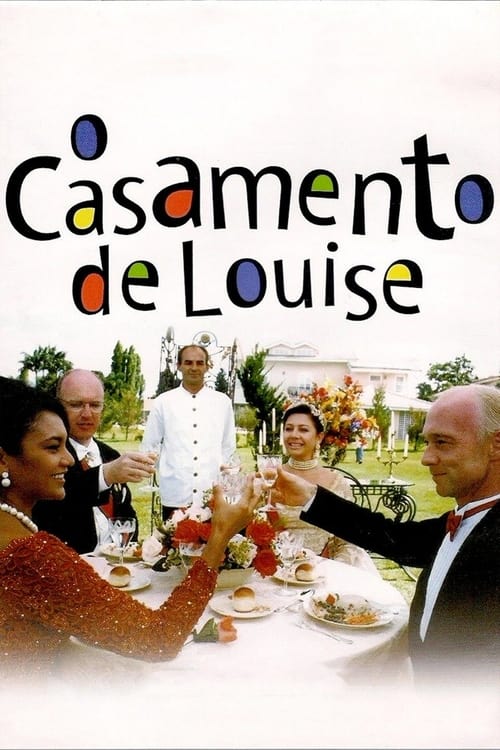
Two women, from opposite worlds, Louise and her maid Luzia, both share a passion for music and finding the perfect man. What can happen during a luncheon where the tastes of both women coincide and clash, while in the presence of two desirable men?
Louise's Wedding
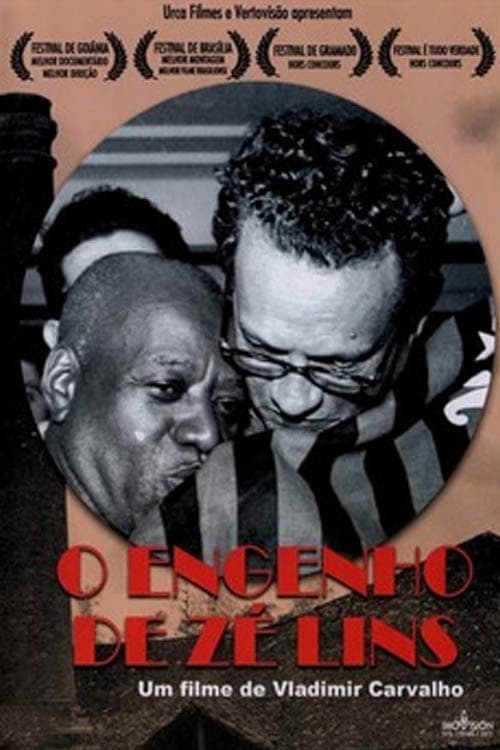
Documentary on the life and work of José Lins do Rego (1901-1957), one of Brazil's greatest 20th century literary authors, writer of celebrated novels "Menino de Engenho", "Fogo Morto", "Moleque Ricardo", "Riacho Doce" and many more.
The Spirit of Zé Lins
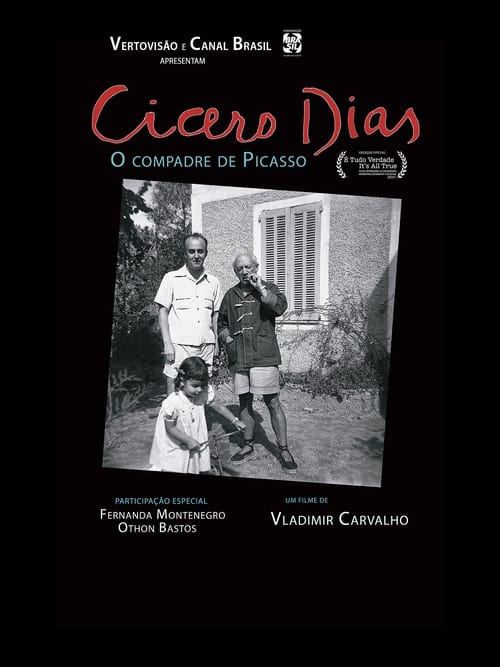
The Pernambuco painter Cicero Dias created an unparalleled art for the world. Close to a modernist and influenced by artists such as Pablo Picasso, Fernand Léger and Joan Miró, he marked the history of Brazilian art.
Cícero Dias, o Compadre de Picasso
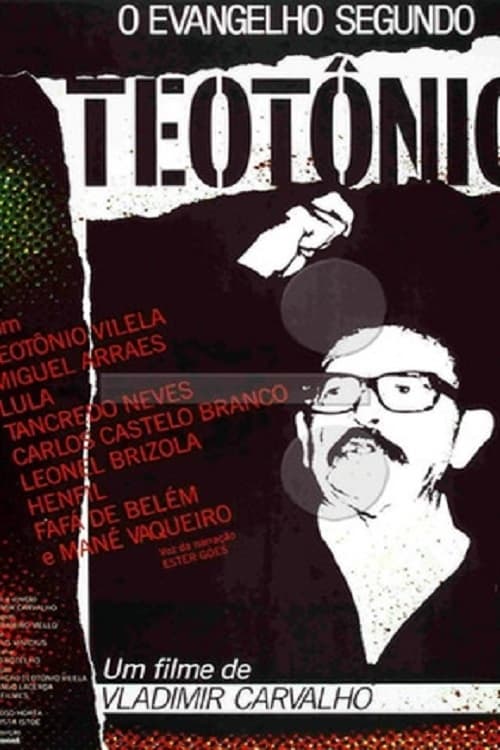
Passages from the life of former Alagoan senator Teotônio Vilela, with emphasis on the process of his formation as a public figure, from his childhood as a mill boy to the final stage, with his famous campaign for the democratic restoration of the country. At this point, he was a man on the brink of death, already victimized by the cancer that would kill him.
O Evangelho Segundo Teotônio
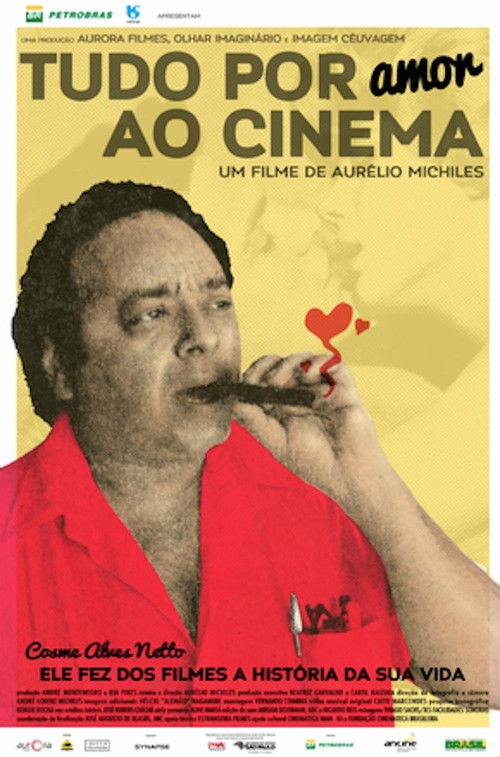
A documentary on Cosme Alves Netto (1937-1996), former head of the Cinematheque of the Museum of Modern Arts at Rio de Janeiro.
Tudo Por Amor ao Cinema
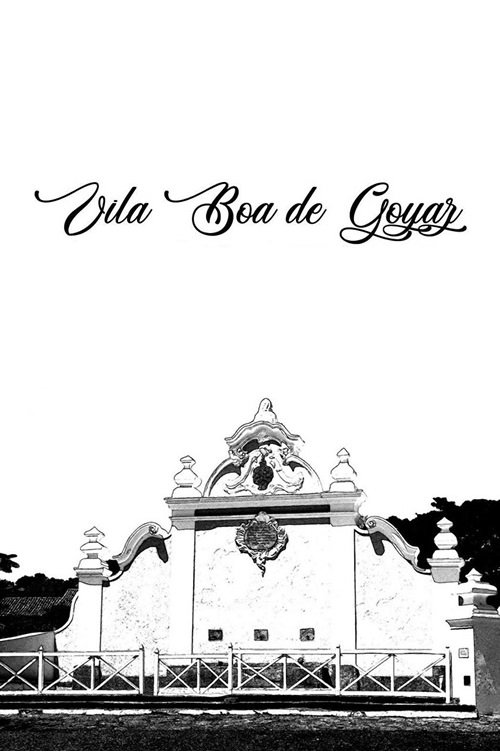
Oral memory, artists from the region and expressions of popular culture tell stories about Vila Boa, in Goiás, and its transformations over time.
Vila Boa de Goyaz
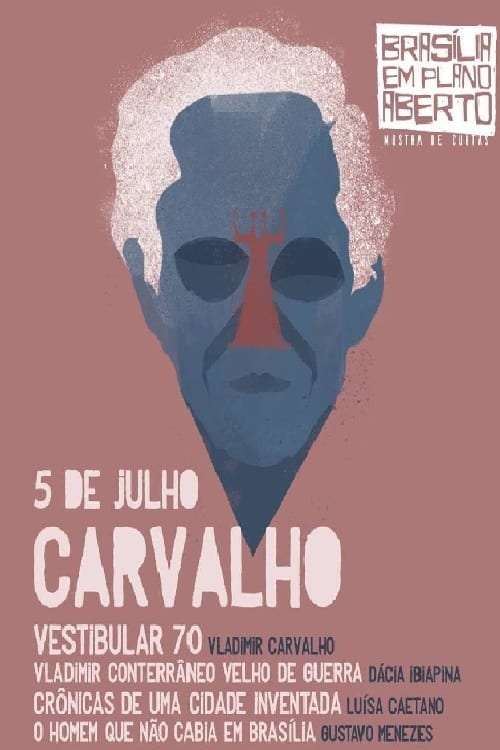
No description available.
Vladimir Carvalho, Conterrâneo Velho de Guerra
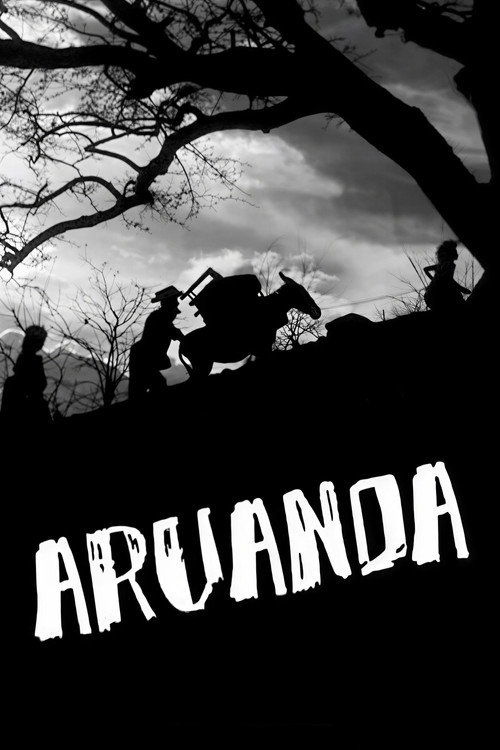
The real story of Quilombo Olho d'Água from Serra do Talhado, in the state of Paraíba, Brazil, which became institutionally isolated from the rest of the country. Quilombos were runaway slave communities in colonial Brazil.
Aruanda
No description available.
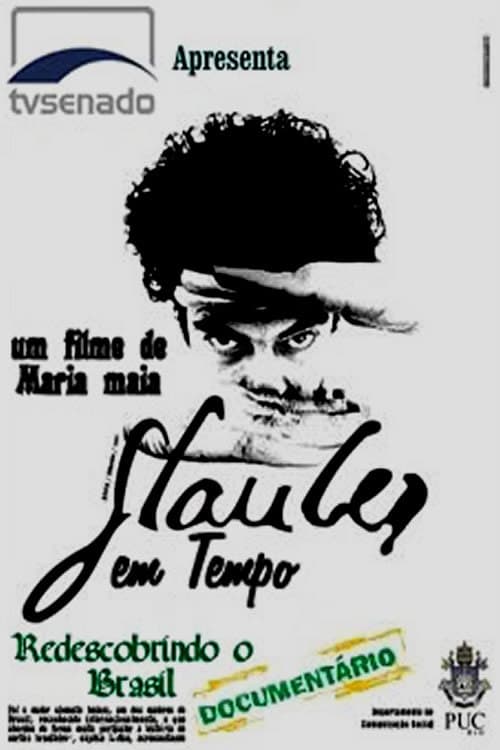
Glauber em Tempo - Redescobrindo o Brasil
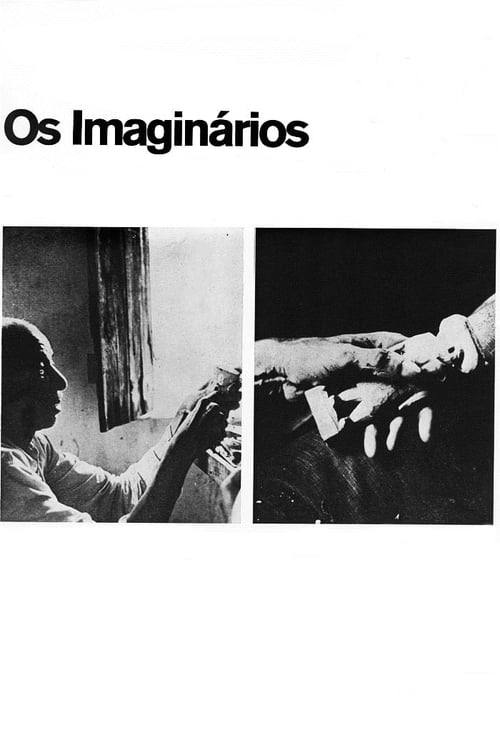
Pilgrims from the Northeast have the habit of buying images of characters in whom they identify exemplary behavior. By carving wood to shape these figures, the imaginary artists, artisans who make images of typical characters from the traditional Northeast, perpetuate a tradition that has changed over time. The ways of the traditional artist adapt to the demands of the tourism market and the dissociation between their conscience and the real meaning of the work to which they dedicate themselves.