FEEL IT.STREAM
Jacques Leduc

Jacques Leduc

Directing

Biography

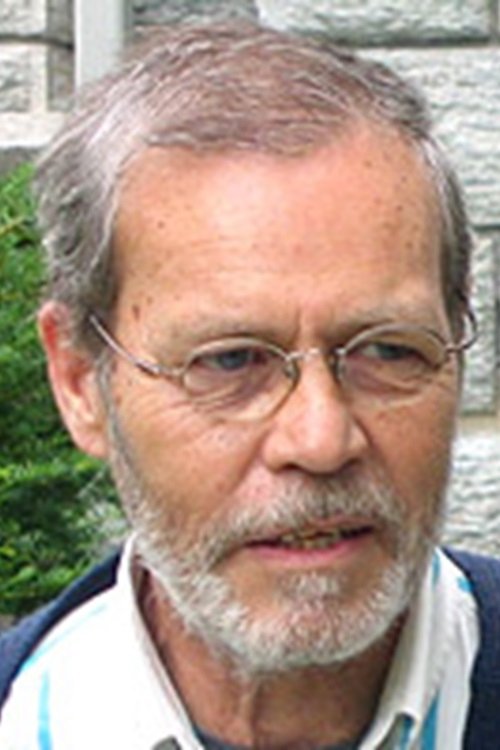
Jacques Leduc (born November 25, 1941) is a Canadian film director and cinematographer. Leduc began his career in 1961 working as a film critic for the magazine Objectif. The following year, at the age of 21, he was hired as a camera assistant by the NFB. Over the course of the next few years he worked under such filmmakers as Denys Arcand, Gilles Carle, and Don Owen. In 1965 he began working as both Director and Cinematographer; his first film as director was a documentary short entitled Chantal en vrac. Leduc continued his work as Director with his first feature film in 1967 entitled Nomininque, depuis qu'il existe and his first feature documentary film in 1969 entitled Cap d'espoir. The documentary film was "about the muted violence that existed [in Quebec] and the monopoly over news held by Power Corp." and became one of the most famous cases of censorship at the NFB when it was banned by NFB commissioner Hugo McPherson. Leduc continued working on critically acclaimed films throughout the 70s and 80s such as On est loin du soleil (1970), Tendresse ordinaire (1973), and Trois pommes à côté du sommeil (1988). In 1990 he left the NFB and became a freelance filmmaker.[3] In 1992 he directed the film La vie fantôme; the film was named Best Canadian Film at the Montreal World Film Festival and earned a Genie Award for Best Screenplay nomination. Since then he has primarily worked with other Directors as their cinematographer and in 2008 was awarded the Prix Albert-Tessier.
Known For

Stardom
5.3

A young girl is plucked from small-town obscurity and thrust into the spotlight of the glamorous world of super-models.

Stardom

2000
La vie fantôme
5.5

Pierre is in love with two women and has a stable relationship with both of them. His wife, all by herself, makes him feel whole. However, he has the identical feeling with his librarian mistress and cannot understand why this arrangement shouldn't be satisfactory for everyone concerned.

La vie fantôme

1992
Montreal Stories
5.0

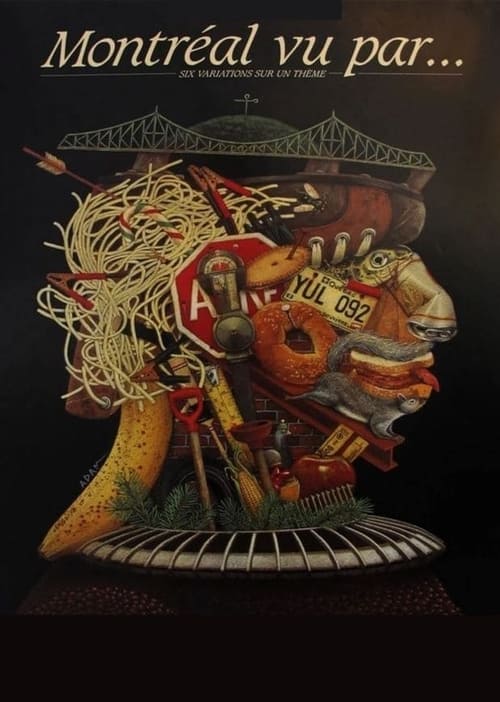
Six stories about Montreal. 1: A young housewife from Toronto samples the nightlife using basic French. 2: The tale of a painting of Montreal's first mayor, Jacques Viger. 3: During a hockey game, Madeleine tries to tell Roger she wants a divorce after forty years of marriage. 4: A visitor to a conference on pictographs arrives at the airport, where the female customs officer steals a momento from each person. 5: As she is being driven to the hospital in an ambulance after an auto accident, Sarah recalls her life. 6: At a diplomatic reception, an older woman reminisces about her grand love in Montreal.

Montreal Stories

1991
My Eye for a Camera
N/A

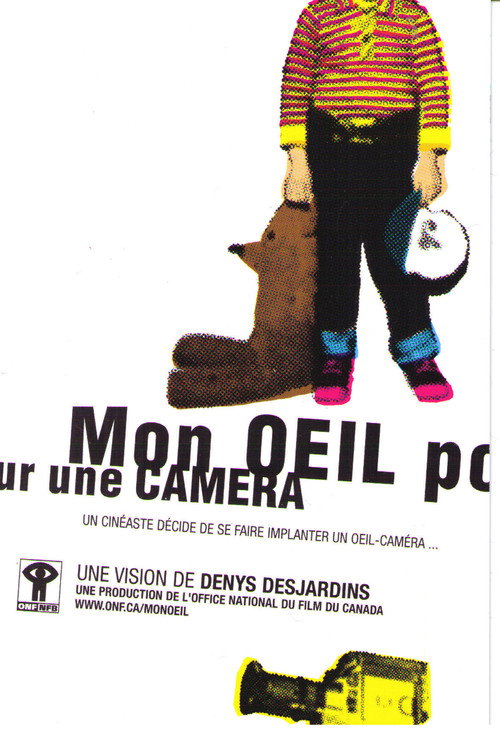
A filmmaker, fascinated by the power of the camera and obsessed with the theories of Russian film pioneer Dziga Vertov, decides to get a camera eye to replace the real eye he lost as a child. The visionary quest begins on the operating table, where a surgeon grafts a prototype ocular implant into his eye socket. Seeking a microscopic camera that could be incorporated into his artificial eye so he could secretly film whatever he sees, the filmmaker explores the futuristic technology that could make this possible, while revisiting chapters of his own past.

My Eye for a Camera

2001
Geneviève
6.7

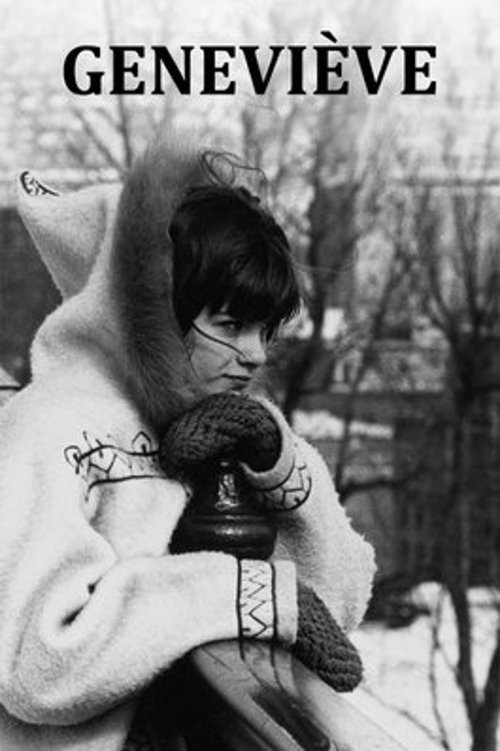
Two teenage girls go to winter carnival in Quebec City for the first time. Their ambiguous, tentative relation with a young boy brings both of them the sweet intensity and disillusionment of first love. One of four film sketches on the problems of adolescents facing the adult world in the 1960s included in the anthology film That Tender Age (La fleur de l'âge, ou Les adolescentes). The three other sketches were directed by Jean Rouch, Hiroshi Teshigahara, and Gian Vittorio Baldi.

Geneviève

1964
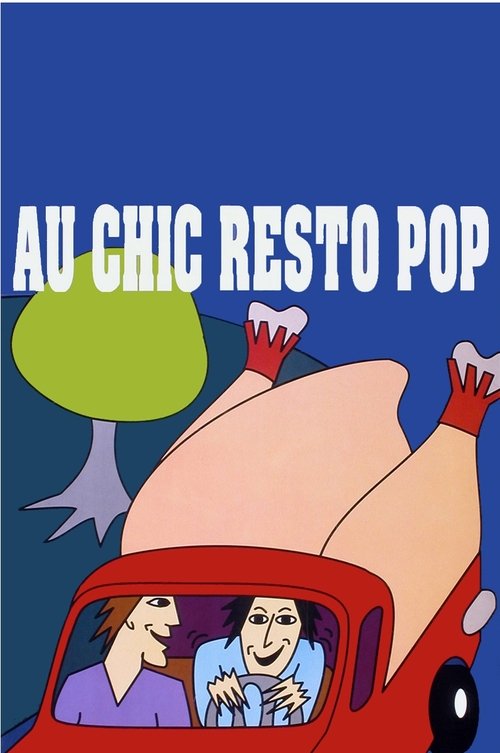
Au chic Resto Pop
8.0

In a poor eastern quarter of Montreal, a restaurant is dedicated for the poors only: le Chic Resto Pop. It used the surplus of some merchants to offer cheap meals. The young people who work there for free get a lot of satisfaction in their work in spite of the difficulties. The movie is build around six songs written by them.

Au chic Resto Pop

1990
The Last Glacier
6.0

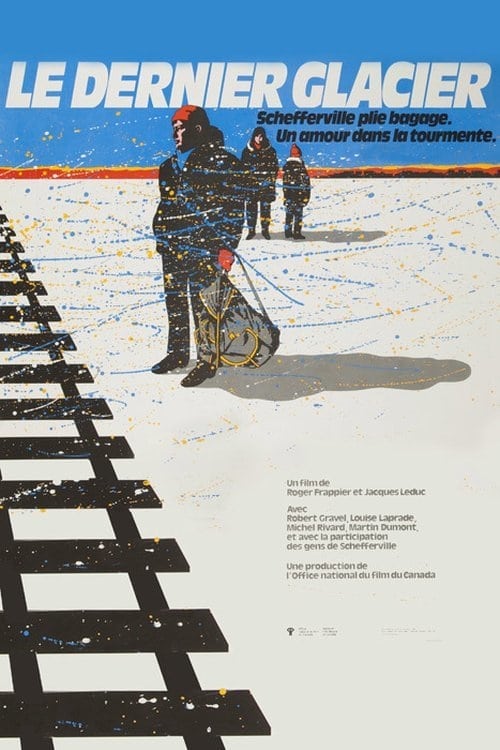
A docudrama on the closing of the town of Schefferville. When Raoul loses his job at the mine because the operations are ending, he's been settled there for ten years with Carmen and their son. They're now forced to leave the town, leaving behind the traces of an ephemeral prosperity.

The Last Glacier

1984
Ville-Marie
8.0

Today it is the city of Montreal, but 3 centuries ago the tiny band of missionary founders called it Ville-Marie, the holy city of Mary. This film goes back to its beginning and those who felt called to plant an oasis of Christianity in the North American wilderness. In an imaginative, at times almost surrealistic, way the film recalls the highborn company from France, and shows what survives of Ville-Marie in the Montreal of today.

Ville-Marie

1965
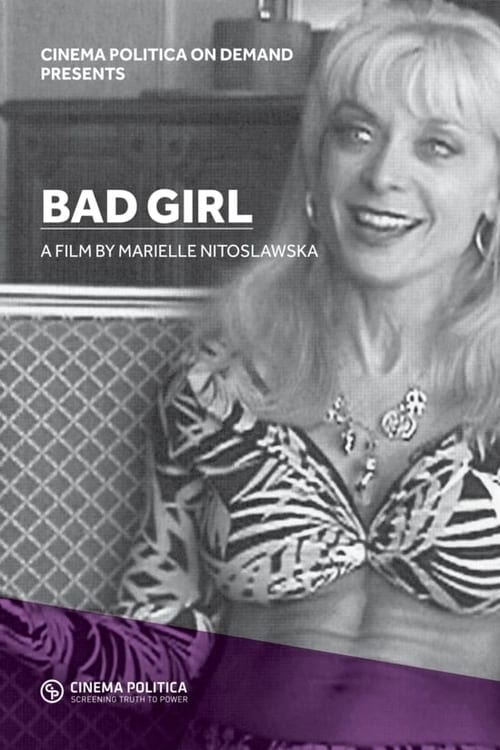
Bad Girl
5.5

The film investigates explicit representations of female sexuality by women, exploring the pragmatic and philosophical questions they pose, with emphasis on the ways in which the creation of women-friendly pornography confronts and alters the expectations of male consumers. Ultimately, Nitoslawska is concerned with how we comprehend desire, gender and identity, how we understand and represent its history, and the resulting affect on culture and human relations.

Bad Girl

2001
Réjeanne Padovani
6.7

The unexpected return of his ex-wife and the assembly of a group of protesters both threaten to wreck a corrupt contractor's inauguration party for his new superhighway.

Réjeanne Padovani

1973
St. Lawrence: Stairway to the Sea
10.0

In this spectacular feature-length documentary, oceanographer Jacques Cousteau and an NFB crew sail up the St. Lawrence River to the Great Lakes on board the specially equipped vessel, the Calypso. They explore the countryside from their helicopter and plumb the depths of the waters in their diving saucer. They encounter shipwrecks, the Manicouagan power dam, Niagara Falls, the locks of the St. Lawrence Seaway and an underwater chase with caribou.

St. Lawrence: Stairway to the Sea

1982
No image
6.7

Norman McLaren was a cinematic genius who made films without cameras, and music without instruments. He produced sixty films in a stunning range of styles and techniques, collecting over 200 international awards, and world recognition. In Creative Process, director Donald McWilliams demystifies the process of artistic creation. Drawing on McLaren's private film vaults, a gold mine of experimental footage and uncompleted films, McWilliams explores McLaren's methods, including his celebrated "pixillation" technique, and his daring forays into animated surrealism.

Creative Process: Norman McLaren

1990
Le temps qu'il fait
N/A

Nestor, Lei, Pierrette, Mohamed, Hafida, Marius, Marc, Galina, Genady, Mike and Lala: through their presence, Le temps qu’il fait weaves a mosaic of stories in which dreams and disappointments, hopes and worries intertwine with the life that is before them. In counterpoint, there are these new landscapes of financial centers, abandoned industrial spaces and wasteland from which we hear the echo of speeches that call to take the train of the new economy. By their simple attachment to a profession which gives them a living, the men and women of the film put up resistance to these slogans. Little by little, a radical rupture is emerging between economic thought and the movement of life. A break that shapes the present time.

Le temps qu'il fait

1997
Plenty of Nothing
8.0

Half a million wives work with their husbands in family-run businesses, but most have no legal title to any part of the operation. This documentary focuses on several farm wives who are seeking their fair share of the family farm. In frank and friendly discussions with their husbands and with financial advisers, the women learn about co-ownership. The importance of having a legal arrangement becomes clear when a former farm wife tells how she lost everything she thought she owned when she and her husband divorced. The film encourages women to recognize the economic value of their work and to seek the legal recognition of their status and of their right to an equitable financial share.

Plenty of Nothing

1982
Cinéma, cinéma
7.0

An anthology of sequences from the best films that the National Film Board of Canada produced since its beginnings. Divided by themes and presented by a trio of actors-signers (including Carle's wife Chloé Sainte-Marie) who sings the same song in between the movie excerpts. This movie celebrated the anniversary of the National Film Board in 1985.

Cinéma, cinéma

1985
Lundi - Une chaumière, un coeur
10.0

No description available.

Lundi - Une chaumière, un coeur

1978
Lessons on Life
8.0

A day in the life of a Quebec magazine writer - his fortieth birthday - from his dream before waking to his last act before sleeping. He looks back over his life, his thoughts, and his loves.

Lessons on Life

1989
No image
6.2

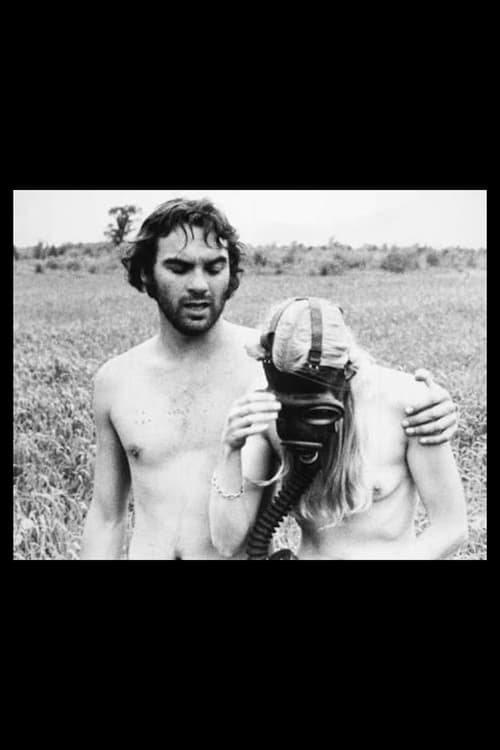
A young man and his girlfriend visit his parents at their lake house for the weekend. While there, the couple meets an eccentric artist who comes between them.

My Friend Pierrette

1969
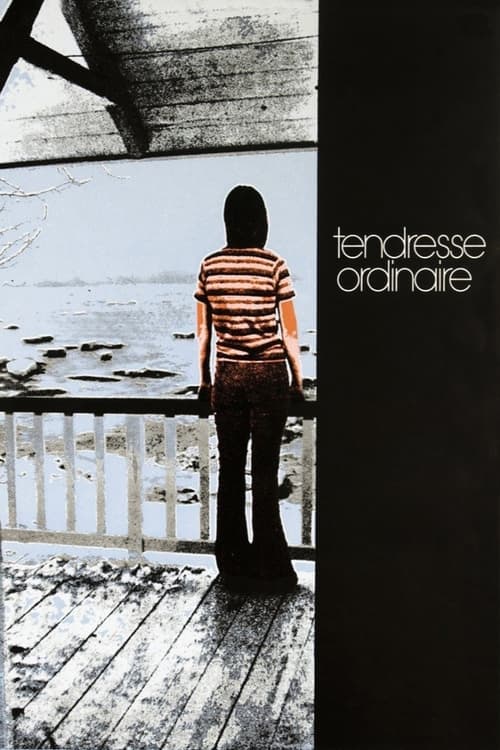
Ordinary Tenderness
9.3

A lonely woman spends the winter isolated and reminiscing about the past as she waits for her husband to return from a prolonged absence.

Ordinary Tenderness

1973
The Private Life of Cinema
N/A

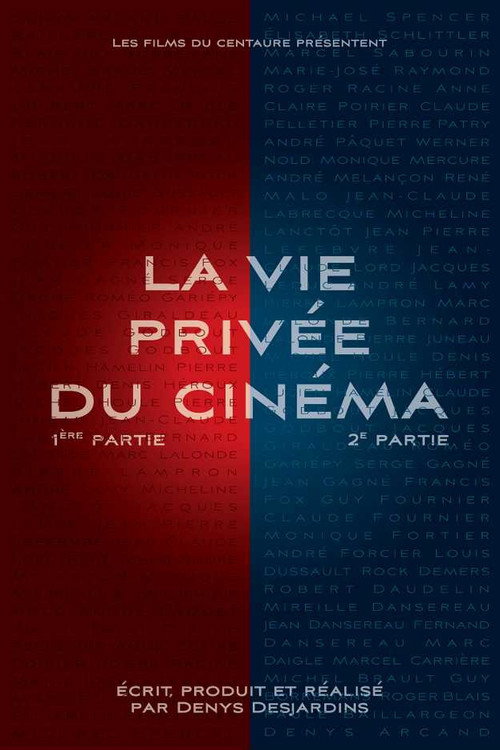
A two-part in-depth exploration of the evolution of the private film industry, seen through the eyes of more than 50 industry professionals. Part One (1939-1979) : Artists and professionals from the social and commercial film sectors recount the struggle to build a film industry that is privately operated yet publicly funded. Part Two (1980-2010) : Executives, policymakers, and industry professionals trace the origins of the major funding institutions and discuss the unintended consequences of building a cultural industry around performance metrics, revenue generation, and private profit.

The Private Life of Cinema

2011