Pat Jackson
Directing
Biography
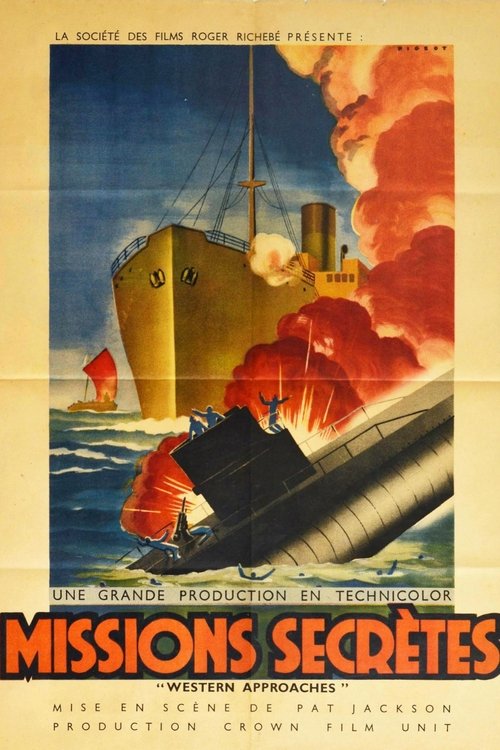
Patrick Douglas Selmes Jackson (26 March 1916 – 3 June 2011) was an English film and television director. Born in Eltham, to a formerly affluent family which was severely affected by the Wall Street Crash in 1929, and his father's long-term illness and early death ending Jackson's formal education. He joined the GPO Film Unit on his 17th birthday as a messenger boy after his mother persuaded her MP, Sir Kingsley Wood, then also postmaster general, to find work for her son. Rising to production assistant, he was part of the crew for the short film Night Mail (1936). The voice narrating the poem by W.H. Auden ("This is the Night Mail crossing the border, bringing the cheque and the postal order.") was Jackson himself. He directed a number of documentaries, the first being The Horsey Mail (1938) about the rural postal service in Suffolk. The First Days (1939), co-directed by Harry Watt and Humphrey Jennings, was the first of the wartime documentaries, in this instance concerned with the 'Phoney War' period. Jackson's debut feature film was Western Approaches (1944), a semi-documentary war film for what was now the Ministry of Information's Crown Film Unit. For what became a three-year project, Jackson took on the writing, direction, editing and casting (of non-professional actors) a film about merchant seamen. Featuring an extended period on location at sea, the lifeboat sequences alone took six-months to complete. After the war, Jackson spent three years in Hollywood under contract to MGM, although the only film he directed during this period was Shadow on the Wall (1950), based on the novel Death in the Doll's House by Lawrence P. Bachmann and Hannah Leessuch. His film Encore (1951) was in competition at the 1952 Cannes Film Festival . White Corridors (1951), a semi-documentary drama about a hospital in the regions, was critically well received at the time. What a Carve Up! (1961), a film in the old dark house genre, was the most commercially successful of Jackson's later feature films. Jackson worked in television during the 1960s and 1970s. Impressed by the stage work of Patrick McGoohan, he seems to have been involved in casting him for Danger Man (US:Secret Agent), episodes of which he directed. Apart from McGoohan's The Prisoner (1967), he was also involved with episodes of The Saint and The Professionals. Jackson died on 3 June 2011 aged 95.
Known For

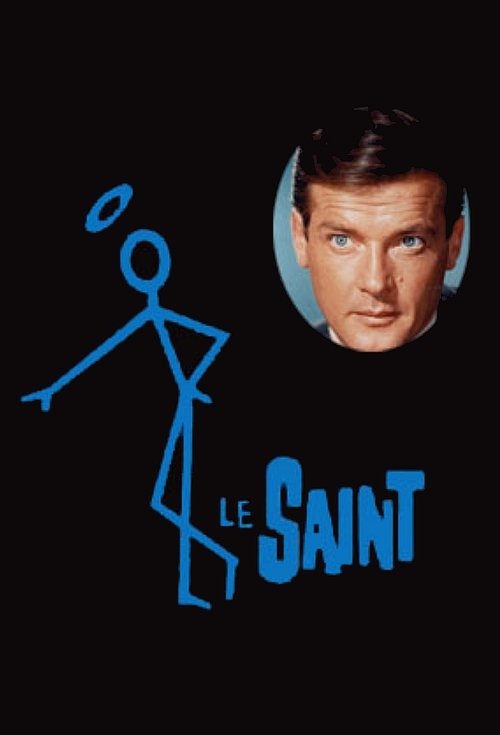
Simon Templar is The Saint, a handsome, sophisticated, debonair, modern-day Robin Hood who recovers ill-gotten wealth and redistributes it to those in need.
The Saint

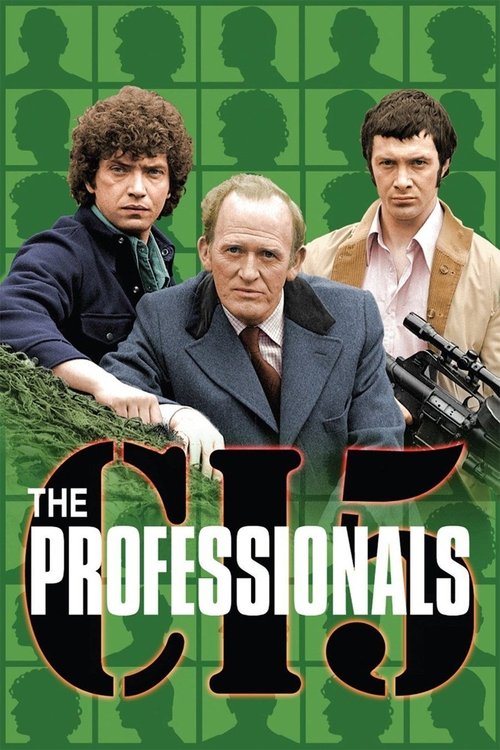
The lives of Bodie and Doyle, top agents for Britain's CI5 (Criminal Intelligence 5), and their controller, George Cowley. The mandate of CI5 was to fight terrorism and similar high-profile crimes. Cowley, a hard ex-MI5 operative, hand-picked each of his men. Bodie is a cynical ex-SAS paratrooper and mercenary whose nature ran to controlled violence, while his partner, Doyle, comes to CI5 from the regular police force, and is more of an open minded liberal. Their relationship is often contentious, but they are the top men in their field, and the ones to whom Cowley always assigned to the toughest cases.
The Professionals

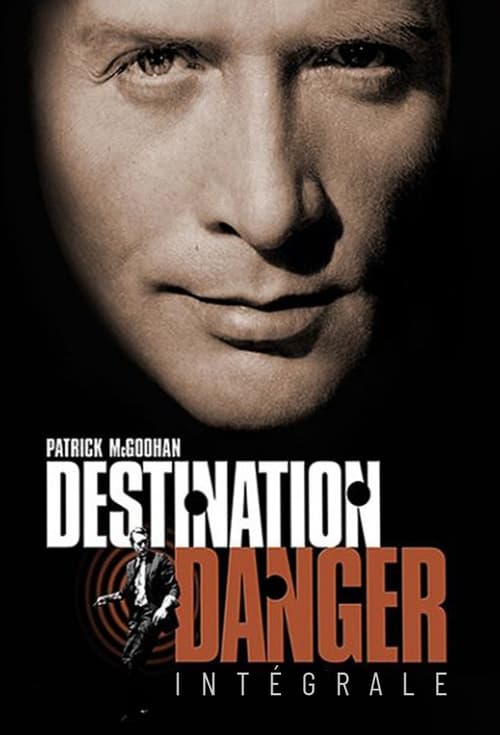
Danger Man is a British television series which was broadcast between 1960 and 1962, and again between 1964 and 1968. The series featured Patrick McGoohan as secret agent John Drake. Ralph Smart created the programme and wrote many of the scripts. Danger Man was financed by Lew Grade's ITC Entertainment.
Danger Man

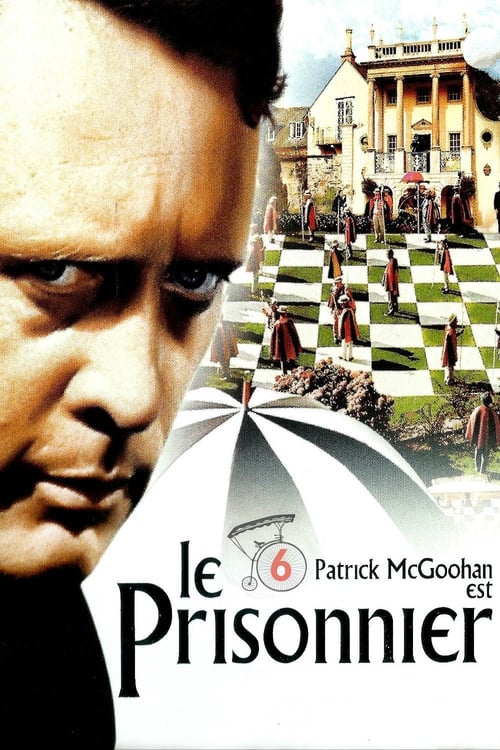
After resigning, a secret agent is abducted and taken to what looks like an idyllic village, but is really a bizarre Kafkaesque prison. His warders demand information. He gives them nothing, but only tries to escape.
The Prisoner

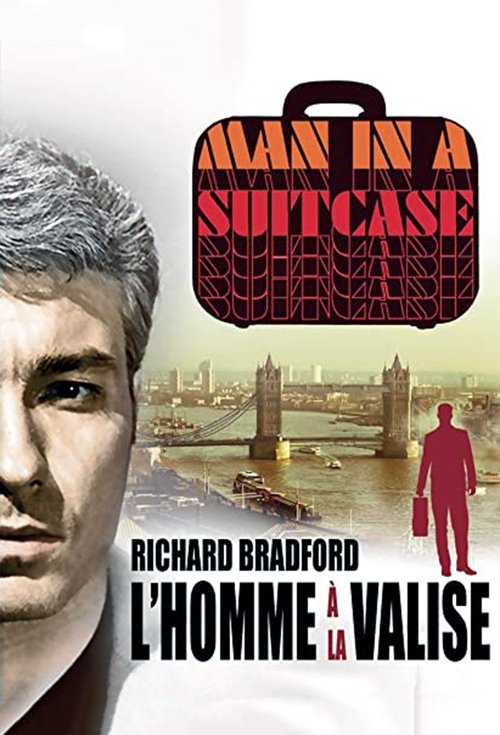
Accused of treason, a former U.S. intelligence officer based in London tries to clear his name, taking on freelance jobs around Europe as he searches for answers.
Man in a Suitcase

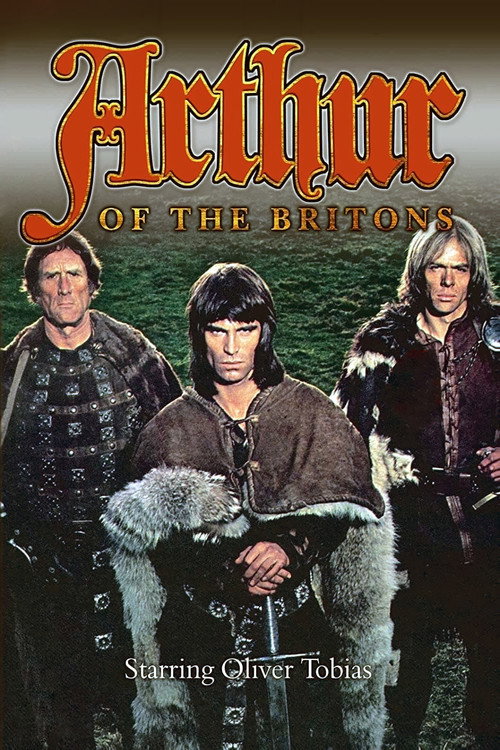
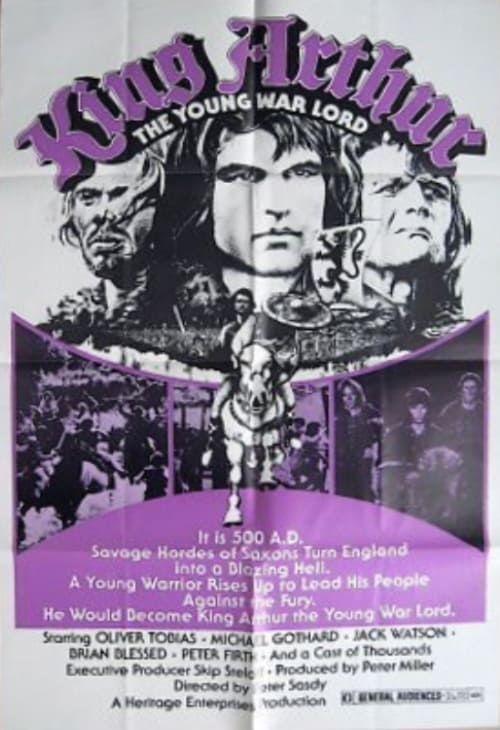
This series strips away the elaborate medieval view of Camelot, and presents Arthur as the chief of a small Celt tribe in Dark-Ages Britain, a century or two after the withdrawal of Rome. Arthur struggles to weave the scattered tribes of Celts, Jutes, etc. into a union that can effectively oppose the Saxon invaders who are arriving in Britain in growing numbers. He is aided by his adoptive father, Llud, and his foster brother, Kai, who is himself a Saxon foundling.
Arthur of the Britons

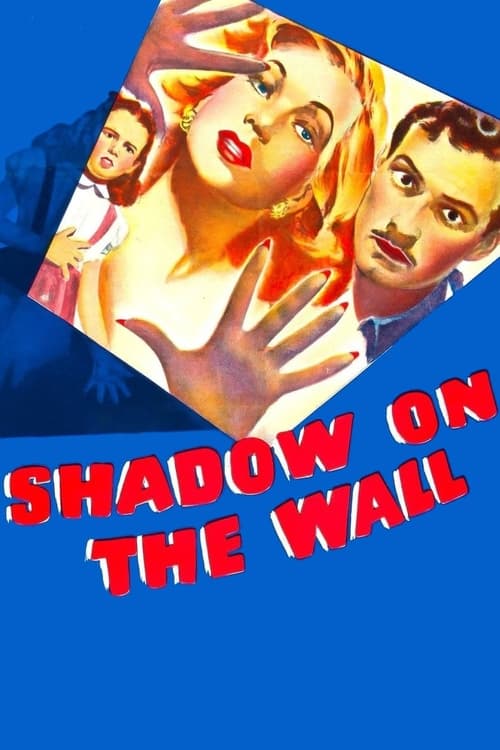
Angered that her sister Celia has stolen her fiance, Dell Faring kills her and allows Celia's husband David, knocked out in an argument with Celia, to take the blame and end up on death row. Later Dell, finding out that David's young daughter Susan was witness to the crime and is undergoing psychiatric treatment, plans to eliminate her before her memory returns.
Shadow on the Wall

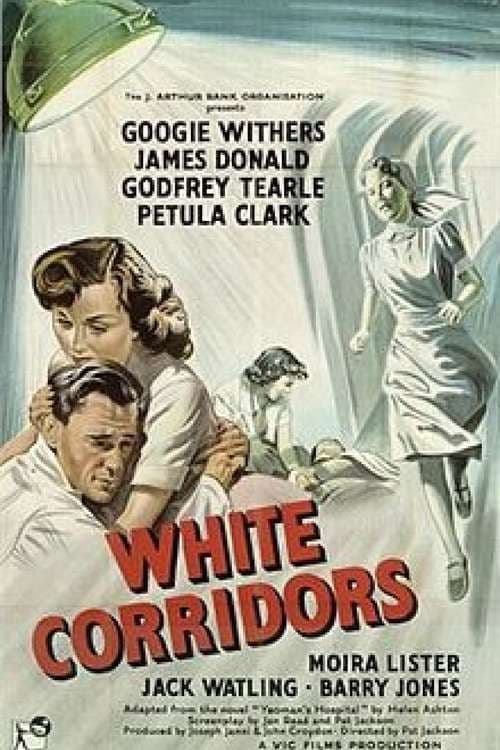
White Corridors was based on Yeoman Hospital, a novel by Helen Ashton. Told episodically, the story concentrates on the day-to-day activities in a busy hospital, where research pathologist Neil Marriner (James Donald) conducts experiments in the hopes of curing diseases impervious to penicillin. Marriner is aided in this endeavor by lady surgeon Dr. Sophie Dean (Googie Withers), who happens to be in love with him. After a tragedy occurs for which Marriner holds himself responsible, the film builds steadily to an exciting climax involving a untested -- and potentially dangerous -- serum. The top-rank British supporting cast includes Barry Jones, Moira Lister, Petula Clark, Basil Radford, Dagmar (later Dana) Wynter, Bernard Lee, and, in a minor role, future "Dr. Who" Patrick Troughton.
White Corridors

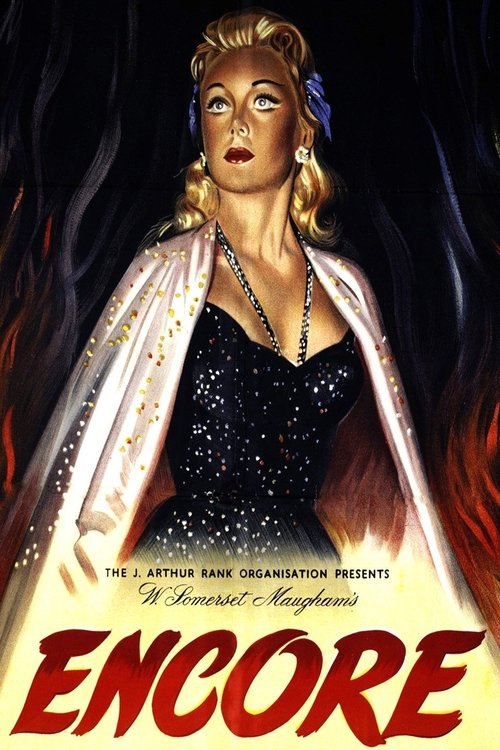
Encore is a 1951 anthology film composed of adaptations of three short stories by W. Somerset Maugham: "The Ant and the Grasshopper", directed by Pat Jackson and adapted by T. E. B. Clarke; "Winter Cruise", helmed by Anthony Pelissier, screenplay by Arthur Macrae; "Gigolo and Gigolette", directed by Harold French, written by Eric Ambler. It is the last film in a Maugham trilogy, preceded by Quartet and Trio.
Encore

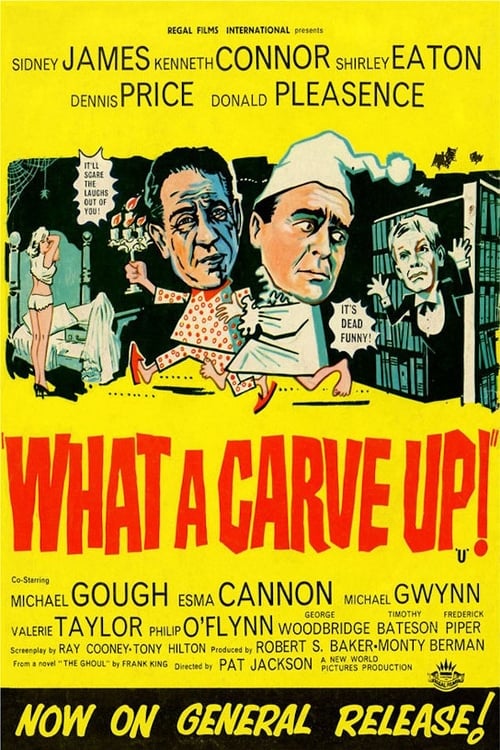
Ernie's Uncle Gabriel has just died but to claim his inheritance he must spend the night in the ancestral family home with the rest of his rather eccentric relatives. Ernie's imagination has been affected by his constant immersion in cheap horror novels, but his wildest fears turn out to be justified when the guests begin to drop dead.
What a Carve Up!

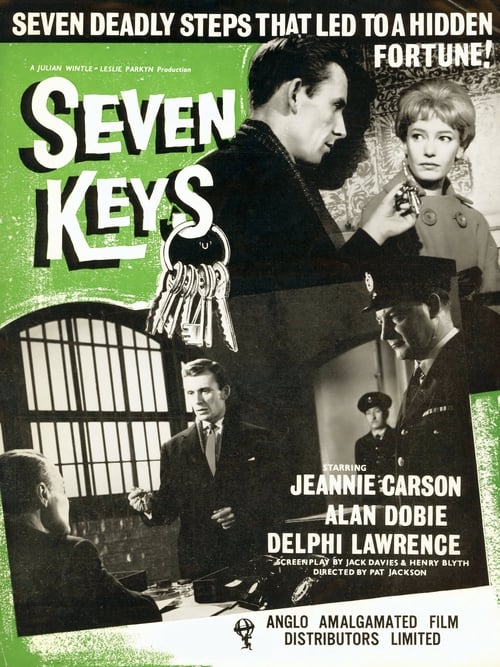
Alan Dobie plays a convict who is bequeathed a set of seven keys by a fellow prisoner. After discovering that the deceased was an embezzler who stole £20,000 that was never recovered; he sets out to find the cash after finishing the last three months of his sentence. However he must first solve the mystery of which locks the keys fit, and run the gauntlet of the police and a number of gangsters who are after him and the money.
Seven Keys

This is a film made as an elaborate advert for the Insurance Industry. A group of criminals conspire to rob a warehouse which has also been spotted as a vulnerable target by an insurance salesman who suggests precautions, including buying insurance. Will the works be done in time and sufficient to stop the robbers?
The Stable Door

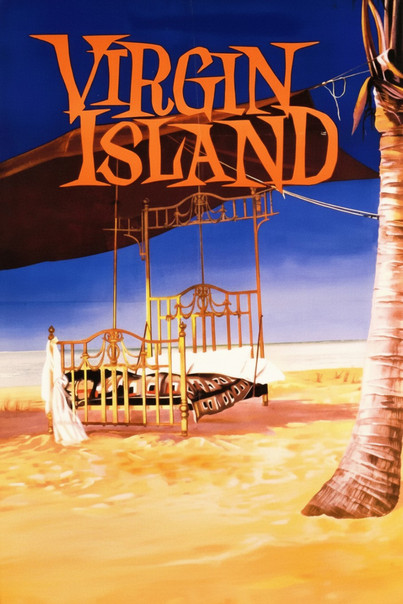
A British woman marries an American writer in spite of her family's disapproval and goes to live with him on a tropical island.
Virgin Island

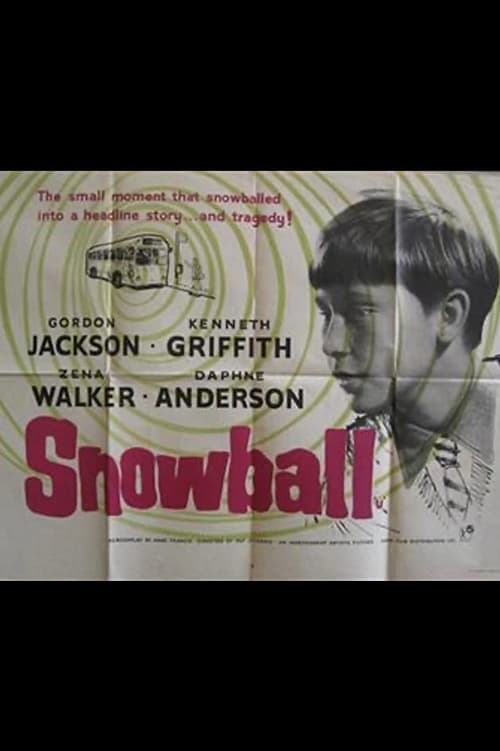
A boy tells his parents that a bus conductor turned him off the bus home for not having a ticket. The story gets out of control and the conductor, a war veteran with memory problems, is harassed until events take a tragic turn.
Snowball

A British Army Officer returning to civilian life after WWII, starts a catering company with some of his ex-army pals.
Something Money Can't Buy

Focuses on the work of the Air Transport Auxiliary or ATA. By 1941, literally hundreds of RAF fighters and bombers needed to be flown each day between aircraft factories, maintenance depots and RAF aerodromes. This vital task was carried out by the men and women of the ATA, a civilian air force operating from their own pools and stations all over Britain. Essentially a dramatised account of typical ATA deliveries, the film features coverage of the ATA's own fleet of Ansons, as well as being notable for some excellent Spitfire film and very rare footage of the Whitley bomber, including take off and in-cockpit sequences.
Ferry Pilot

A tribute to the courage and resiliency of Britons during the darkest days of the London Blitz.
London Can Take It!

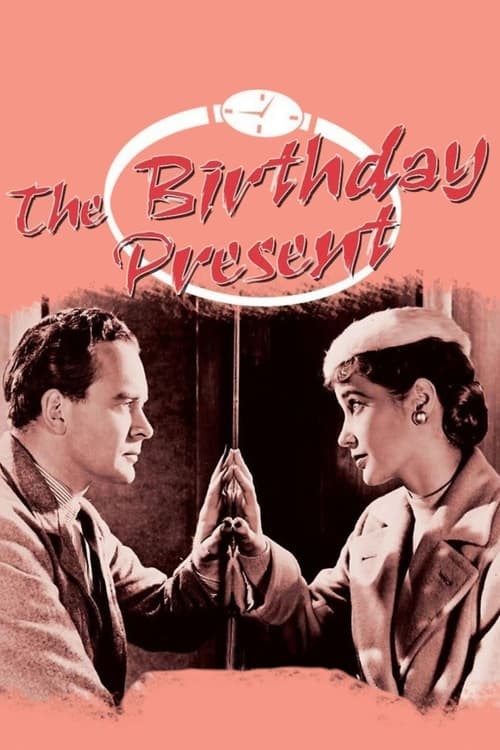
Returning from a business trip, toy salesman Simon Scott is caught attempting to smuggle a wristwatch bought for his wife's birthday through Customs. He is arrested and, due to a bungled defence by his solicitor, obliged to serve a three-month prison sentence. It is only the beginning of his woes; his employer, Colonel Wilson, is understanding, but he is ultimately forced to sack Simon, who discovers that finding another job under such circumstances is extremely difficult. But Colonel Wilson is determined to help his former employee find a solution.
The Birthday Present

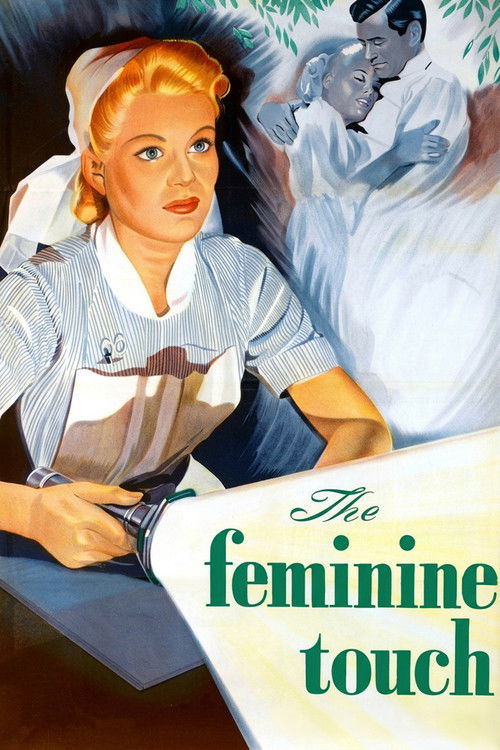
Following a group of five very different student nurses during their first year of training at an NHS hospital in London called St. Augustine’s Hospital (filmed at Guy's Hospital), where they live in a dormitory. Susan (Belinda Lee) is reliable and sensible; Pat (Delphi Lawrence) is flighty and open; Maureen (Adrienne Corri) is Irish and loud; Ann (Henryetta Edwards) is a typical public school girl; and Liz (Barbara Archer) comes from a typical working class background. As they get to know each other, they bond in spite of their differences.
The Feminine Touch

When former Russian spy Max Stein is murdered, private investigator McGill inherits a key to a safe deposit box in a Lisbon bank – a box that contains secret intelligence documents and a cool million dollars! With both the CIA and rogue elements within the Russian intelligence community in hot pursuit, McGill puts his life on the line in a race to the fortune! Featuring a powerful performance from Richard Bradford as McGill, a discredited ex-CIA agent reduced to working as a private investigator, To Chase a Million is the exceptionally rare, feature-length version of the Man in a Suitcase two-parter Variation on a Million Bucks.