
Andrea Elsnerová
Acting
Known For
No description available.
Hraběnky
No description available.
Čechovi
No description available.
Prima sezóna
No description available.
Záhadné případy
No description available.
Rodinné vztahy

No description available.
Hříšní lidé města brněnského
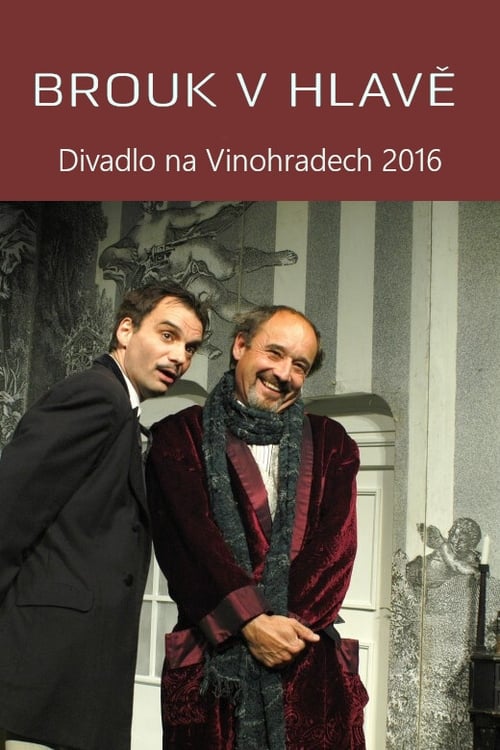
A recording of the final performance of the famous production of G. Feydeau's comedy, directed by Jiří Menzel, which was successfully performed by the Vinohrady Theater for twenty years. The fame of Feydeau's A Flea in Her Ear was established at the Vinohrady Theatre in the 1960s by director Václav Hudeček with his production starring Vlastimil Brodský in the dual lead role. The studio version is now considered a television classic. In the second half of the 1990s, the theater's dramaturgy returned to this comedy bestseller and entrusted the direction to film and theater director Jiří Menzel. Another strong generation of actors was given the opportunity. The successful premiere took place on November 15, 1996, and the production ran for twenty long years. The recording is from April 6, 2016, when the performance was staged for the 363rd and last time. The director and all those who had appeared in the comedy over the long period were in attendance.
Brouk v hlavě
Set in 1776, this historical film by Petr Hvizd concerns an army deserter who takes refuge within the walls of the Convent of St. Claire. The investigation to find him soon becomes a question of morality concerning the value of human life in the context of the diversity and hierarchy of social laws.
Řád
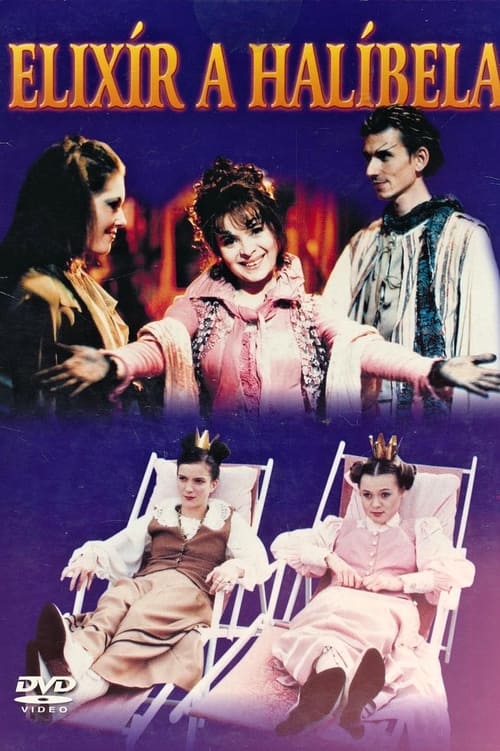
The king raised two unbearable daughters—Princesses Jája and Anýzka. He no longer knows what to do with them. Perhaps the only solution is to send them to the charming witch Halíbela for re-education! She won't coddle them! But her son Elixír claims that almighty love can change them for the better more than witchcraft. And so he ends up making a bet with Halíbela...
Elixír a Halíbela
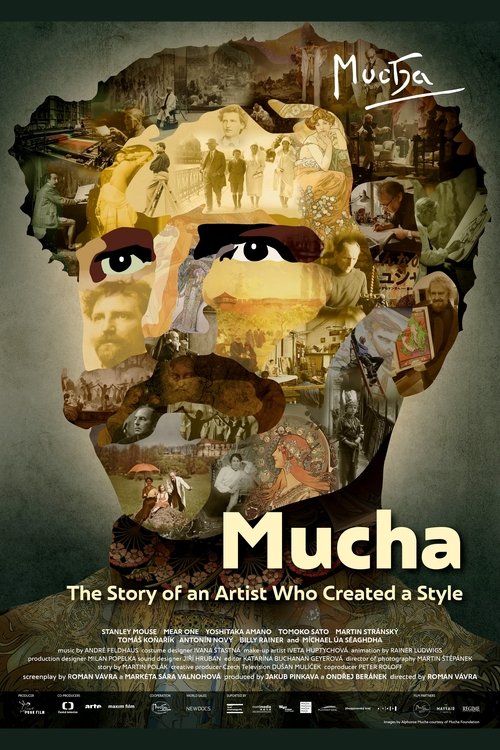
Czech painter and illustrator Alphonse Mucha (1860-1939) ranks among the pioneers of the Art Nouveau movement at the end of the 19th century. Virtually overnight, he becomes famous in Paris thanks to the posters that he designs to announce actress Sarah Bernhardt’s plays. But at the height of his fame, Mucha decides to leave Paris to realize his lifetime project.
Mucha: The Story of an Artist Who Created a Style
Let's venture into the dark forests, where a father and his son Petr are wandering. They are returning from the city, where they earn extra money by playing music. This time, however, they cannot find their way home. Their only salvation is a light that appears in the distance. It leads them to a strange castle that has never stood there before. They have no idea that it is inhabited by a sorcerer who will intervene in Petr's life. In the years to come, Petr will serve the sorcerer, learn the value of friendship, and discover the love of a beautiful princess. However, in order to win her, he must free himself from the sorcerer's power...
Černokněžník
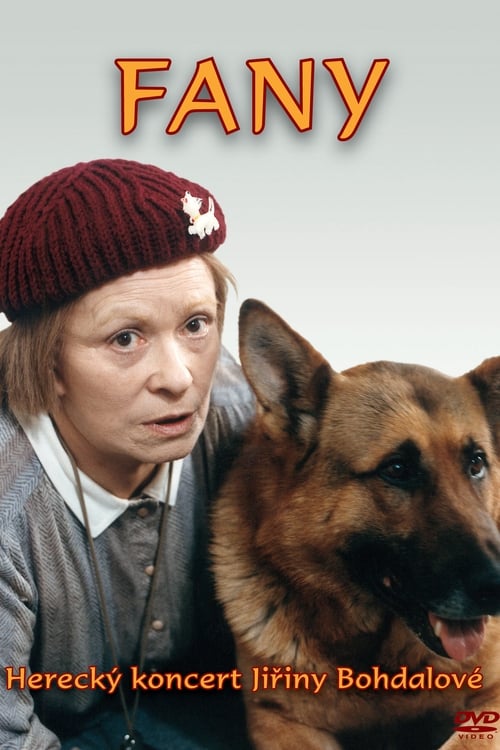
Oligophrenic Fany (Bohdalová) lives with her aunt who suddenly manages to travel abroad. Fany has to move to her sister (Jirásková). Two very different women, one mentally disabled and the second one intelligent doctor has to live together and learn from each other about tolerance, loneliness, life and why call dogs "Mister".
Fany
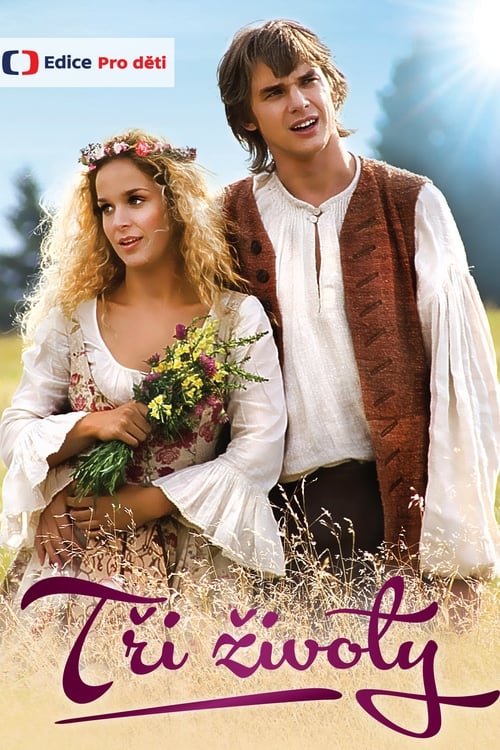
Three soldiers desert and take refuge in an ancient, crumbling castle where three veiled maidens welcome them with a sumptuous feast, on the sole condition that they neither lift a veil nor lay a hand on their hosts during the night. Only one, Jakub, keeps his vow and is rewarded by a freed princess and a magical token that grants him three extra lives.
Tři životy
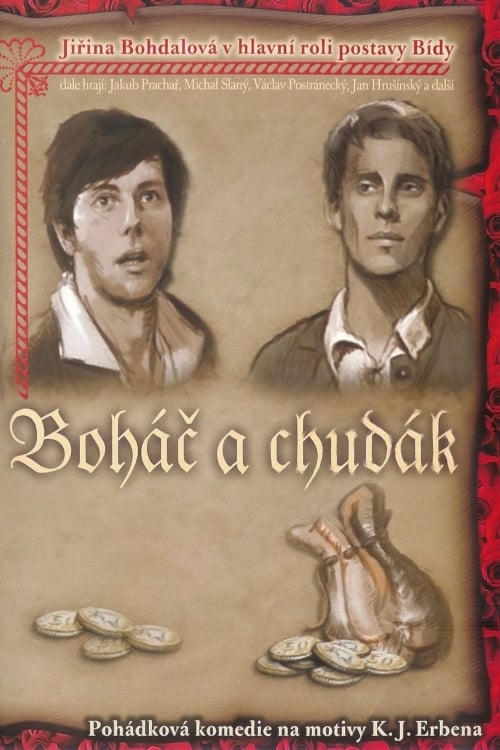
Erben's original text, which did not exceed half a page in length, served Zelenka only as a source of inspiration to write a plot-rich story about two brothers, one of whom lives in luxury because Luck helped him to wealth, and the other lives in absolute poverty because he loves him Poverty, and she, out of love for him, doesn't want to allow him to get rich and let his life be complicated by worrying about possessions. However, not only the struggle with poverty and the arrogance that comes from owning a large property are the main motives of this charming comedy, which is intended for children of all ages. The desire for love and the search for happiness in life plays an important role in this sometimes very exciting story, and an equally important motive here is the motive of forgiveness of guilt in the name of more permanent values, among which in this case the relationship of two brothers can be included.
Boháč a chudák
Czech Television has successfully aired two TV movies detective novels by Emil Vachek: The man and the Shadow and Evil minute. In both stories of the First Republic, acting chief inspector Klubíčko detective Tchaikovsky stamping, bachelor, gourmet, collector of old prints, which played an excellent way Miroslav Donutil.
Devatenáct klavírů
Stationmaster Miloš, a lonely trumpet player nearing fifty, watches life pass him by as he mourns alone at a funeral and pines secretly for Tereza, the charming nurse who boards his afternoon train. Desperate for courage, his bandmates enter him into a televised Christmas talent show, “Vánoční hvězda”, and, in the glow of the stage lights, Miloš finally finds love.
Vánoční hvězda
A cheerful fairy tale about how love can grow all the way to heaven... An enchanted princess and the brave young man who rescues her, cowardly princes and a confused king, scary robbers and an ugly sorcerer who has his eye on half the kingdom, and above all on the princess's hand.
Kulihrášek a zakletá princezna
This bittersweet film was Roman Vávra's feature debut. The film consists of three independent stories, all connected through the motif of a field of grain. In 'Awn' a young couple takes a summer stroll in the country, in 'The Haystack' a gang of boys have an adventure with an older girl, and 'The Journey' recounts the tragicomic homecoming of a pair of aging newlyweds. For only the second time in the nineties Czech star Iva Janzurová appeared on the silver screen.
Co chytneš v žitě
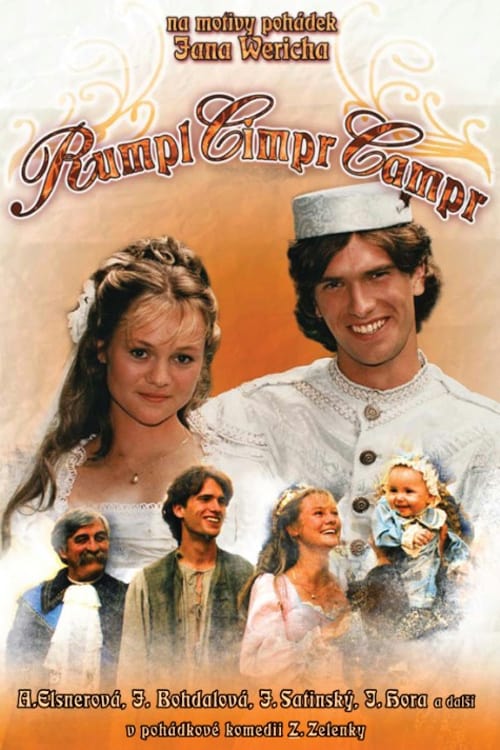
Somewhere in a fairy-tale land lies a small, not very wealthy, but charming little kingdom. It is also the Czech kingdom - Velký Titěrákov, as it is called there. This little country is ruled by King Valentine and his wise wife. Or is it the other way around? Either way, they would both like to see their only son and heir to the throne, Prince Hubert, finally marry and take over the reign. But Hubert just can't seem to choose a wealthy princess, as his father would like. So, it seems to the royal parents that the future young queen is nowhere in sight. Neither of them suspects that Hubert has long since found his queen, the queen of his heart—the beautiful but poor Božidara from the farm. However, the two lovers keep their love a secret. They know that the king would never bless the marriage of a prince to a goat herder. Unless a miracle happened...
RumplCimprCampr
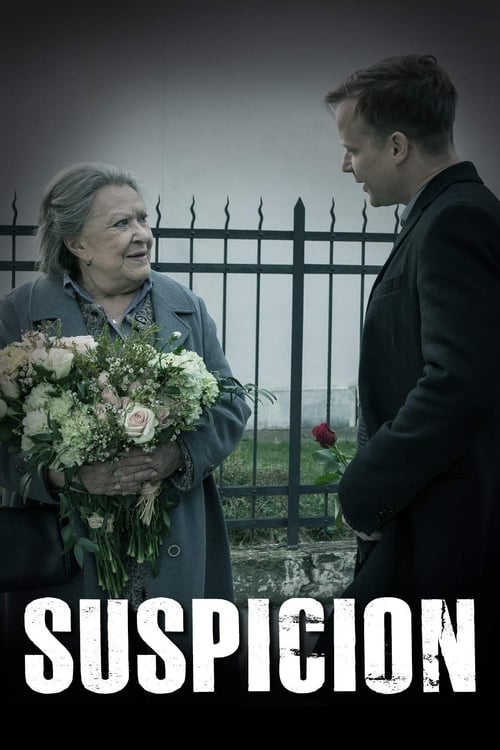
She was once the wife of an important man, lived in a beautiful house in Hradčany, and was friends with the famous race car driver Eliška Junková. Today, however, she lives somewhere on the outskirts of Prague in a ground-floor apartment overlooking the courtyard and the street, alone and abandoned by practically everyone. Her husband died a long time ago, and her life now consists only of regular meetings with the postwoman, who brings her pension and her favorite motoring magazines, and regular help at the rectory and the local church. She occasionally cooks and bakes for Father Jan, and with her characteristic willingness, she also does his laundry and ironing. However, one of the last certainties in her life collapses unexpectedly quickly—Father Jan is transferred somewhere to Hradec Králové and is replaced by a young priest who is used to doing everything himself. At that moment, a smiling young man with dark glasses and a flower in his hand enters Květa Galová's life.