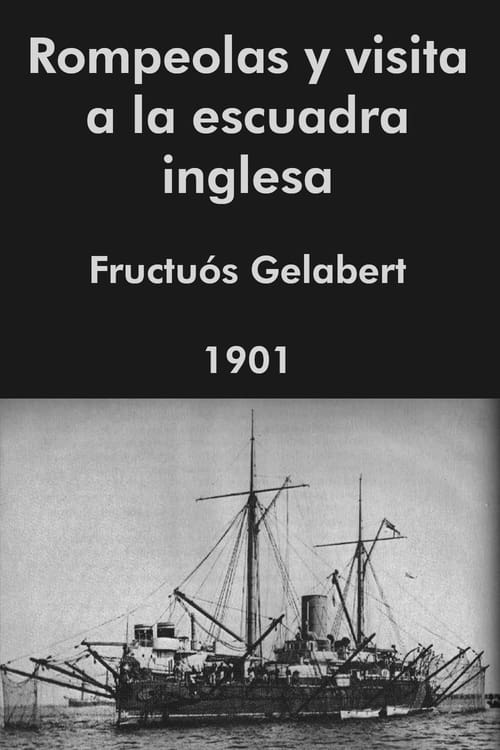
Fructuós Gelabert
Directing
Biography
Fructuós Gelabert was one of the pioneers of Spanish cinema. He is best known for directing the first Spanish argumentative film: Cafe Brawl (1897).
Known For

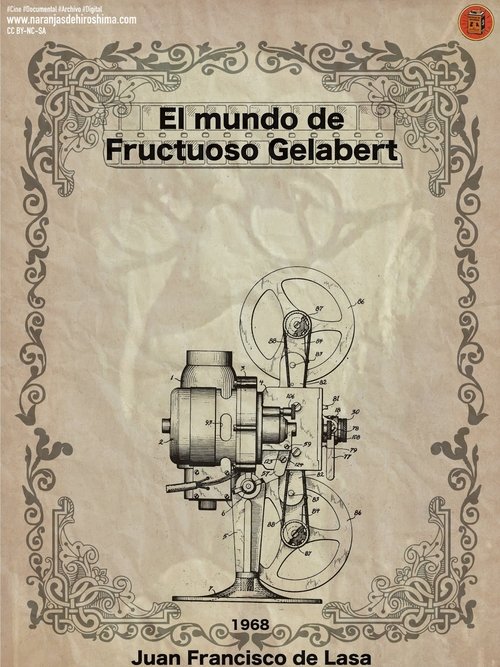
Documentary by Juan Francisco de Lasa about a pioneer of Spanish cinema. Gelabert attended one of the first sessions of the Lumière's cinématographe in Barcelona. Briefly after, he built a contraption based on this invention. He produced his first picture, "Dorotea", in 1897. His film "Riña en un café" is considered the first Spanish film to feature a plot.
El mundo de Fructuoso Gelabert

Paco, a jealous and bitter man who is in love with Rosario, conspires in the shadows to bring about the downfall of Manuel, her husband.
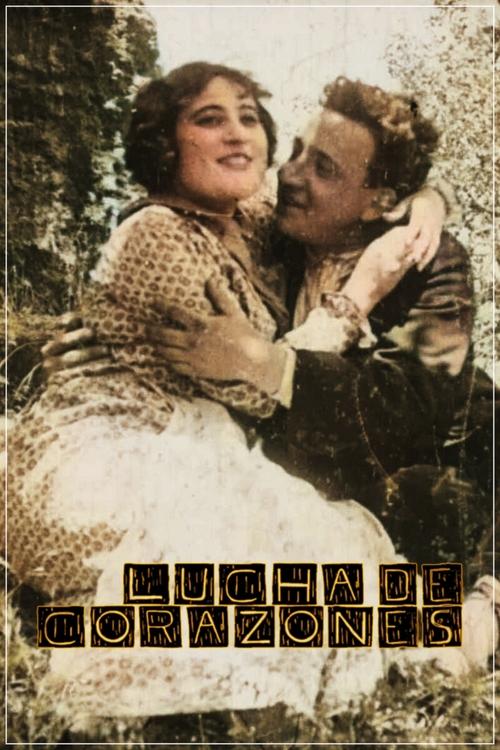
Lucha de corazones

A small village in Aragón, Spain, at the end of the 19th century. After being caught by her father fooling around with Melchor, an unscrupulous womanizer, being disgraced and losing everything, young Dolores is forced to take to the roads in search of work.
La Dolores
In this simple melodrama, a boy loses his beloved girl, hence dying of a broken heart. The film presents advanced techniques in several fields.
Love that Kills
No description available.
El beso de la muerte

No description available.
Railway from Olot to Gerona
No description available.
Lucha por la herencia
This Spanish short film tells the story of Guzmán el Bueno, a hero of the Reconquista.
Guzmán the Good

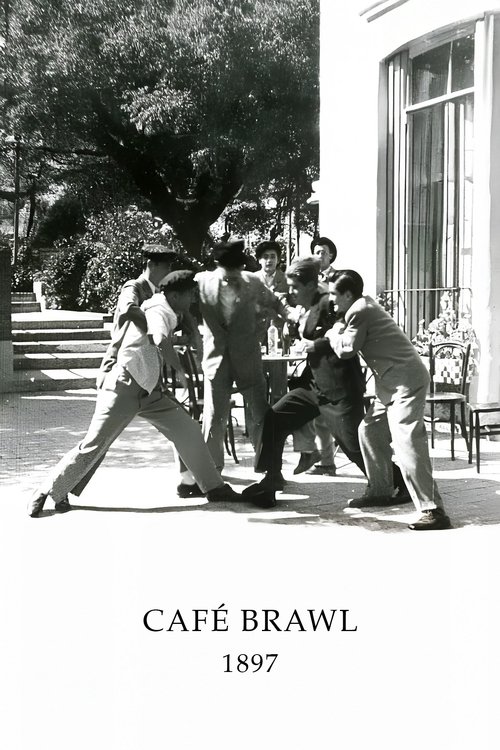
Lost 1897 film in which two men argue over the affection of a woman in a café, with their discussion escalating into a fistfight. Widely regarded as the first fiction film made in Spain, the original is now lost. Director Fructuós Gelabert recreated the film in 1952, a version often mistakenly assumed to be the original.
Café Brawl

No description available.
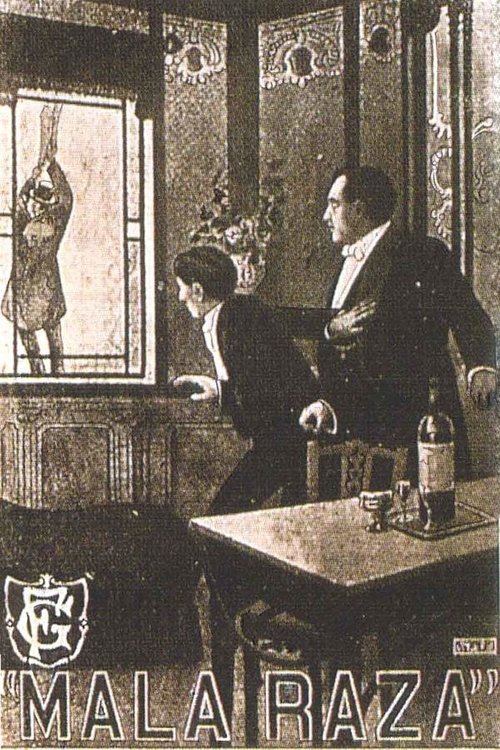
Bad Breed

1952 reconstruction of Gelabert’s Café Brawl (1897). This remake is the only surviving version, recreating the original lost film’s café fight scene.
Café Brawl (Remake)

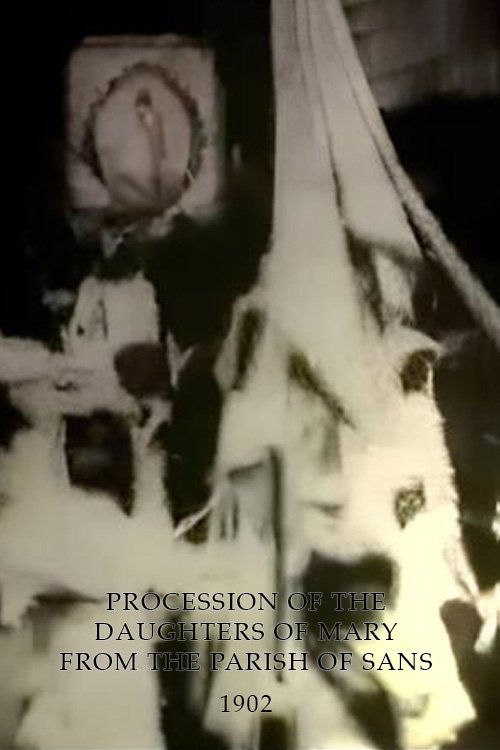
Short documentary by Fructuós Gelabert capturing a religious procession in Barcelona’s Sants neighborhood. Young girls dressed in white march alongside bands, soldiers, and adults carrying religious standards, offering a glimpse into early 20th-century Catalan cultural and religious life. This film is considered one of the earliest surviving examples of Spanish cinema.
Procession of the Daughters of Mary from the Parish of Sans
No description available.
Llegada de un tren a la estación de ferrocarril del Norte de Barcelona
No description available.
Salida del público de la iglesia parroquial de Santa María de Sans
The film recreates the adventures of the mysterious Ana Kadova in an imaginary kingdom called Balkania, where nobles, villains and spies mingle. Count Cadova is dispossessed of his power and condemned to death. Thereafter his daughter Anna vows to avenge his death. Throughout the film she is pursued by spies and falls in love with a doctor.
Ana Kadova
Arguably the first animation film in Spain, where two ships collide.
Clash of Two Transatlantic Ships
A millionaire girl publishes a personal ad wishing to marry a young, gallant man, using the Park's Swiss Cowshop as the meeting point.
The Gallants of the Park's Cowshop

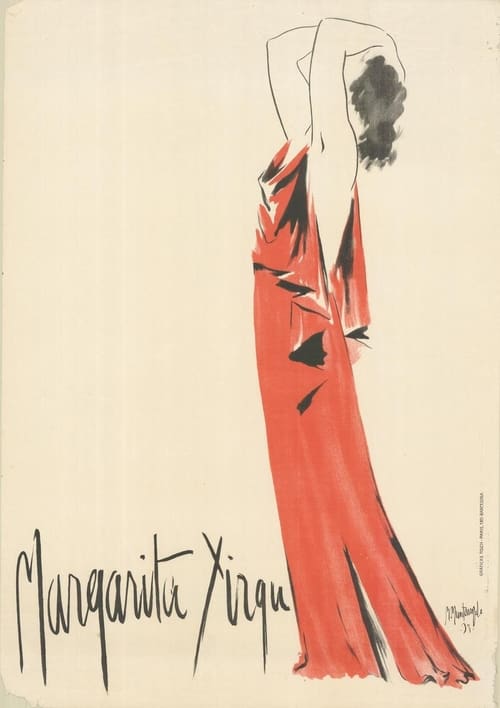
Emilia and Villalba (Margarita Xirgu and Ricardo Puga) have had a happy marriage until the murder of the prostitute Lilí casted a shadow over it. Her brother, Augusto, is accused of the crime and sentenced to prison. Emilia receives the terrible news by letter through Doctor Morales, who has received a mail from Augusto in which he pleads not guilty and implores help. Request that faces Villalba’s firm opposition to get involved with a matter related to a courtier.
Tortured Soul
No description available.
Salida de los trabajadores de la fábrica España Industrial
Directed by pioneering Catalan filmmaker Fructuós Gelabert, this short documentary captures the royal visit of Queen Regent María Cristina and her 11-year-old son, King Alfonso XIII, to Barcelona in February 1898. The film showcases the enthusiastic reception by the public, featuring crowds gathered along the streets to witness the royal procession.