Directing
British naturalist, photographer, and filmmaker.
The birdlife of Northumberland's Farne Islands comes under the spotlight.
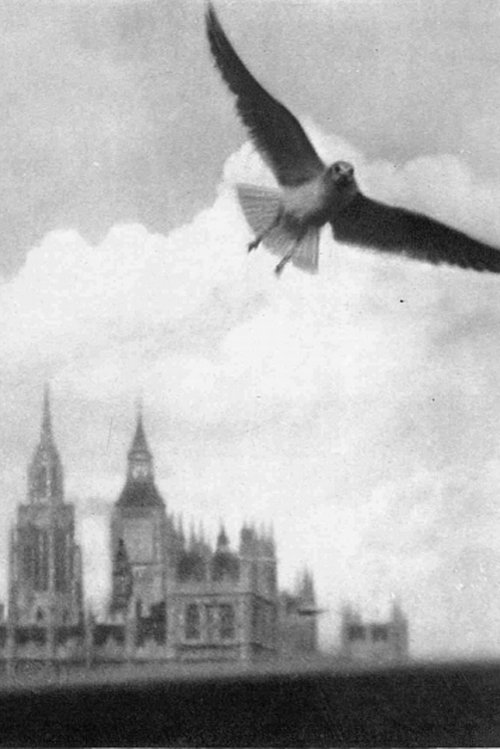
The film takes us to the North of England to follow the migration of the black-headed gull down to London. There, the narrator asks viewers to "listen to their gossip", before demonstrating the bird’s flight in slow motion. We see a polecat feasting on gull eggs, and then a man collecting the eggs for human consumption, with the film telling us that they are considered a “delicacy” in London. Indeed, according to the British Trust for Ornithology, around 300,000 gull’s eggs were sold every year in Leadenhall Market in London during the 1930s, when London Visitors was made.
"Shows how the hedgerows are used by many animals and birds to conceal their homes."
A Secrets of Life short about the swan.
Birds of the Farne Islands.
The nightingale and its song, its habitat, nest eggs and young.
The perky Cockneys are London sparrows, who star in this natural history film.
A Secrets of Life short of which the BFI described "a delightful study of a single family which leaves one with a feeling of satisfaction and a determination to watch at least one garden nest consistently when spring returns. The views from inside the nesting box are particularly interesting and one is left wondering how the lighting was managed so well. Young children would be relieved to hear that the parents continued to feed all their young ones and not only the few which kept their balance on the branch. Useful in nature study, biology and gardening classes"
Native British birds, from common gulls and cuckoos to the rare Richardson's Skua, are filmed in their natural habitat.
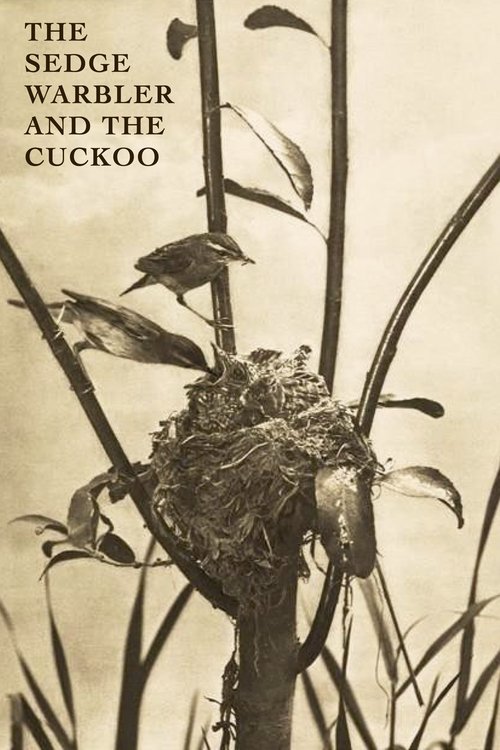
This short ends with a warning that the birds helped "to preserve the leafy loveliness of our English countryside. We should therefore protect the warblers."
Captures the lives, habits and habitats of London’s pigeon population.
A Secrets of Life short about badgers.
A Secrets of Life short
A Secrets of Nature short film about a the cuckoo.
A wildlife film with a difference: it has A Message for any humans in the house. "The squirrel in the tree, the fox below, the birds, insects, all know that a time of plenty will not last forever". Austerity-stricken wartime viewers can learn from their economical feeding habits. An entertaining hybrid of public information and natural history from the makers of wildlife series Secrets of Life. Released in the BFI boxset Ration Books and Rabbit Pies: Films from the Home Front.
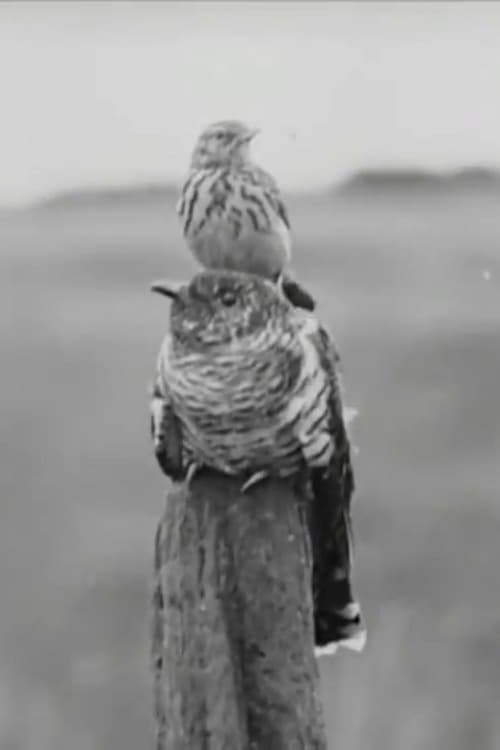
The peculiar trait of the cuckoo, which tricks another bird into hatching her egg for her, is shown in color photography.
The film shows a cuckoo caught in the act of laying an egg in the nest of two titlarks. The egg is hatched by the foster-mother, and she and her mate feed and tend the young cuckoo, even to the detriment of their own chicks.
History - and natural history - filmed on location in Selborne, East Hampshire. This unusual edition of the long-running series Secrets of Life tells the story of the village's famous son, Rev Gilbert White, whose 1789 book The Natural History and Antiquities of Selborne is a classic of natural history. The film follows in his footsteps, with camera rather than quill in hand, focusing on nature but also taking in views of the village and its human inhabitants. The ingenious close coverage of bird, reptile and other wildlife was the stock-in-trade of the filmmakers at Gaumont-British Instructional, producers of the series. Under the direction of the redoubtable Mary Field, the behind-screen talent here includes legendary 'cine-biologists' Percy Smith and Oliver Pike. A tribute by one generation of pioneering naturalists to another, it's a quietly moving film in spite of its clipped English reserve - or perhaps partly because of it.
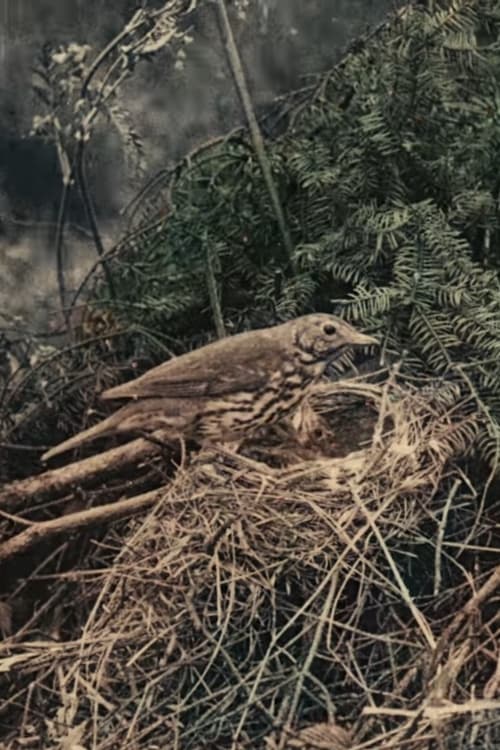
The picture shows various kinds of birds in their natural environments, and in their natural colors, and at such close range that the very eyes of the little fledglings in the nest are easily discerned. Every feather seems distinct and the birds seem to be in such relief that it appears as though one could almost reach out and catch them.
A Secrets of Life short about the tawny owl.