
Mikhail Lipskerov
Writing
Known For
Fitil is a popular Soviet/Russian television satirical/comedy short film series which ran for about 500 episodes. Some of the episodes were aimed at children, and were called Фитилёк, Fitilyok, Little Fuse. Each issue contained from the few short segments: documentary, fictional and animated ones. Directed by various artists, including Leonid Gaidai who presented his famous trio of Nikulin, Vitsin and Morgunov into the cast. It was called in USSR as "the anecdotes from the Soviet government".
Fuse
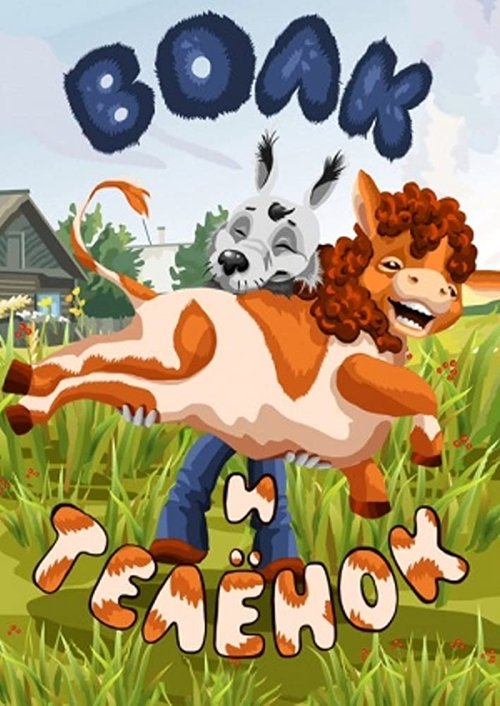
One day, the Wolf stole the newborn Calf and brought him home to eat, but regretted it and decided not to eat it, but wait until he grows up. The Wolf becomes attached to the Calf, takes care of him, feeds milk, sings lullabies, reads books. For the sake of the Calf, the Wolf keeps cleanliness - "children - they can not grow in the mud." And the Wild Boar, which smokes a cigarette, the Wolf literally drives a rag. Gradually, the Wolf and the Calf are so used to each other that they began to live like a father and son.
Wolf and Calf
No description available.
Самый маленький гном
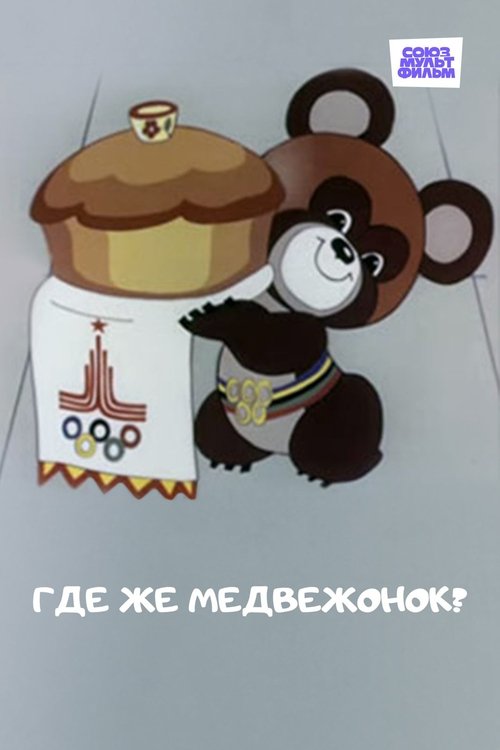
The adventures of Russian souvenirs on the eve of the opening of the 1980 Olympics. The main character of the film is Misha the mascot who greets the guests of the Olympics together with his souvenir friends.
Where is the Little Bear?

A cartoon composed of four parts, parodying "classical" gangster and criminal movies of four countries: robbery American style, French style, Italian style and Russian style. All cartoon characters resemble real movie stars of 50th and 60th.
A Robbery In... Style
No description available.
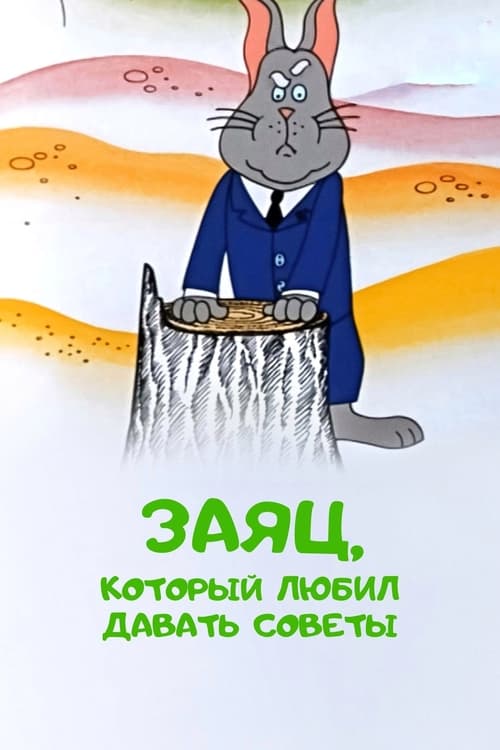
The Hare Who Liked to Give Advice
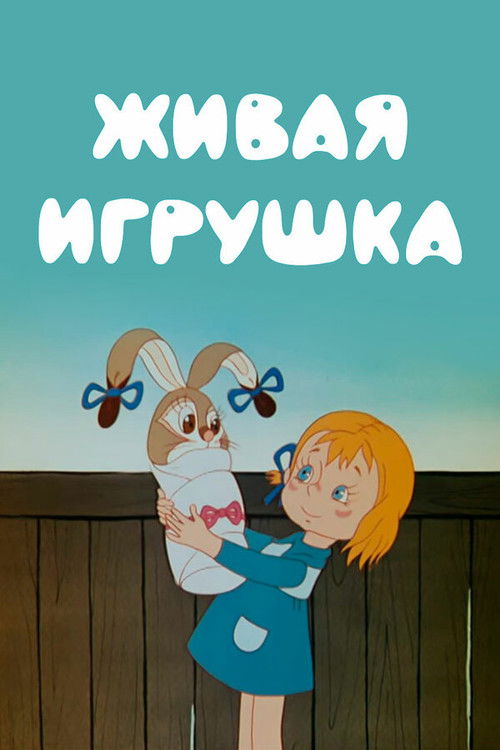
A mother rabbit and her three kits are playing in a field. A little girl comes across one of the kits and steals it, dressing it up and playing with it as if it were a living doll. While the girl is distracted, the three other rabbits come to the rescue.
A Live Toy
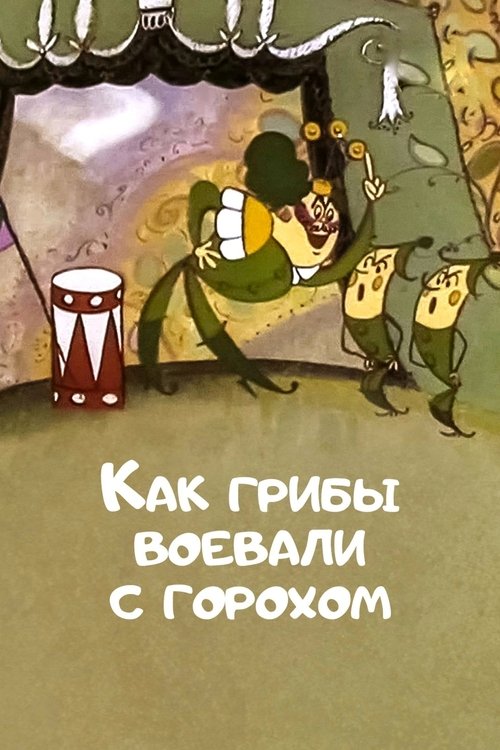
A satire on human nature projected on mushrooms and peas, based on a Russian fairy tale.
How Mushrooms Fought Against Peas
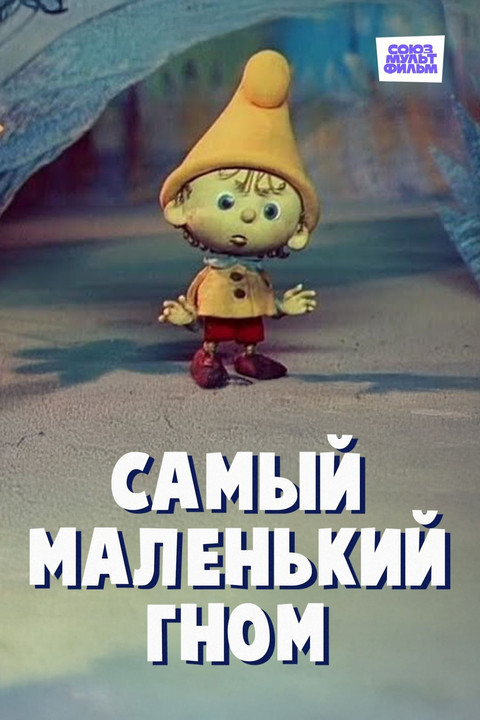
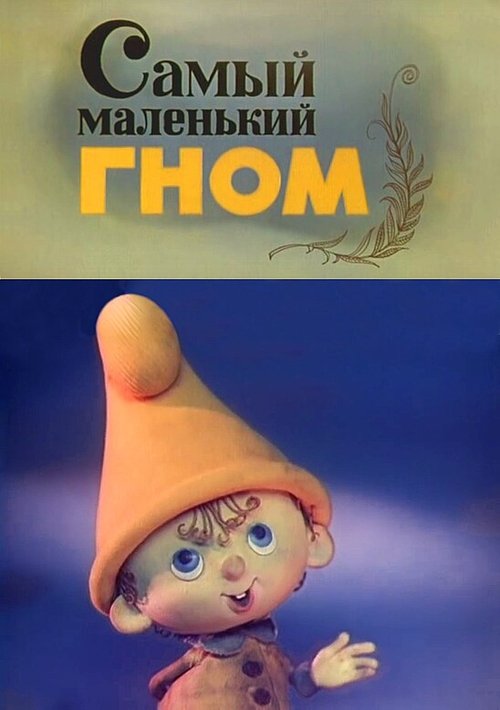
Dwarf Vasya is so small that no one notices him. But that doesn't upset him. The main thing is that he is able to save three piglets, seven goats, Little Red Riding Hood and her grandmother from the evil Wolf. And then he has to save the Wolf himself from... the Gray Goat!
The Smallest Gnome

No description available.
The New Aladdin
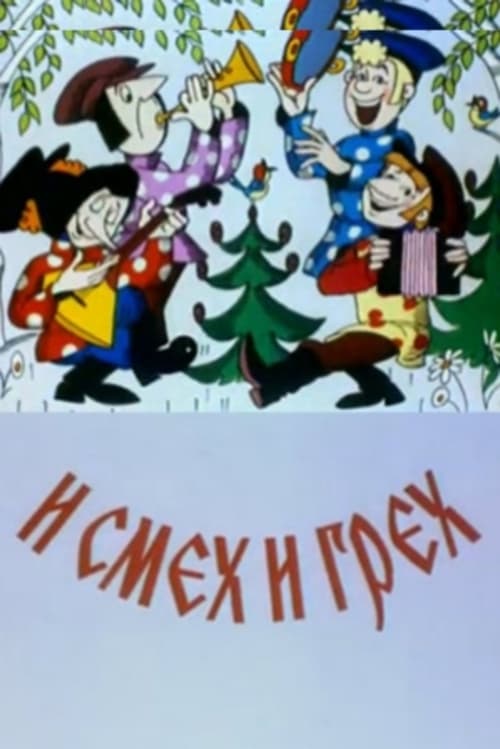
No description available.
И смех и грех
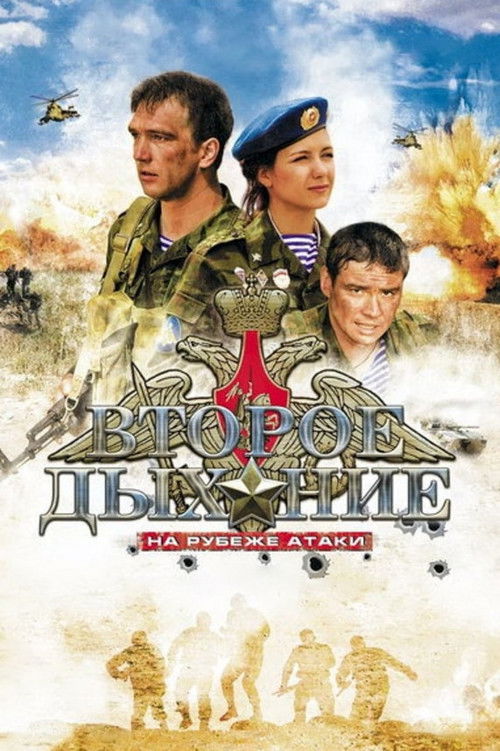
The main character of the film is a young playboy Pavel Makarov. Waking up after another party, he finds a strange girl next to him, who seriously offers to marry her, but is refused. The daughter of a local authority, she is not used to hearing the word "no". And now Makarov is in serious trouble: he has to leave his hometown urgently.
Second Wind
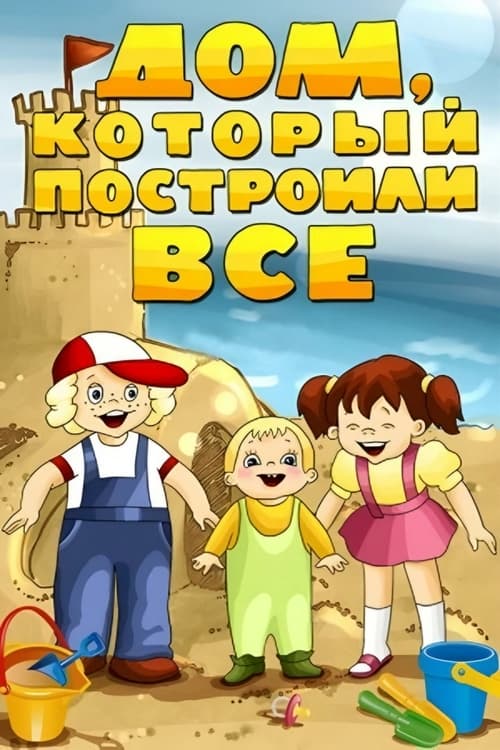
A cartoon about children on a playground who at first did not want to play together, but united in order to resist an over-aged bully...
The House That Was Built by Everybody
Wizards are trying to adjust to life in the real world.
The Last Wizards

How good beaver neighbors punished a greedy gnome.
Birthday
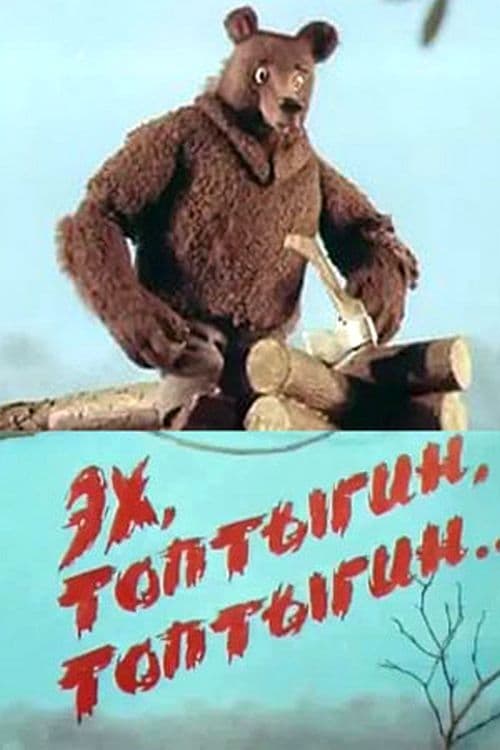
The tale of the gullible bear.
Ekh, Toptygin, Toptygin
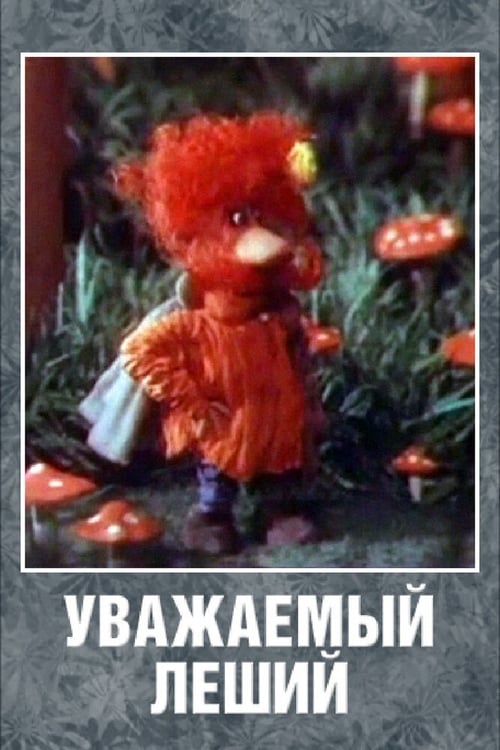
An old witch Baba Yaga tricks Leshy - a shy forest spirit - to turn into all sort of monsters in order to lure little Ivanushka into forest and frighten him. Because "fear means respect".
Respected Leshy
No description available.
Paradox in the Rock Style

The story of young men and women on vacation. They are constantly separated by various circumstances, including the fantastic and phantasmagoric ones, but at the end, they finally marry. Oh, more, more! parodies Soviet popular culture, i.e. popular music (Italian song "Amore-more-more..."), sugary wedding photos and souvenirs, the maniacal hunt for foreign brands and clothes (such as jeans), primitive Soviet pornography, and the cult of material prosperity.
Sea, Oh Sea!
No description available.