Yvette Biro
Writing
Known For
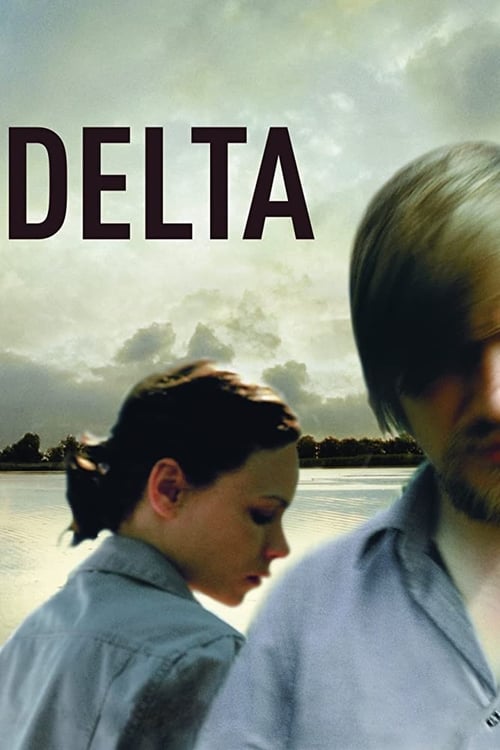
A man comes home to meet his mother and sister after many years away. He finds his mother living with a new boyfriend, and his sister to be grown-up. He begins to settle down in this new place by building a new home for himself on the delta. But when his sister moves in with him and the two begin a romance, there are tragic consequences.
Delta
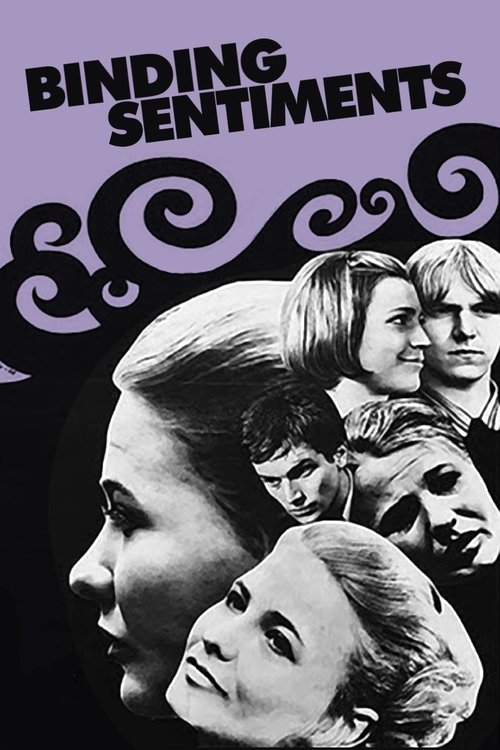
Edit, who became the wife of a politician out of a simple peasant girl, suddenly becomes a widow as a result of an accident. She never loved her husband. She lives a wealthy and lonely life amidst false friends, facing one of the last alternatives of her life, i.e. having to face her past in the hope of an independent new beginning.
Binding Sentiments
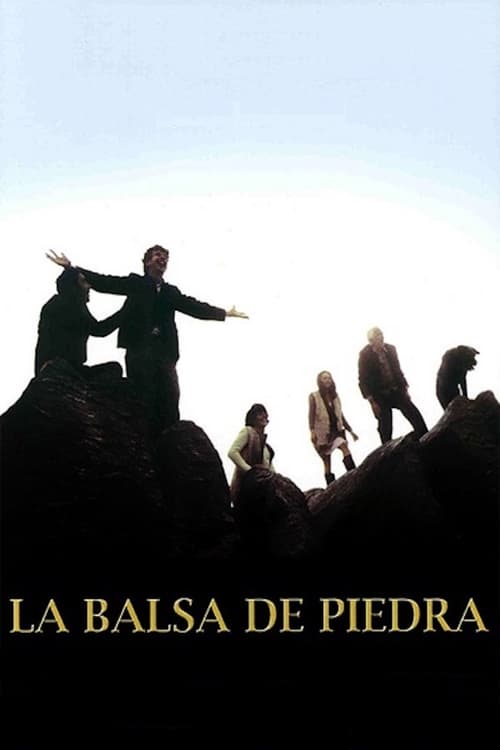
An inexplicable crack in the Pyrenees Mountains provokes excitement and scientific curiosity. As the geological fracture deepens and widens, the European community begins to disassociate itself from the calamity, and panic ensues among tourists and residents attempting to escape. When Spain and Portugal physically separate from the continent, the detached Iberian peninsula aimlessly floats off to sea, becoming home to a group of god-like humans.
The Stone Raft
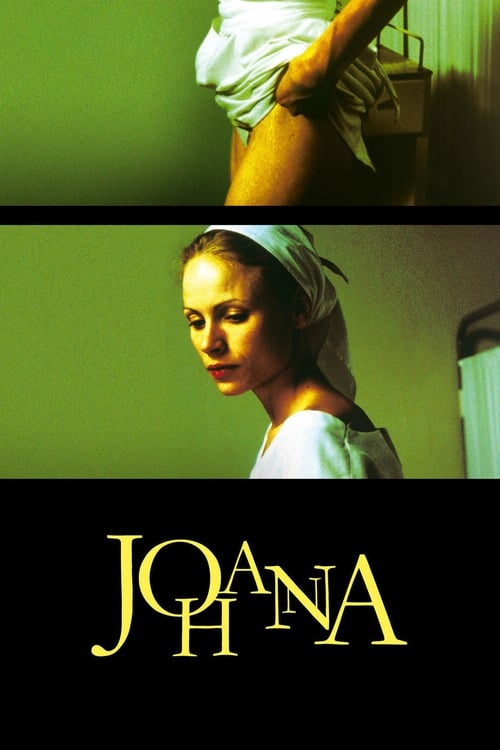
Johanna, a young drug addict, falls into a deep coma after an accident. Doctors miraculously manage to save her from death's doorstep. Touched by grace, Johanna cures patients by offering her body. The head doctor is frustrated by her continued rejection of him and allies himself with the outraged hospital authorities. They wage war against her but the grateful patients join forces to protect her. This is a filmic and musical interpretation of the Passion of Joan of Arc.
Johanna
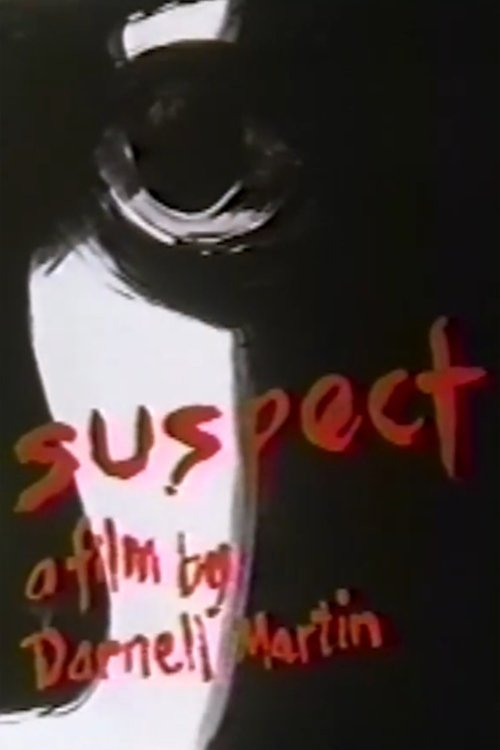
A young white woman leaving a nightclub alone drops her cigarette lighter on the street. When a young black man follows her and attempts to return it, she panics and assumes he is attacking her. The ensuing chase threatens to erupt into violence.
Suspect
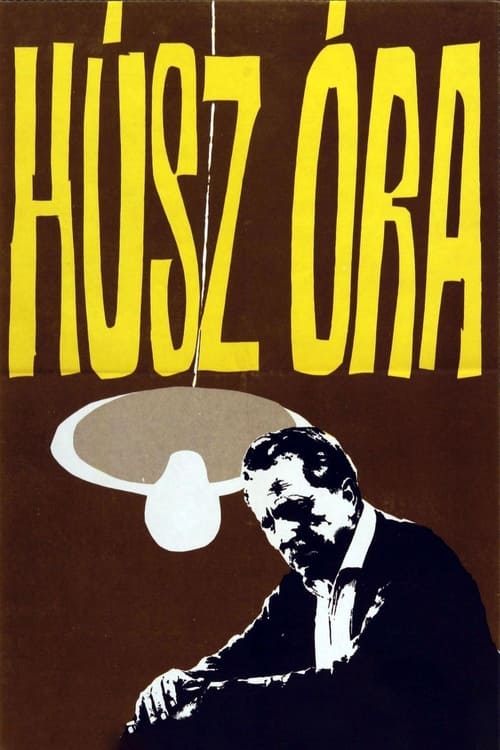
A crusading newspaper reporter covers the Soviet invasion of Hungary in 1956. Initially critical of the communists, the feature later espouses the virtues of the social changes implemented since the invasion. The title refers to the period of time the reporter spent interviewing witnesses to the invasion.
Twenty Hours
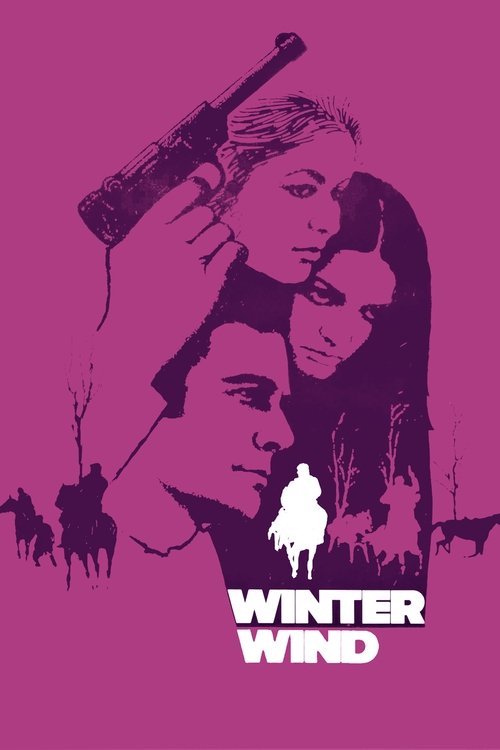
Croatian anarchists collaborate with Hungarians to make a bid for the life of King Alexander of Yugoslavia.
Winter Wind

Péter Gerő's unfinished portrait film of cinematographer-filmmaker György Fehér. The "film torso" (as the director calls it), which is shorter than 40 minutes, features such prominent figures from the history of Hungarian film and television as theatre and television film specialist István Lénárt, film director Károly Makk, film aesthete Yvette Bíró, and organiser László Béla. Also includes many unforgettable anecdotes and photographs of György Fehér from the time.
Fehér György: Fehéren-feketén
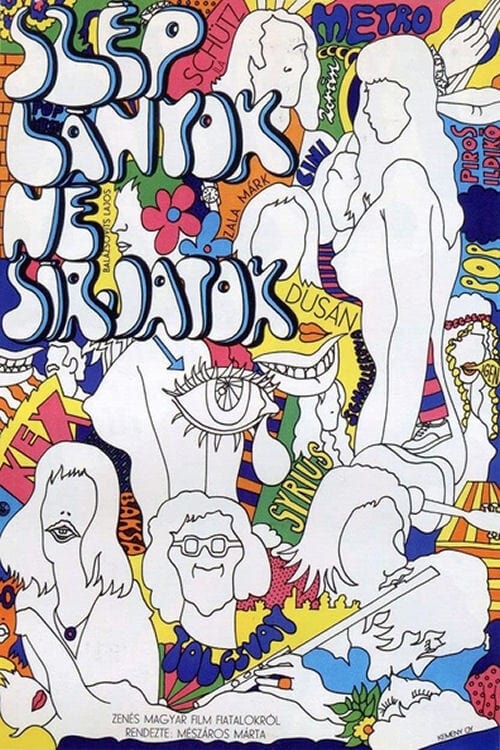
Savanyú and his friend work at a plant. After the monotonous shifts they engage in the pleasures of the afternoon and the night, i.e. parties and concerts. Savanyú dates Juli, they are already engaged. The young men live as sub-tenants, the young women in workers' hostels. None of these places are suited for spending time together. They are in need of an apartment. Out of the ruinous apartment which they lay siege on, however, they are sent away by the otherwise friendly policeman. At a concert held in the Park of Youth, Juli gets to know Géza. They flirt, then go to the country with a pop-group. Savanyú and his friends follow them. A minor fight cools the atmosphere.
Don’t Cry, Pretty Girls!
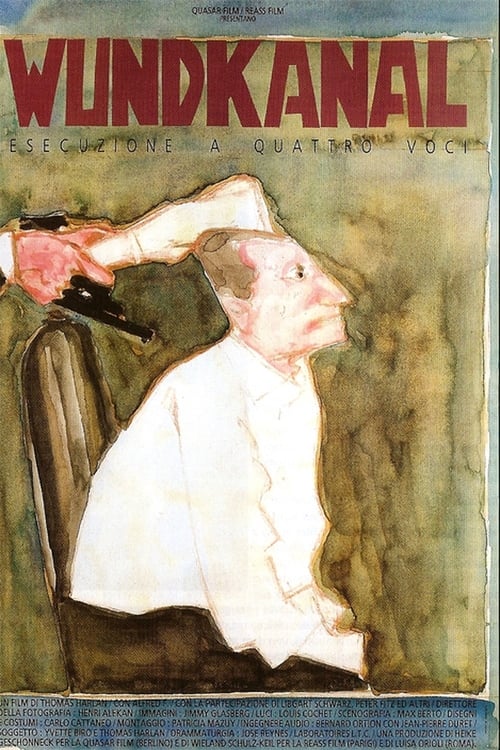
An old man is kidnapped. His interrogation uncovers the biography of a mass murderer: The 80 years old man was a SS leader and responsible for the killing of thousands of people in the Soviet Union. He also "invented" an evil technique of eliminating political prisoners: the manipulated suicide. Thomas Harlan reconstructs the history of a bureaucratic murderer, he also develops a direct connection between the Nationalsocialism and the treatment of prisoners of the RAF terrorists in the Stuttgart isolation prison. Robert Kramer filmed the shooting of Harlan's Wundkanal: Notre Nazi documents a social experiment in which the children of Nazis and of victims meet a real culprit. The reality seems to be stronger that the fiction in Harlan's film. (Edition Filmmuseum)