Cecilia Gessa
Acting
Biography
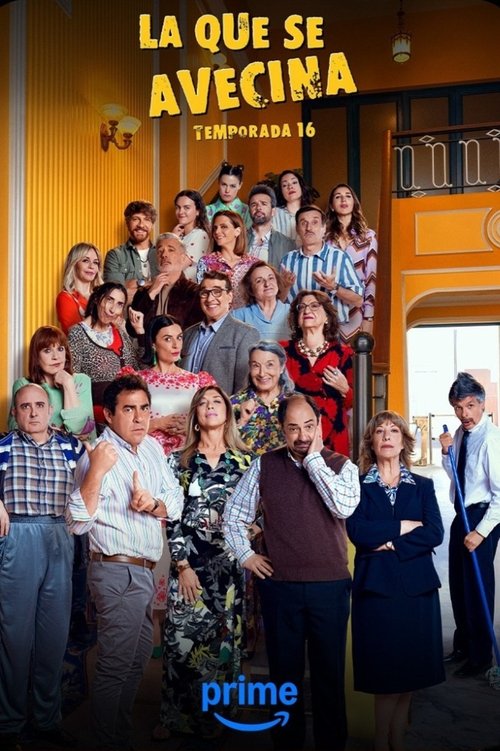
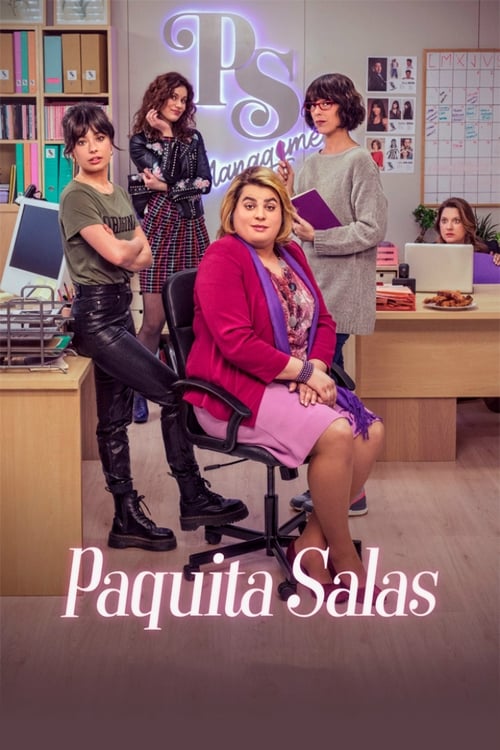
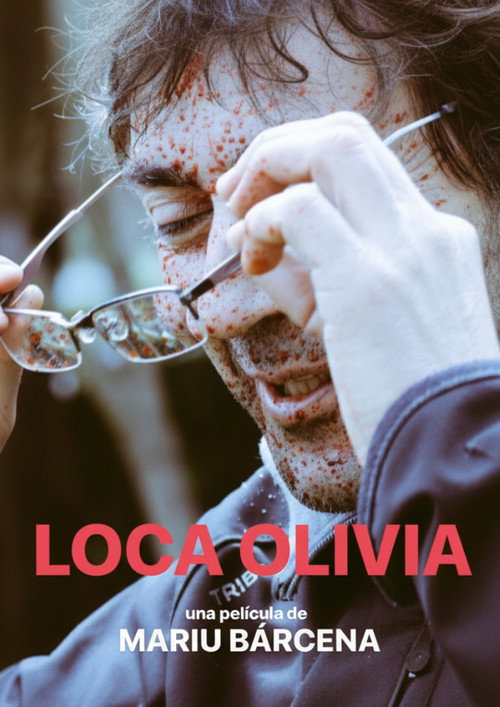
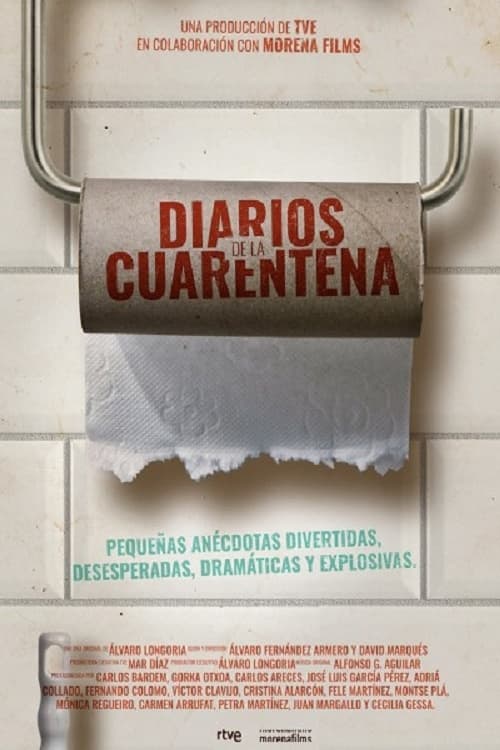
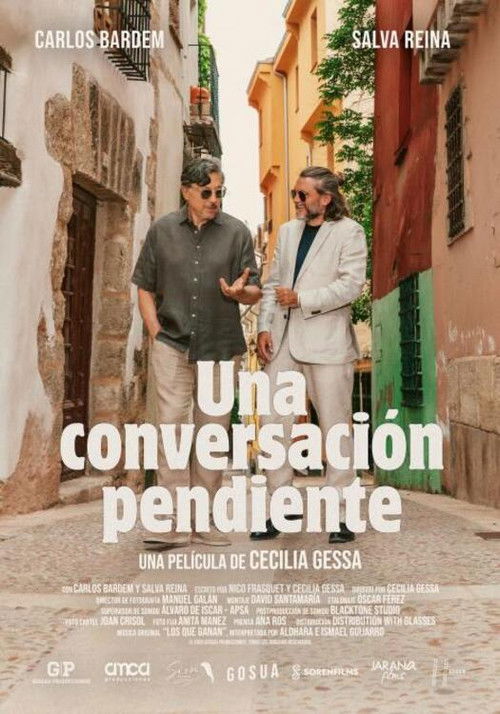
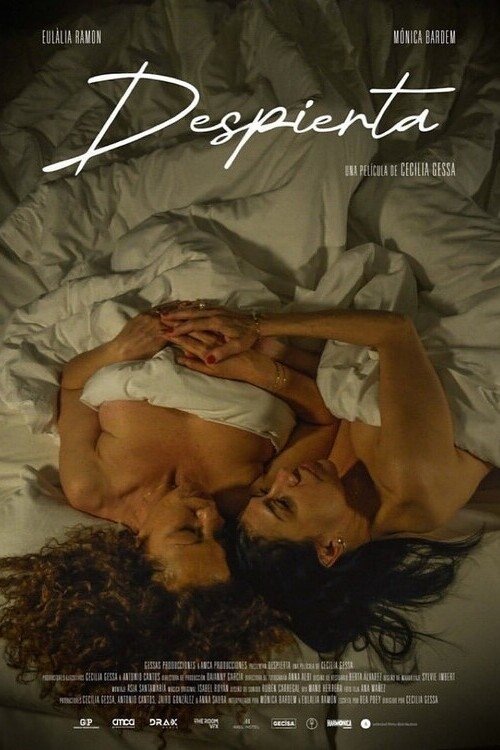
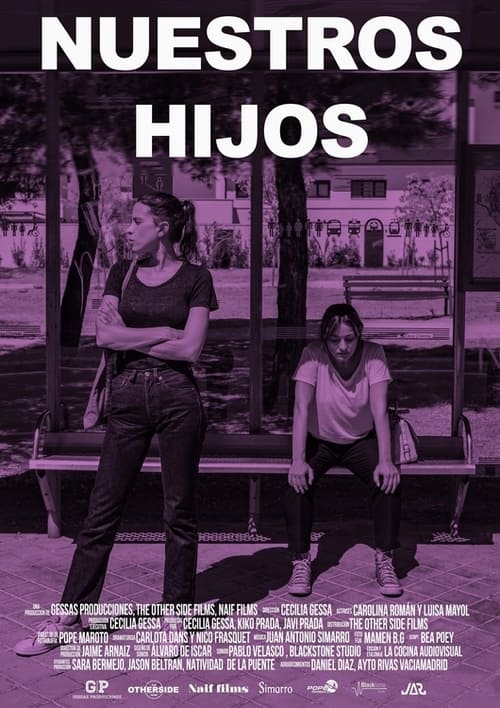
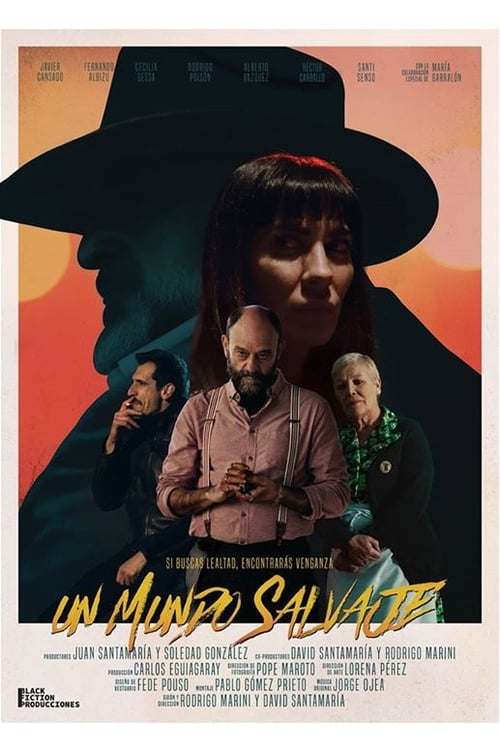
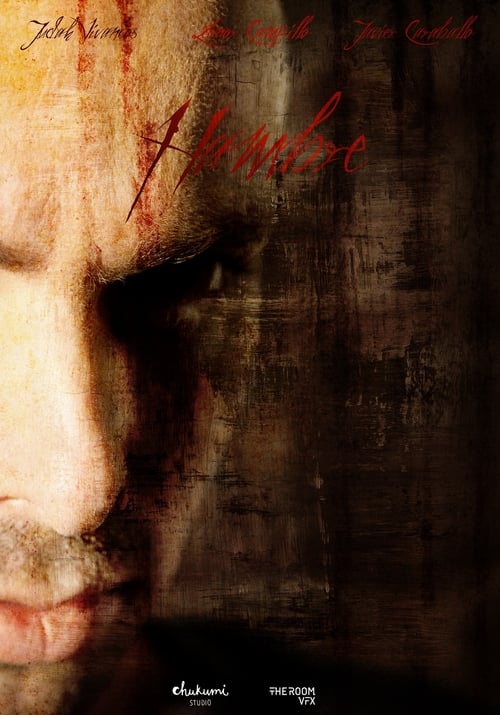
Cecilia Gessa (born November 22, 1977) is a Spanish actress best known by the stage name Celia. She was trained in the school of film and television “Estudio Recabarren”, continuing her studies in verse with Yayo Cáceres and with the theatre company “Simpañía”. She was formed in singing and dancing by Óscar Mingorance and Karen Taff. Besides, she carried out acting training with Jo Kelly. On cinema, she has taken part in the collective film Sequence, sponsored by Montxo Armendariz (included in the short-film “Vigilantes” of Hermanos Prada). Currently, she has waiting to release the movie “Hambre” of Manu Herrera and she will participate in Bloody West, the first feature film of Manuel Velasco. On television, we can highlight their interventions in series such as “Impares”, “Bicho Malo” and “RIS Científica” In theatre she has taken part, among others, in plays such as “El Comedor” directed by Eduardo Recabarren; “El diario de Ana Frank” directed by Daniel Gacía; “¿Está ocupada esta silla?” and “Todo a su tiempo, cósmico” directed both of them by Max Lemcke; and “¡Ay, que me viene!” directed by Carlos Bardem. She combines her work as actress with the direction and management of Gessas’ Events Company. Furthermore, in 2009 she was awarded in Colombia with the Zootropo Prize as best actress.