Writing
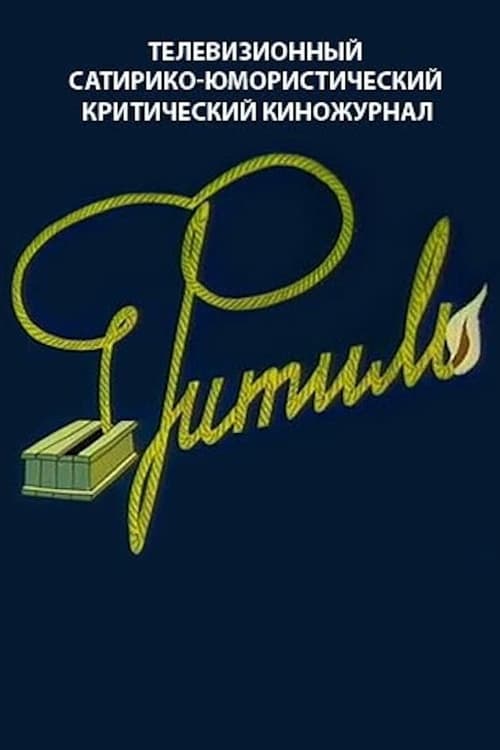
Fitil is a popular Soviet/Russian television satirical/comedy short film series which ran for about 500 episodes. Some of the episodes were aimed at children, and were called Фитилёк, Fitilyok, Little Fuse. Each issue contained from the few short segments: documentary, fictional and animated ones. Directed by various artists, including Leonid Gaidai who presented his famous trio of Nikulin, Vitsin and Morgunov into the cast. It was called in USSR as "the anecdotes from the Soviet government".
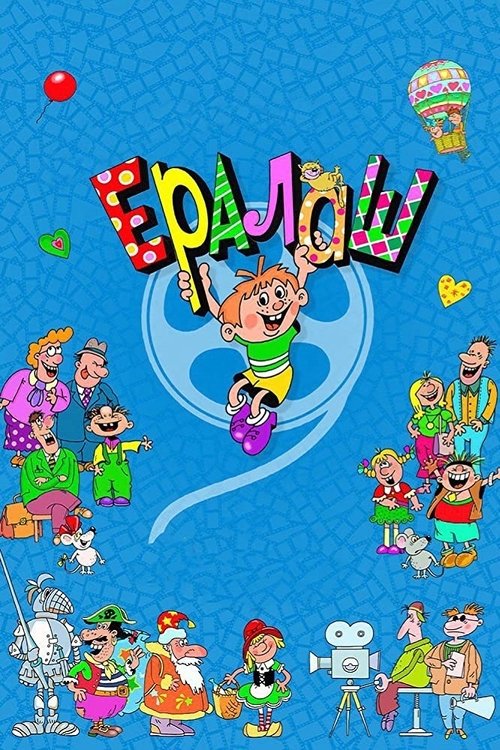
The children's humorous film magazine "Yeralash" is a one-of-a-kind work of cinematography that ironically approaches the solution of everyday problems, focusing on the views and needs of modern society, allowing different generations to achieve mutual understanding.
No description available.
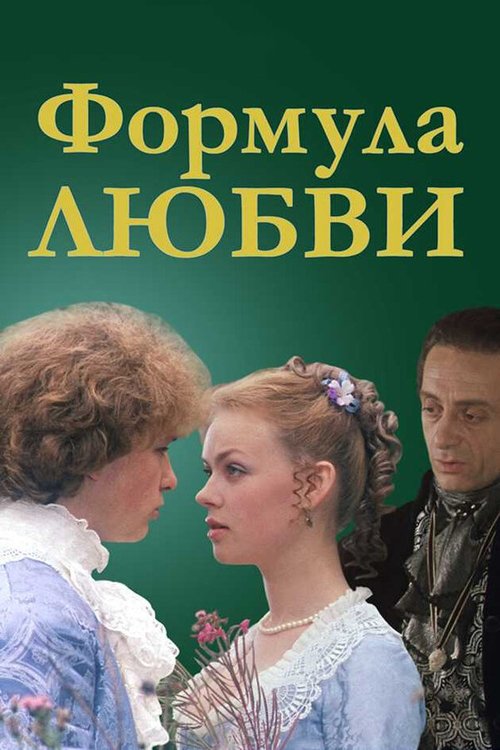
A young aristocrat, Aleksei Fedyashev, is languishing in his family's country estate, spending his days reading poetry and confessing his love... to a statue. Upon hearing that famous Count Cagliostro is touring Russia and has created quite a buzz in high society with his "magic", he decides to ask the Count to bring the statue to life...
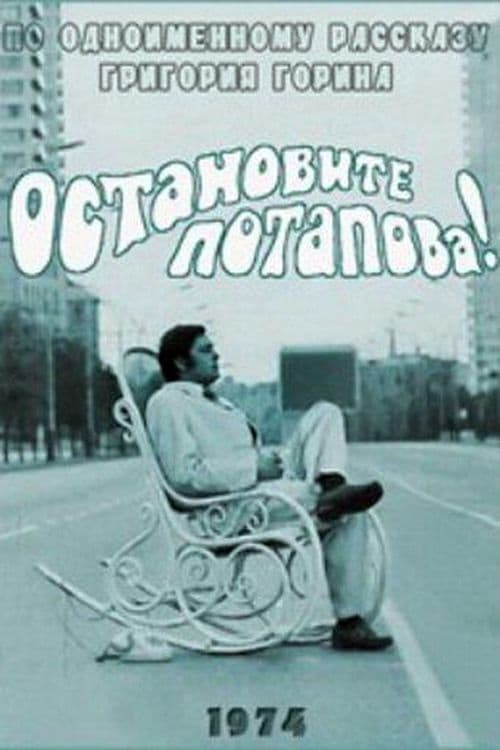
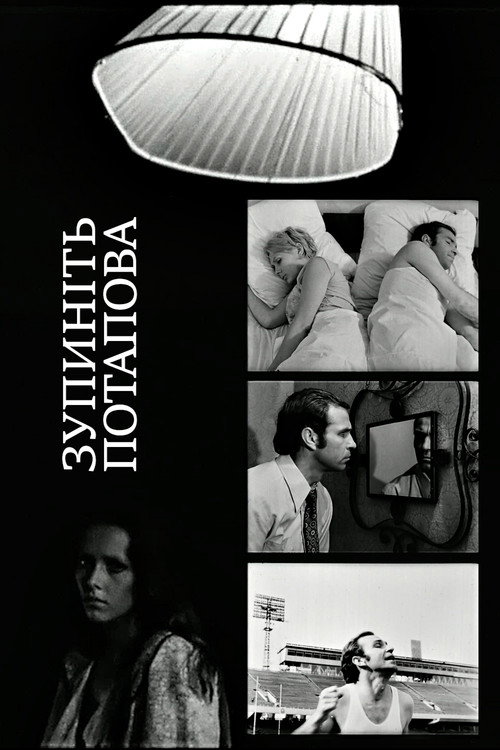
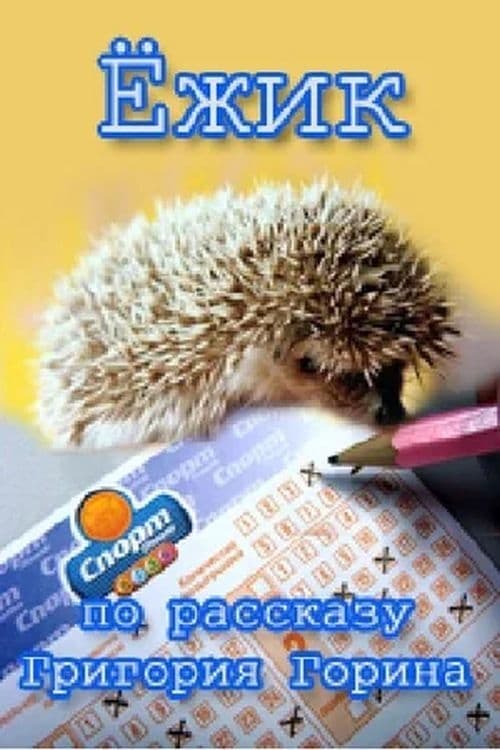
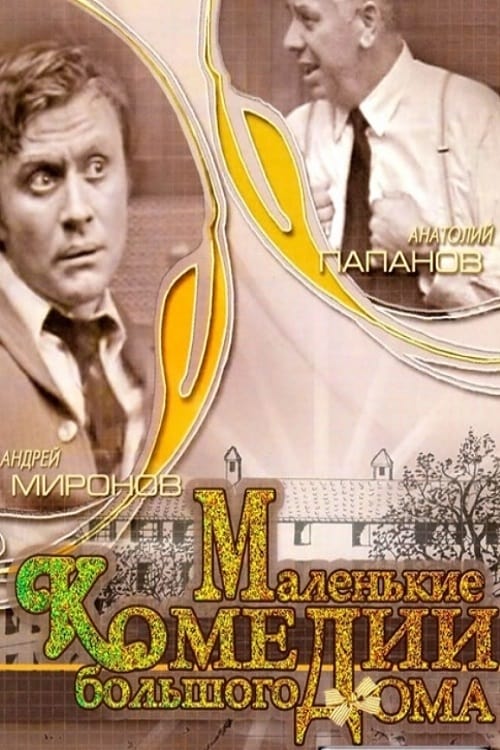
A film based on the story of the same name by Grigory Gorin. An employee of a certain SRI Potapov is a liar and an opportunist. But he does not even know that he is committing low things.
The story of the relationship between King Henry VIII of England and Anne Boleyn.
The small town agog Hussars entry. Love between cornet and the young actress suddenly faces intrigue made by a St. Petersburg bureaucrat. The actress father dies after being involved in this game and perspectives look dark... But evil will eventually be defeated by the nobility, loyalty and love.
An employee of a certain SRI Potapov is a liar and an opportunist. But he does not even know that he is committing low things. It’s easiest to be cruel in life.
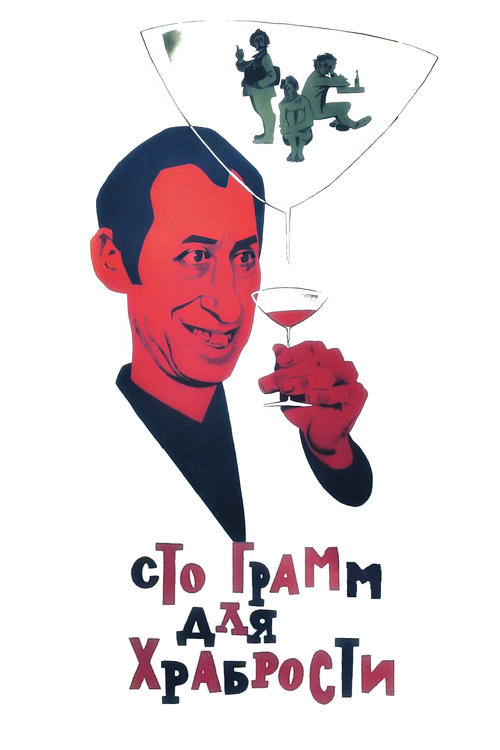
The movie consists of three short stories that share a common satirical theme: alcoholism and drunkenness. The stories are "Such an imprudence!," "According to the laws of hospitality," "100 grams for bravery".
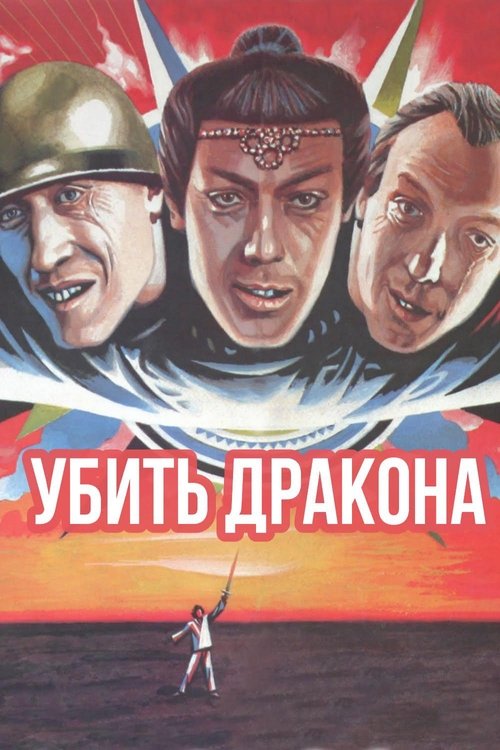
Dragon is a bloody dictator, who kills every opponent. People live hopelessly, until Lancelot comes to save the beautiful Elsa. Lancelot can only win, if all people become free from fear, that is feeding the Dragon's power. Dragon's multiple personalities, ranging from a "dragon" to a "samurai" to a "Nazi", scare the hell out of all people, except Lancelot. Finally Dragon drops all his masks, to become the most dangerous of his incarnations - "himself". And the battle begins
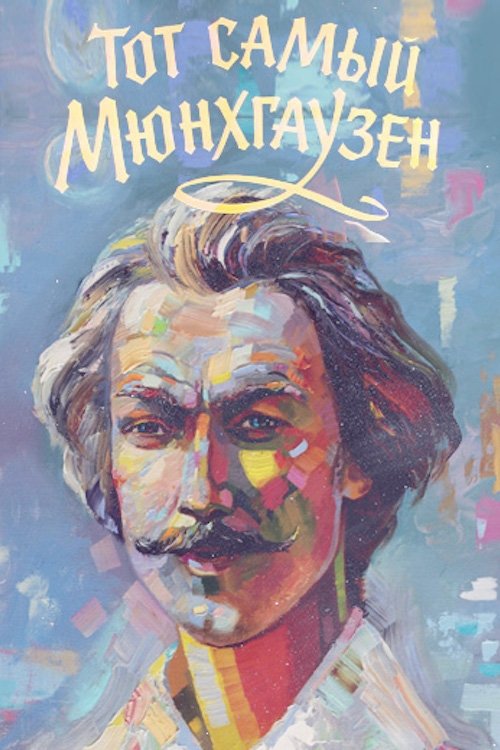
A philosophical and poetic portrait of the famous (or maybe infamous?) Baron Munchhausen. His crazy, yet very merriment, stories, views and behavior is what sets him apart from others. He becomes alienated from the society that failed to grasp his brilliance. In fact, his brilliance is what underlines the faults with the society itself. It's a beautiful yet tragic story that is filled with dense and intellectual dialogue.
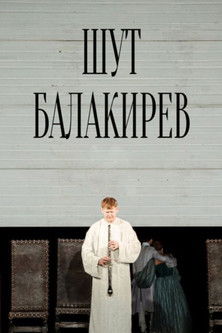
The court jester Ivan Balakirev is not afraid to speak out to the fearsome monarch about things that others remain silent about. Becoming involved in the festivities and jests encouraged by the ruler, he inadvertently gets entangled in court intrigues and the complex relationships within the family of Peter the Great.
Follows the preschooler Slavka and his father, a researcher, an avid fan of the lottery "Sport Lotto". One day Slavka brought home a hedgehog, which he exchanged with a friend for a lottery ticket from his dad.…
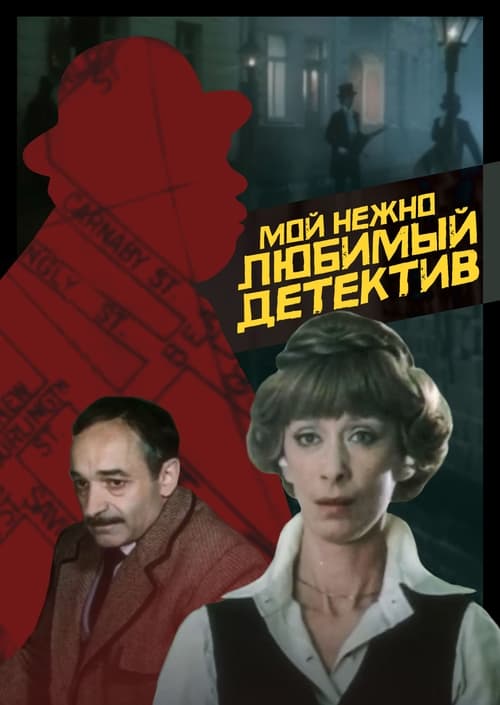
The conceit is that Sherlock Holmes is, as in reality, a fictional creation of Arthur Conan Doyle, but that the place where his office would be is maintained by the brilliant detective Shirley Holmes, who both solves crimes and maintains a museum for people who think Sherlock Holmes is real -- accompanied by a phonograph playing music from the Livanov series which had not long ended. She is accompanied, as might be expected, by a woman Watson, and must fight off the affections of both a Scotland Yard inspector an a parody Latin lover from Spain.
An immaculate, vivid and breathtaking implementation of Swift's romanticism.
Theatrical movie based on an ordinary life of an average soviet family