Acting
No description available.
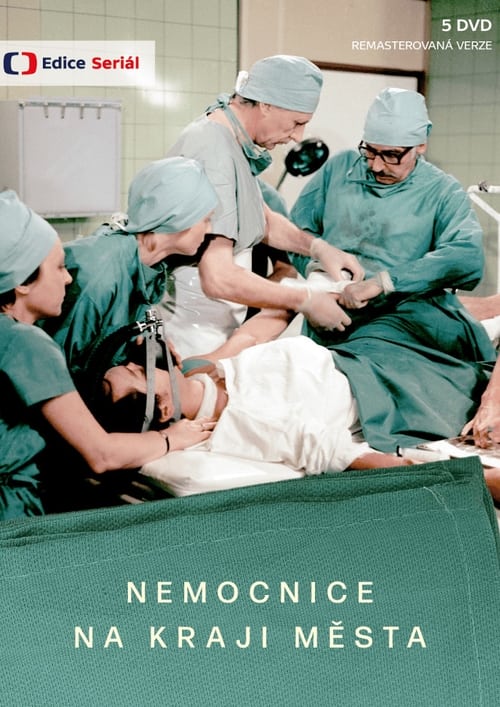
Hospital at the End of the City is a popular television series first released in Czechoslovakia in 1977, it featured an ensemble cast and received much viewer praise in central Europe. The series ran from 1977 to 1981 for a total of twenty episodes. The success of the series inspired the German television series The Black Forest Clinic.
A story of a little girl Verka and her life during the beginning of WWII. Based on Vera Sládková novels.
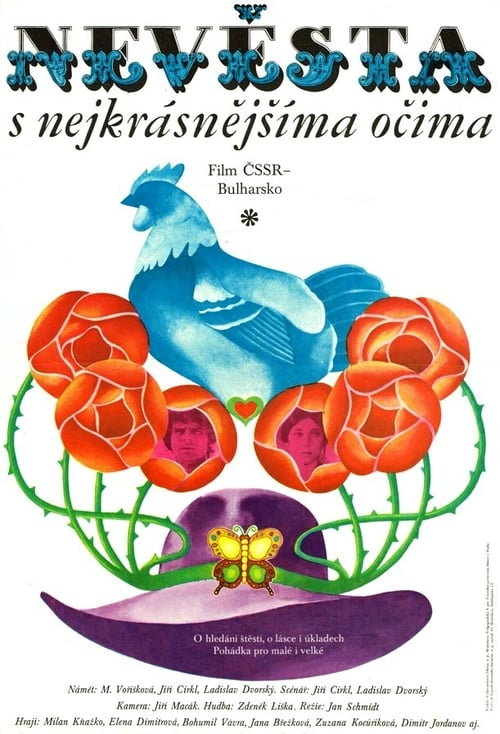
Exotic, yet lyrically aimed fairy tale about a young gypsy Pista in search of a beautiful, gentle and faithful bride. An old man told him where to find a girl with those qualities, so Pista sets out on a journey to find the girl of his dreams without knowing that she is special: an hour a day human and rest of the day a chicken...
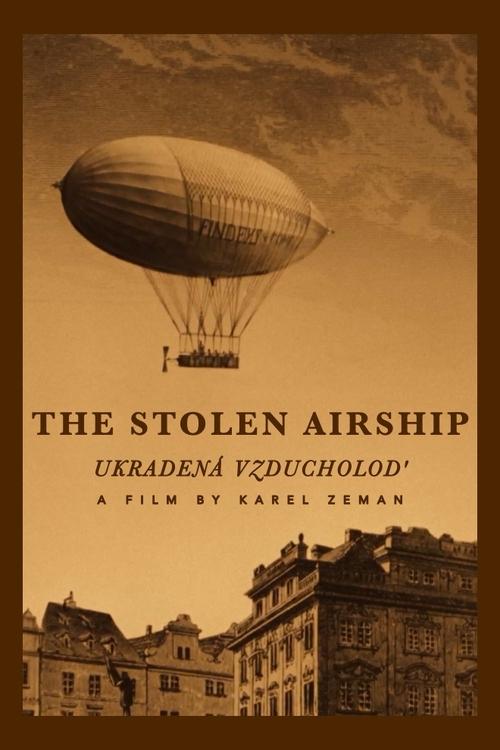
Five young people take off in a lighter-than-air machine at the Prague Centennial Exhibition. In an Art Nouveau style, the film consists of live action generally shot in black and white, as well as hand-drawn, stop-motion, and cutout animation. Various live-action and animated elements are often composited into the same scene.
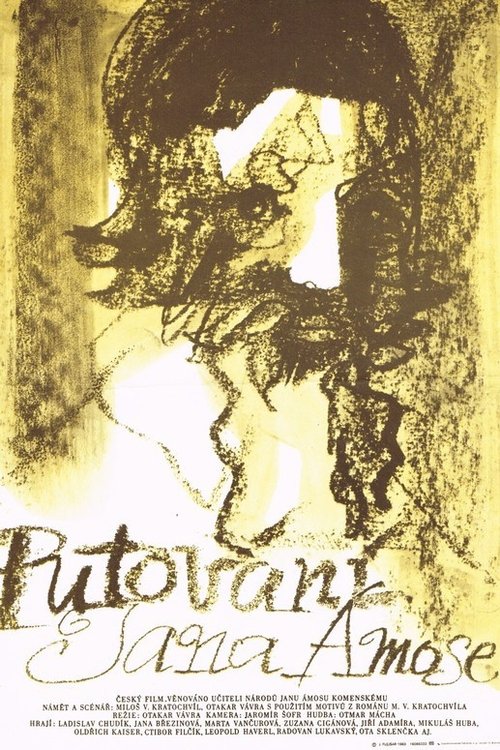
The distressing fate of the Czech great Jan Amos Komenský, forced to leave his homeland after the White Mountain disaster. It depicts his encounters with various European personalities of the 17th century - the Queen of Sweden, artists and scientists. It emphasises the hero's nobility, but also his inner resilience, which allowed him to overcome many personal and professional tragedies. The parable of The Labyrinth of the World and the Paradise of the Heart becomes part of the story. However, Comenius's concept is sculpturally lifeless and, in particular, the religious dimension is "erased" from it. The simplistic biography therefore does not avoid schoolboyish dryness.
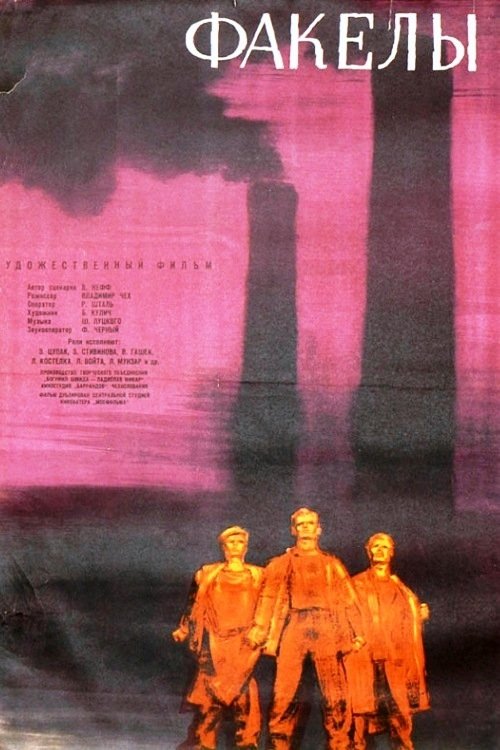
Prague in the 1870s. Work in Smolík's sulphur factory is hard and dangerous to health. The poorly paid workers resemble torches because their clothes are soaked with poisonous phosphorus. Young Josef Rezler also works in the sulphur factory and uses his earnings to feed his mother and little sisters. He throws his perpetually drunken father out of the house. The older worker Brož forces Josef to learn to read and write. A cholera epidemic breaks out in Prague and Josef is the only one of his family to survive the disease...
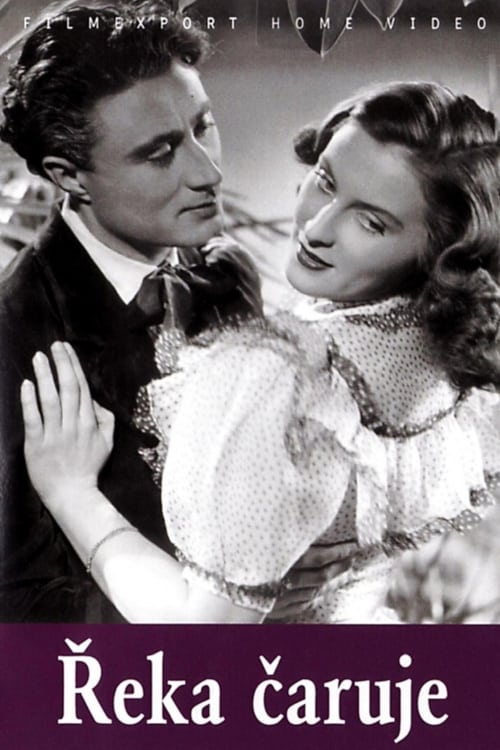
Leopold Kohák married a rich widow a long time ago and now has nothing to do compared to his energetic wife. He's growing old and troubled by the fact that he betrayed his first love Emča and his beloved river Sázava where he spent his childhood and youth. A visit from an old friend Lebeda brings it all back to him. After a nervous breakdown Leopold secretly visits his home instead of going to the spa. A wandering tramp suggest Leopold should bathe in the magical waters of the Sázava, and slowly his youth returns to him.
The growing conflict between the unruly owner of the villa and his lodger ends up in court. The cohabitation ends in bodily harm - and the film actually translates two versions of the same events, as seen by each of the parties involved. However, the attempt at morality, which proclaimed the necessity of removing the old survivals in people's thinking, did not quite work, and the testimony presented is at times a bit stiff.
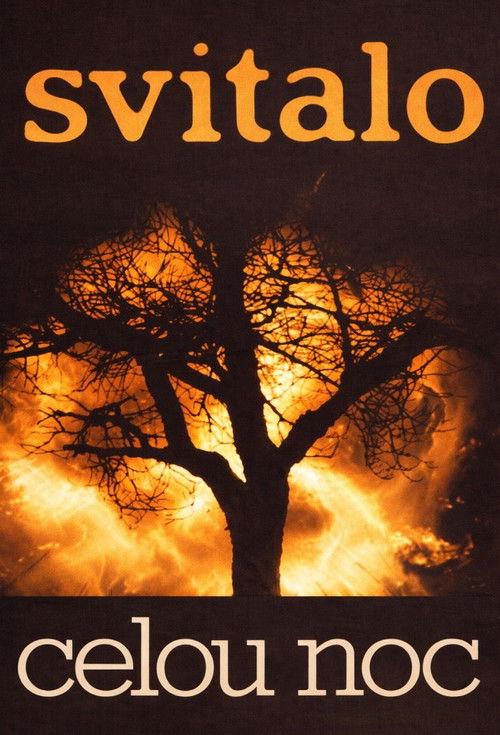
The Czech film Svítalo All Night was made to commemorate the 35th anniversary of the liberation of Czechoslovakia by the Soviet Army and is dedicated to all those who fought and gave their lives in Prague in the May Uprising of 1945. Behind the historical events, the creators see mainly their simple, unassuming participants. Thus, we are presented with a number of apt portraits, whether it is the central hero Dr. Soukup and nurse Daniela on the side of the fighting Czechs, or a captain and a simple private in a Red Army unit coming to the aid of the fighting Prague, or an old, war-weary German major, who only realises the senselessness of the war at the sight of a fanatical, cynical lieutenant for whom Nazi ideology represents the meaning of life.
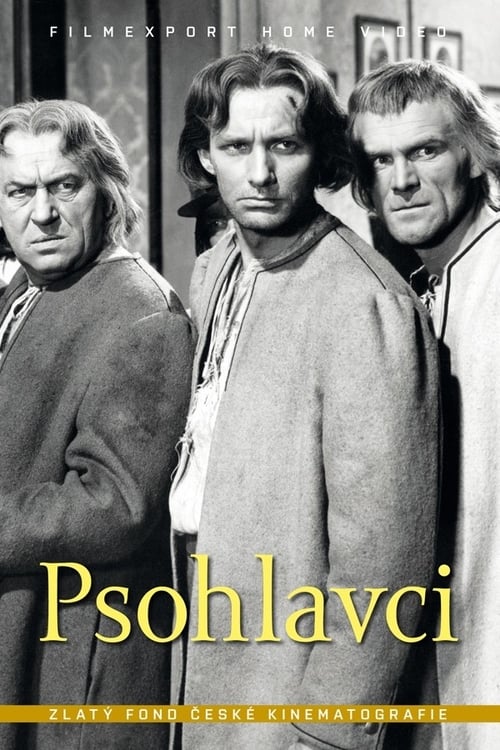
The history of the rebellion of the brave Chody, led by Jan Sladký Kozina and Matěj Přibek, against the violent tyranny of the foreign nobleman Maximilian Lamminger of Albenreuth. Based on the novel of the same name by Alois Jirásek.
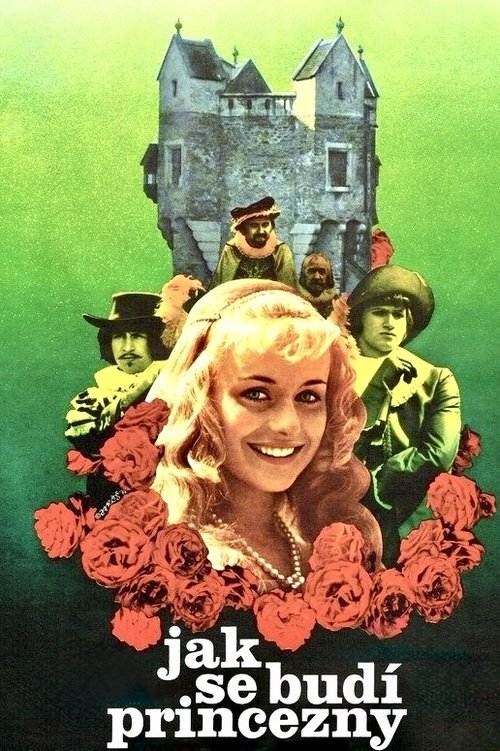
At long last, King Dalimil and Queen Eliška have produced an heir, Princess Růženka. Consumed with envy, Eliška’s sister Melánie casts a curse: On the day Růženka turns seventeen, she will prick her finger and fall into a deep sleep together with the entire kingdom.
Olga Valentová, whose father was a communist resistance fighter and died during the occupation, works in the export department of Tatrovka. The young woman recapitulates her life and returns to her father's ideals.
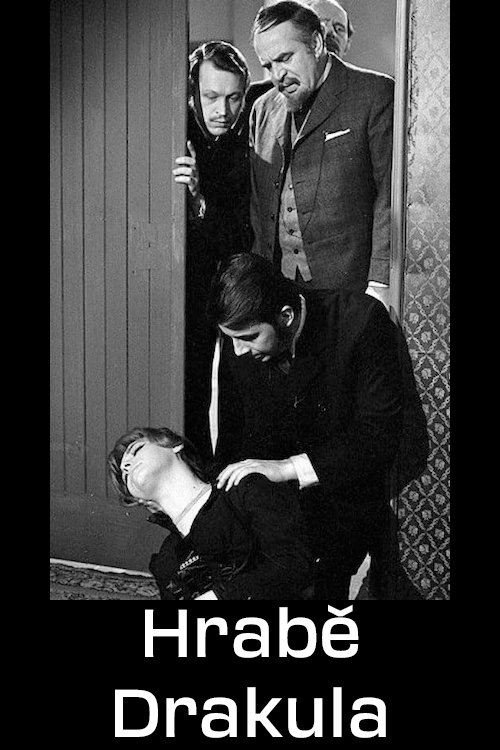
Czech television production of Dracula that is very faithful to Bram Stoker's novel.