Marie Marešová
Acting
Known For

No description available.
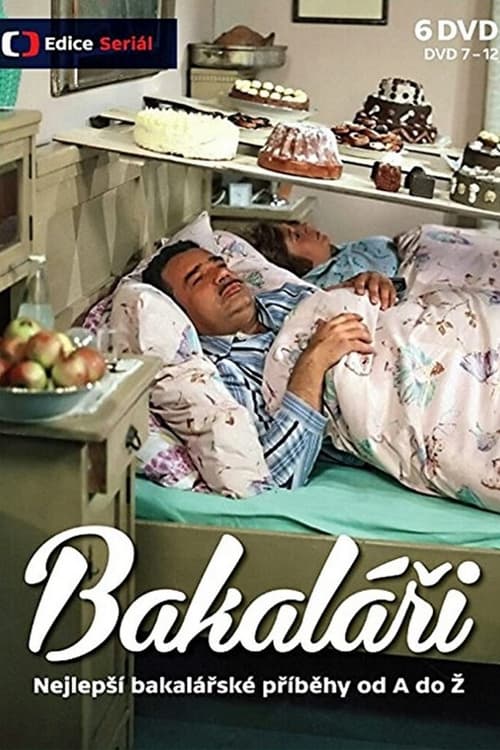
Bakaláři

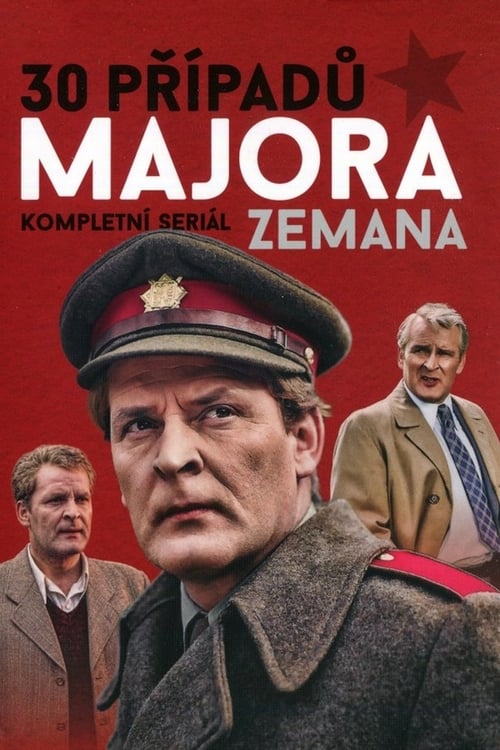
Thirty Cases of Major Zeman is a Czechoslovak action-drama television show intended as a political propaganda to support the official attitude of the communist party. The series were filmed in the 1970s. Each episode encompasses one year, and investigations are stylized to that year. Most are inspired by real cases. The series follows the life of police investigator Jan Zeman during his career from 1945 to 1975.
Thirty Cases of Major Zema

No description available.
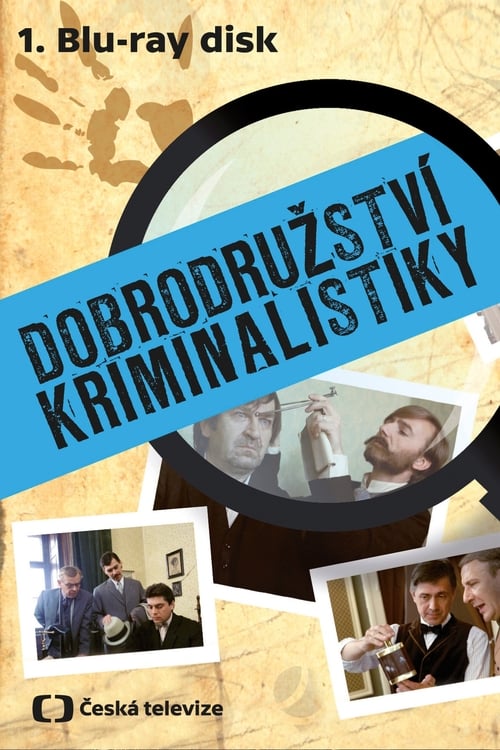
Dobrodružství kriminalistiky
No description available.
Bližní na tapetě

No description available.
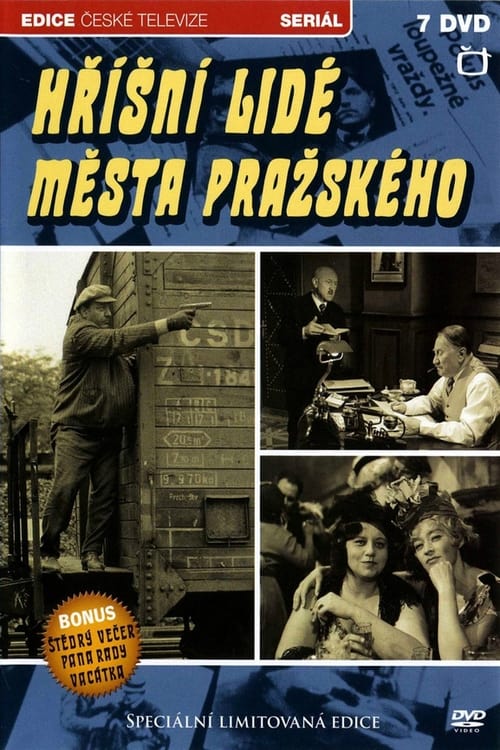
Hříšní lidé města pražského
No description available.
Tři chlapi v chalupě
No description available.
Had z ráje
No description available.
Andersenovy pohádky
On his first business trip in a new place, driver Rudo has an accident. A drunken truck driver dented the fender of the tatraplane and drove off while Ruda went to a pub for a beer. His situation looks desperate. He arrives in Prague distraught. But his wife Marie finds a way out. She remembers an old friend and hopes he can help them fix the car before morning. The friend, Plachetka, gets other helpers and the car is finally fixed during the night. Plachetka, his wife, Rabas the painter and Kroupa the plumber all lend a helping hand to the couple. Rudo's place is saved. The friendship, willingness and understanding of a few individuals has done a good job.
To byla noc

Seven days, or rather evenings and nights, in the life of Jenka (Stanislava Bartosová), a young good-looking nurse. Jenka is attractive to men and enjoys their company, but there is a limit beyond which she won't go, since she is faithful to her Filip, who is doing his military service. On Sunday the girl awaits Filip to arrive on a short period of leave, but instead his friend Míla (Frantisek Nemec) turns up and apologizes for Filip, who has to stay in the barracks.
Seven Days in a Week

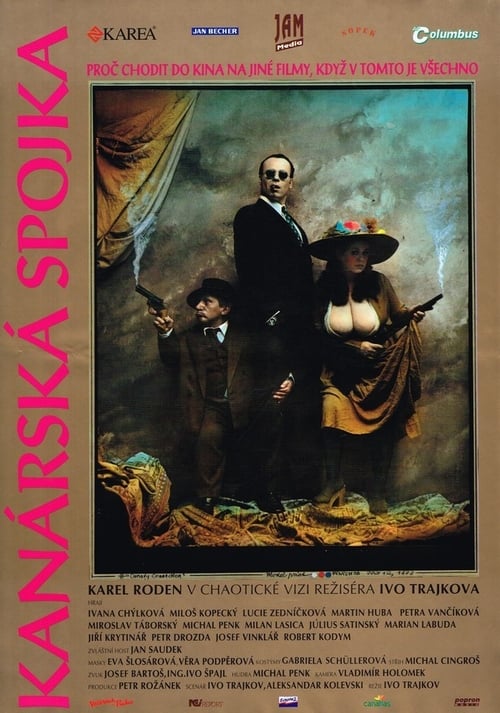
An interesting attempt at a postmodern crazy comedy with elements of parody. The plot turns on the search for the recipe of a liqueur made by the film’s financial backer.
The Canary Connection

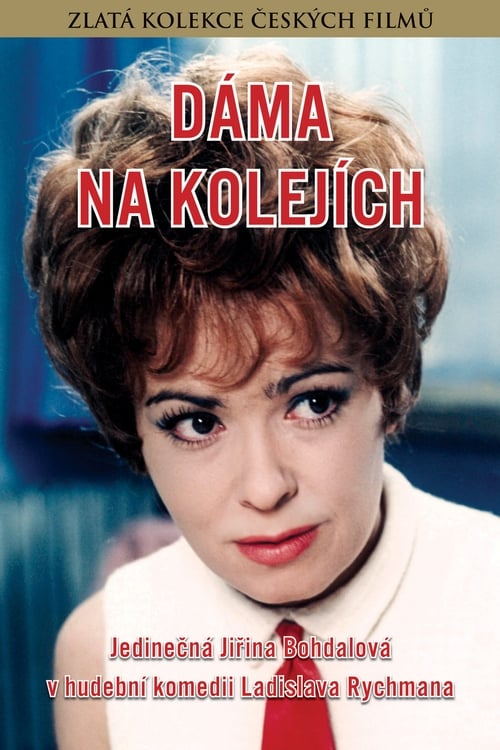
Tram driver Marie has far too much to do after her shift is over. But she likes to do it all since she loves her husband Václav sincerely. One day she spots him on the Lesser Town Square in Prague, kissing an attractive blonde good-bye. It seems to Marie that her small comfortable world has collapsed and she walks out of the tram in tears. But her sadness does not last long. She wipes off the tears and begins to act. She withdraws all the money from their savings books and buys off all the latest models from the Fashion Works. The visit to the beauty salon then completes her transformation into a lady.
Lady on the Tracks

A passionate communist worker is discouraged by the changing political climate and the failure of his peers to live up to his ideals.
Courage for Every Day

Five short stories: The Master and the Twentieth Disciple; Every Week is Sunday; It's Boniface's Fault; The Raggedy Song; The Spider's Web.
Pět z milionu

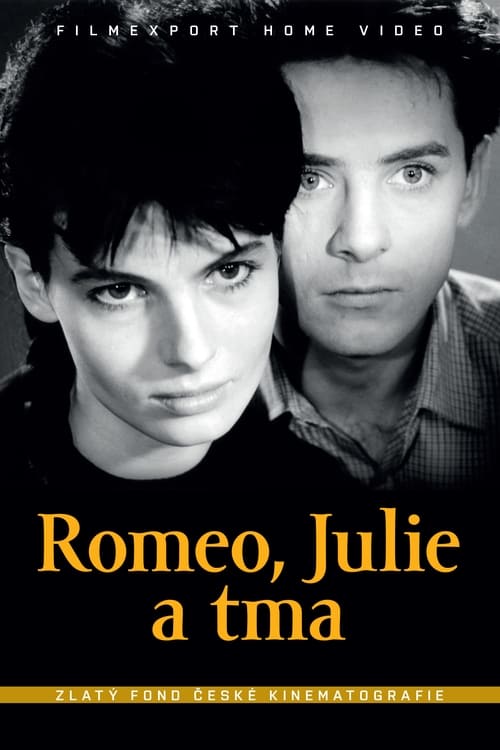
Pavel, a young student living in Prague in 1942, hides a Jewish girl in his apartment building's attic. Amidst the brutality of the occupying German army, love blossoms between the two. He is her only link to the outside world. Then the two are discovered by Pavel's mother, who forces the residents of the apartment building to decide whether Hana can remain.
Romeo, Juliet and Darkness

A sociological drama with a detective plot taking place in the period of industry and agriculture collectivization of the 1950s. Peter Lánik, a young lawyer, during a trial finds out that whom he thought to be his father is in fact only his stepfather. Little by little he learns about the tragic life of his parents as well as about the dramatical atmosphere of the forced cooperativization of village farms.
I Judge You by Love

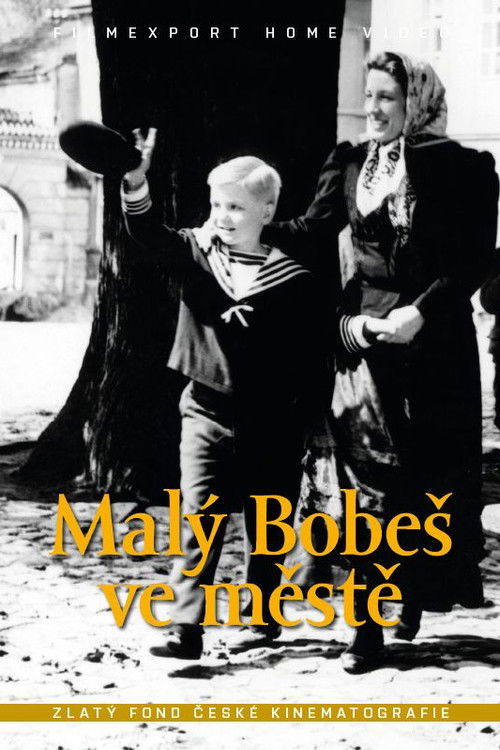
A loose sequel to the film Little Bobes, it catches up with the title child hero in the town where he and his parents have moved. However, the expectations of a better existence are disrupted by the ever worsening social conditions in the 1930s, and living on the periphery of the big city allows even the little boy to see how evil the exploiters of the workers are. This is a graphic demonstration of how ideological features have also very insensitively crept into children's films. When Bobsha's father couldn't find work after an accident, he decided to sell the cottage and move to the city with his family. He lives in a small house on the periphery and the surrounding environment contrasts strongly with his former home. It takes Bobš a long time to get used to it. A loose sequel to the film "Little Bobesh".
Malý Bobeš ve městě

A Czech art film set in a modern village. The main character of the film is Karla Tolarová, a worker from a Prague printing house, who arrives for a harvest shift at a unified agricultural cooperative in Běšíčice at a critical time for the cooperative. The grain in the fields is ripe, the machine-tractor station does not have the necessary machines for the cooperative, the cooperative members do not trust each other, they lose interest in working together.
Po noci den
Three pensioners, three Josephs, living on a housing estate, are bored. They have nothing to do, so they make up all sorts of alliterations and tease each other. When one of them is approached by a neighbour, he asks if he can find out who is borrowing her bicycle from the carriage shop. He finds out it's a little boy who doesn't have a dad, and his mom doesn't have money for a bike. So he borrows the bike and always leaves it somewhere on the estate. The pensioners feel sorry for the boy, so one of them takes the blame and offers to be the boy's mum's surrogate grandparents.
Agentura Pepa

Soldier Honza Marek got a three-day leave. Marta, whom he dated before the war, did not wait for him, but she prefers him again to her new admirer, the impractical and still dreamy Ivan...