Writing
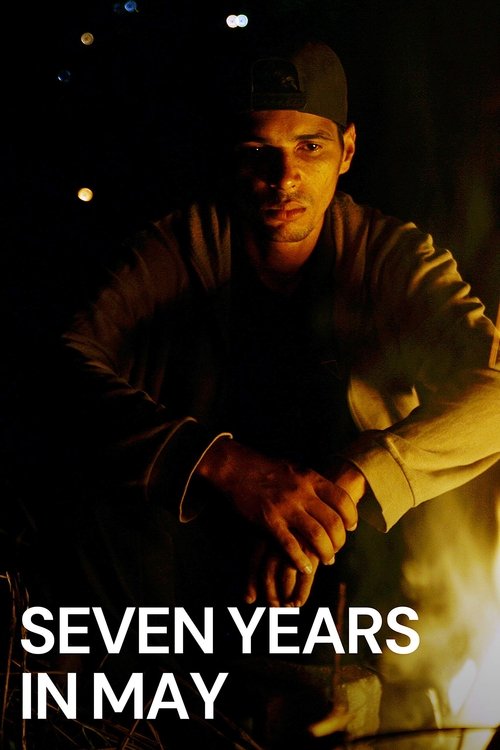
One night seven years ago, Rafael came home after work and discovered that people he did not know had come looking for him. He immediately fled, without looking back. From that moment on, his life changed, as if that night had never ended. One evening, around an improvised fire near a factory, he decides to confide his journey to a stranger. Rafael’s intimate account meets the collective testimony of an entire nation oppressed by poverty, police repression and institutional corruption.
André, a teenager, lives in an industrial town in Brazil near an old aluminum factory. One day, a factory worker, Cristiano, suffers an accident. Asked to go to Cristiano’s house to pick up clothes and documents, André stumbles on a notebook, and it’s here that Araby begins — or, rather, transforms. As André reads from the journal entries, we are plunged into Cristiano’s life, into stories of his wanderings, adventures, and loves.
Father, forgive them as they don't know whay they do!
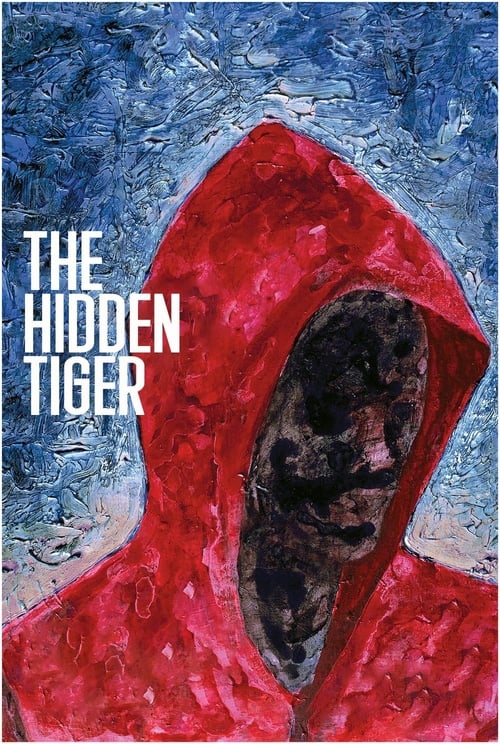
Juninho, Menor, Neguinho, Adilson and Eldo are young residents of the Bairro Nacional, outskirts of Contagem, in Minas Gerais, Brazil. Divided between work and fun, crime and hope, each will have to find ways of overcoming difficulties and taming the tiger inside their veins.
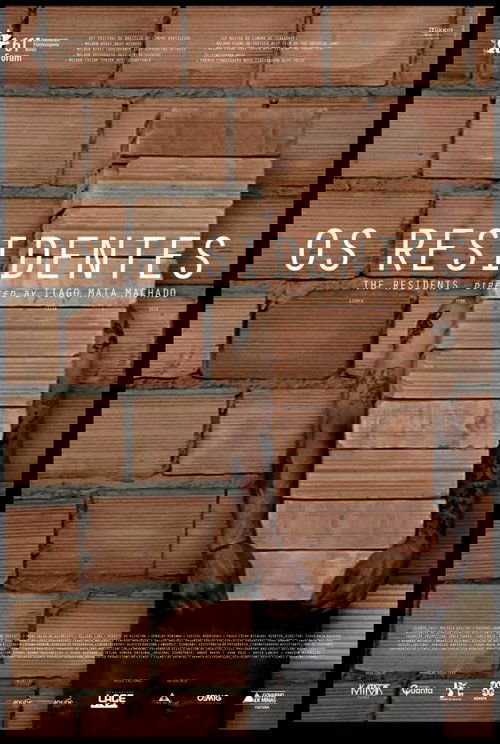
Living in a temporary autonomous zone, the residents spend their days dealing with small lunatic plots, quixotesque farces and rimbaudian delusions.
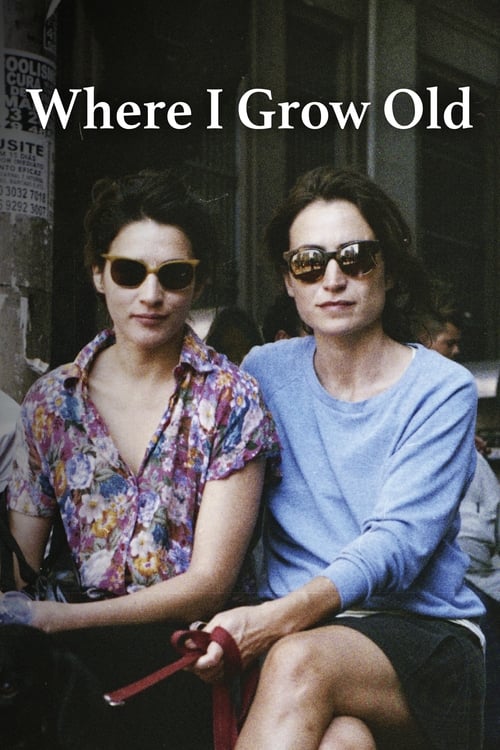
Two young Portuguese women try to put down roots in Brazil. Teresa is newly arrived; Francisca has been there a while. This sure-footed, loving portrait of two counterparts, attracting and repelling, is also an ode to Belo Horizonte: a city with no tourist attractions, but bags of atmosphere and lust for life.
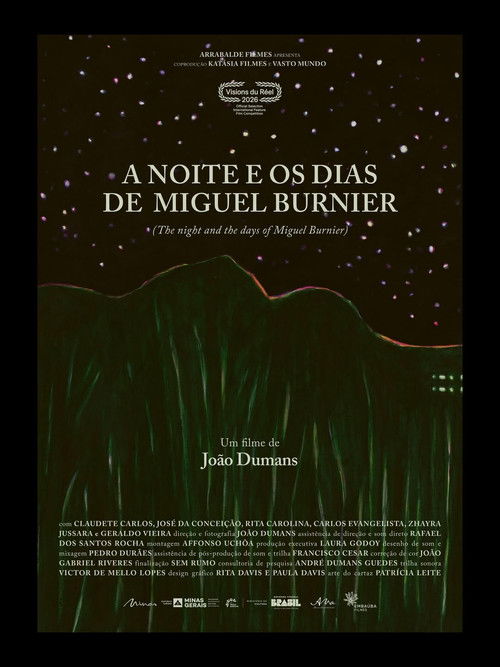
In Miguel Burnier, a small, deserted town in Minas Gerais, Brazil, a few remaining inhabitants have been trying since 2005 to survive the purchase of their land by a mining giant. Tormented by unemployment, isolation and alcoholism, they try their best to keep their community together and to breathe new life into this village where the world seems to have collapsed.
The gun pointed at the head is a delirium that expands into disorderly controlled chaos. “He Who Saw the Abyss” by Gregorio Gananian and Negro Leo, is like a car that enters the curve at 300km/h, but slowly. In an experimental whirlwind, moving between a noisy sound and an almost idyllic musicality, the film is structured out of a pile of images that seem as intimate as they are delirious, accelerating into a trance that is fragmented by a montage, signed by João Dumans and Gregorio Gananian, who strive to articulate an intense experience on the big screen.
Members of a secret society have a falling out. It is up to the highest ranking member to adjust the score. Cinema of cruelty, silence and freedom.
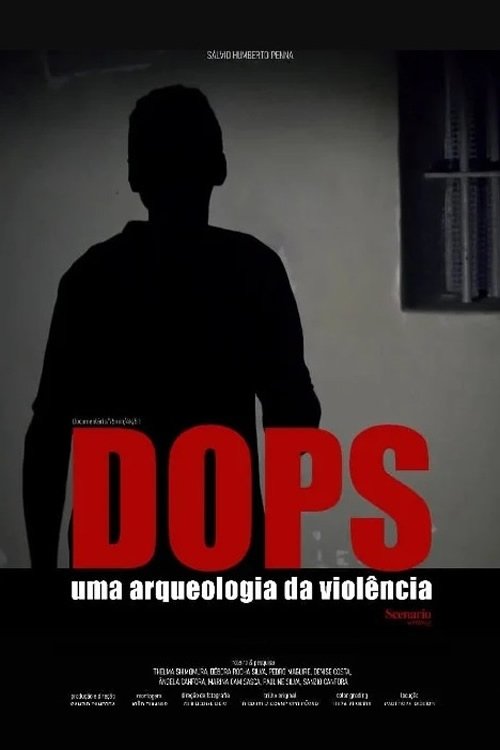
The film explores the material evidence of modifications made to the DOPS building in BH for the purpose of political repression and human rights violations during the military regime and after it. The film also presents the narrative dispute that took place between victims of torture and DOPS delegates during the CPI of the prison system in 1997.
Documentary about the director's father and his passion for photography.
Dives into actress and performer Viviane de Cassia Ferreira's life and how the relationship between life and imagination conects to her creations.