Acting
No description available.
Epic independence fight in 21st century. Turkish independence war against occupying forces (Greece, England, France, Italy) in her land.
The film tells the story of a man who loses his memory. Murat is a famous and successful racing driver. He also owns a tyre factory. Before participating in the Turkish Rally, Kenan, Murat's cousin, plants a bomb in Murat's car. His aim is to kill Murat and take his fortune. In the accident, Murat's car explodes. As his body is not found, it is assumed that Murat is dead. However, after the accident, Murat has lost his memory and started a new life. But an event he experiences brings him back to his old life.
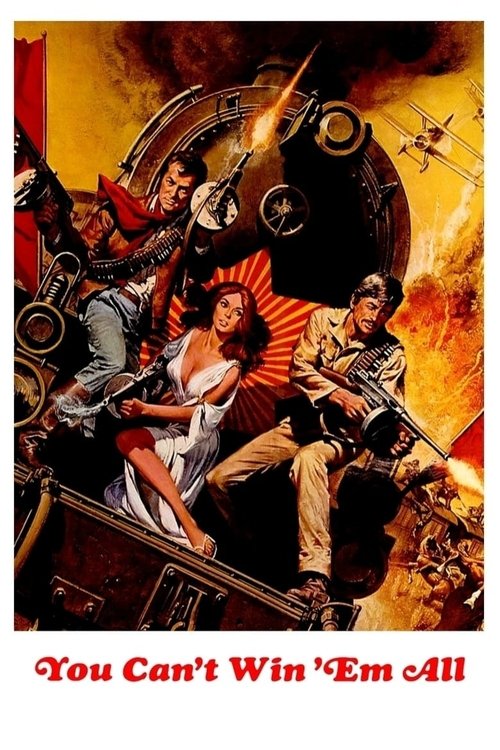
During the 1922 Turkish Civil War, two Americans and a group of foreign mercenaries offer their services to a local Turkish governor who hires them as guards for a secret transport.
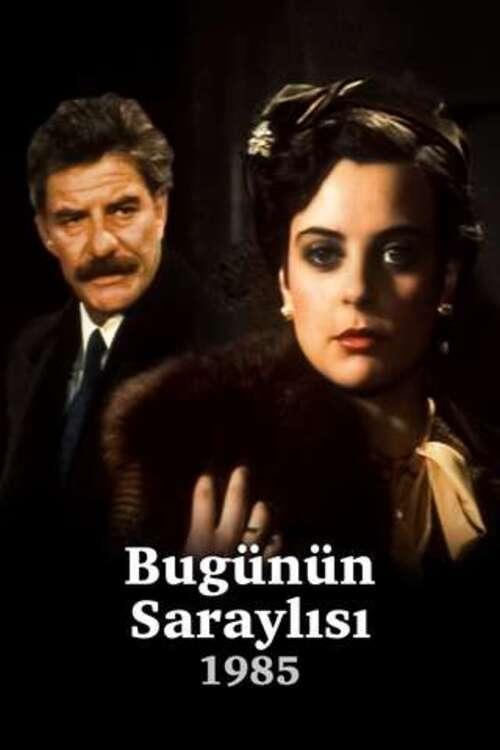
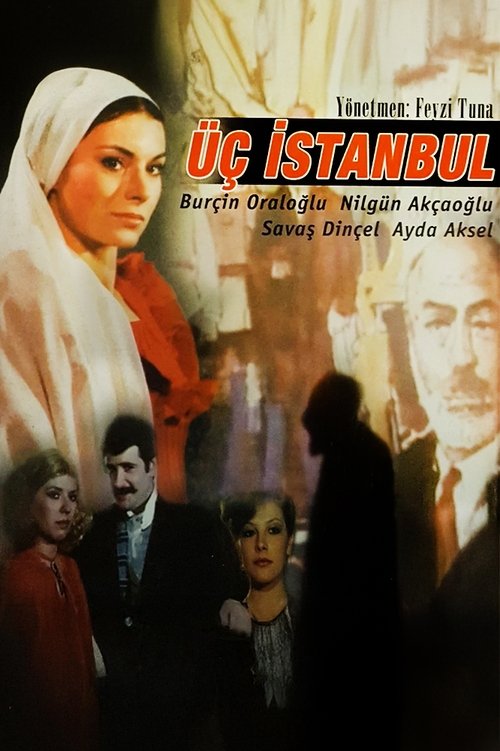
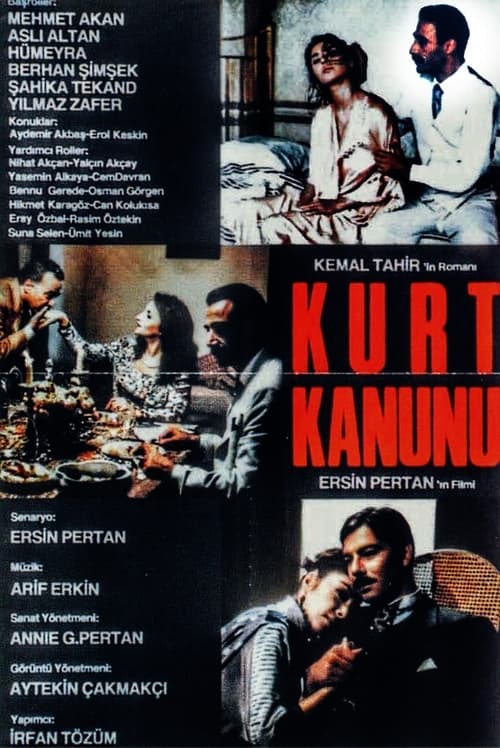
Amidst the journalism, Young Turk partisanship, and other events that ravaged the country before the Second Constitutional Era, Adnan, a law student living with his mother in Aksaray, becomes a teacher at a pasha's mansion to teach the pasha's daughter Süheyla through the mediation of a friend. Despite his pro-freedom ideas, Adnan wins the pasha's favor with his morality and honesty. While he intends to marry Süheyla, he meets Belkıs Hanım, the daughter of another pasha known for his corruption and disliked by the people, but who is married to perhaps the only beardless, mustache-less officer in the army. known for corruption and disliked by the people, but married to perhaps the only beardless officer in the army. Confused, Adnan abandons the idea of marrying Süheyla. However, he is only a teacher to Belkıs. Based on the novel of the same name by Mithat Cemal Kuntay.
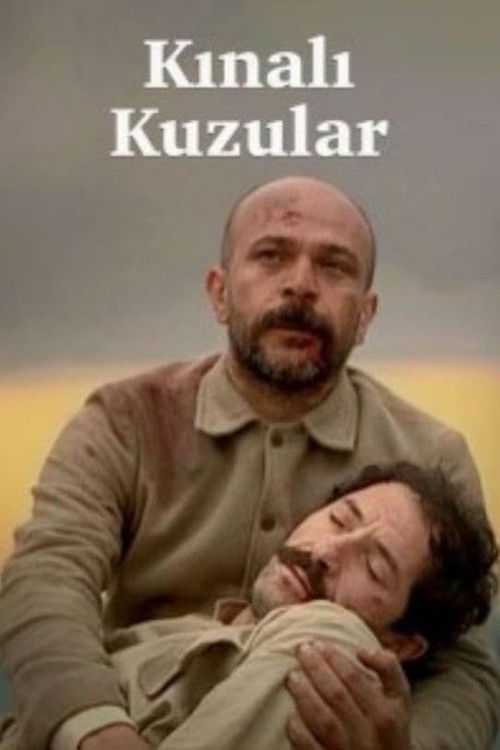
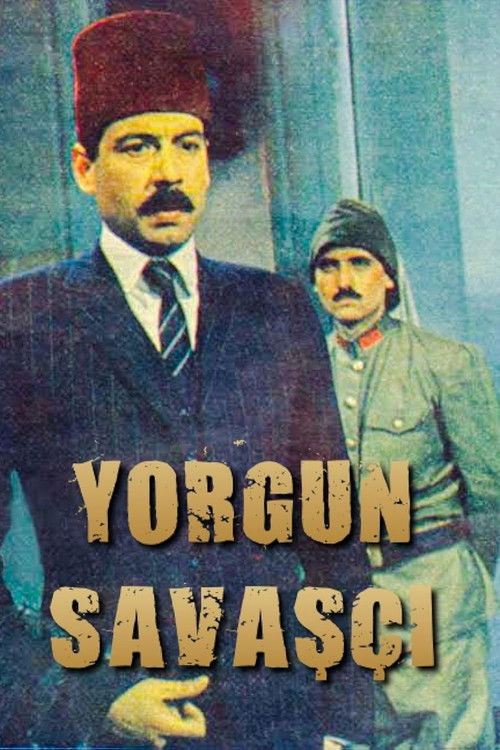
The role played by the regular army in the Turkish War of Independence. This film's footage was burned by the military junta in 1983.
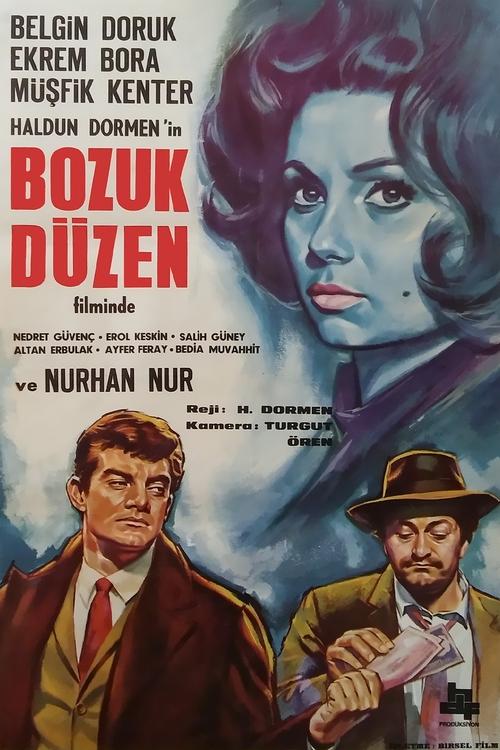
Based on Güner Sümer's play, Bozuk düzen tells the story of four children (Erol Keskin, Nedret Güvenç. Ekrem Bora and Salih Güney) trying to survive difficult relationships and situations they are involved in.
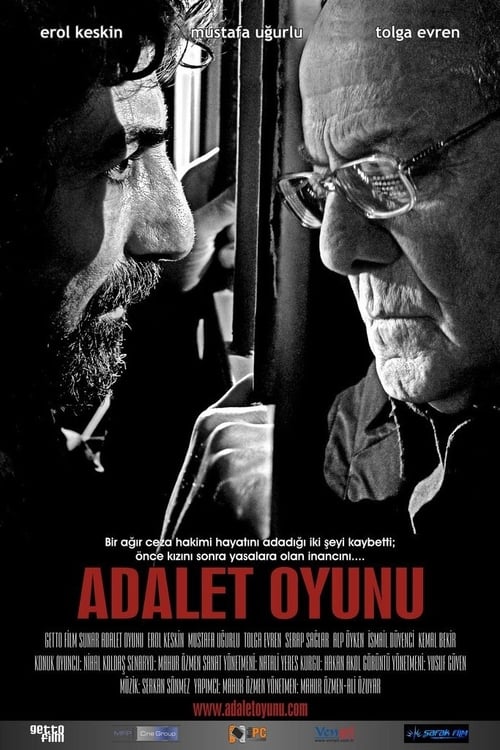
Retired criminal court judge Sezgin loses his faith in justice and his profession after his daughter Belgin, who was his lifeline, is murdered and his son-in-law İlker, who was tried as the defendant, is acquitted. He moves away from the city he lives in and settles in a coastal town. Although İlker was acquitted in court, Sezgin believes that his son-in-law killed his daughter. Determined to seek justice in his own way, Sezgin kidnaps İlker and imprisons him in a cell he had built in the basement of his villa. He decides that his son-in-law will remain there until he dies. His retired judge friends Fuat, Nedim, Erdal, and his wife, prosecutor Nazan, visit him a few times a month to keep him company. Sezgin's decision to close his daughter's case file, his sudden move from Istanbul, and his son-in-law's disappearance around the same time raise suspicions among his friends.
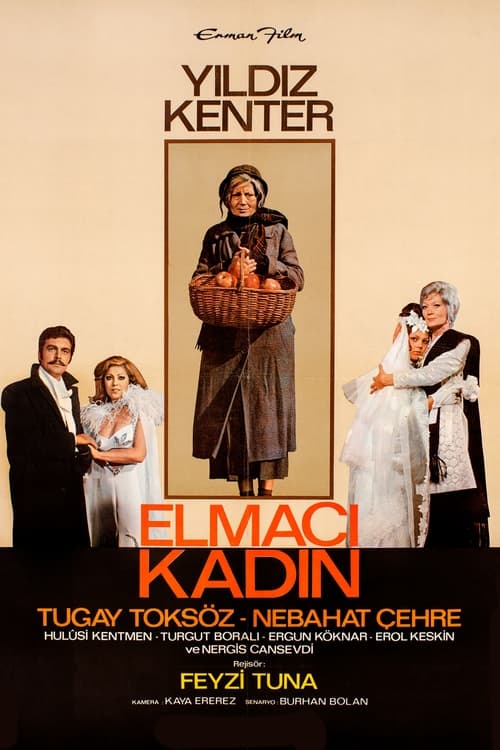
A beggar woman has to pretend to be a society woman to fool her daughter's wealthy prospective in-laws.
Hacer recently joined a factory where Hasan works and brings hope to her life. The two get married. Hacer is worried about the working conditions in the factory; she has a relationship with Hasan after she establishes a relationship with the union. Because of their disagreements, they are driven towards disaster.
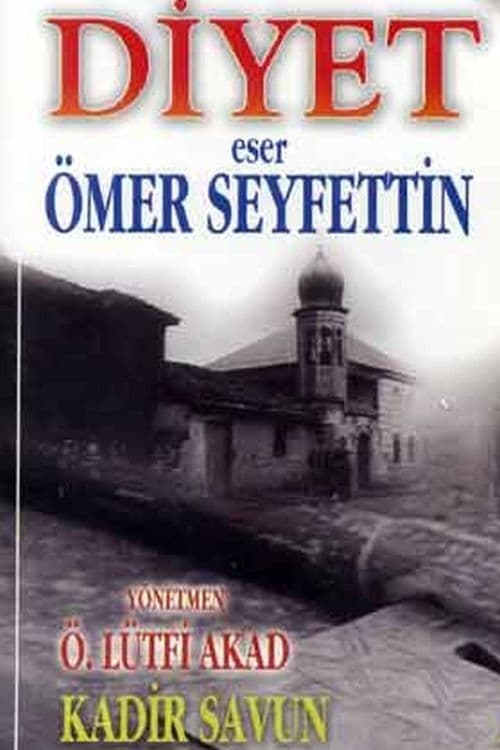
The film deals with the migration from the village to the city with a realistic narrative. The immigration phenomenon described in workers' hands in a factory refers to both the modernization process in the period and the unionization. Hacer emigrates to Istanbul with his father, two children and his wife. Her husband left her and she was a helpless. Hacer was influenced by the union of the working factory, who owns the crippled friends. Hacer thought very much about to traditions versus modernization. It is the last of the film of director Ömer Lütfi Akad's Bridal-Wedding-Recoup trilogy. And it is still the inaccessible film of Turkish cinema history with its movie theme, cast, and acting success.
An alcoholic artist, who may in fact have been driven to murder, seeks inspiration from a mannequin.
Selim, a minibus driver, moves to a new neighborhood. After a while, he falls in love with Zeynep, who lives in the neighborhood, and proposes to her. She accepts on the condition that he convinces her brother. Selim will try to convince her brother Halim, a bully, so that he can marry Zeynep.
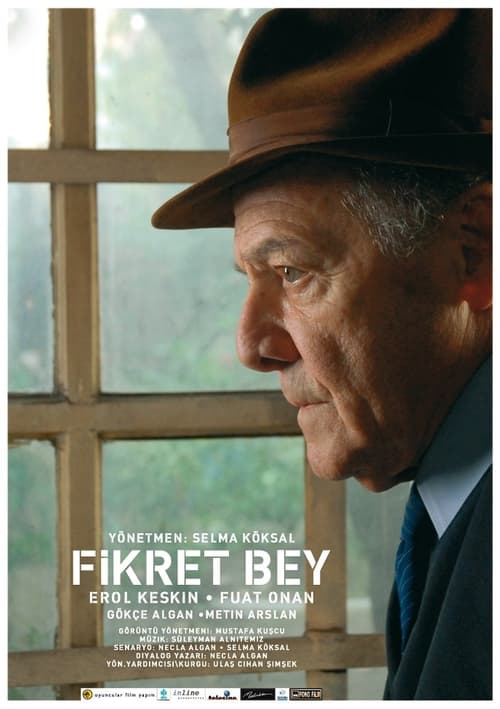
Throughout his life, Mr. Fikret thought of his country, saying, "Domestic goods are the goods of the country," and strove to do useful work for his homeland and his people as best he could. As his life drew to a close, Mr. Fikret made an important breakthrough in his youth by contributing to domestic production. The elderly workaholic went bankrupt and spent the last years of his life struggling with this hardship. Meanwhile, his son, who was labeled a political criminal in the darkness following September 12, served time in prison and later left the country. With the loss of his son and the business he had dedicated his entire life to, he was left with nothing.
1926, Turkey. Anatolia is undergoing a difficult and harsh process marked by turmoil and uncertainty. Alongside the decisive and conscious directives to establish the new infrastructure of the new Turkey, there are also examples of resistance that cause an unstoppable reaction and unhealed wounds. Amidst the political backdrop revealed by this process, which operates with the indifference of a broken clock, individual stories continue to unfold with all their human qualities, and personal conflicts persist in highlighting negativity.
A young man, who is a doctor, returns home when he hears that his father, the mayor, has been murdered. He begins to investigate who killed his father, his only thought was to avenge.
A matriarch and her grandson forge a special bond during family picnics every two months, until her health causes a conflict among the relatives.