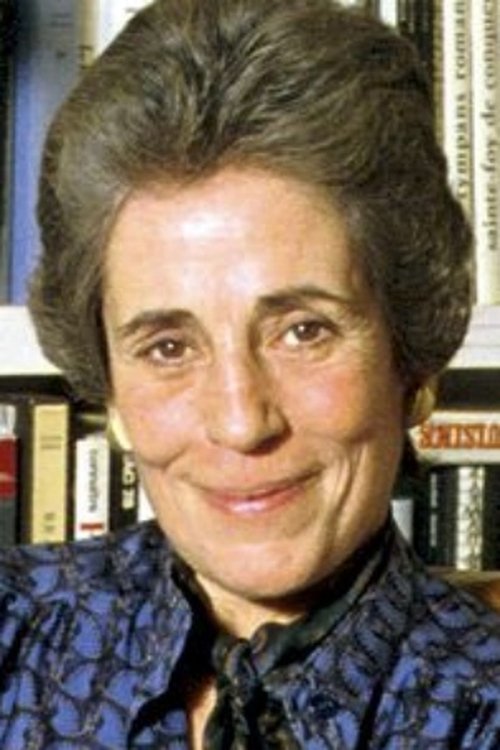
Françoise Giroud
Writing
Biography
Françoise Giroud (born Lea France Gourdji; 21 September 1916 – 19 January 2003) was a French journalist, screenwriter, writer, and politician. Giroud was born in Lausanne, Switzerland, to immigrant Sephardi Turkish Jewish parents; her father was Salih Gourdji Al Baghdadi, Director of the Agence Télégraphique Ottomane in Geneva. She was educated at the Collège de Groslay and the Lycée Molière in Paris. She did not graduate from university. She married and had two children, a son (who died before her) and a daughter. Giroud's work in cinema began with director Marc Allégret as a script-girl on his 1932 adaptation of Marcel Pagnol's play Fanny. In 1936, she worked with Jean Renoir on the set of Grand Illusion. She later wrote screenplays, 30 books (both fiction and non-fiction), and wrote newspaper columns. She was the editor of Elle magazine from 1946 (shortly after it was founded) until 1953, when she and her then-partner Jean-Jacques Servan-Schreiber founded the newsmagazine L'Express. She edited L'Express until 1971, then was its director until 1974, when she began her political career. In 1974, President Valéry Giscard d'Estaing nominated Giroud to the position of Secretary of State for women's rights, which she held from 16 July 1974 until 27 August 1976, when she was appointed to the position of Minister of Culture. She remained in that position until March 1977, for a total service of 32 months, serving in the cabinets of prime ministers Jacques Chirac and Raymond Barre. She was a member of the centrist Radical Party. Giroud often said that her goal was to get France "out of its rut", contrasting France with the dynamism and optimism she saw in the United States. On her first visit to New York City soon after World War 2 ended, she had been struck by "the degree of optimism, the exhilaration" she had found there. That view stayed with her: "There is a strength in the United States that we in Europe constantly tend to underestimate." Giroud gave the commencement address at the University of Michigan on 1 May 1976. Giroud received the Légion d'honneur. She led Action Against Hunger, a humanitarian aid organization, from 1984 to 1988. From 1989 to 1991, she was president of a commission to improve cinema-ticket sales. She was a literary critic for the weekly Le Journal du Dimanche, and she contributed a weekly column to Le Nouvel Observateur from 1983 until her death. Giroud died at the American Hospital of Paris on 21 September 2003 while being treated for a head wound incurred in a fall. A special issue of L'Express covered Giroud's death. It stated: "Women everywhere have lost something. Ms. Giroud defended them so intelligently and so strongly." Source: Article "Françoise Giroud" from Wikipedia in English, licensed under CC-BY-SA 3.0.
Known For
No description available.
Champs-Elysées

No description available.
Vivement dimanche
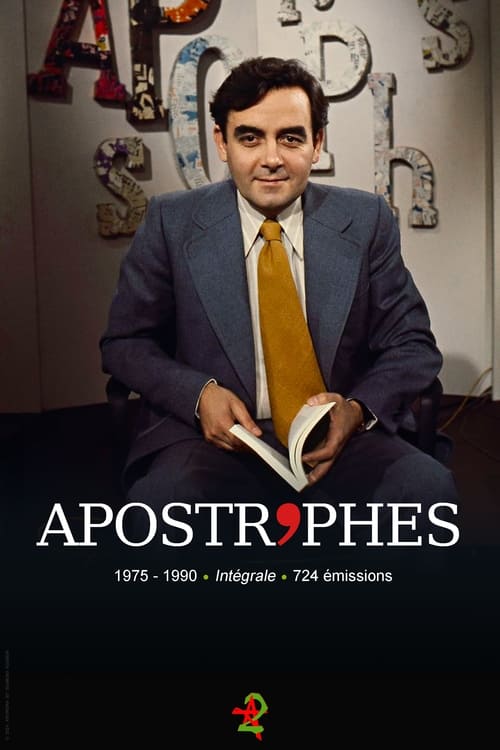
Apostrophes was a live, weekly, literary, prime-time, talk show on French television created and hosted by Bernard Pivot. It ran for fifteen years (724 episodes) from January 10, 1975, to June 22, 1990, and was one of the most watched shows on French television (around 6 million regular viewers). It was broadcast on Friday nights on the channel France 2 (which was called "Antenne 2" from 1975 to 1992). The hourlong show was devoted to books, authors and literature. The format varied between one-on-one interviews with a single author and open discussions between four or five authors.
Apostrophes

No description available.
Sacrée soirée

Marcello Mastroianni, Isabelle Adjani, Alain Delon, Martin Scorsese, Woody Allen... the biggest stars in cinema were welcomed by Christian Defaye on his show Spécial cinéma. Between intimate confessions from actors and immersion in the world of the greatest filmmakers, Christian Defaye took viewers on a journey into the fascinating world of cinema for nearly thirty years.
Spécial cinéma
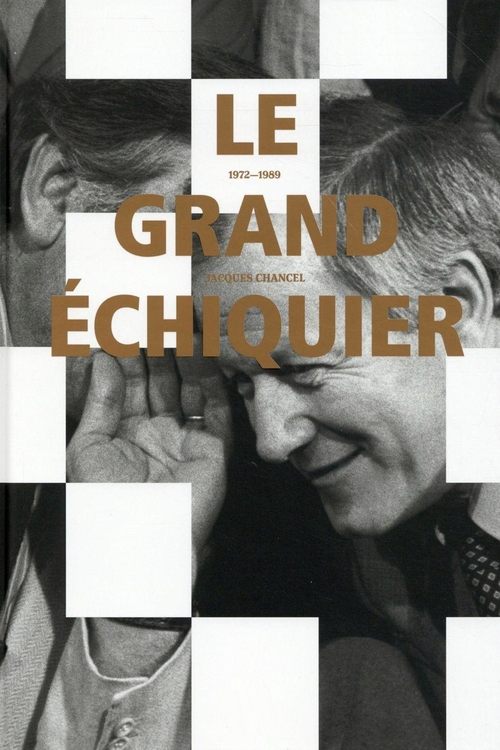
Le Grand Échiquier is a French variety television program created and presented by Jacques Chancel. It aired at 8:30 pm on the first channel of the ORTF from January 12, 1972 to July 12, 1972, then on the second color channel of the ORTF from September 1972 to December 1974, and finally on Antenne 2 from January 1975 to December 21, 1989. The program returned to France 2 on December 20, 2018 and is hosted by Anne-Sophie Lapix.
Le Grand Échiquier

A group of French soldiers, including the patrician Captain de Boeldieu and the working-class Lieutenant Maréchal, grapple with their own class differences after being captured and held in a World War I German prison camp. When the men are transferred to a high-security fortress, they must concoct a plan to escape beneath the watchful eye of aristocratic German officer von Rauffenstein, who has formed an unexpected bond with de Boeldieu.
Grand Illusion
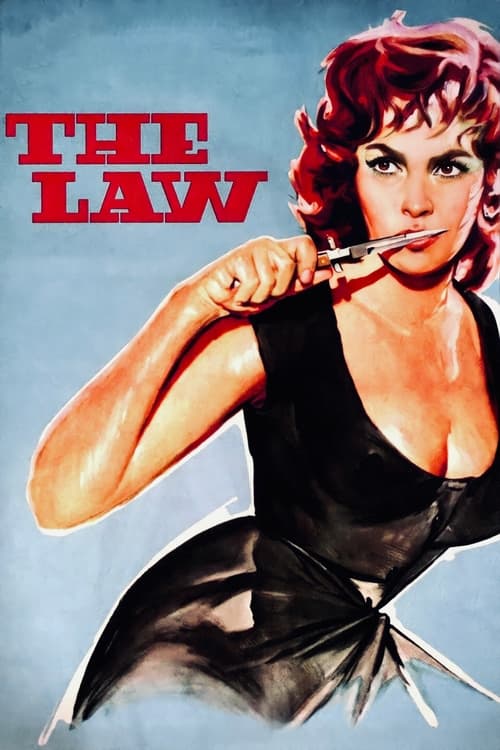
A gorgeous housekeeper turns the tables on the men in a small Mediterranean coastal town by using their own vicious drinking game.
The Law
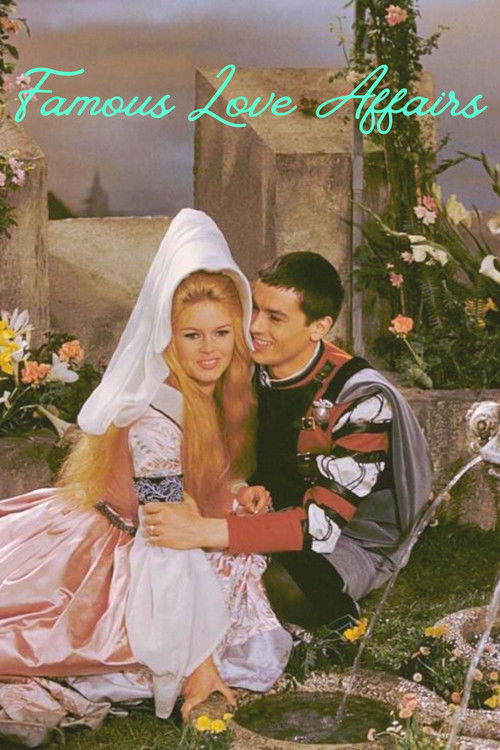
Anthology of four love stories that have some historical basis.
Famous Love Affairs
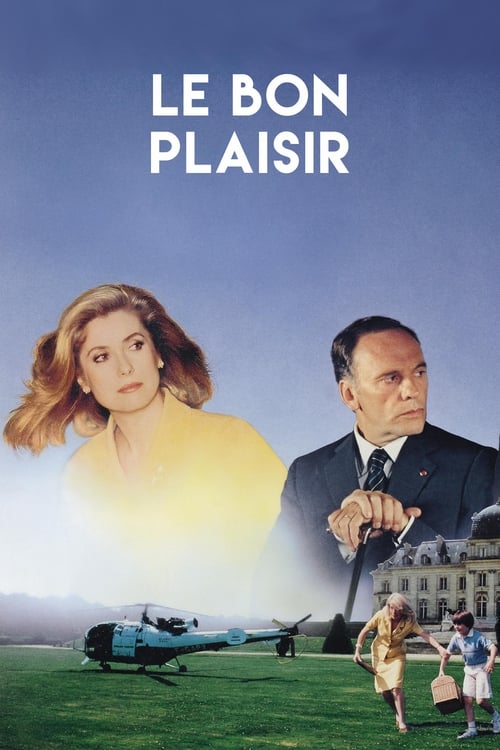
Claire's handbag is stolen. It contained a letter written ten years previously by the man who is now the French President. In the letter, he urges his pregnant mistress to have an abortion. Claire immediately alerts the President's men. From that moment, the machinery of state swings into action.
Le Bon Plaisir
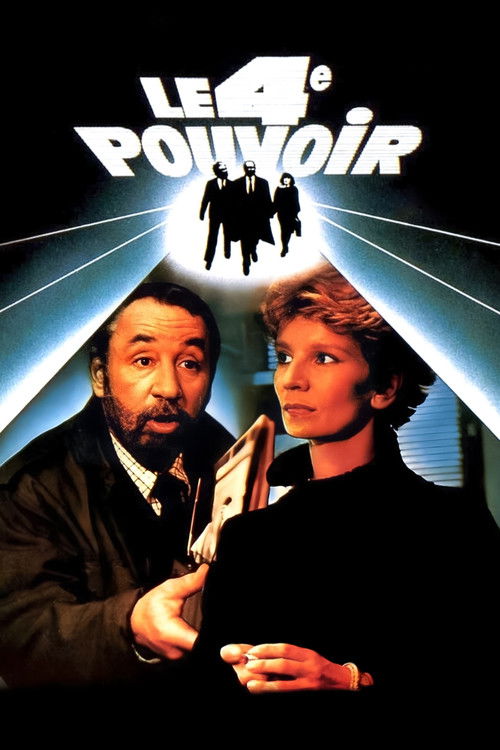
Yves Dorget, major reporter in a daily newspaper, finds on an "affair" part of a simple news item Catherine Carré, his former friend, editor and chief and star presenter of a television newscast.
The Fourth Power

No description available.
Marie Curie, une femme honorable
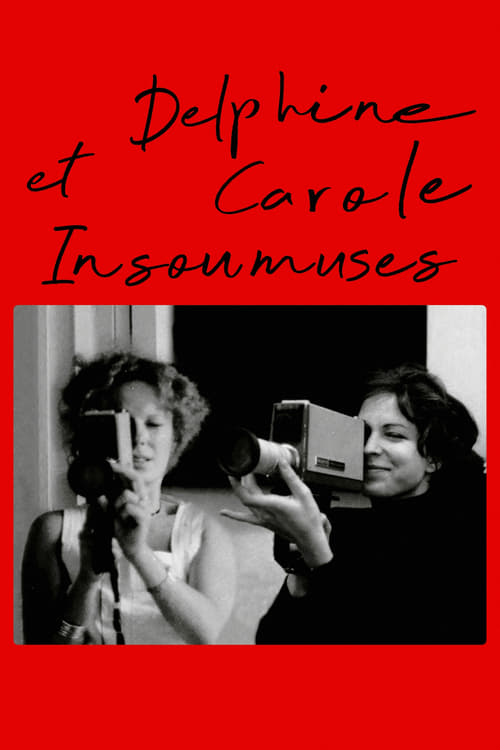
In the 70s, actress Delphine Seyrig and director Carole Roussopoulos, both militant feminists, were the pioneers of video activism in France. They documented the demonstrations of French feminists and used the new technologies to counter the poor representation of women in the public media.
Delphine and Carole
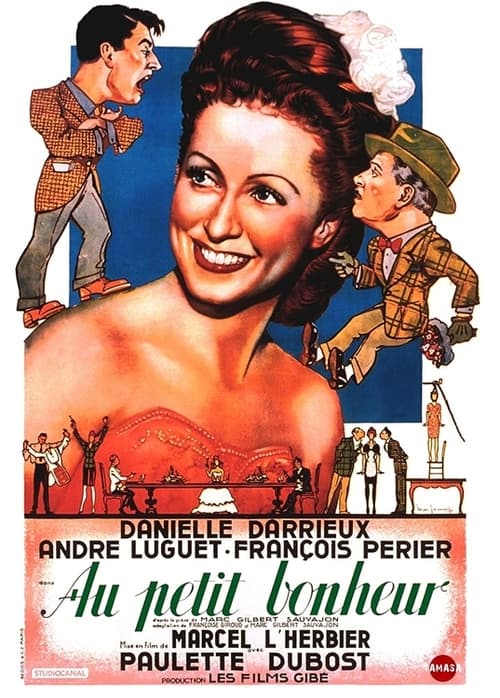
After lovers fight, the boy leaves for the Riviera. On her way to rejoin him, the girl meets a distinguished but embittered novelist and decides to spend time comforting him.Which is not going to help when she returns to her boyfriend.
Happy Go Lucky
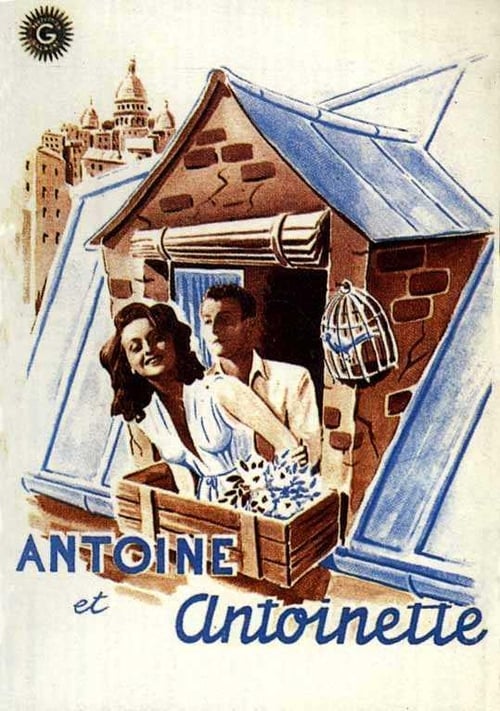
1947, in France, Antoine and Antoinette, a young couple living in Paris, lead a monotonous existence: he works in a print shop while she is a shop assistant. But one evening, they regain hope: Antoine finds a winning lottery ticket in his girlfriend's handbag. He decides to cash it in, but loses his wallet. What follows is a series of twists and turns that redefine the couple's priorities while forcing them to remain optimistic.
Antoine & Antoinette
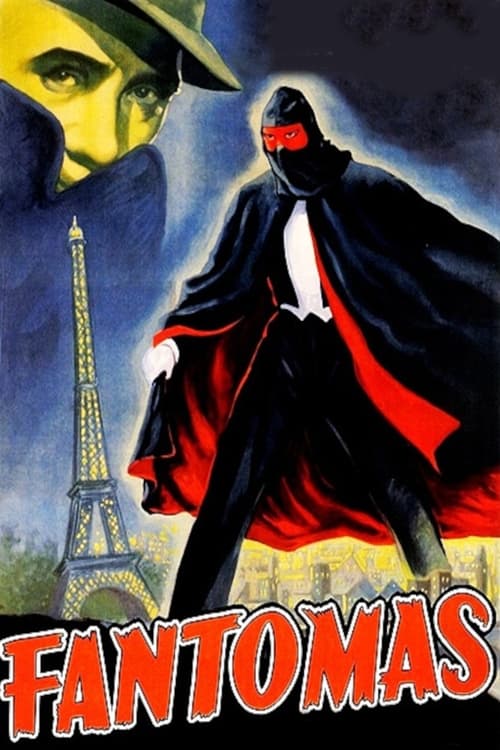
The invincible bandit faces his daughter, courageous and honest, who wants to end his criminal activities. With a young journalist, her fiancé, she discovers his hideout.
Fantômas

The year 1975 is declared “year of the woman”. On this occasion Bernard Pivot invited Françoise Giroud on television, then Secretary of State for Women. Faced with statements, a group of women filmmakers parody the issues in a provocative way.
Maso and Miso Go Boating
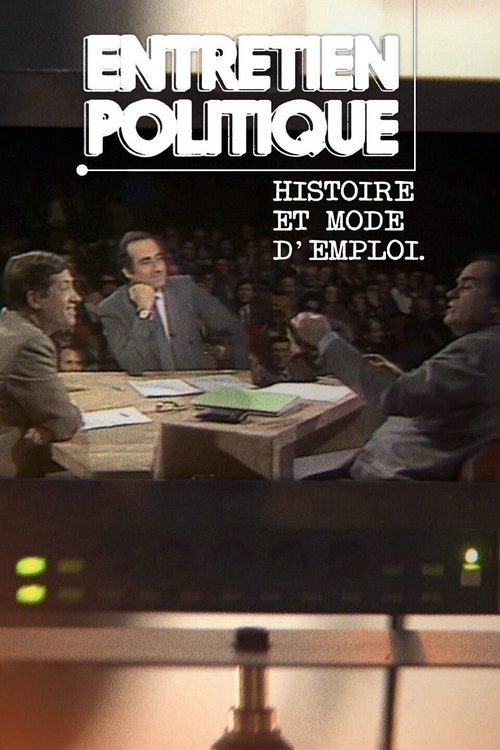
No description available.
Entretien politique : Histoire et mode d'emploi
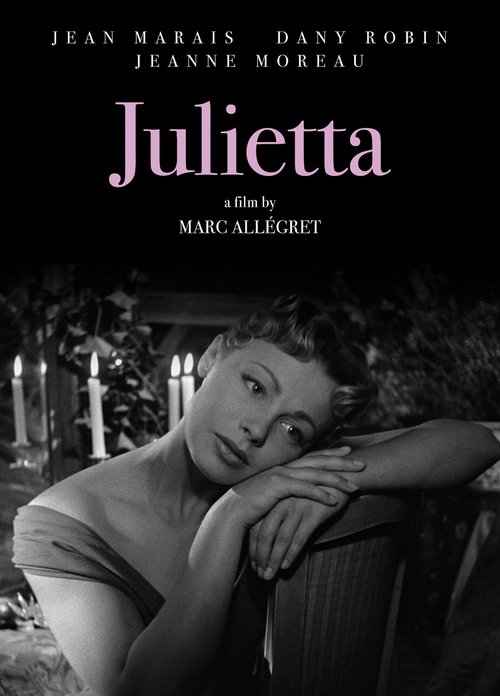
Julietta Valendor is in love with lawyer André Landrecourt. He is unaware of her feelings. He puts her up one day when he has his fiancée, Rosie, staying with him... Based on a novel of Louise de Vilmorin.
Julietta
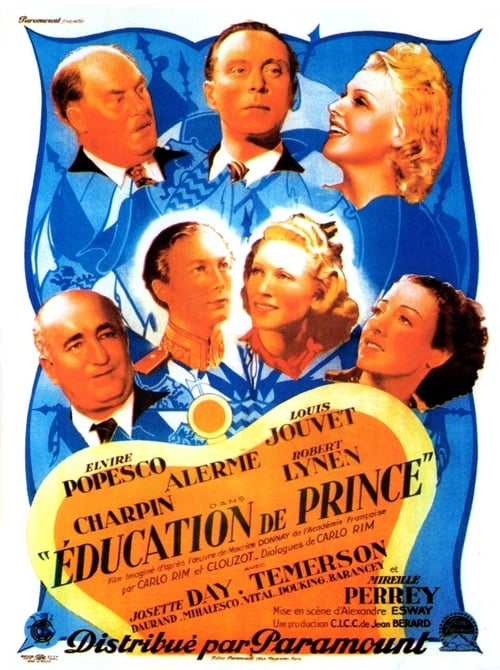
Prince Sacha studies in Paris and cares more for Marianne than about Silistrie, the country his family was exiled from. But Chautard, a French financier, who has business there (the country is rich in oil), wouldn't mind a little political stability. So why not restore the ancient royal family to the throne? But is Prince Sacha up to his role ? And will Marianne make a suitable princess?