Writing
No description available.
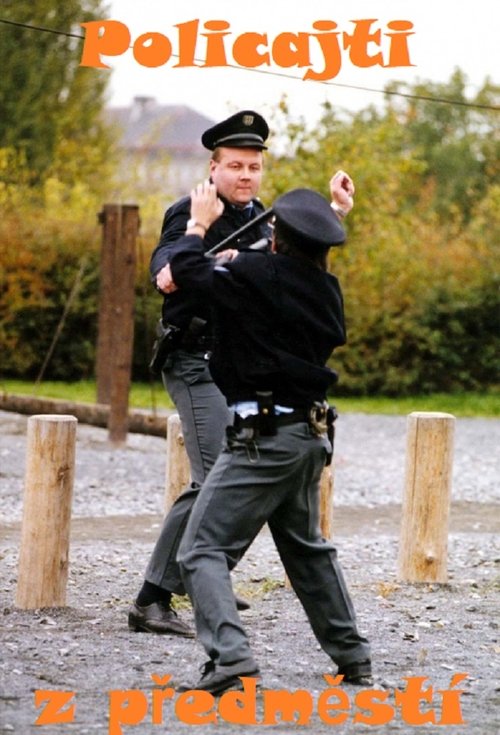
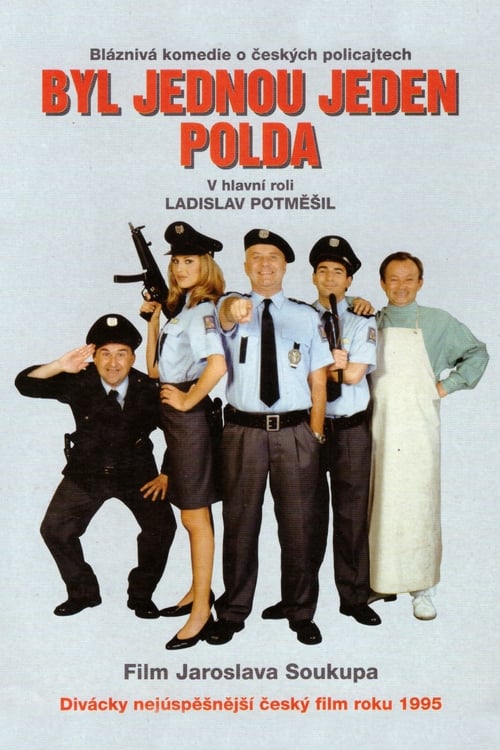
Policajti z předměstí is a Czech television comedy series which premiered on TV Nova. In 1999, 21 episodes were aired.
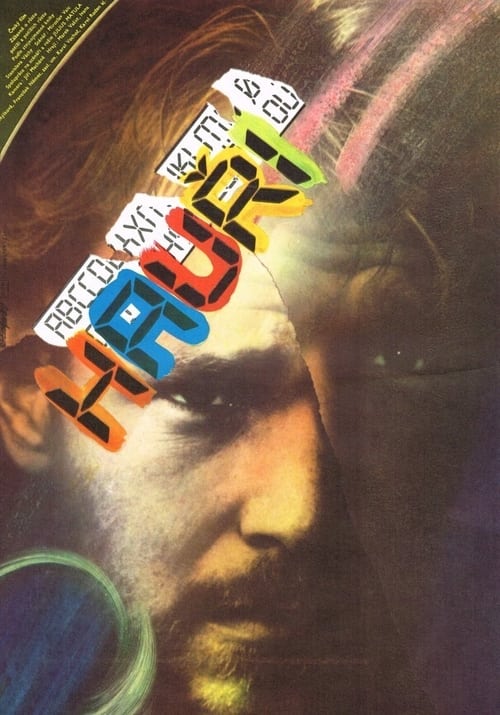
Building themes, however modified, permeated the nationalised cinema throughout its existence. This time, director Július Matula has focused on a young engineer who, with high hopes, accepts a position in a famous agricultural cooperative. However, he soon discovers that behind the proclaimed phrases there is in fact hypocrisy and protectionism. The authors criticise the fact that incompetence is often covered up, that shortcomings end up being cleverly camouflaged, that the social mood favours the mediocre and the adaptable. The hauers present a statement that is courageous, so to speak, within the limits of the law, and call for increased work consciousness.
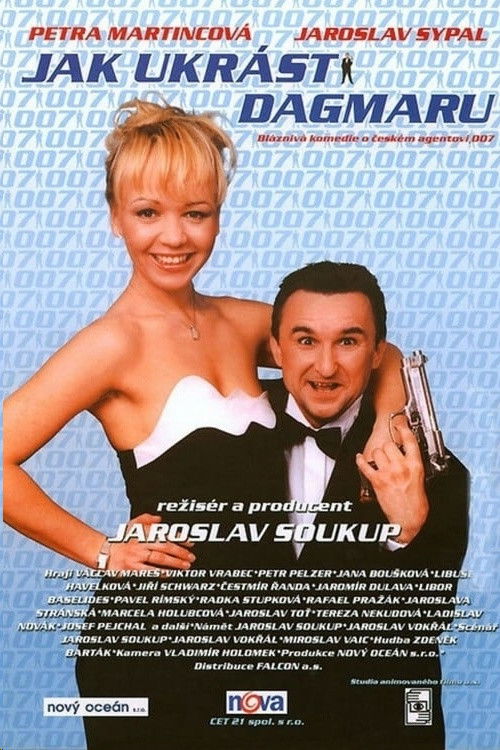
A crazy comedy about a Czech version of the 007. The special operations man is a total klutz and is deployed by the government in urgent and extraordinary situations. Super agent Vašek Hruška fearlessly takes on the tasks entrusted to him and approaches them in a completely unconventional way. However, his actions are surprisingly successful...
At the beginning was the Slovak television series Lekár umierajúceho czasu (Doctor of Dying Time), dedicated to the Rudolphine-era scientist Jan Jesenius. He ended up on the scaffold along with other gentlemen after losing the anti-Habsburg uprising. When director Miloslav Luther conceived the idea of making an abridged version of the footage for cinema, he had to not only rebuild the storyline but also dub it into Czech. However, the result was only an illustrative puzzle, describing the various stages of the hero's turbulent life.
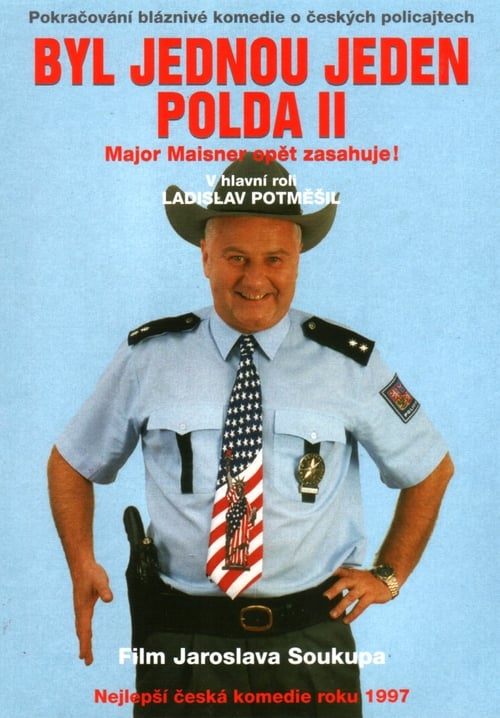
The film, which opens with students arriving at a police academy, is a crazy comedy that is more a series of zany episodes and jokes than a coherent story. They are linked by a simple plot in which the commander of the police academy, Major Maisner, searches among his recruits for an alleged FBI spy and, after a not-so-subtle practical joke, gets into a dispute with his subordinate, a dispute that ends in a genuine bank robbery.
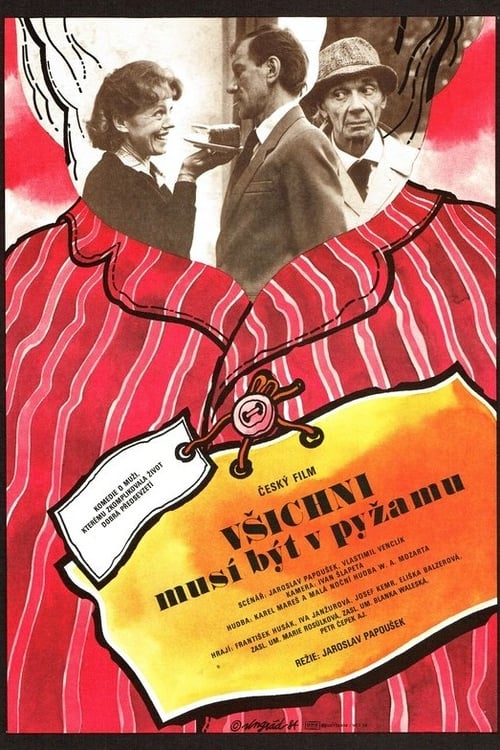
The hero, rushing from one misfortune to another, is former accountant Řehoř Maršíček, who after a heart attack, out of fear of death, decides to live a calm, moderate life and follow the principles of a healthy lifestyle. Not to smoke, not to drink, to exercise and eat healthily. He takes up the position of an auditor of patients and hopes that he will have peace in his new job. Instead, he experiences one nervous breakdown after another. He gradually makes one good resolution after another. Řehoř falls into unhealthy food, alcohol and women. In addition, he gradually loses most of his life's certainties, including a roof over his head. The result is a second heart attack, after which the hero promises himself again that he will fix everything and live a healthy life.
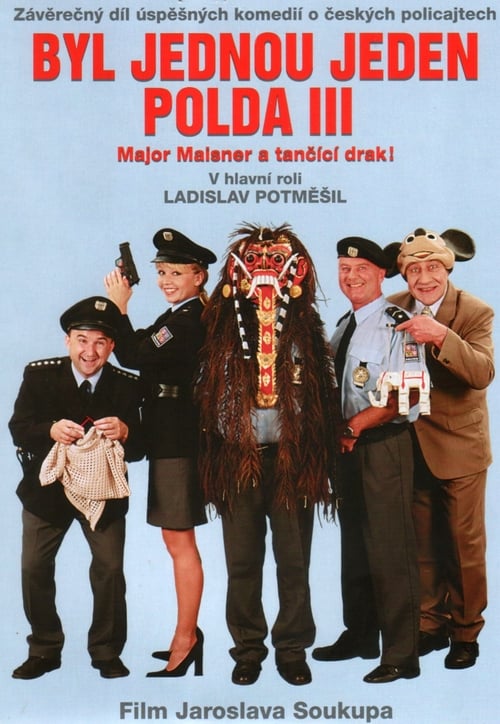
Major Maisner, head of Interpol for Central Europe and neighboring Asian countries, is fulfilling his mission in Bangkok, Thailand. When he returns from his mission, he has no idea that his doppelganger, sent here by the Thai mafia, is acting on his behalf in the Czech Republic.
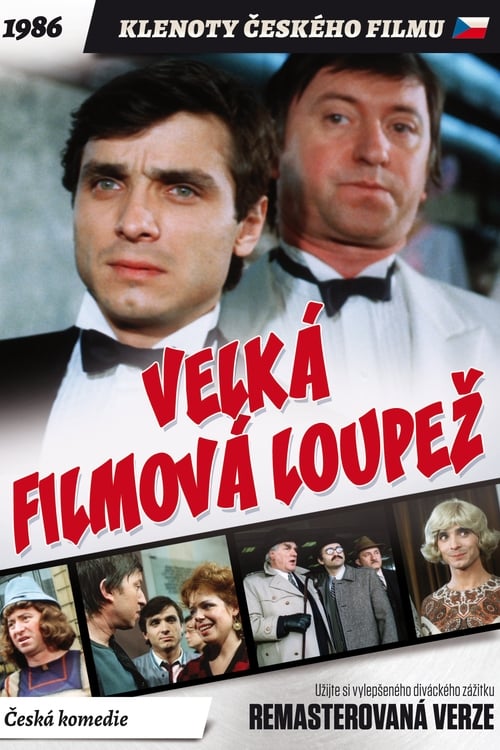
The film is essentially a feature-length commercial for an exhibition to mark the 40th anniversary of the nationalisation of the Czechoslovak film industry, to be held at the Prague U Hybernu venue. The protagonists of the piece are comedians Oldrich Kaiser and Jirí Lábus, who are set to accept an award from Japanese television representatives at the exhibition. At the same time, five gangsters plot to seize a revolutionary invention devised by professor Suzuki - a super holograph, which enables any figure from television to be transported in the flesh into the real world, and vice-versa.
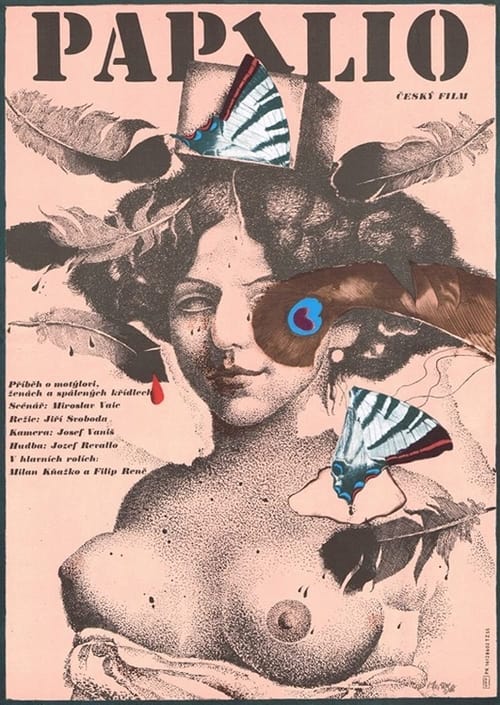
František Cepl is a young man from a simple family. He graduated from a real school and was going to study technology. When the occupation came, he had to work as a factory assistant. There he meets an older man named Telec, whom everyone knows as Hrabě. He impresses František with his ostentatious disdain for work and his shameless flirtation with women. František, whom the Count calls Papilio (butterfly butterfly), is filled with youthful ideals, while the Count, on the other hand, is an extract of the crudest individualism. He has worked his way up from a student at a business academy and a theatre actor to a member of a pre-war gallery. He blackmails, steals, drinks, abuses women and, in a way, Papilio himself.
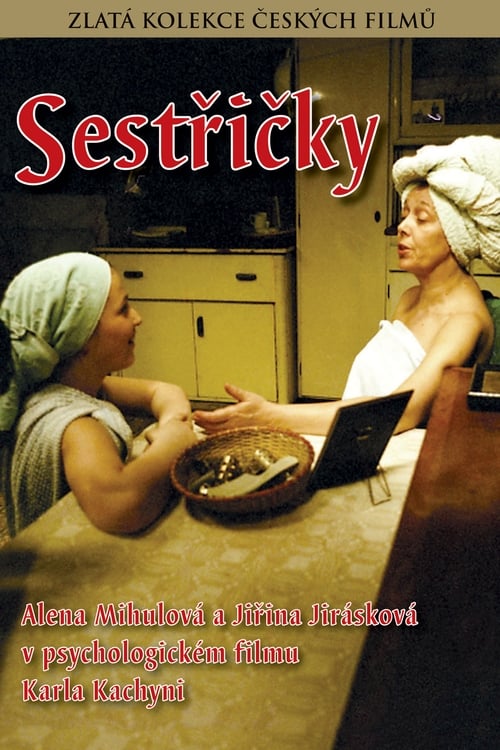
A Czech psychological film about the school of life, its sorrows and beauties. The main character is a young aspiring nurse Marie Sahulová, who, after a trouble in the hospital - she secretly brought a boy to her boarding school - is transferred to a rural health centre, where together with an old doctor and a peculiar nurse she has to travel around twenty-five villages and a number of solitudes in the harsh environment of the neglected villages of the 1950s. The nurse, a wise and experienced woman whom no one calls anything other than "babi", becomes her guide, who introduces her to the practice and the pitfalls of private life in a distinctive way. In the mosaic of everyday worries and more or less serious medical interventions, Marie matures and finds the meaning of her work and life.
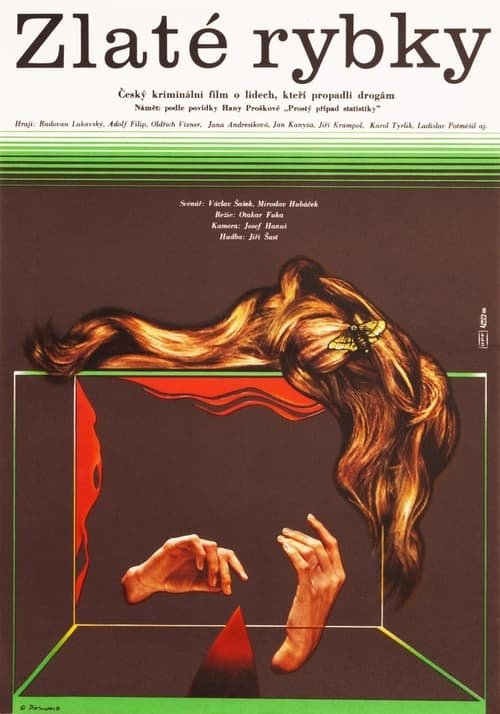
Police discover Eva Nejtková dead in her apartment and her husband Zdeněk unconscious from a shotgun wound. Captain Hora leads the investigation, noting that the killer struck Eva fatally and shattered her large aquarium, yet carefully transferred the goldfish into a smaller tank. Initial suspicion falls on Zdeněk’s apparent suicide attempt, but financial records and the absence of drugs at the scene shift focus. Detectives trace psychotropic medication supplies to Eva’s dealings with local addicts. As they question these “práškaři,” they uncover a network of illicit sales and potential motives tied to debts and blackmail. Clues from the supplier’s arrest and addicts’ testimonies gradually reveal whether Eva’s murder was linked to her clandestine drug trade or if a more personal betrayal lies at the heart of the crime.
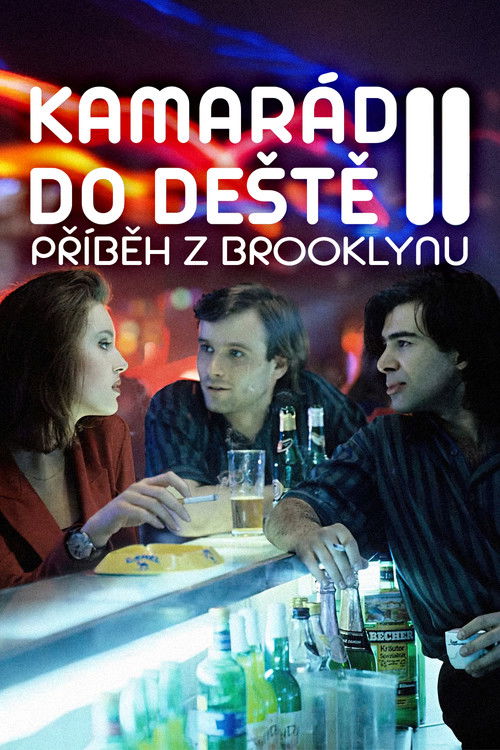
The main characters left their original professions of waiter and taxi driver and rented a thriving disco Brooklyn. However, their peaceful life is disrupted by the con man Kadlec, who has not forgotten that it was they who put him behind bars two years ago. All this time, all he's been thinking about is revenge. The formerly petty crook, with the help of his accomplices, his son-in-law Buresh and fellow prisoner "The Engineer", joins the drug trade and begins his revenge. Michal is arrested for the rape of a girl he has never seen in his life, and it doesn't take much for Tomas to figure out that Kadlec is behind it all. What Tomas also doesn't realise for a long time is that the sympathetic Ivana, who has joined their business and with whom he has fallen in love, also works as a luxury prostitute and was put into the business by Kadlec.
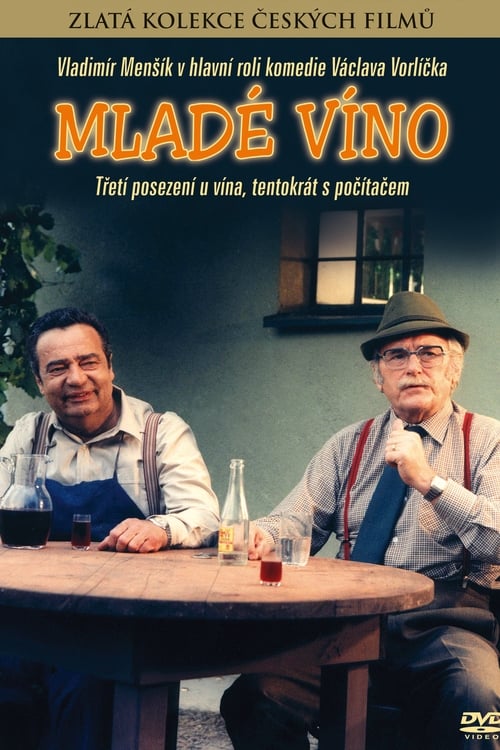
Third wine session, this time with a computer. The film was made in direct relation to the audience success of the previous two: "Stormy Wine" and "Ripe Wine". In the comedy-oriented story, the computer is an important actor, around which all the events actually revolve. It is reliable, powerful, but unused. Its future lies in the hands of those who do not yet know how to use it.
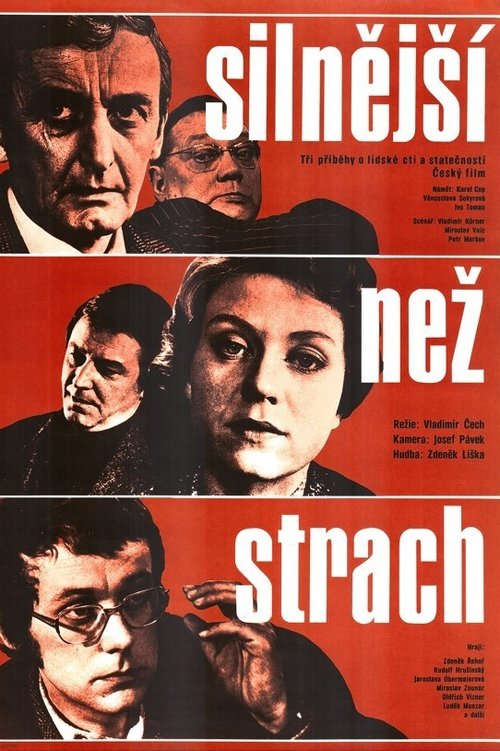
A short story film in which the first story takes place at the end of the German occupation, when a resistance fighter is arrested while transporting leaflets. The second story takes place in the 1950s at a cattle shed. The final episode tells the story of a doctor terrorized by fleeing criminals.
It all begins at Prague Airport, where American agents have brought Major Maisner, who has been expelled from the United States, in handcuffs. He returns to his place of work, the Central Police Academy, despite having been demoted to lieutenant for his "performance" and his position as academy commander having been taken over by the newly promoted Captain Hrubec. Maisner meets his former students, who now teach at the school. They all welcome him enthusiastically and receive gifts from him. While psychologist Kudláková, who is attracted to commanding types, has lost interest in the demoted Maisner and is now passionately in love with Hrubec, Boženka Vinklářová, who has broken up with the gypsy Štefan and now teaches dactyloscopy at the school, focuses her attention on him. Maisner recounts how he jumped off a skyscraper in America to defend himself against Simona Ptáčková's advances.